The Short Answer
The UK will almost certainly need more substations as artificial intelligence expands.
AI systems operate inside large data centres filled with servers, networking equipment, cooling systems and backup power infrastructure. These facilities require enormous quantities of electricity delivered reliably around the clock.
The challenge is not simply generating enough power.
The challenge is delivering that power to exactly where AI facilities are being built.
That means substations are becoming one of the most important pieces of Britain’s AI infrastructure.
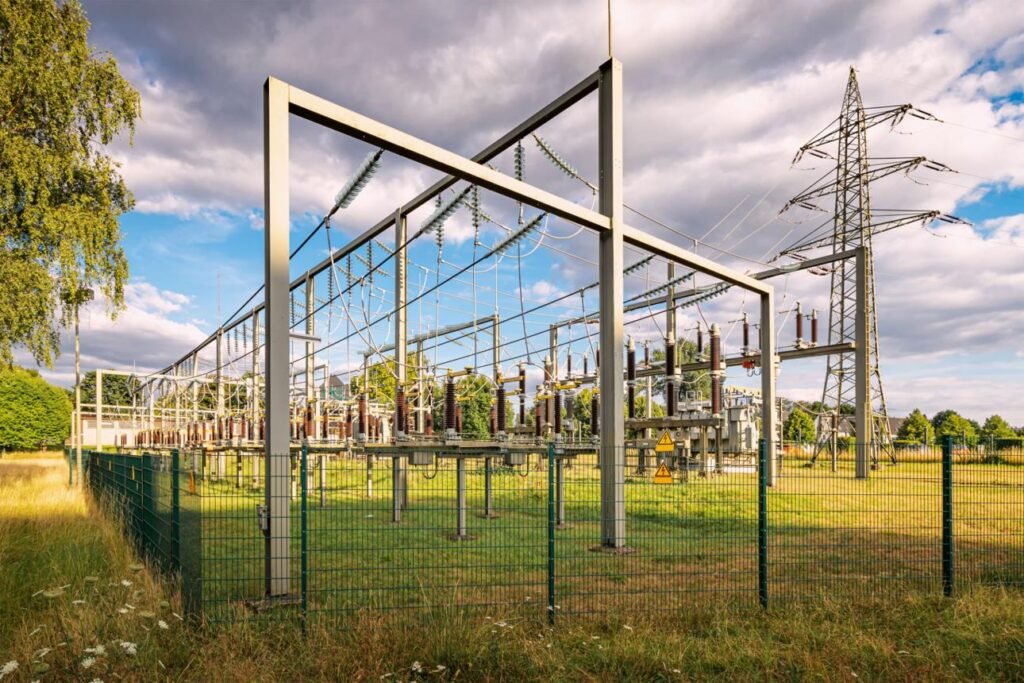
What Is A Substation?
The Hidden Part of the Electricity Grid
Most people never think about substations until one appears near a proposed development.
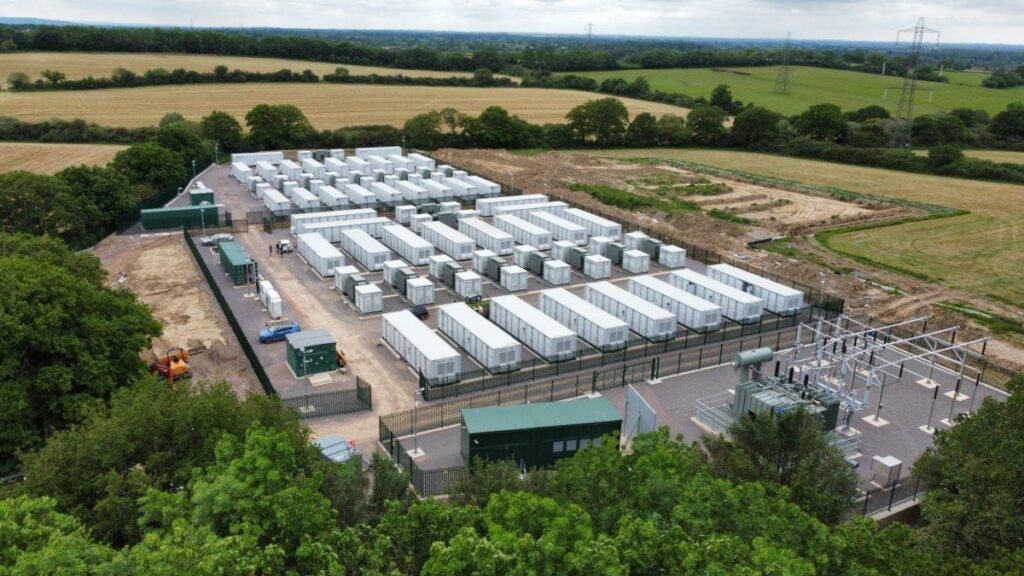
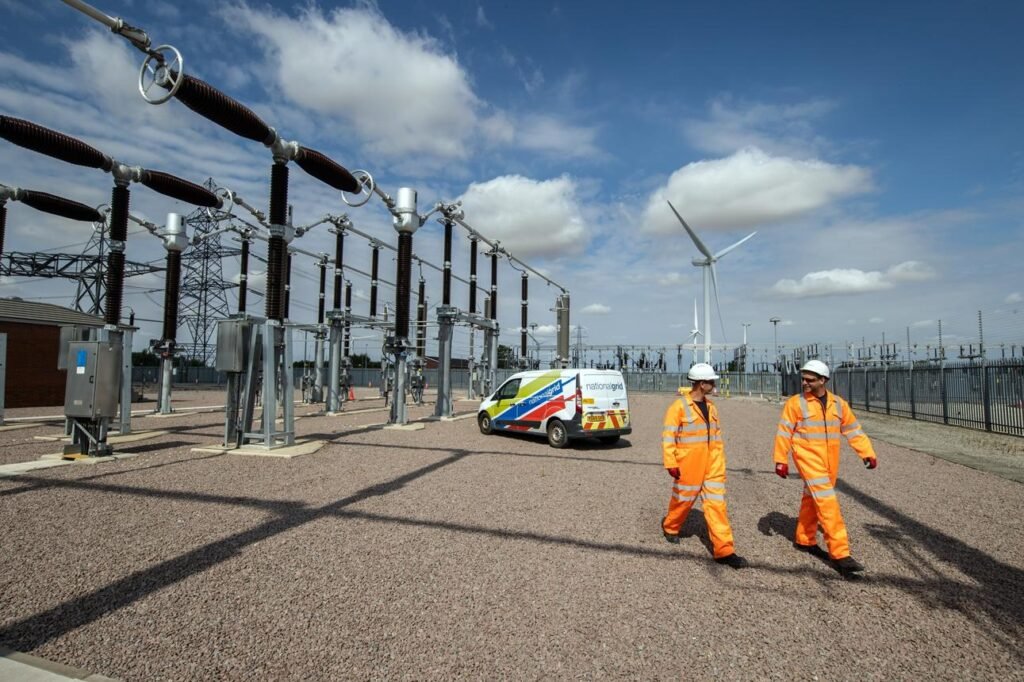
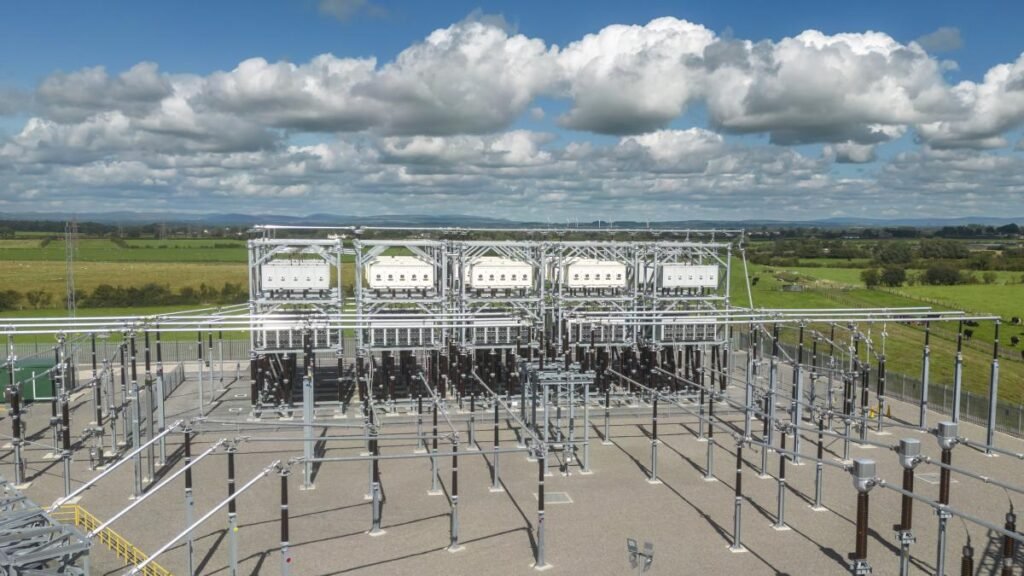
A substation acts as a connection point between different parts of the electricity network.
Its job is to:
- Transform voltage levels
- Route electricity
- Protect the grid
- Manage local demand
- Connect major users
Without substations, electricity generated by power stations cannot be distributed efficiently to businesses and homes.
Large AI facilities often require dedicated connections to high-voltage networks, meaning substations become essential infrastructure.
Why AI Creates A Substation Problem
AI Data Centres Need Vast Amounts Of Electricity
Modern AI data centres are unlike traditional office buildings.
A typical office block might require a few megawatts of power.
Large AI facilities can require:
- 50 MW
- 100 MW
- 250 MW
- 500 MW or more
Some planned international AI campuses are discussing power demands exceeding 1 GW, comparable to the consumption of a sizeable city.
The electricity is not only used for computing.
Power is also required for:
- Cooling systems
- Pumps
- Fans
- Battery systems
- Network equipment
- Backup infrastructure
This creates concentrated demand in specific locations.
Existing Infrastructure Was Not Built For AI
The Grid Was Designed For Different Industries
Britain’s electricity infrastructure evolved around:
- Manufacturing
- Steel production
- Residential growth
- Commercial districts
- Transport networks
It was never designed around clusters of AI data centres consuming hundreds of megawatts in a single location.
As a result, many areas lack sufficient local network capacity.
Before a new AI facility can connect, network operators often need:
- New substations
- Larger transformers
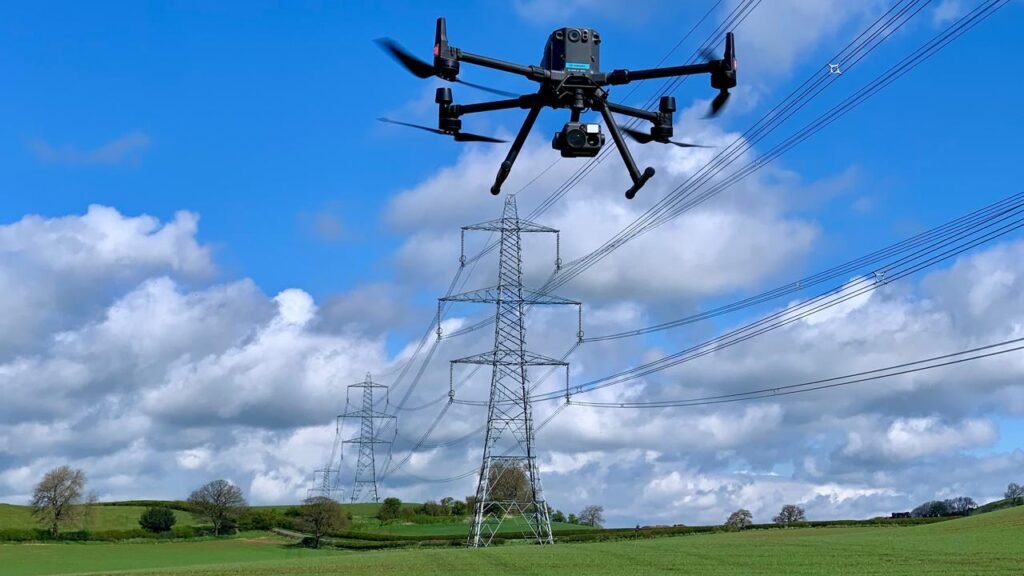
- Additional transmission lines
- Distribution upgrades
Sometimes these upgrades can take years.

The UK Is Already Seeing The Problem
Connection Queues Are Growing
Across Britain, energy network operators have reported growing connection queues.
Many proposed projects are waiting for:
- Grid capacity
- Transmission upgrades
- New substations
- Reinforcement works
This is not just affecting AI facilities.
The same infrastructure is also needed by:
- Battery storage projects
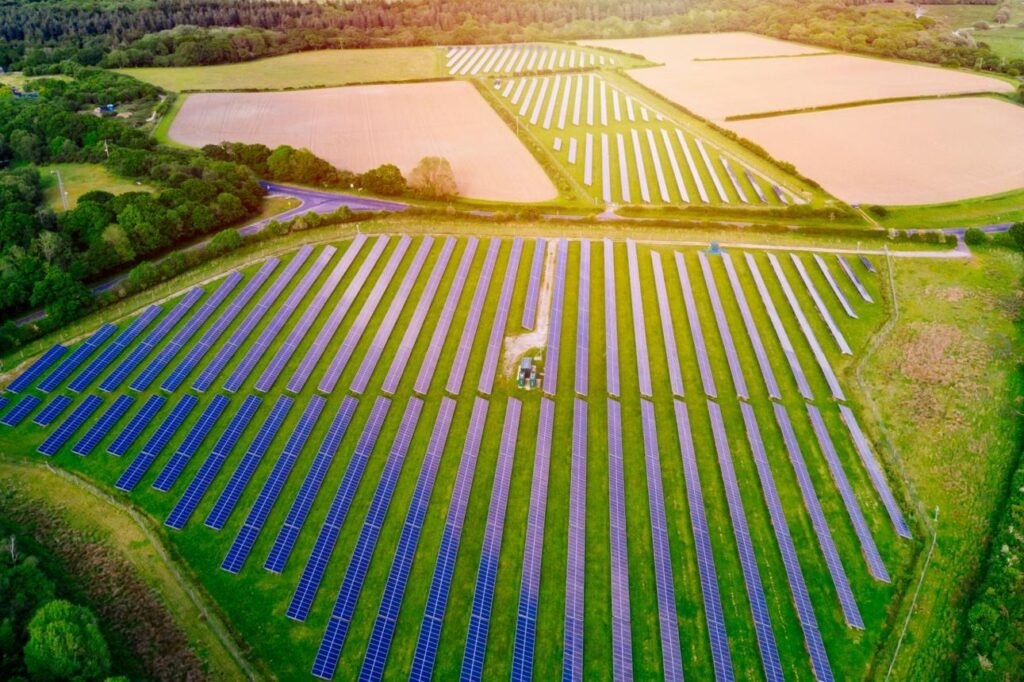
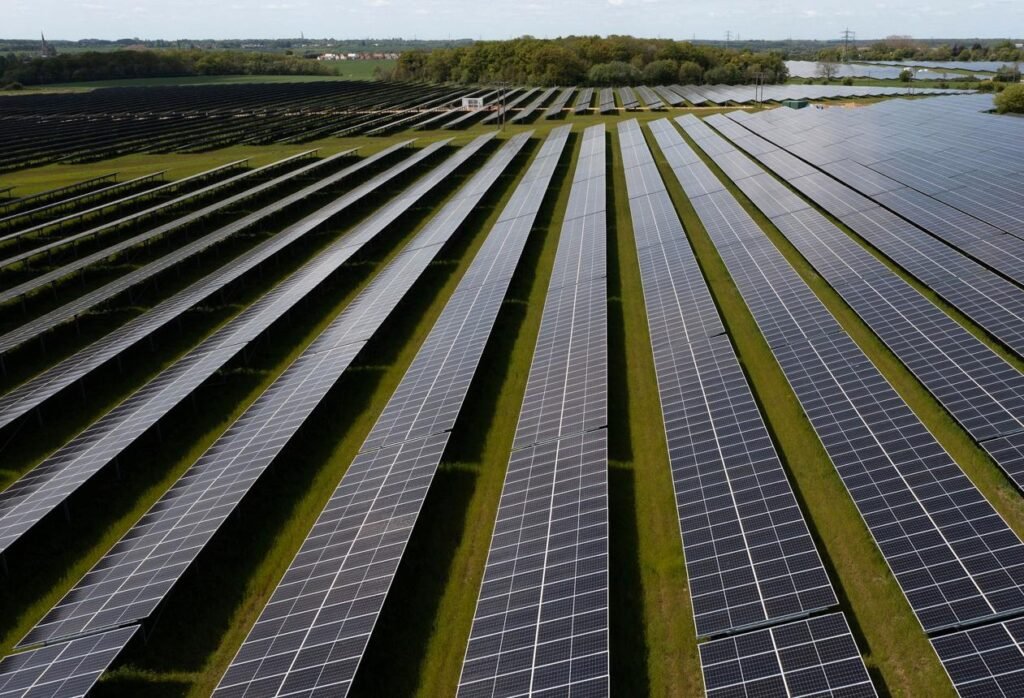
- Solar farms
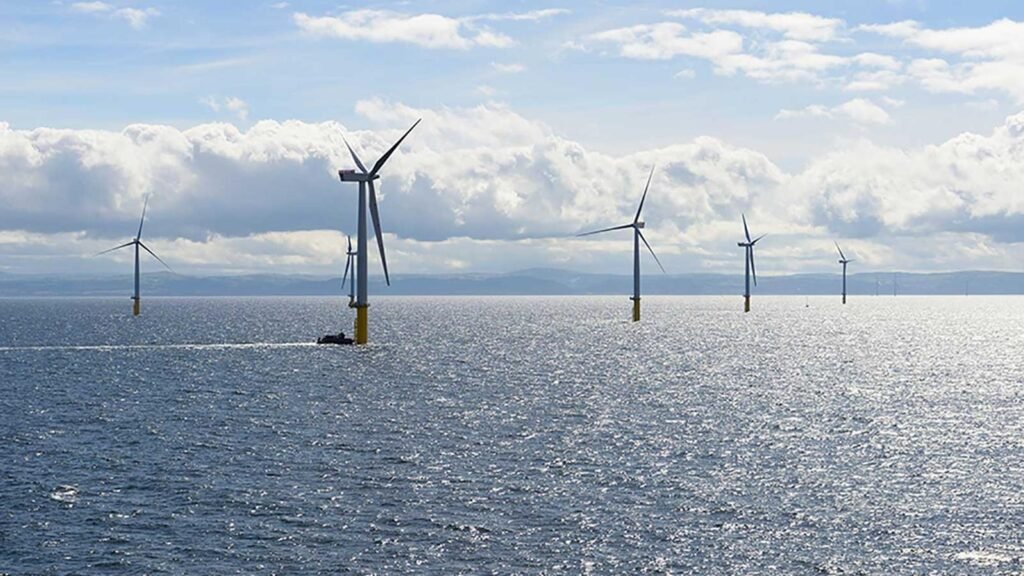
- Wind farms
- Hydrogen developments
- EV charging hubs
- Manufacturing facilities
AI arrives at a time when demand for grid connections is already rising.
Which Areas Are Most Likely To Need New Substations?

- Back-UPS BX provides guaranteed power and surge protection for desktop computers, wireless networks, gaming consoles and…
- 700 VA/390 Watts – Automatic Voltage Regulation (AVR)
- PowerShute shutdown software – USB Connector
Emerging AI Power Hubs
As discussed in Which UK Regions Are Becoming AI Power Hubs?, several regions are attracting data centre investment.
These include:
- West London
- Slough
- Berkshire
- Buckinghamshire
- Hertfordshire
- Manchester
- Leeds
- The Midlands
- Scotland’s Central Belt
Areas with strong fibre connectivity and available land are particularly attractive.
However, many already face electricity constraints.
The more AI projects that cluster together, the more pressure is placed on local substations.
Real-World Example: West London And Slough
Britain’s Largest Data Centre Cluster
The Slough and West London corridor has become one of Europe’s largest concentrations of data centres.
This region hosts facilities supporting:
- Cloud computing
- Financial services
- Internet infrastructure
- Artificial intelligence workloads
As demand grows, National Grid and distribution network operators have been forced to invest heavily in electricity infrastructure.
The challenge demonstrates exactly what could happen elsewhere as AI expands across Britain.
AI Is Not The Only Reason
Electrification Is Happening Everywhere
AI is only one part of the story.
Britain is simultaneously increasing electricity demand through:
- Electric vehicles
- Heat pumps
- Industrial electrification
- Battery storage
- Green hydrogen production
When all these trends combine, substations become increasingly important.
This is one reason why discussions about AI electricity demand are becoming linked to wider national energy planning.
Could Britain Build AI Faster Than The Grid?
Potential Bottlenecks
Many industry experts believe grid infrastructure could become one of the biggest barriers to AI expansion.
Building a data centre is often faster than delivering the electrical upgrades required to power it.
Potential delays include:
- Planning approval
- Environmental assessments
- Land acquisition
- Transformer procurement
- Skilled workforce shortages
Large transformers can sometimes have lead times measured in years rather than months.
This means substations may become a critical bottleneck.

Will Every AI Data Centre Need Its Own Substation?
Not Necessarily
Smaller facilities may connect to existing infrastructure.
However, larger AI campuses increasingly require:
- Dedicated substations
- Direct transmission connections
- On-site battery systems
- Backup generation
The bigger the facility, the greater the likelihood that substantial network upgrades will be required.
Some future AI campuses may effectively operate as major industrial energy users in their own right.
Could New Substations Affect Local Communities?
The Planning Debate
New substations often generate local debate.
Concerns can include:
- Land use
- Visual impact
- Construction disruption
- Environmental effects
Supporters argue they bring:
- Jobs
- Investment
- Improved grid resilience
- Economic growth
As AI infrastructure expands, these discussions are likely to become more common across the UK.

- Gigabit Wi-Fi for 8K Streaming – 5400 Mbps Wi-Fi for faster browsing, streamings, and downloading, all at the same time
- Wi-Fi 6 VPN Router– Equips with the top structure of 4T4R and HE160 on the 5 GHz band to enable a 4.8 Gbps ultra-fast co…
- Connect 100+ Devices– Supports MU-MIMO and OFDMA to reduce congestion and quadruple the average throughput
What Happens If Britain Does Not Build Enough Substations?
The Risks
Without sufficient grid upgrades, Britain could face:
- Delayed AI projects
- Slower economic growth
- Increased connection queues
- Higher infrastructure costs
- Reduced international competitiveness
Countries such as the United States are already investing heavily in AI-related power infrastructure.
If the UK wants to compete, electrical infrastructure will need to keep pace.
The Future Outlook
AI And Substations Will Become Closely Linked
Between now and 2035, AI growth is expected to drive substantial increases in electricity demand.
While power generation receives most of the headlines, substations may prove equally important.
The reality is straightforward.
An AI data centre cannot operate without electricity, and electricity cannot reach the facility without the infrastructure needed to deliver it.
That means substations, transformers and transmission networks are likely to become some of the most valuable and strategically important assets in Britain’s AI economy.
The future debate may not simply be “Where will AI data centres be built?”
It may increasingly become:
“Where is there enough substation capacity to power them?”
Reference Material and Research
- National Grid Grid Future Energy Scenarios
- National Energy System Operator Future Energy Scenarios
- Ofgem Electricity Network Investment Reports
- Energy Networks Association Network Capacity Studies
- International Energy Agency Electricity and Data Centre Research
- International Renewable Energy Agency Power Infrastructure Analysis
- Department for Energy Security and Net Zero Electricity Network Strategy Documents
- UK Power Networks Regional Capacity Planning Studies
AcrossAI Verdict: AI itself does not automatically require thousands of new substations. However, the scale of planned AI data centre development means that significant substation expansion and upgrades across key UK regions are becoming increasingly likely. In many cases, the availability of electrical infrastructure may determine where Britain’s AI industry can grow, rather than the availability of land or buildings.