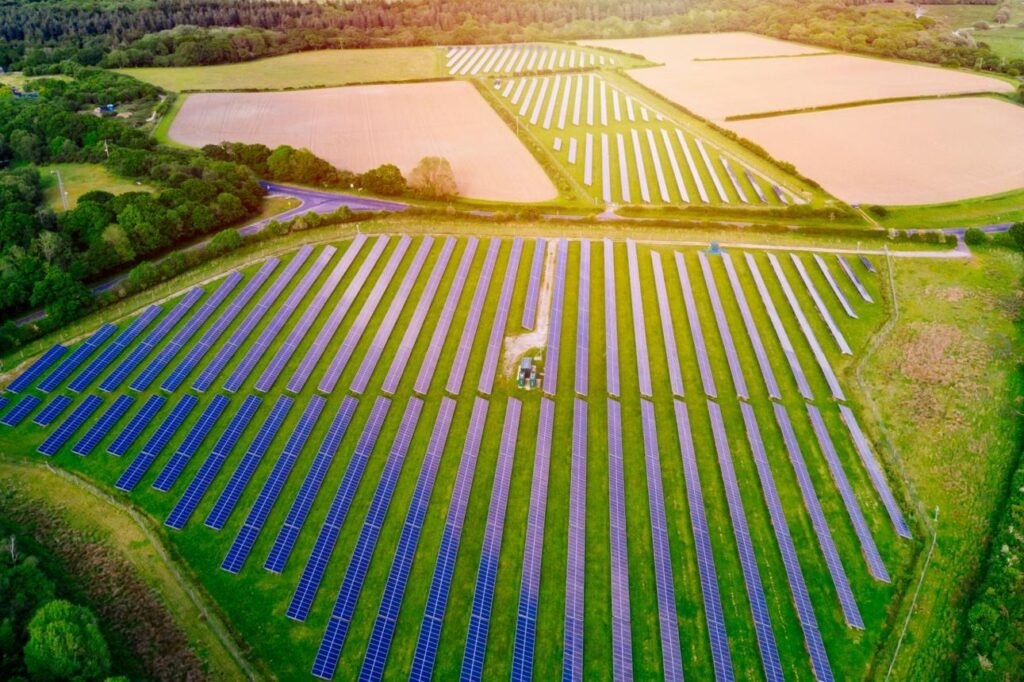
Renewable energy is often presented as a simple equation: build more wind farms, install more solar panels and carbon emissions fall.
Reality is messier.
One of the biggest challenges facing renewable energy is not generation but waste. Across Britain, Europe and many other parts of the world, renewable electricity is frequently produced when demand is too low or when electricity networks cannot transport it where it is needed.
The result is a growing problem known as curtailment. Renewable generators are sometimes paid to stop producing electricity even when the wind is blowing and the sun is shining.
Artificial intelligence could become one of the most important tools for reducing this waste.
Rather than simply generating more power, AI may help ensure existing renewable energy is used more efficiently.
What Is Renewable Energy Waste?
Renewable energy waste occurs whenever clean electricity could be generated but cannot be used.
This can happen because:
- Electricity demand is too low
- Grid capacity is limited
- Energy storage is insufficient
- Transmission lines are congested
- Supply exceeds local demand
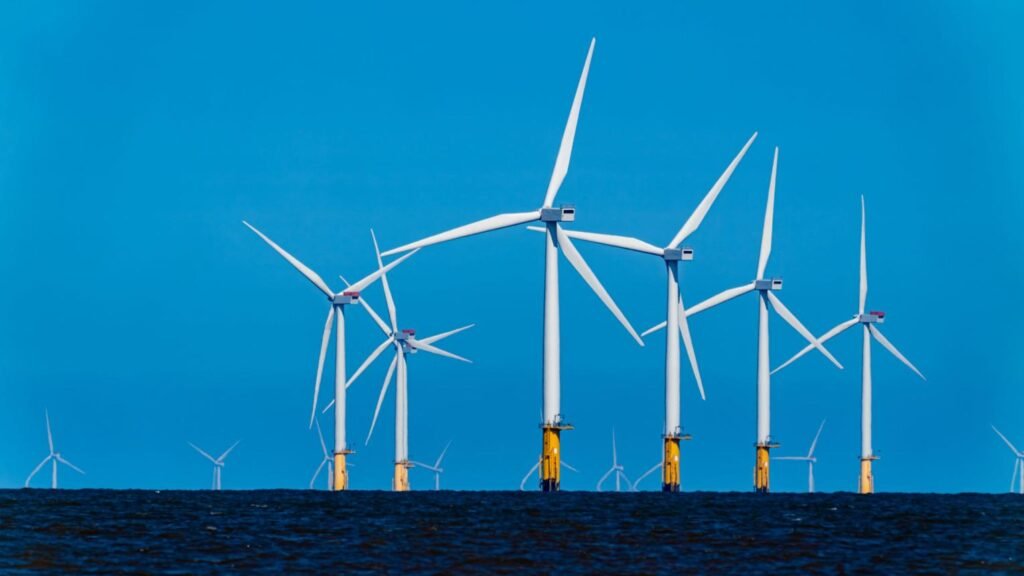
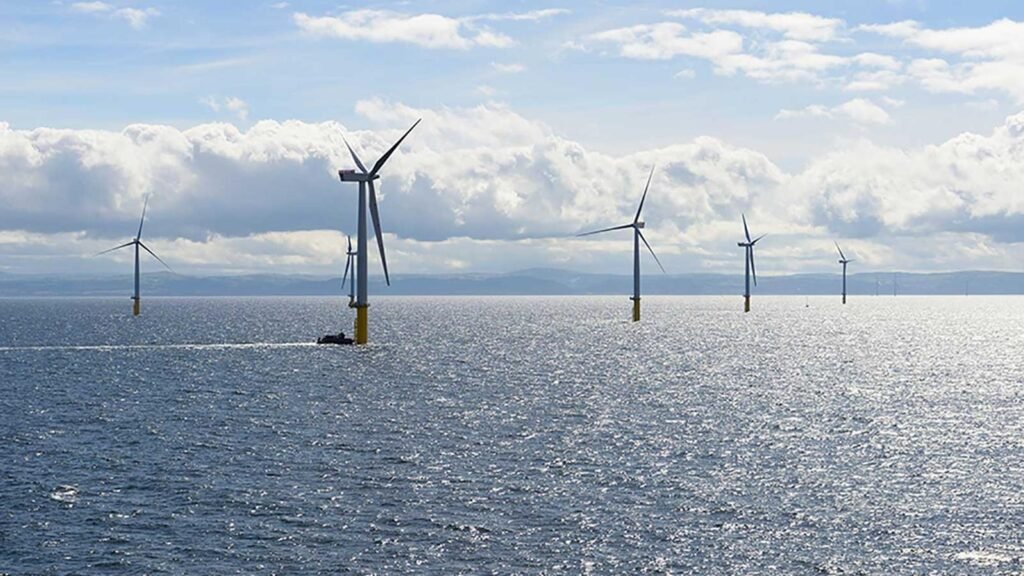
In Britain, wind farms are occasionally instructed to reduce output because the electricity network cannot move power efficiently from generation sites to consumers.
This means clean electricity is effectively discarded.
Consumers ultimately help fund these costs through electricity bills.
The Growing Cost Of Curtailment
- Full control over your heating with the tado° app from anywhere, reduce your energy consumption and save money with the …
- Heating Boost: heat up all rooms for 30 minutes with one click in the app
- Smart Schedules for the perfect temperature individually in each room, at any time; only active when someone’s home; can…
Wind Farms Being Paid Not To Generate
The UK has experienced rising curtailment costs as renewable generation expands.
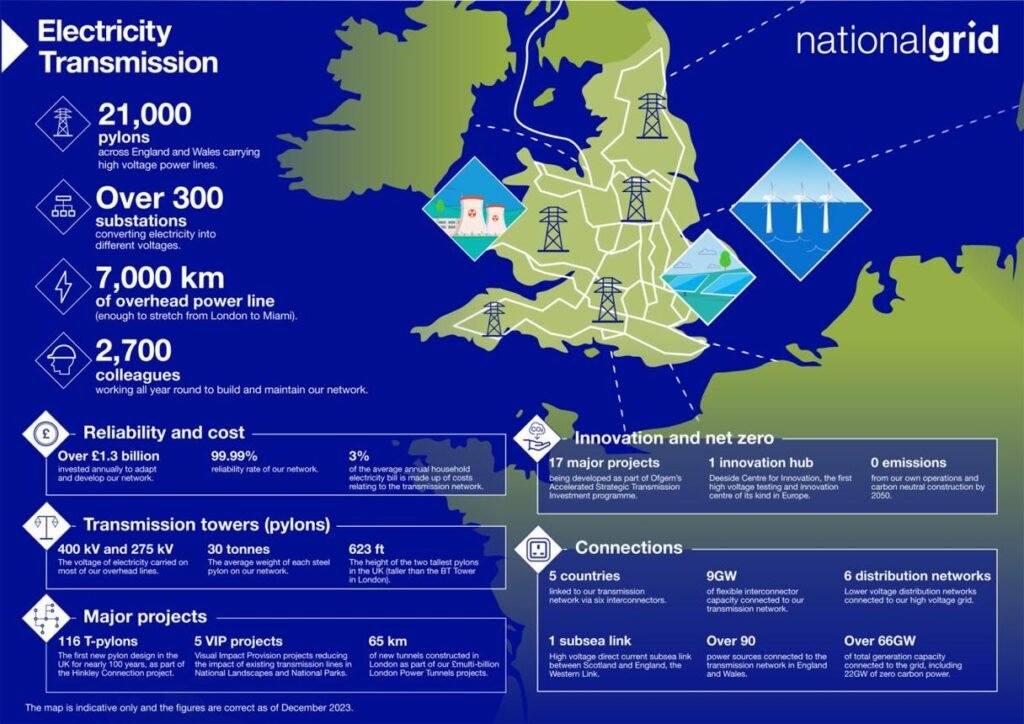
Many of Britain’s largest wind farms are located in Scotland, while major demand centres are concentrated in England.
When transmission networks become constrained, renewable generators can receive compensation payments to reduce output.
The situation creates an unusual outcome:
- Renewable electricity exists
- Demand exists elsewhere
- Infrastructure limitations prevent efficient delivery
The challenge is expected to grow as renewable deployment accelerates.
Why Traditional Grid Management Struggles
Electricity systems have historically been managed using forecasting models and human operators.
While effective for conventional power stations, renewable energy introduces new complexities.
Wind speeds change rapidly.
Cloud cover affects solar generation.
Consumer demand fluctuates throughout the day.
Electric vehicle charging creates new demand patterns.
Heat pumps alter seasonal electricity requirements.
Managing these variables manually becomes increasingly difficult.
This is where AI enters the picture.

How AI Could Reduce Renewable Energy Waste
Better Demand Forecasting
One of AI’s greatest strengths is prediction.
Machine learning systems can analyse:
- Weather forecasts
- Historical consumption patterns
- Economic activity
- Seasonal trends
- Real-time grid data
This allows grid operators to predict demand far more accurately.
Knowing where electricity will be needed enables networks to prepare resources more efficiently and reduce unnecessary renewable curtailment.
Improved Renewable Generation Forecasting
Modern AI systems can predict solar and wind output with increasing precision.
Rather than relying solely on weather forecasts, AI combines:
- Satellite imagery
- Historical weather data
- Local environmental conditions
- Live operational data
This helps operators balance supply and demand more effectively.
Fewer surprises mean less wasted renewable energy.
AI-Powered Smart Grids
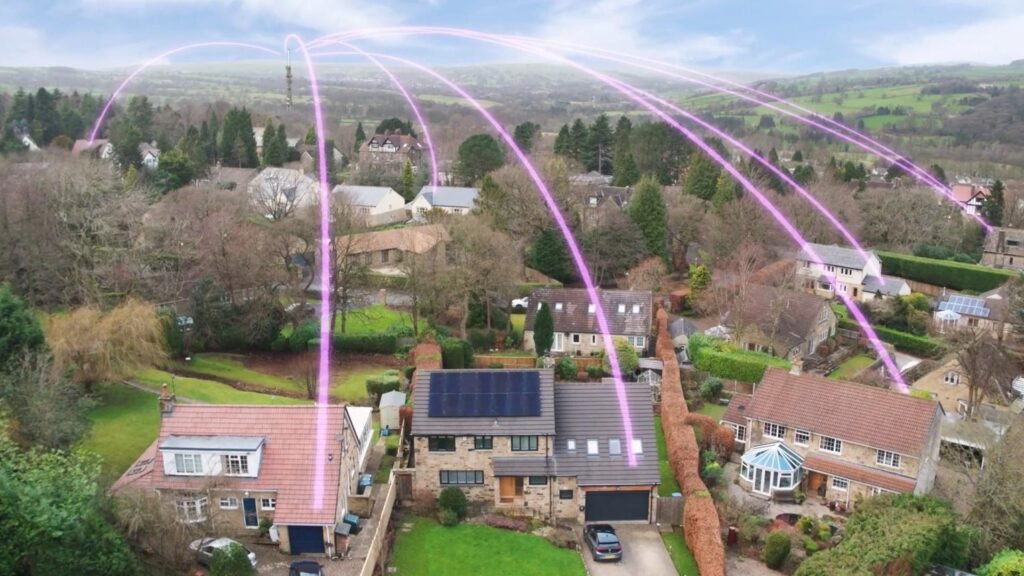
A major reason experts are enthusiastic about AI is its potential role in smart grids.
As discussed in Could AI Accelerate Smart Grid Deployment? and What Is a Smart Grid and Why Does AI Need One?, smart grids use digital technology to balance electricity flows automatically.
AI can:
- Identify bottlenecks
- Predict network congestion
- Redirect power flows
- Manage flexible demand
- Optimise energy distribution
Instead of reacting to problems after they occur, AI helps prevent them.
Real-Time Decision Making
Traditional systems often rely on scheduled operations.
AI can make decisions in seconds.
For example:
- Increasing battery charging during renewable surpluses
- Delaying industrial demand temporarily
- Adjusting EV charging schedules
- Activating local storage resources
This enables more renewable electricity to remain within the system.
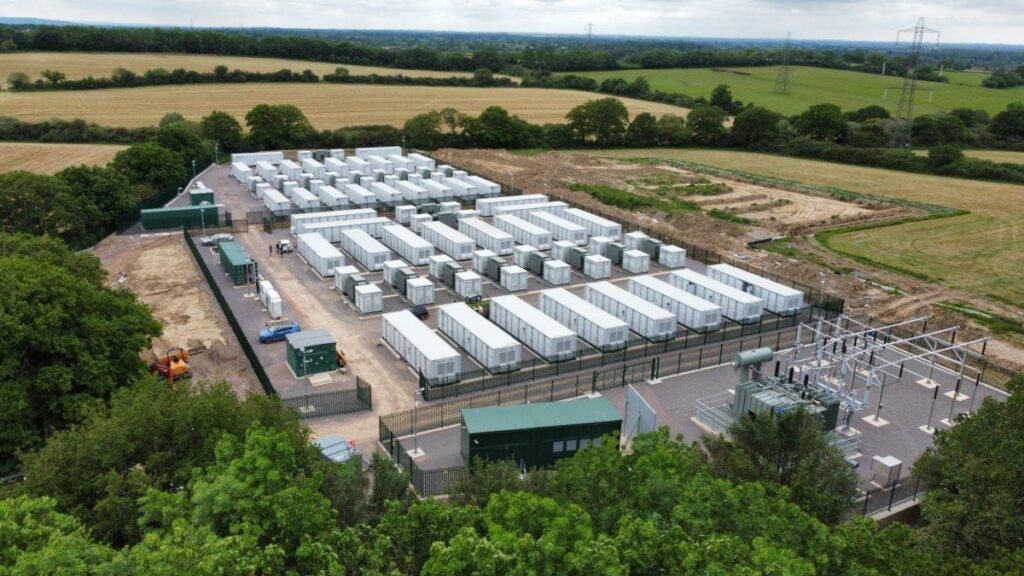
AI And Battery Storage
Battery storage is becoming a critical part of renewable energy systems.
However, batteries are only effective if charged and discharged at the right times.
AI can optimise storage operations by determining:
- When to charge
- When to discharge
- Where energy is needed most
- Which batteries provide maximum value
Companies worldwide are already deploying AI-driven battery management systems to improve efficiency.

Electric Vehicles Could Become Part Of The Solution
Millions of electric vehicles represent an enormous untapped energy resource.
AI systems could coordinate vehicle charging to absorb excess renewable generation.
For example:
- Wind output rises overnight
- Electricity demand falls
- AI signals vehicles to charge
- Renewable electricity is consumed rather than wasted
Future vehicle-to-grid systems could even return electricity back to the grid when required.
This creates a flexible energy ecosystem that reduces renewable waste.
AI Could Improve Transmission Network Efficiency
Transmission constraints remain one of the biggest causes of renewable curtailment.
AI can help network operators identify:
- Emerging bottlenecks
- Equipment failures
- Maintenance requirements
- Capacity optimisation opportunities
While AI cannot magically create new transmission lines, it can help existing infrastructure operate more efficiently.
This links directly to the infrastructure challenges discussed in How Much Grid Investment Will AI Require? and Will More Substations Be Needed for AI?
Real-World Examples Already Emerging
National Grid Initiatives
Across Europe and the UK, electricity network operators are increasingly experimenting with AI-assisted forecasting and network optimisation.
These systems analyse millions of data points every day.
Their objective is simple:
Move more renewable electricity through existing infrastructure while maintaining reliability.
Google And DeepMind
Google’s DeepMind famously developed AI systems that improved forecasting for wind power generation.
More accurate forecasts allowed renewable output to be integrated more effectively into electricity markets and grid operations.
The project demonstrated how machine learning can create tangible improvements in renewable energy efficiency.

- Installs in circuit panel of most small businesses with clamp-on sensors. Supports Single phase, Single-split phase, and…
- 24/7 Energy Management and Monitoring: Automate and monitor your business’ real power anywhere, anytime to prevent costl…
- Lower Your Electric Bill: Configure settings in the Emporia Energy App to automate energy management for time of use, pe…
Could AI Eliminate Renewable Waste Completely?
No.
Some physical limitations remain unavoidable.
Challenges include:
- Insufficient transmission capacity
- Lack of storage infrastructure
- Extreme weather events
- Rapid demand changes
- Grid connection delays
AI cannot replace substations, transmission lines or battery installations.
Infrastructure investment remains essential.
However, AI can ensure existing assets perform much closer to their maximum potential.
The Future Of AI And Renewable Energy
As renewable generation expands, the value of every megawatt-hour increases.
Britain’s renewable energy ambitions depend not only on producing clean electricity but also on using it efficiently.
AI is likely to become a central component of future energy systems because it helps solve a fundamental problem: matching supply and demand in real time.
The combination of AI, smart grids, battery storage, electric vehicles and improved forecasting could significantly reduce renewable energy waste over the next decade.
The future described in The Future of UK AI Electricity Demand 2026-2035 is not simply about AI consuming more electricity. It is also about AI helping the energy system waste less of the clean electricity it already generates.
In an industry where billions of pounds are being spent on new renewable generation, reducing waste by even a few percentage points could save enormous sums of money, lower emissions and improve energy security.
For once, AI may not just be consuming vast amounts of electricity. It might actually help stop us throwing so much of it away. A surprisingly sensible outcome from a technology sector that occasionally behaves like it has discovered electricity for the first time.