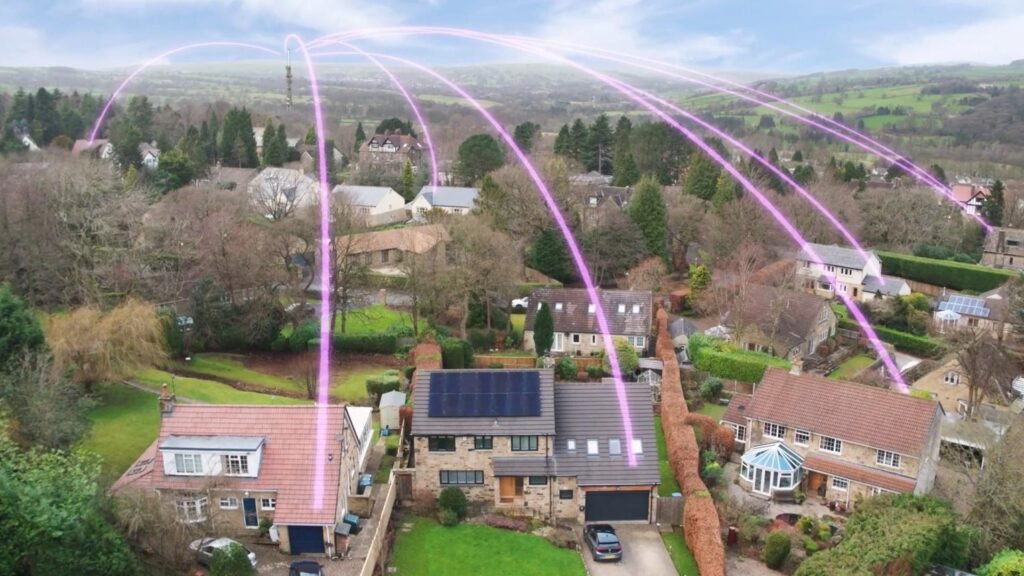
Smart grids have been discussed for decades, yet many electricity networks still operate using technology and planning methods that would look familiar to engineers from the late twentieth century.
The challenge facing modern grids is simple: electricity demand is becoming more unpredictable. Electric vehicles, heat pumps, renewable generation, battery storage and AI data centres are all adding complexity to systems originally designed around predictable power stations and predictable consumer demand.
AI could become one of the most important technologies helping grid operators manage this transition.
What Is A Smart Grid?
A smart grid uses digital technology to monitor, predict and manage electricity flows across the network.
Unlike traditional electricity systems, smart grids can:
- Monitor energy consumption in near real time
- Automatically balance supply and demand
- Detect faults more quickly
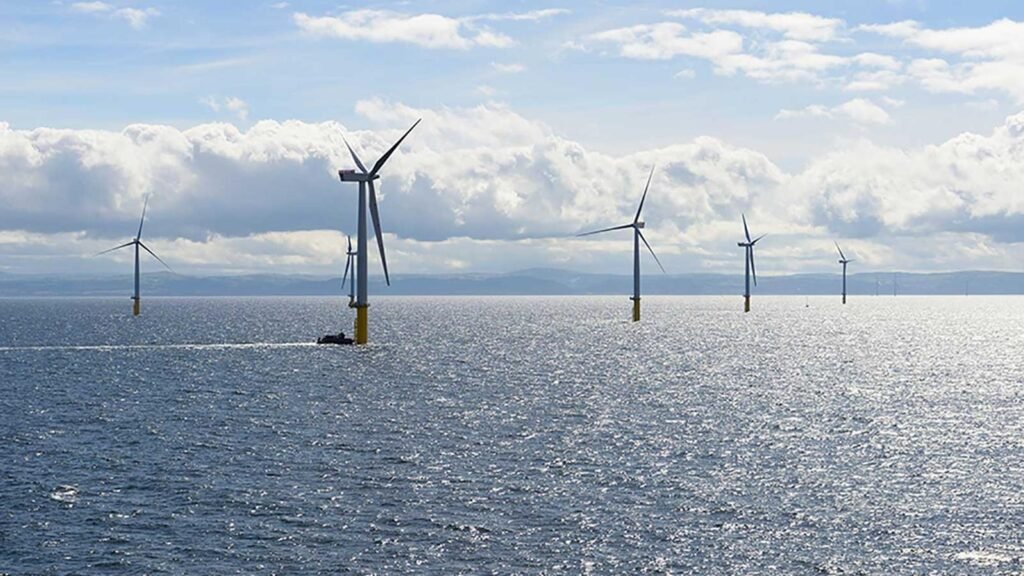
- Integrate renewable energy sources
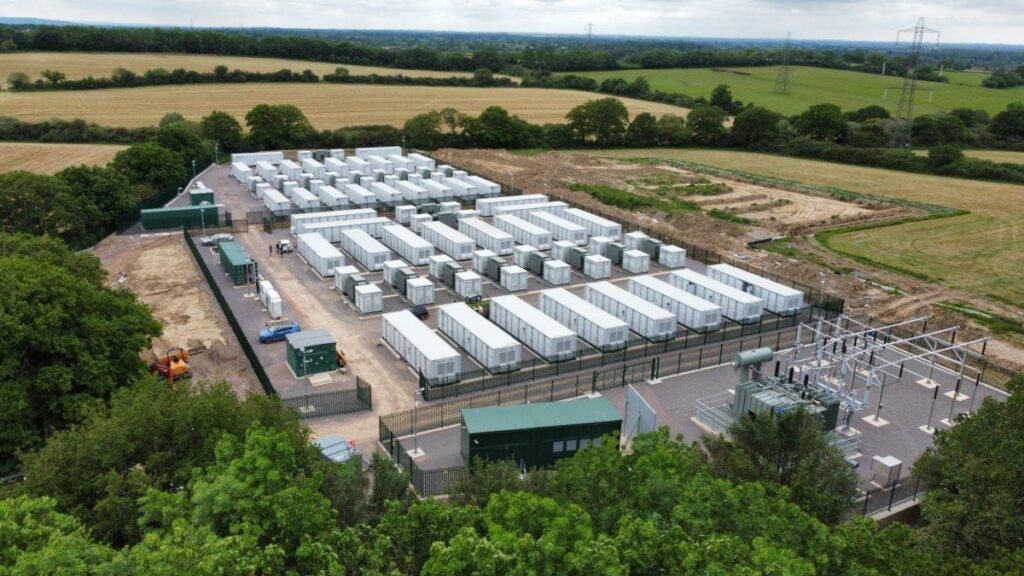
- Support battery storage systems
- Manage electric vehicle charging
- Reduce electricity waste
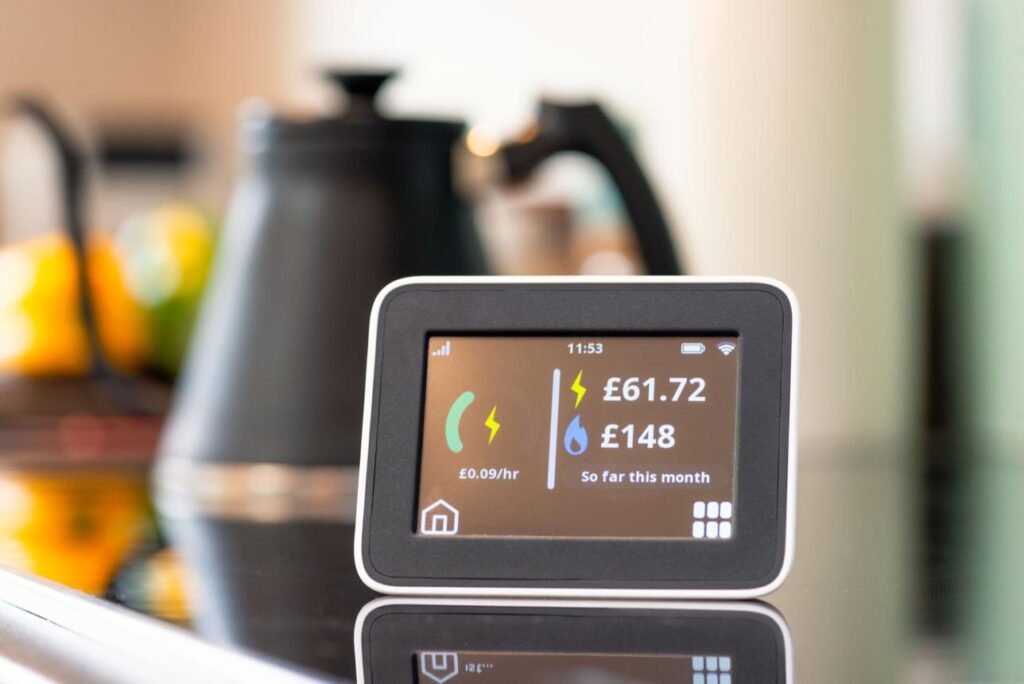
The UK’s electricity network is already becoming smarter through smart meter deployment, digital substations and advanced network management systems.
AI could significantly accelerate this process.
Why Traditional Grids Are Struggling
Growing Electricity Demand
Historically, electricity demand followed relatively predictable patterns.
Today, network operators must manage:
- Millions of smart devices
- Rapid EV adoption
- Heat pump growth
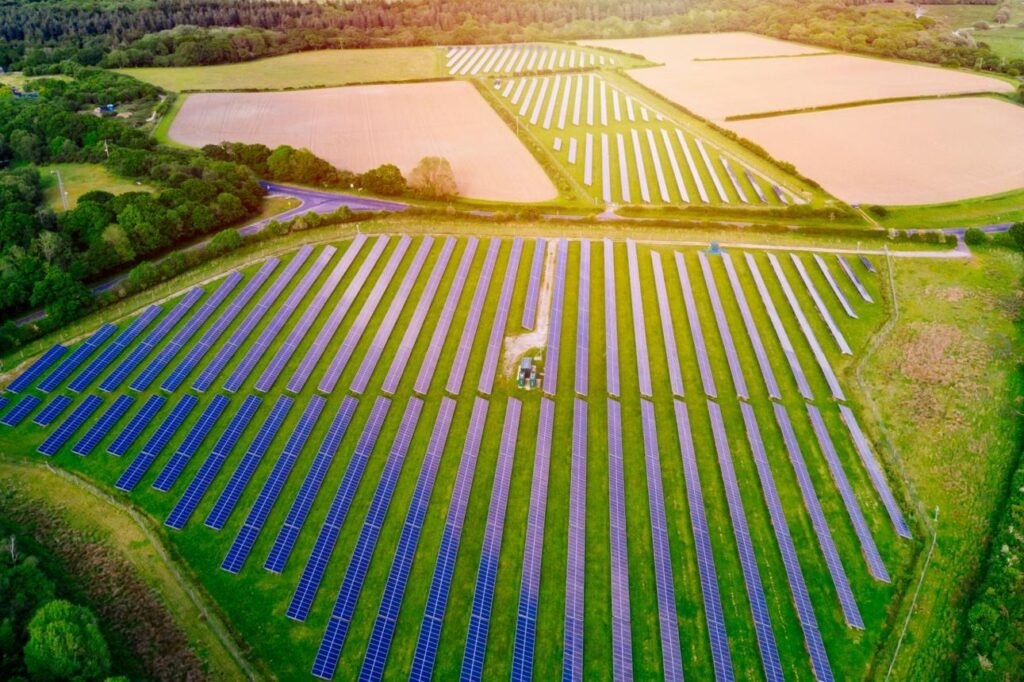
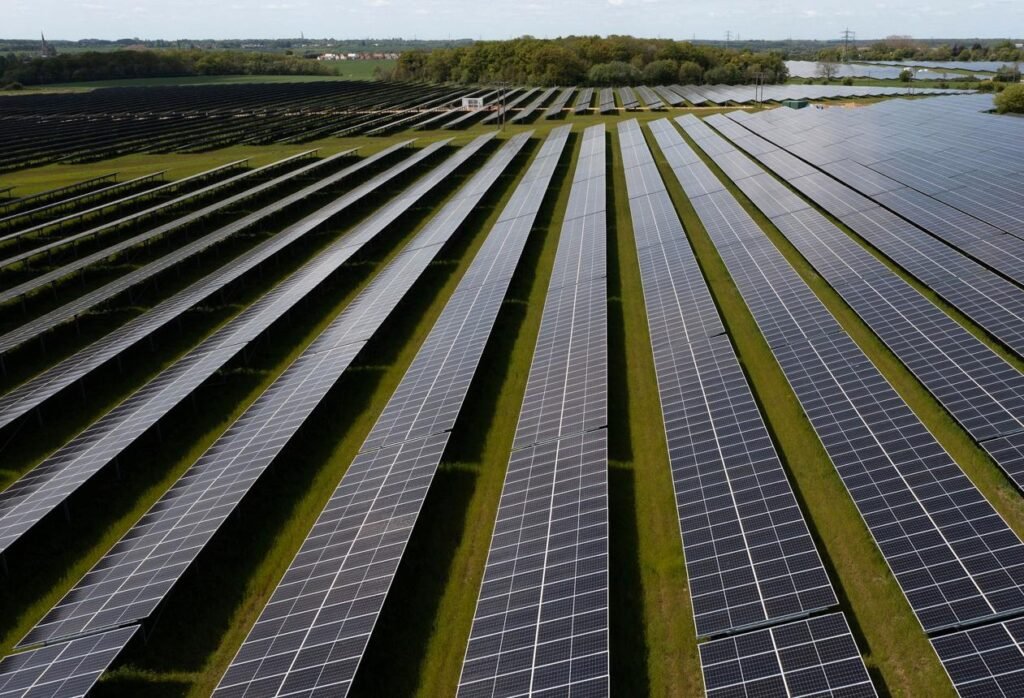
- Solar generation variability
- Battery storage systems
- Increasing AI data centre loads
The article discussing Could AI Become the UK’s Largest Industrial Electricity User? explores how rapidly expanding AI infrastructure may transform electricity demand patterns across Britain.

- Back-UPS BX provides guaranteed power and surge protection for desktop computers, wireless networks, gaming consoles and…
- 700 VA/390 Watts – Automatic Voltage Regulation (AVR)
- PowerShute shutdown software – USB Connector
Renewable Energy Creates New Challenges
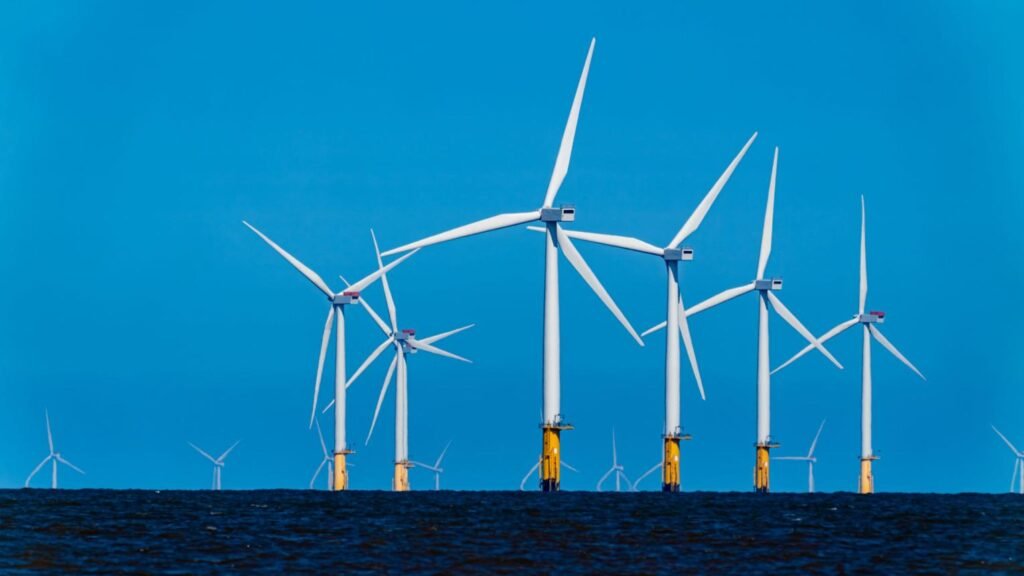
Wind and solar generation are variable by nature.
Grid operators must constantly balance:
- Electricity production
- Electricity consumption
- Weather conditions
- Network constraints
- Reserve capacity
Human operators supported by conventional software can manage much of this complexity, but AI systems can process far larger quantities of data much faster.
How AI Can Improve Smart Grids
Demand Forecasting
One of AI’s strongest capabilities is forecasting.
Machine learning systems can analyse:
- Historical consumption
- Weather forecasts
- Economic activity
- Traffic patterns
- EV charging behaviour
- Consumer habits
This allows utilities to predict electricity demand with greater accuracy.
The result is:
- Lower operating costs
- Improved reliability
- Reduced waste
- Better infrastructure planning
Renewable Energy Forecasting
Wind and solar output can fluctuate dramatically.
AI models can combine:
- Satellite imagery
- Weather forecasts
- Historical generation data
- Atmospheric conditions
To predict renewable output hours or even days ahead.
This helps operators schedule backup generation more efficiently.
Fault Detection
Smart grids generate enormous amounts of data.
AI systems can continuously monitor:
- Voltage levels
- Current flows
- Transformer performance
- Substation equipment
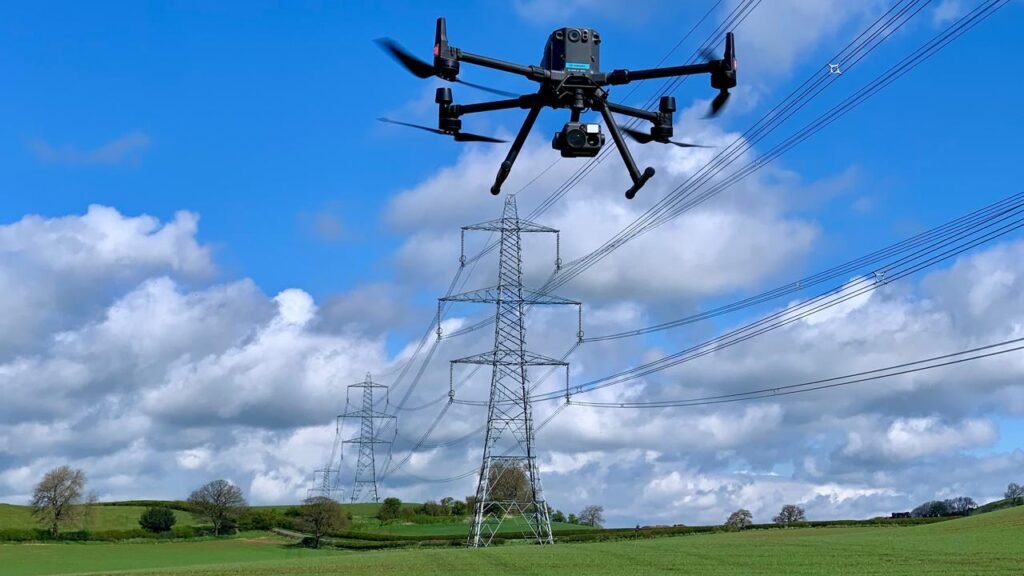
- Distribution assets
Abnormal patterns can be detected long before human operators would identify a problem.
This enables predictive maintenance instead of reactive repairs.

Faster Outage Response
When power outages occur, AI can:
- Identify affected areas
- Locate likely fault points
- Prioritise repair crews
- Predict restoration times
Utilities in several countries already use AI-driven outage management systems to improve recovery times.
Real-World Examples Of AI Supporting Smart Grids
National Grid
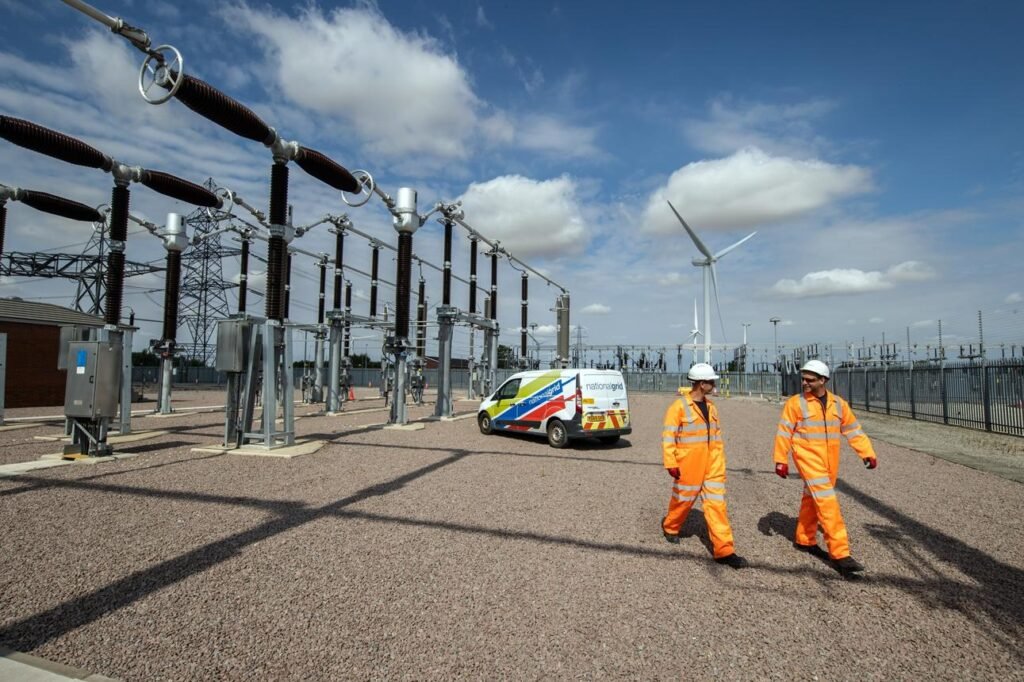
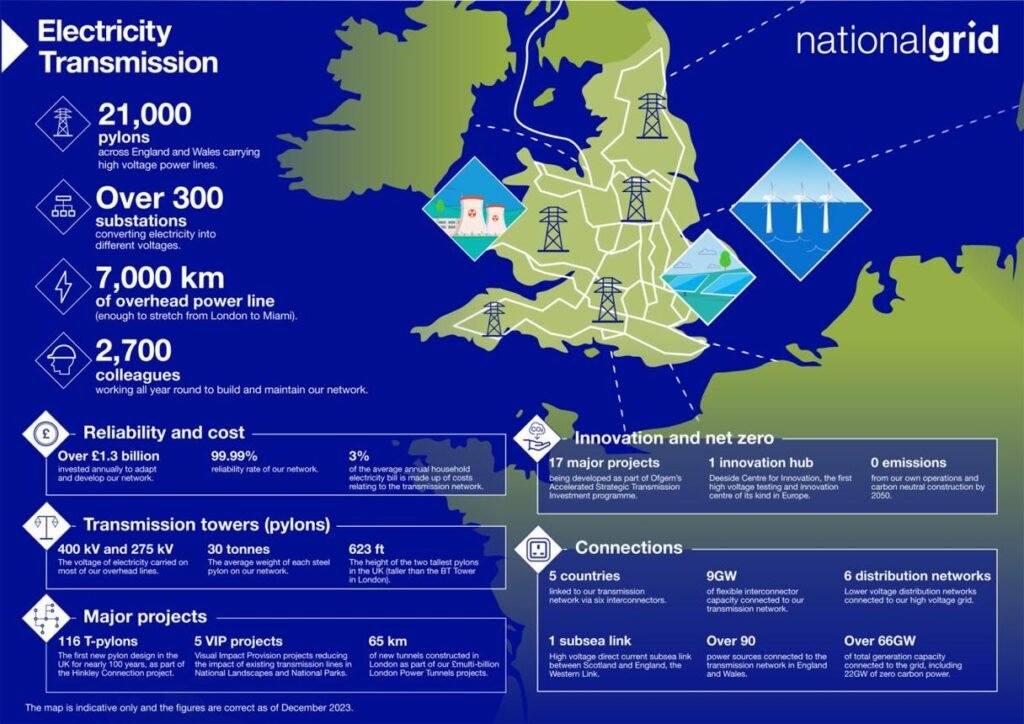
National Grid has invested heavily in digital technologies and advanced forecasting systems to support Britain’s evolving electricity network.
The organisation increasingly relies on data analytics and automation to balance growing renewable generation and changing demand patterns.
Google DeepMind
Google DeepMind has demonstrated AI systems capable of improving energy efficiency within data centres.
The same predictive technologies can be adapted for wider grid management applications.
IBM Smart Grid Projects
IBM has worked with utilities worldwide on AI-driven forecasting, asset management and grid optimisation programmes.
Many of these systems focus on improving reliability while reducing operational costs.
China’s State Grid
State Grid Corporation of China has deployed extensive AI-supported monitoring systems across one of the world’s largest electricity networks.
These technologies help manage increasingly complex power flows across vast regions.
Could AI Reduce The Need For New Infrastructure?
Not entirely.
This is one of the most misunderstood areas of the AI-energy debate.
AI can improve efficiency, but it cannot create electricity or transmission capacity from thin air. Humans remain remarkably committed to using every efficiency gain to plug in something else.
AI may help:
- Delay infrastructure upgrades
- Improve asset utilisation
- Reduce network congestion
- Lower operating costs
However, growing demand from AI data centres, EVs and electrification means Britain will still require:
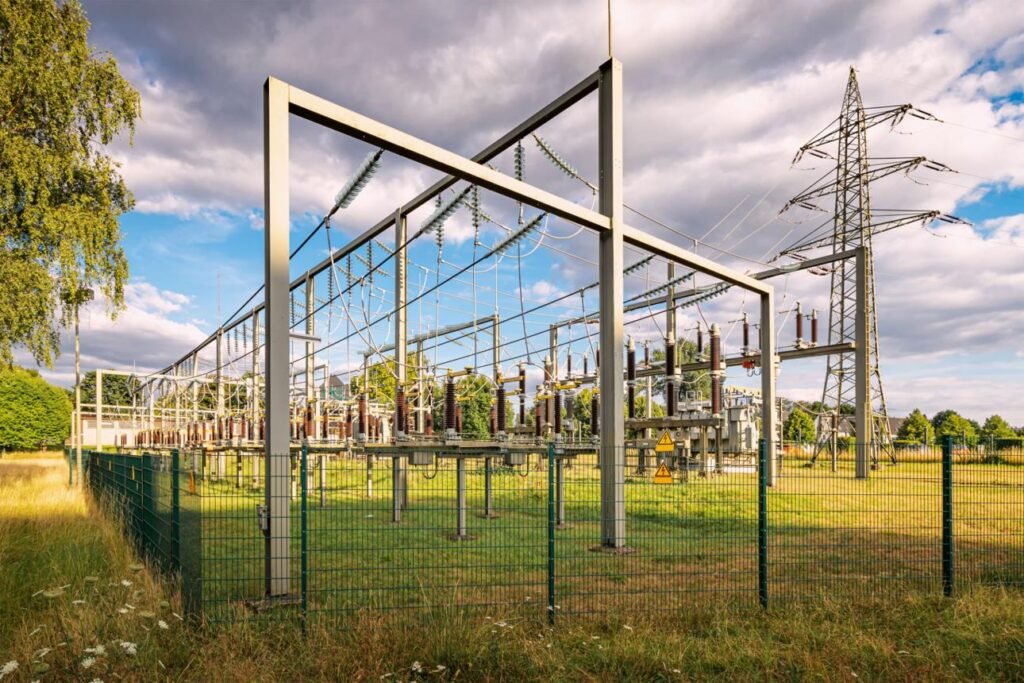
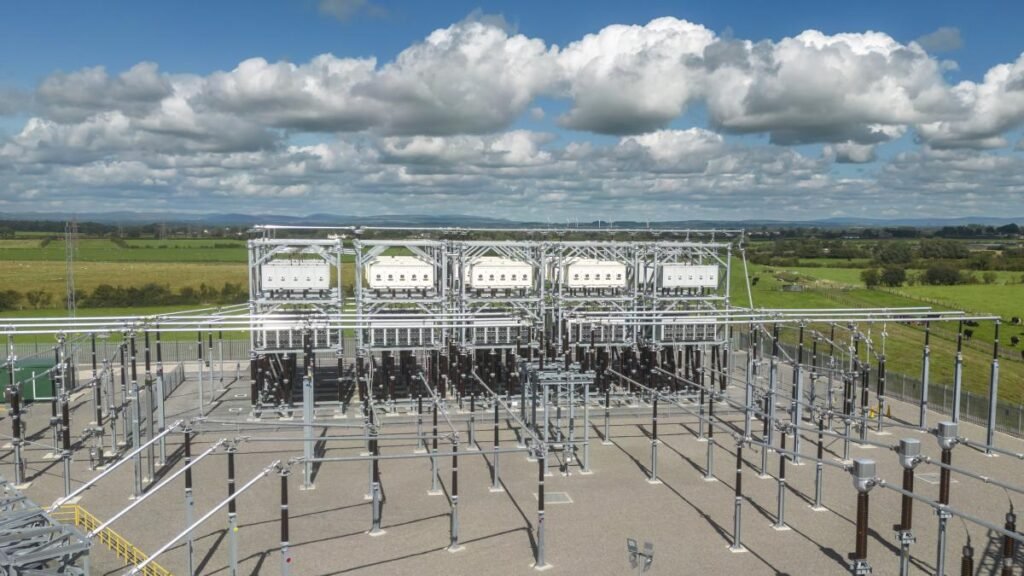
- New substations
- Additional transmission lines
- More renewable generation
- Energy storage systems
- Flexible demand programmes
The article Could AI Cause Regional Electricity Shortages? examines how infrastructure limitations may emerge despite advances in grid technology.
AI And Smart Meter Data
Unlocking Consumer Flexibility
Smart meters generate huge amounts of information.
AI systems can analyse this data to identify:
- Peak consumption periods
- Energy-saving opportunities
- Demand response potential
- EV charging optimisation
Consumers could eventually benefit through:
- Lower energy bills
- Automated tariff switching
- Smarter appliance scheduling
- Reduced peak pricing exposure
Potential Concerns
Greater data collection also raises concerns around:
- Privacy
- Cyber security
- Data ownership
- Consumer consent
As smart grids become increasingly intelligent, regulators will face pressure to ensure consumer protections remain strong.
How AI Could Accelerate UK Smart Grid Deployment
Better Investment Decisions
Utilities often struggle to determine where infrastructure upgrades should occur first.
AI can identify:
- Future bottlenecks
- Growth hotspots
- Capacity risks
- Emerging demand clusters
This enables more targeted investment.
The rise of Which UK Regions Are Becoming AI Power Hubs? highlights why predictive planning is becoming increasingly important.
Faster Planning Processes
AI can analyse thousands of scenarios much faster than traditional planning tools.
This could reduce the time required for:
- Network modelling
- Capacity forecasting
- Asset planning
- Investment prioritisation
Improved Grid Automation
Many future smart grid functions may become largely autonomous.
AI systems could automatically:
- Balance local networks
- Control battery systems
- Optimise EV charging
- Manage distributed generation
Human oversight would remain essential, but routine operational decisions could increasingly be automated.

Could AI Create New Risks For Smart Grids?
Cyber Security Threats
More automation creates larger attack surfaces.
AI-enabled grids will require:
- Strong authentication
- Network segmentation
- Continuous monitoring
- Incident response planning
A successful cyber attack against highly automated infrastructure could have serious consequences.
Over-Reliance On Algorithms
Utilities must avoid becoming overly dependent on AI decision-making.
Unexpected situations may arise that historical training data has never encountered.
Human expertise will remain essential for major operational decisions.
The Future Of AI-Powered Smart Grids
Between 2026 and 2035, Britain is expected to experience significant growth in:
- AI infrastructure
- Data centres
- Electric vehicles
- Renewable generation
- Battery storage
- Heat pump deployment
Managing this increasingly complex energy ecosystem without advanced AI systems would become progressively more difficult.
AI will not replace engineers, network operators or infrastructure investment. What it can do is help those assets operate more efficiently, more reliably and more intelligently.
The most likely outcome is not an AI-controlled electricity system. It is a human-managed smart grid supported by AI tools that continuously analyse millions of data points and recommend optimal actions.
In that sense, AI is unlikely to replace the smart grid revolution. It may become the technology that finally makes it happen at scale.
References and Research
- National Grid Future Energy Scenarios
- International Energy Agency – Electricity Grids and Secure Energy Transitions
- International Energy Agency – Digitalisation and Energy
- Ofgem Smart Systems and Flexibility Plan
- UK Government Energy Digitalisation Strategy
- IBM Smart Grids Overview
- Google DeepMind Energy Efficiency Research