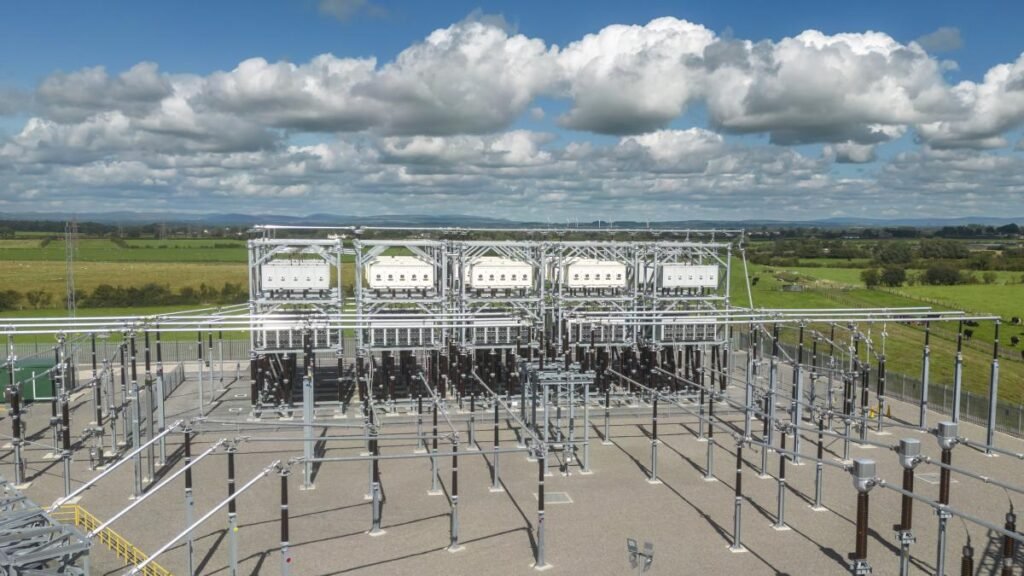
The Simple Definition
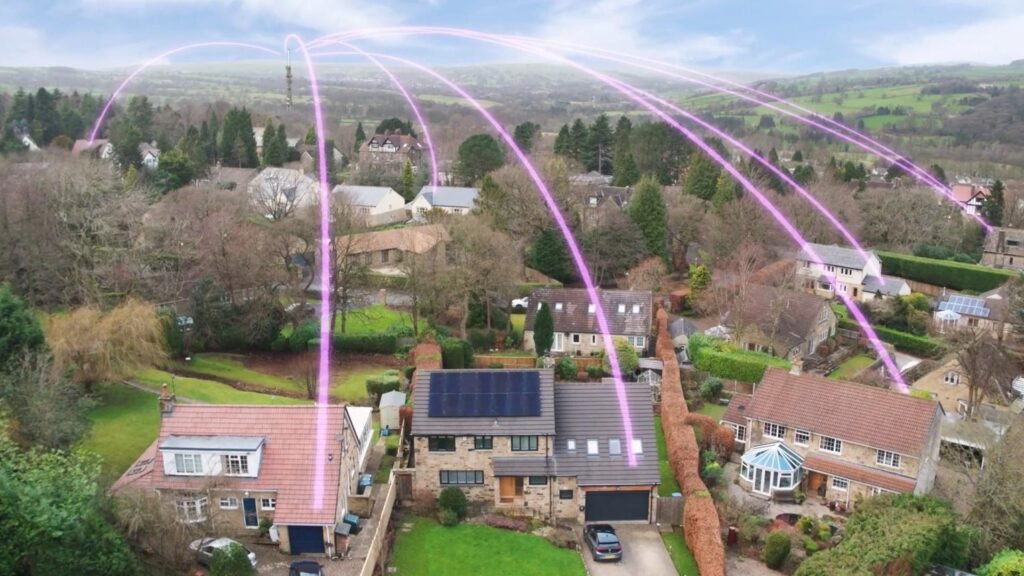
A smart grid is an electricity network that uses digital technology, sensors, communications systems and automation to monitor and manage electricity flows in real time.
Traditional electricity grids were designed around a simple principle:
- Large power stations generated electricity
- Electricity flowed in one direction
- Homes and businesses consumed it
A smart grid is different.
It constantly measures electricity demand, generation, grid conditions and network capacity, then automatically adjusts the system to keep electricity flowing efficiently and reliably.
Think of a traditional grid as a road network with no traffic lights, cameras or navigation systems.
A smart grid is the equivalent of a modern transport network with:
- Real-time traffic monitoring
- Intelligent traffic lights
- GPS navigation
- Congestion management
- Automated incident response
The same principle now applies to electricity.
Why Traditional Grids Are Becoming Outdated
For most of the twentieth century, electricity demand was predictable.
Utilities could estimate:
- Morning demand
- Evening demand
- Seasonal peaks
- Industrial consumption
Power flowed from coal, gas or nuclear stations directly to consumers.
That model is disappearing.
Today’s grid must handle:
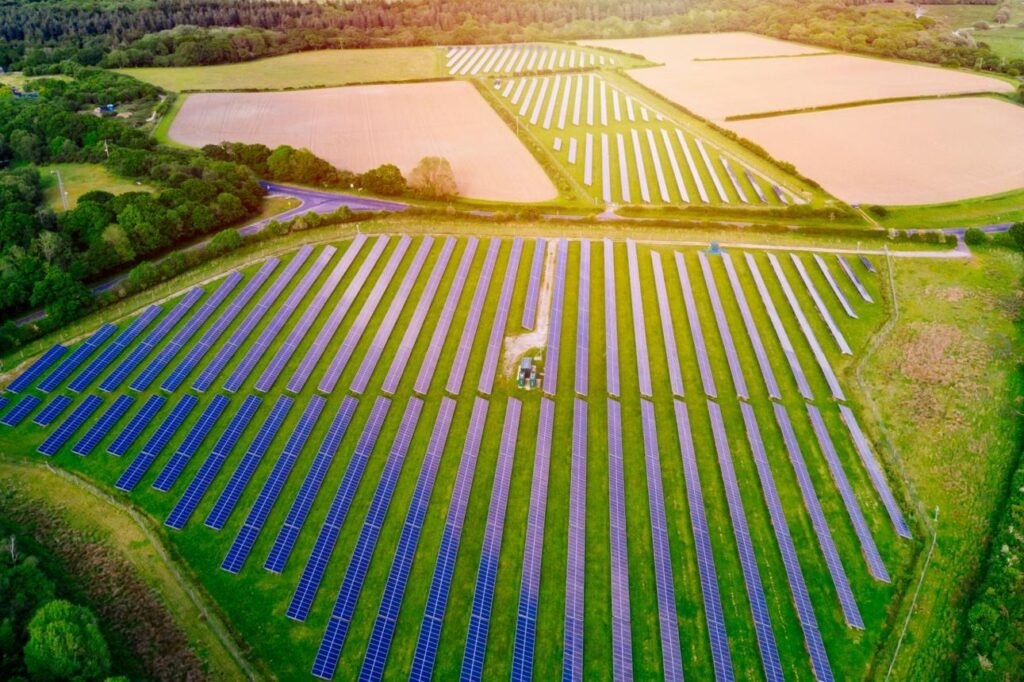
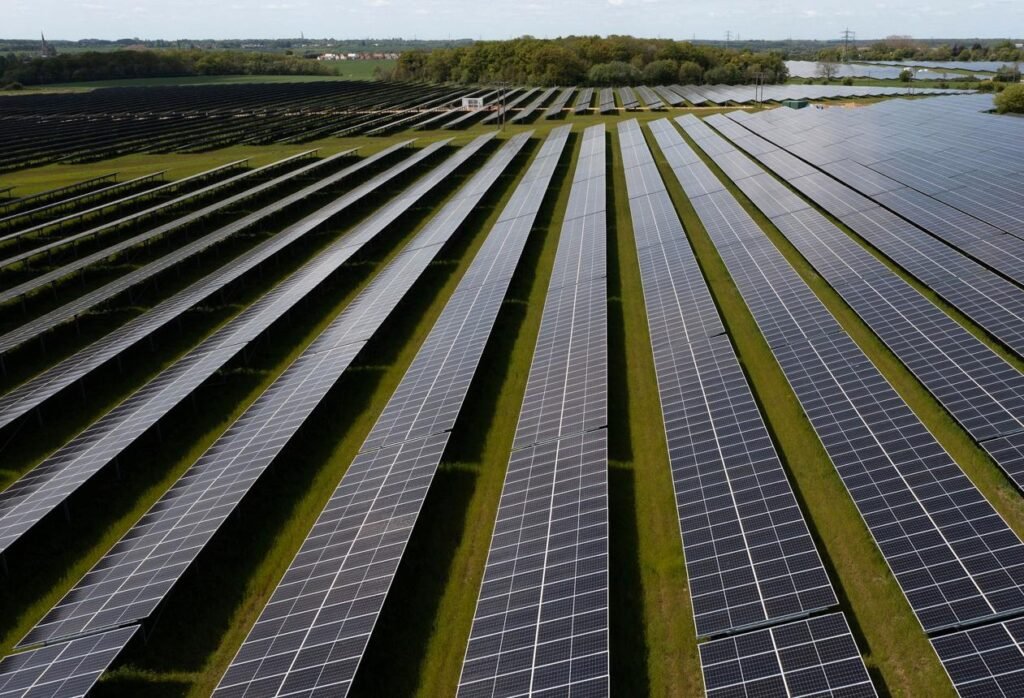
- Solar panels on homes
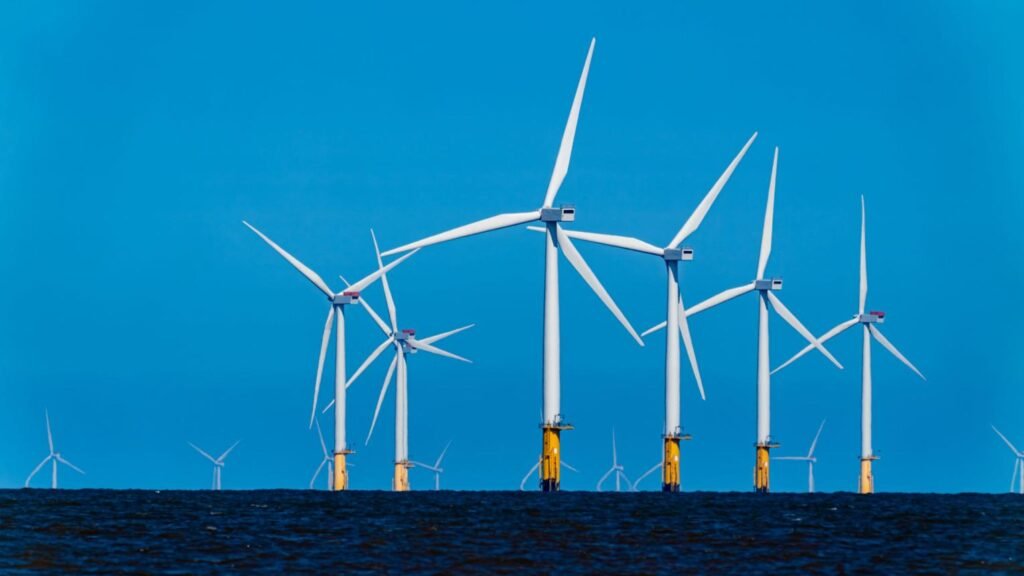
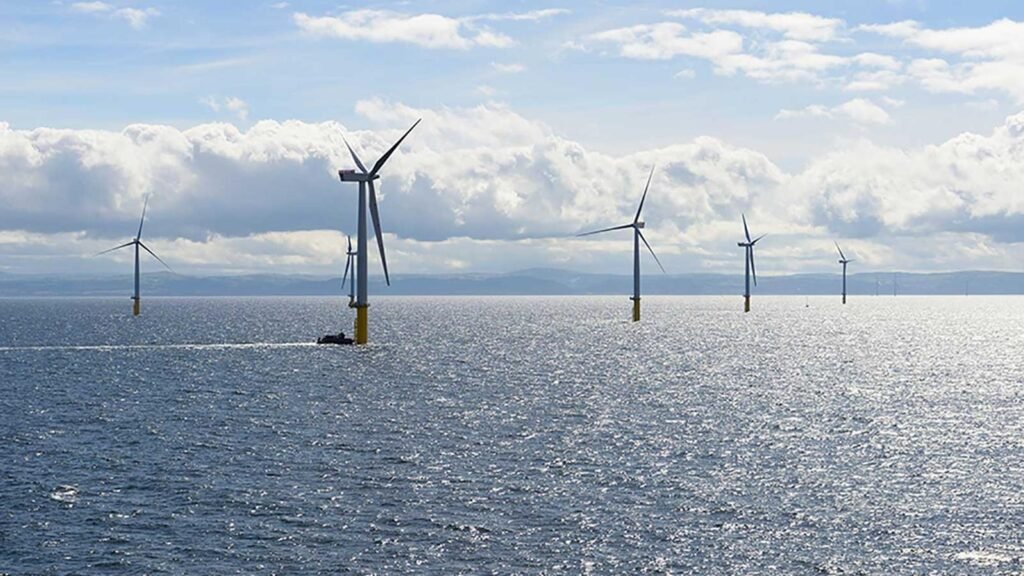
- Offshore wind farms
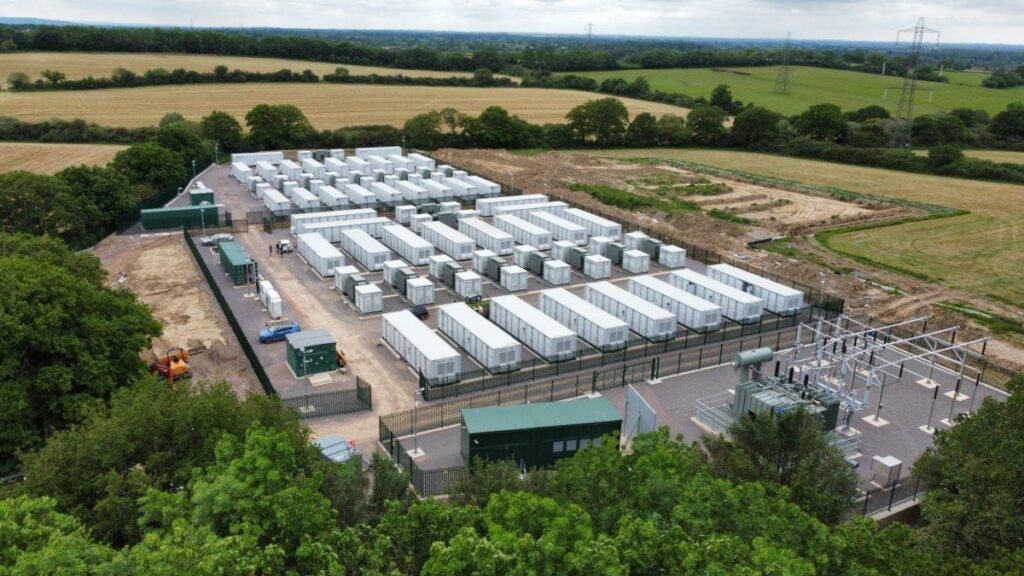
- Battery storage systems
- Electric vehicles
- Heat pumps
- AI data centres
All operating simultaneously and often unpredictably.
The result is a vastly more complex system.
How a Smart Grid Actually Works
Sensors Across The Network
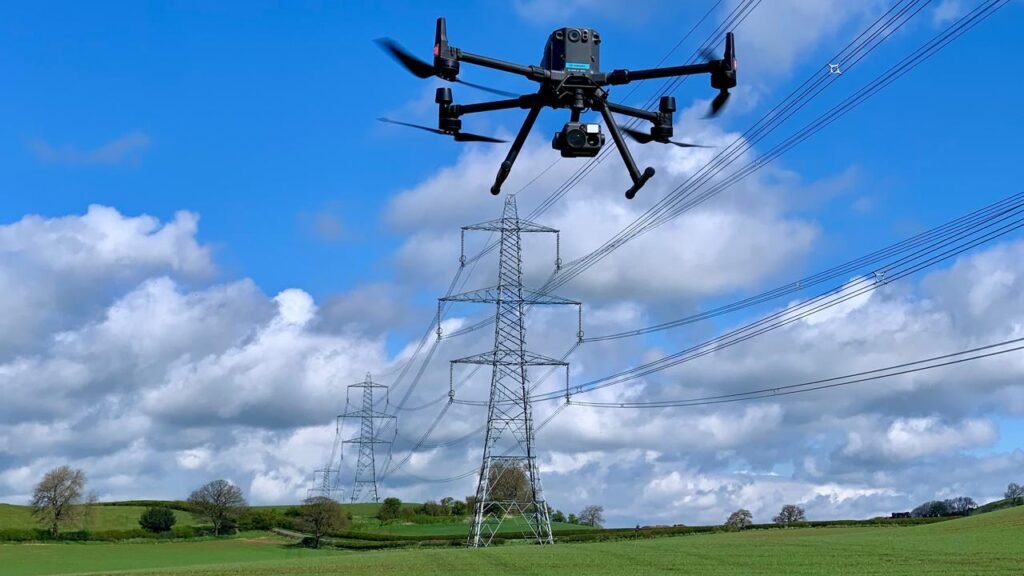
Modern smart grids use thousands of sensors across:
- Transmission lines
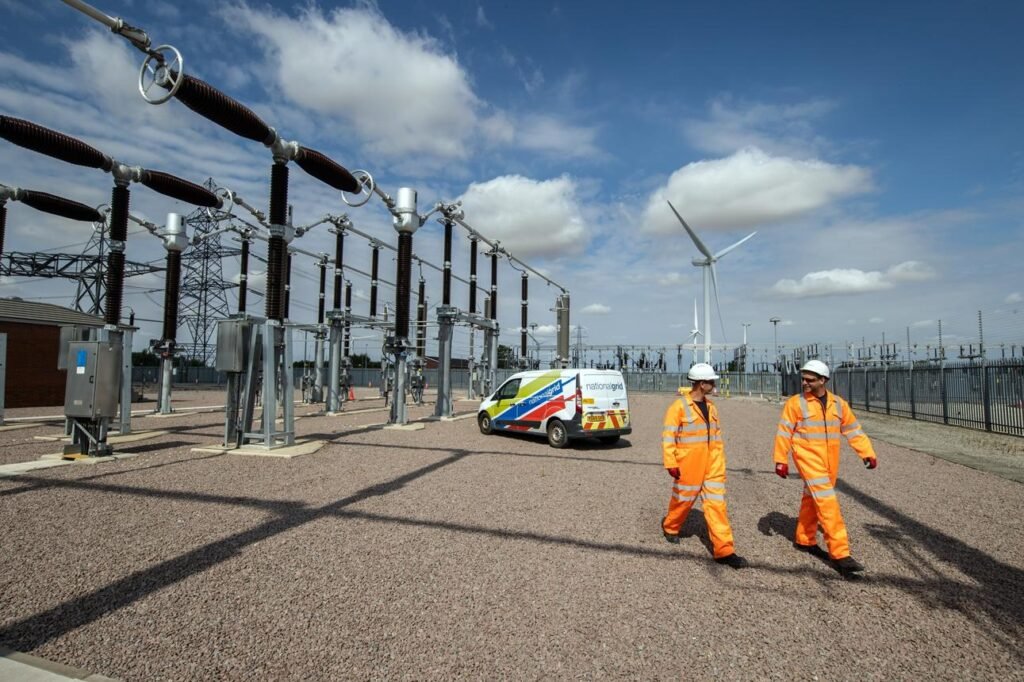
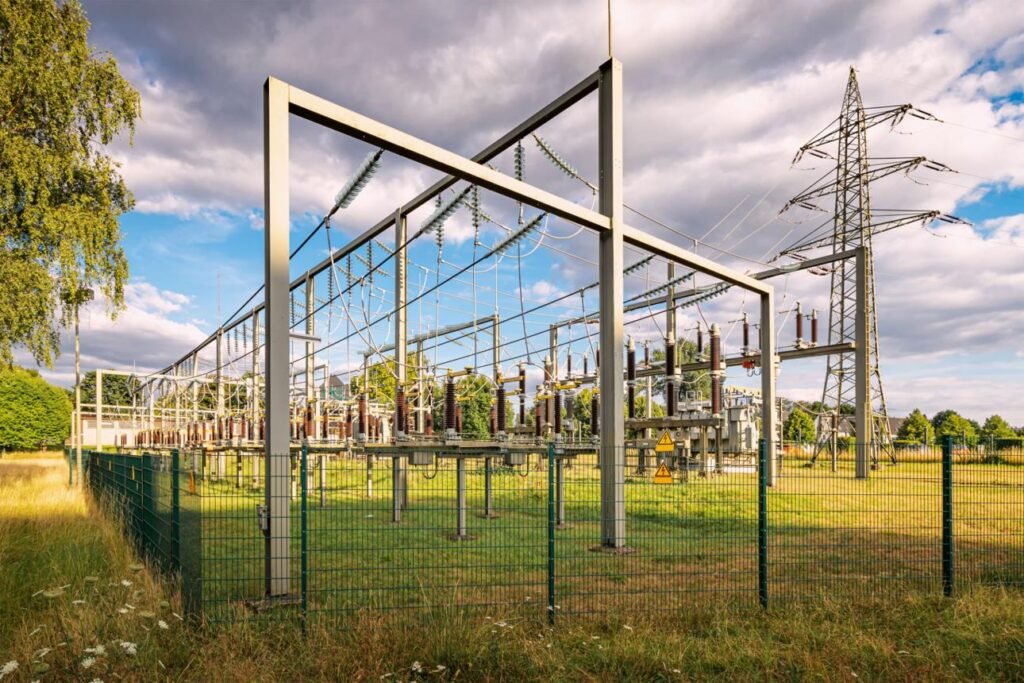
- Substations
- Distribution networks
- Industrial sites
- Renewable generation facilities
These devices collect data every few seconds.
Grid operators can instantly see:
- Voltage levels
- Electricity flows
- Equipment health
- Demand spikes
- Potential faults
Instead of discovering problems after they occur, operators can often predict them beforehand.


Smart Meters
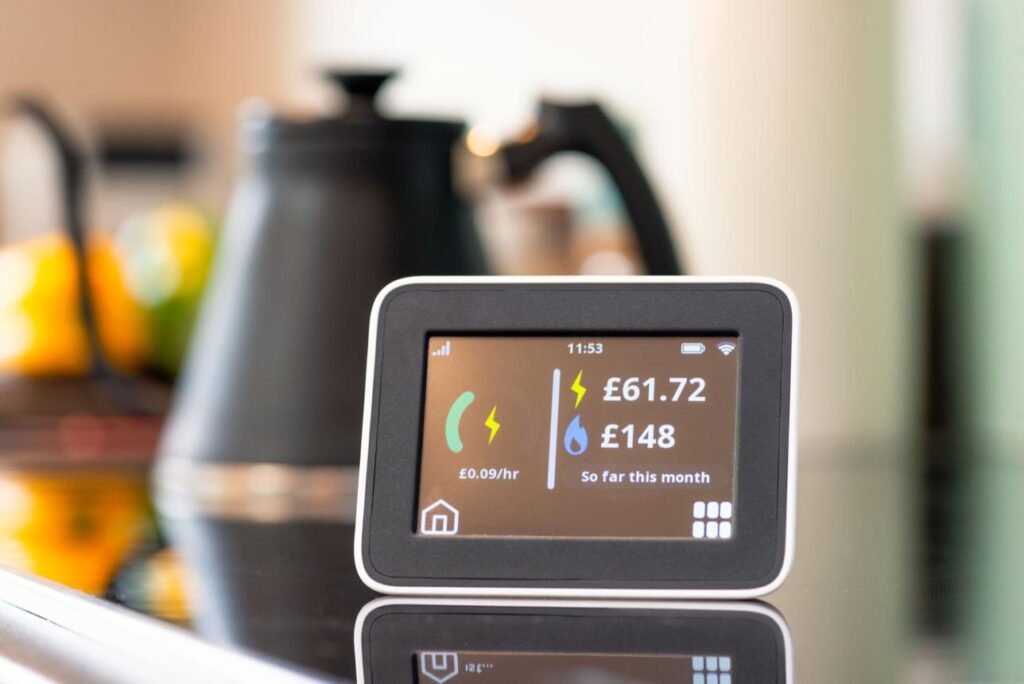
Millions of smart meters provide detailed information about electricity consumption.
In the UK, smart meters help suppliers and network operators understand:
- Demand patterns
- Peak usage periods
- Local network stress
- Energy efficiency opportunities
This data allows the grid to respond more intelligently.
Automated Control Systems
Many modern networks can automatically:
- Redirect electricity flows
- Isolate faults
- Balance supply and demand
- Reduce congestion
What once took hours can sometimes be achieved in seconds.
Why AI Creates A Massive New Challenge For Electricity Networks
AI Uses Extraordinary Amounts Of Electricity
Training advanced AI models requires enormous computing power.
Large AI data centres contain:
- Tens of thousands of GPUs
- High-performance processors
- Cooling infrastructure
- Networking equipment
Together these consume huge amounts of electricity.
The global data centre sector is expected to become one of the fastest-growing sources of electricity demand during the next decade according to forecasts from the International Energy Agency.
AI Demand Is Highly Concentrated
Unlike homes spread across a country, AI facilities often cluster in specific regions.
One large AI data centre can consume as much electricity as a medium-sized town.
This creates localised stress on:
- Substations
- Transmission networks
- Distribution systems
A traditional grid was not designed for this type of concentrated demand.
Why AI Needs A Smart Grid
- [Fastest Charging in the Industry] – Fully recharge using an AC outlet in only 70 minutes with EcoFlow’s X-Stream fast c…
- [Power 80% of Your Appliances] – With an output of up to 1600W, run 80% off all your appliances, even high wattage ones….
- [LFP Long-Life Battery] – Using LFP battery cells, use and recharge RIVER 2 Pro more than 3000 times before hitting 80%….
Real-Time Demand Management
AI workloads can fluctuate rapidly.
A smart grid allows operators to monitor demand continuously and respond before problems emerge.
Without smart-grid capabilities, sudden increases in electricity consumption could create:
- Grid congestion
- Equipment overloads
- Higher operating costs
The larger AI infrastructure becomes, the more important real-time management becomes.
Better Use Of Renewable Energy
Many AI companies have ambitious carbon reduction goals.
They increasingly want electricity from:
- Wind farms
- Solar farms
- Battery storage
Renewable generation changes constantly.
Wind speeds vary.
Cloud cover changes.
Solar production disappears at night.
A smart grid helps match AI demand with available renewable generation.
This improves efficiency while reducing reliance on fossil-fuel generation.
AI Can Also Help Operate The Smart Grid
An interesting twist is that AI is not just a customer of the smart grid.
It is increasingly becoming one of its operators.

Predicting Demand
AI systems can analyse:
- Weather forecasts
- Historical usage
- EV charging patterns
- Industrial activity
This allows grid operators to forecast demand more accurately.
Predicting Equipment Failures
AI can identify early signs of:
- Transformer failures
- Cable faults
- Substation problems
This allows maintenance teams to intervene before outages occur.
Managing Renewable Energy
AI is increasingly used to predict:
- Wind output
- Solar production
- Battery requirements
This improves grid stability while reducing costs.
Real-World Examples
United Kingdom
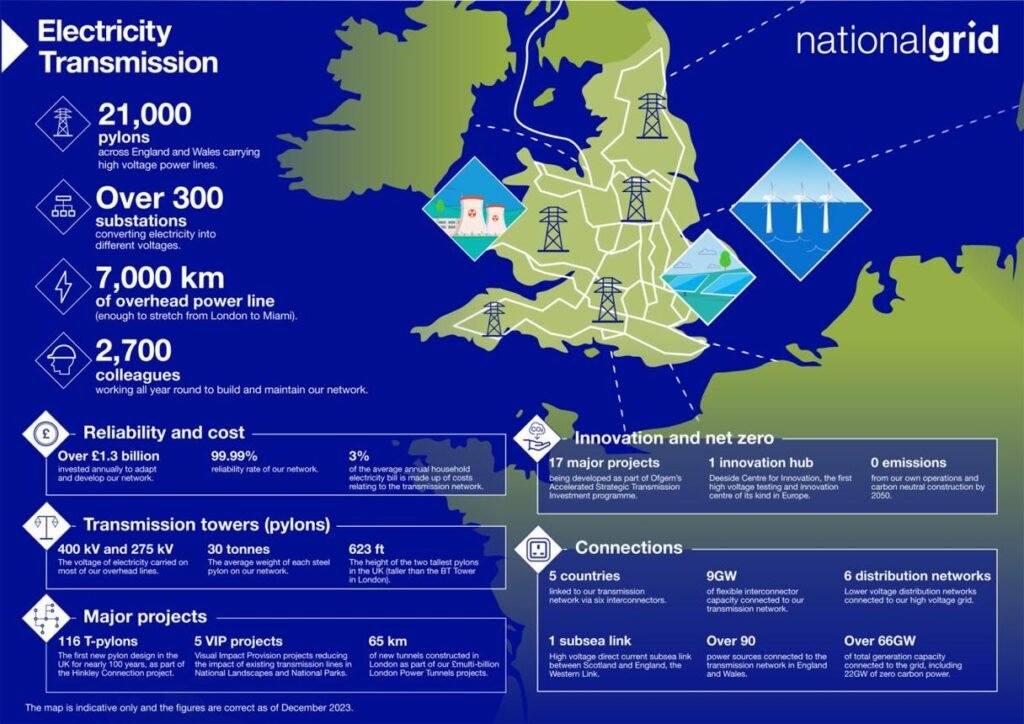
National Grid already uses advanced forecasting and digital monitoring systems to manage Britain’s increasingly complex electricity network.
The rapid growth of offshore wind has accelerated investment in smarter network technologies.
United States
Google and Microsoft are investing heavily in AI data centres while simultaneously pursuing renewable-energy agreements and advanced energy management technologies.
Denmark
Denmark’s highly digitised electricity system has become one of the world’s leading examples of integrating large amounts of renewable energy through advanced grid management.
What Happens Without Smart Grids?
Without smart-grid technologies, increasing AI demand could lead to:
- More congestion
- Slower data-centre connections
- Higher infrastructure costs
- More local network constraints
- Greater risk of outages
The grid would still function, but much less efficiently.
It would be like trying to manage motorway traffic using information from yesterday.
Will Britain Need A Fully Smart Grid?
The short answer is yes.
As AI expands alongside:
- Electric vehicles
- Heat pumps
- Battery storage
- Offshore wind
- Distributed solar
Britain’s electricity system will become far more dynamic than anything seen previously.
The future network will require:
- Real-time visibility
- Automated controls
- AI-assisted forecasting
- Intelligent demand management
- Smart substations
- Advanced communications networks
This is one reason why articles such as How Much Grid Investment Will AI Require?, Will More Substations Be Needed for AI? andCould AI Accelerate Smart Grid Deployment? and are becoming increasingly important discussions.
Final Thoughts
A smart grid is essentially the digital nervous system of a modern electricity network.
Without it, the UK’s transition towards AI-driven industries, electric vehicles, renewable energy and electrified heating becomes far more difficult and expensive.
AI needs smart grids because traditional electricity networks were built for predictable demand and one-way power flows. AI infrastructure creates the opposite: huge, fast-changing, concentrated electricity requirements that must be balanced continuously.
Ironically, the same AI systems driving future electricity demand may also become one of the most powerful tools for operating the smart grids that keep that demand under control.
Reference Material and Research
- International Energy Agency reports on electricity demand and data centres
- National Grid Future Energy Scenarios
- Ofgem Smart Grid and Flexibility Plan
- Energy Systems Catapult Smart Local Energy Systems research
- National Infrastructure Commission Electricity network studies
- International Renewable Energy Agency grid modernisation research