Britain’s energy strategy is entering a new phase. For decades, the focus was on keeping electricity affordable, secure and increasingly low carbon. Artificial intelligence is now adding a fourth challenge: ensuring enough power exists to support a rapidly expanding digital economy.
The UK Government wants Britain to become a leading AI nation. However, every new AI data centre, supercomputer and machine learning platform requires electricity, cooling systems, network infrastructure and grid capacity. As a result, AI is beginning to influence decisions about power generation, transmission networks, energy storage and national infrastructure planning.
Far from being a niche technology issue, AI is becoming a central factor in Britain’s future energy policy.
AI Is Turning Energy Into A Strategic National Asset
Historically, energy policy focused on supporting households, manufacturing and transport.
AI changes that equation.
Modern AI systems require enormous computing power. Government forecasts and industry estimates suggest UK data centre electricity demand could increase significantly by 2030 as AI adoption accelerates across the economy. Data centres currently consume roughly 2.5% of UK electricity, with some forecasts expecting a four-fold increase by the end of the decade.
This means energy policy is increasingly becoming digital infrastructure policy.
Why Governments Are Paying Attention
Countries that can provide reliable, affordable low-carbon electricity will attract AI investment.
Those that cannot may lose major technology projects to competing regions with stronger power infrastructure.
Britain therefore faces a strategic choice:
- Build enough energy infrastructure to support AI growth
- Risk losing investment to overseas competitors
Electricity Demand Forecasting Will Become A National Priority
One of the biggest challenges is predicting future demand.
Traditional electricity forecasting was relatively predictable because demand growth was gradual. AI introduces large and concentrated loads that can appear within a few years.
Some proposed UK AI facilities require hundreds of megawatts of power, equivalent to a small city. Connection requests from data centres have risen dramatically as companies race to secure capacity.
This is why future planning will increasingly rely on AI-assisted forecasting models.

- Full control over your heating with the tado° app from anywhere, reduce your energy consumption and save money with the …
- Heating Boost: heat up all rooms for 30 minutes with one click in the app
- Smart Schedules for the perfect temperature individually in each room, at any time; only active when someone’s home; can…
Smarter Demand Models
Future forecasts will analyse:
- AI adoption rates
- Regional economic growth
- Electric vehicle charging
- Heat pump deployment
- Industrial electrification
- Data centre expansion
AI itself will help predict where electricity is needed years before infrastructure is built.
Britain’s Grid Expansion Plans Will Accelerate
Perhaps the most visible impact of AI will be on grid investment.
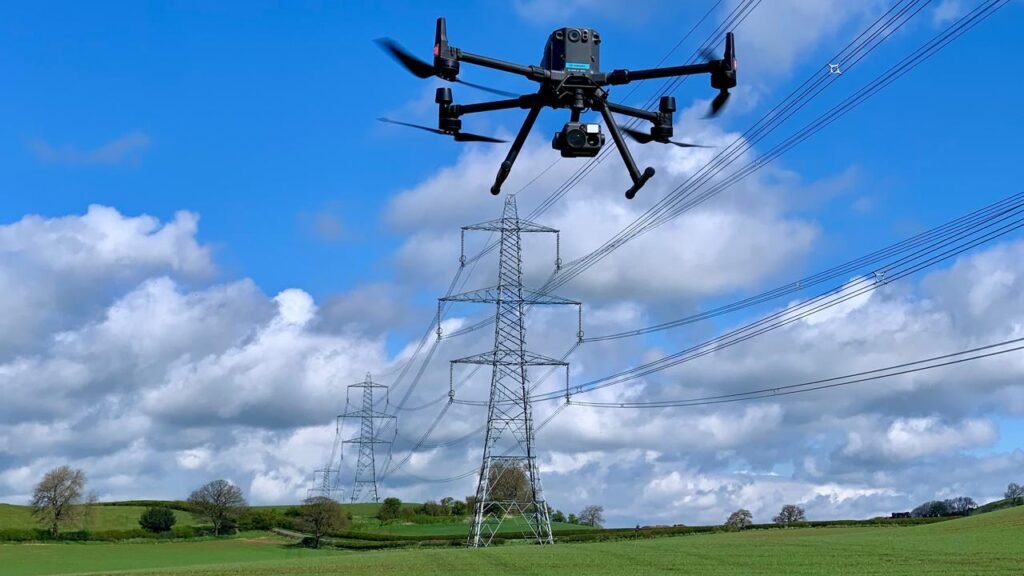
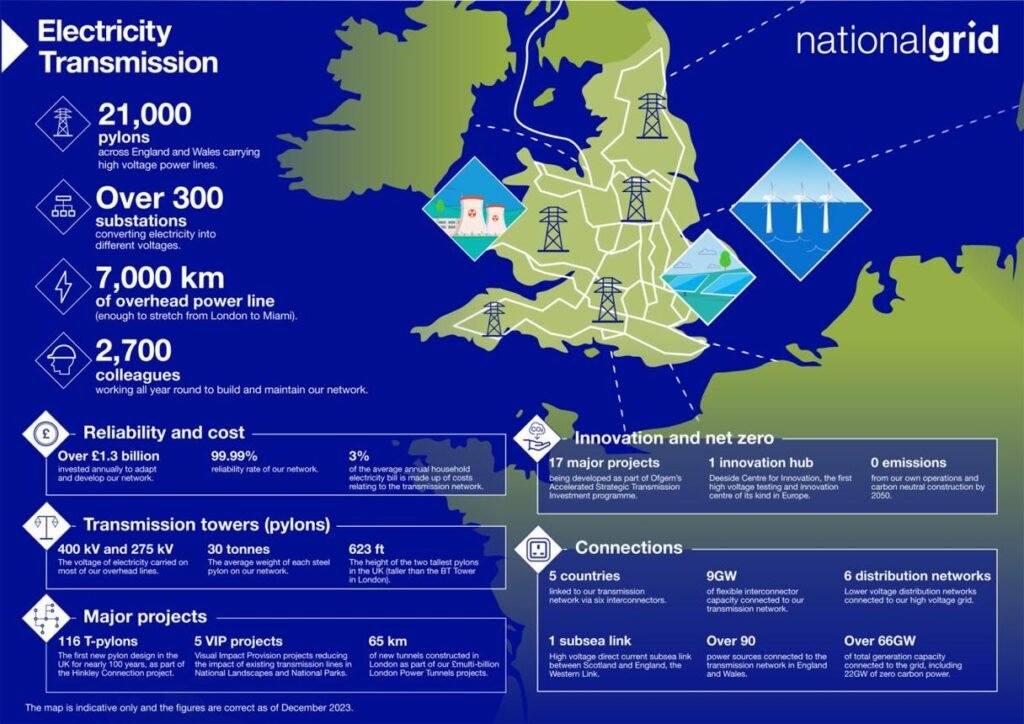
The UK’s transmission network was largely designed around traditional power stations and predictable demand patterns.
AI data centres require large amounts of power delivered quickly.
As a result:
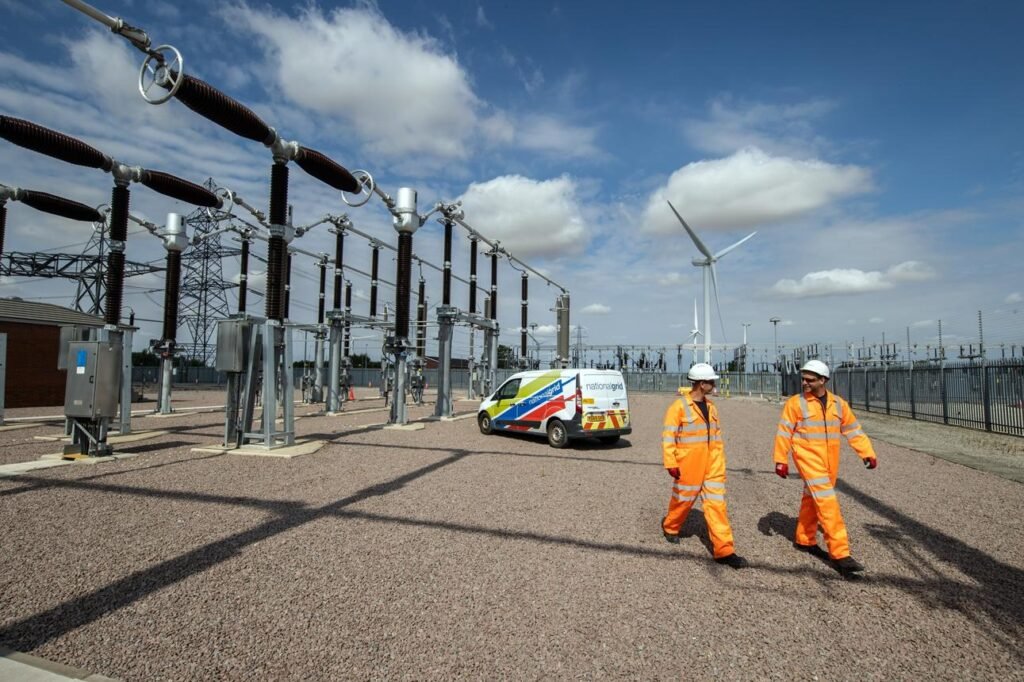
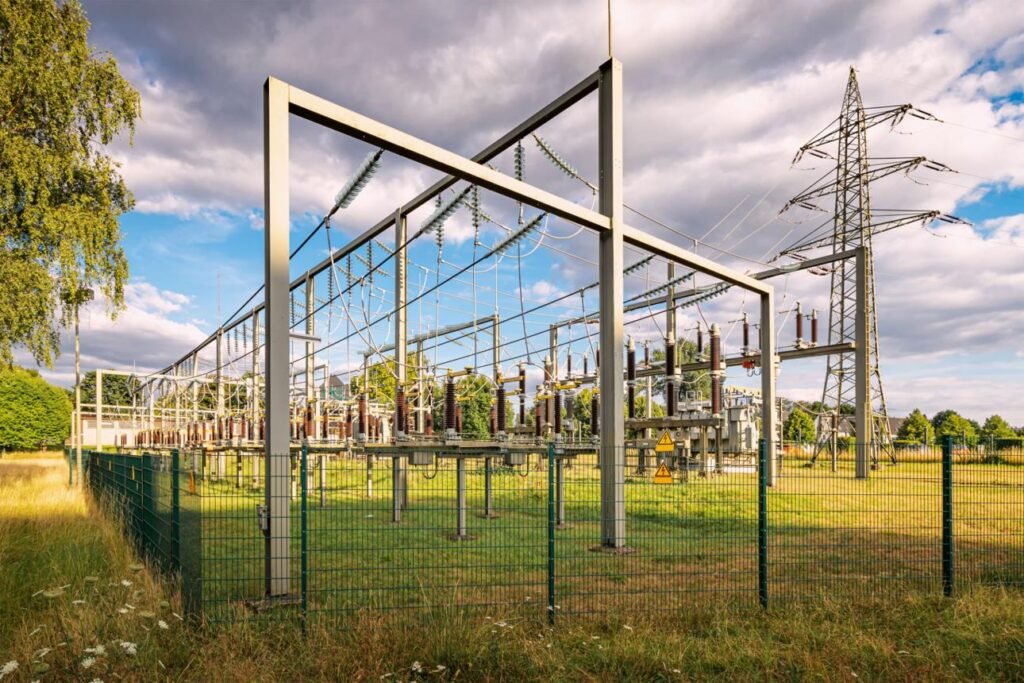
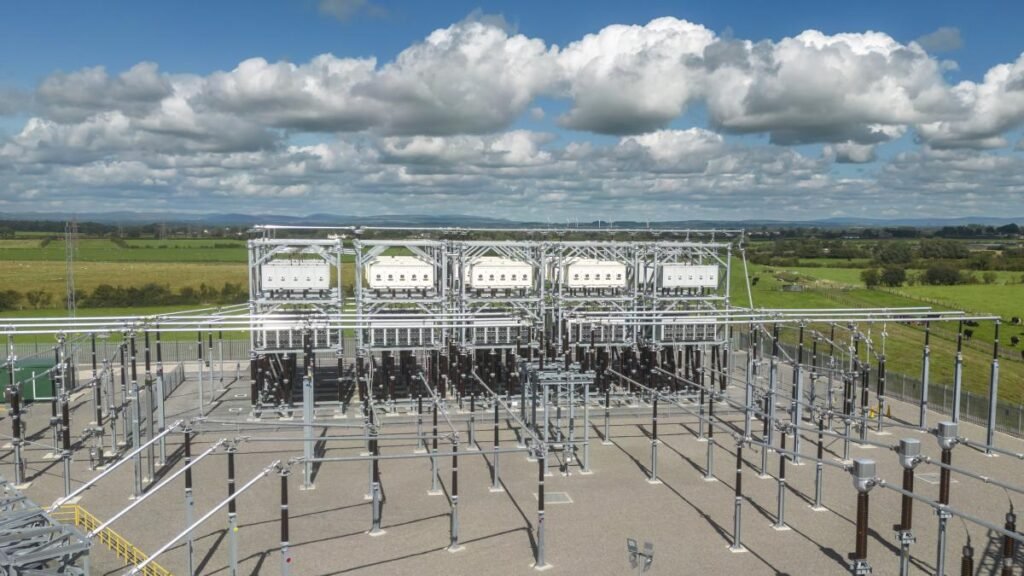
- New substations are being proposed
- Grid connection reforms are being introduced
- Network upgrades are accelerating
- Strategic demand projects are receiving priority consideration
National Grid has already conducted trials showing AI facilities could become flexible electricity users rather than simply fixed loads. This could help reduce network constraints and improve system efficiency.

Energy Storage Will Become More Important Than Ever
AI infrastructure requires continuous power.
Unlike many industrial processes, AI computing workloads often operate around the clock.
This increases the value of energy storage technologies.
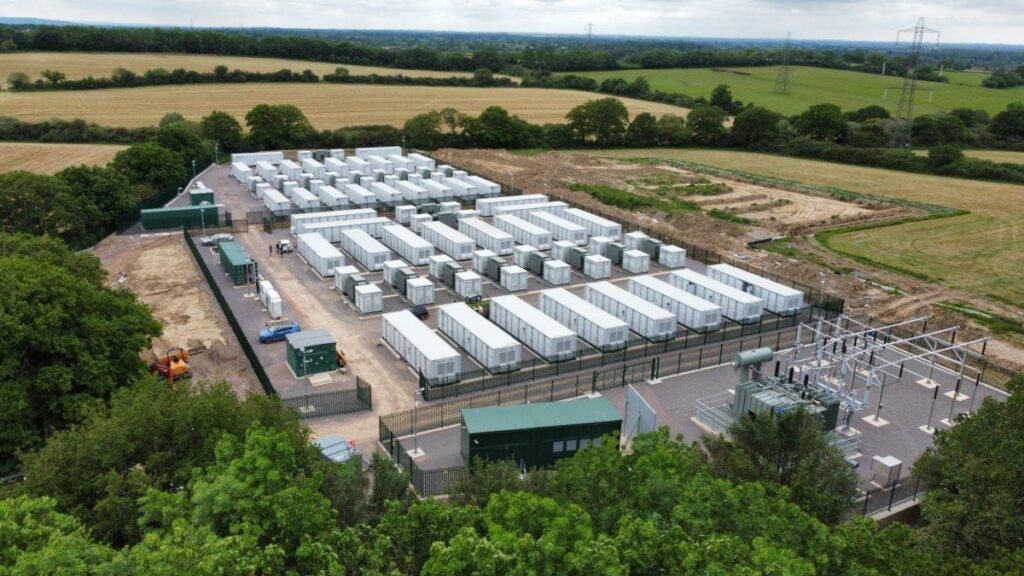
Battery storage will help:
- Smooth renewable generation
- Support data centres during peak demand
- Improve grid stability
- Reduce infrastructure costs
The role of storage is likely to expand significantly as AI demand grows.
AI Managing Batteries
AI will not simply consume electricity.
It will also manage:
- Grid batteries
- Local storage systems
- Demand response programmes
- Flexible energy markets
This creates a feedback loop where AI both drives demand and improves efficiency.

- Works with 1000+ Accounts: Compatible with Google, Microsoft, and Apple. A single Security Key NFC secures 100 of your f…
- Fast & Convenient Login: Plug in your Security Key NFC via USB and tap it, or tap it against your phone (NFC) to authent…
- Trusted Passkey Technology: Uses the latest passkey standards (FIDO2/WebAuthn & FIDO U2F) but does not support One-Time …
Renewable Energy Deployment Will Be Influenced By AI Demand
Britain’s renewable strategy may also change.
Traditionally, renewable energy growth was primarily driven by decarbonisation goals.
Increasingly, renewable projects may also be justified by AI infrastructure requirements.
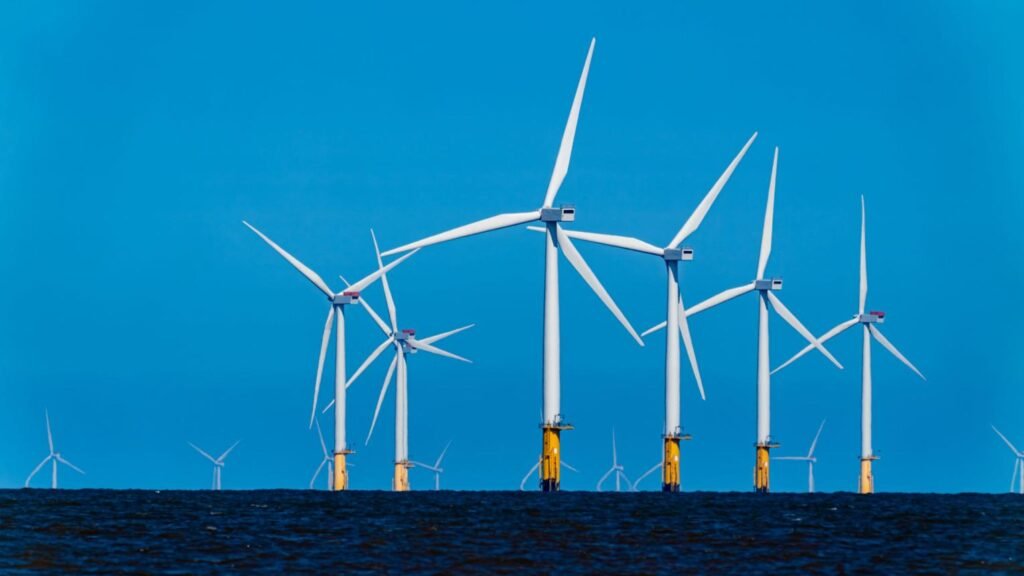
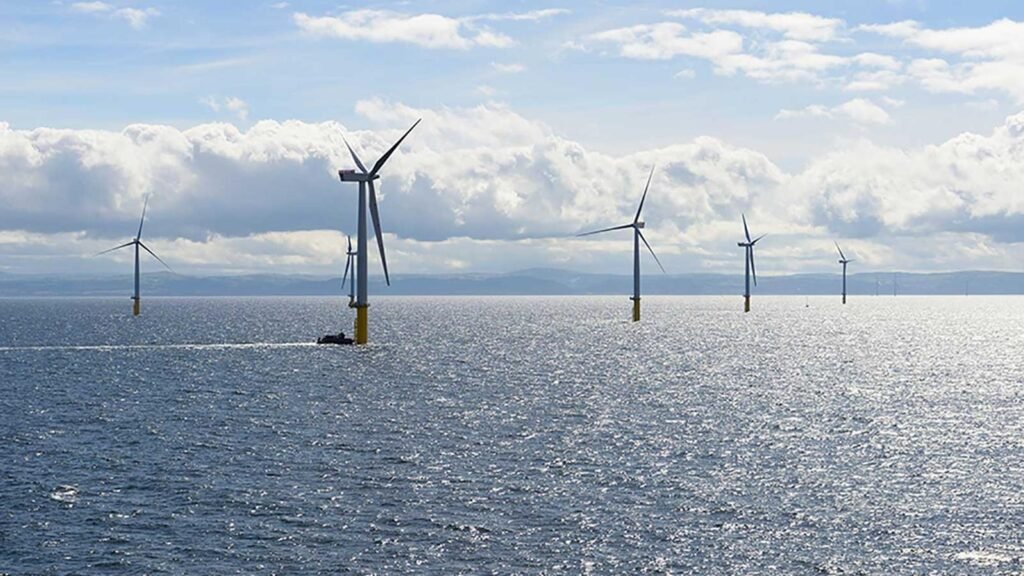
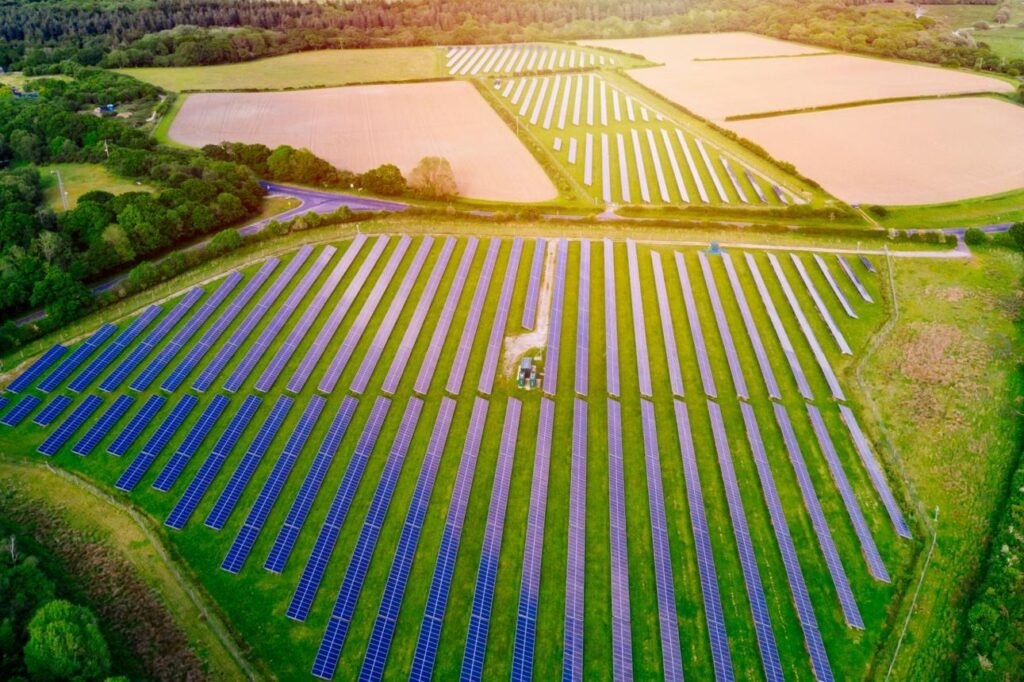
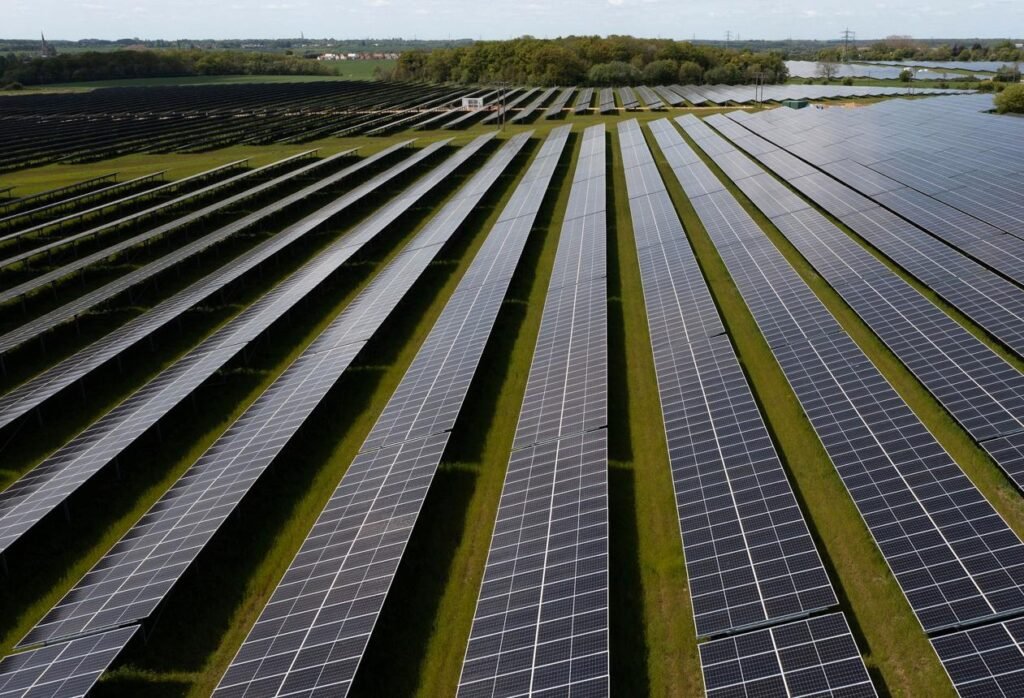
Offshore wind, solar generation and battery storage could become critical enablers of AI expansion.
The ability to forecast renewable output accurately becomes even more valuable when large AI facilities depend upon clean electricity supplies.
This is one reason why Could AI Predict Renewable Energy Output? is becoming an increasingly important question.
Co-Locating AI And Renewable Energy
Future developments may place AI facilities near:
- Offshore wind landing points
- Major solar farms
- Battery storage hubs
- Nuclear generation sites
This could reduce transmission costs and improve grid efficiency.
Nuclear Power Could Receive A Major Boost
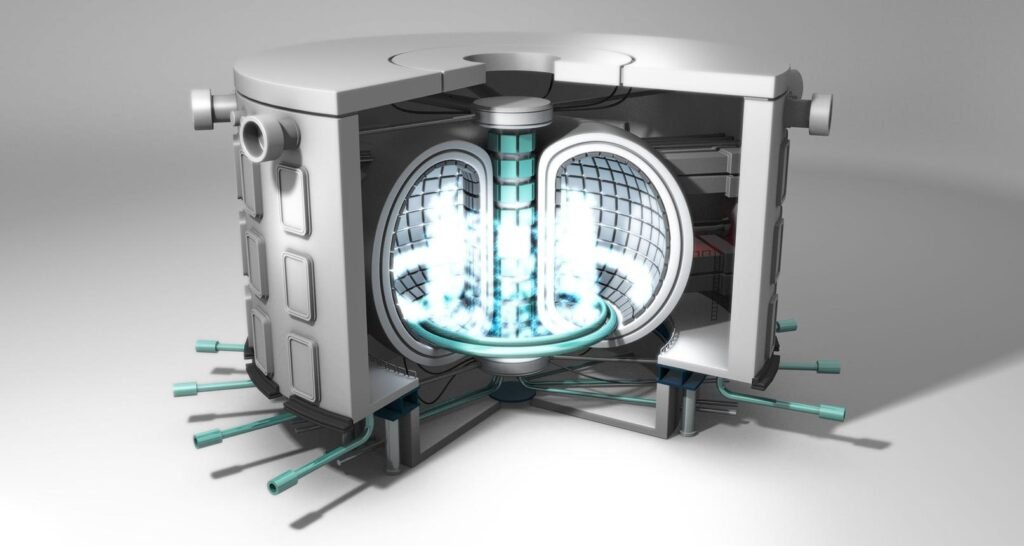
AI is strengthening the economic argument for new nuclear capacity.
Unlike intermittent renewables, nuclear provides:
- Stable baseload electricity
- High reliability
- Low carbon emissions
- Long-term energy security
Several industry studies suggest AI demand could increase support for new nuclear projects, including Small Modular Reactors (SMRs).
AI-related electricity demand is now becoming part of wider discussions around future generation capacity.
Energy Security Will Move Higher Up The Agenda
Britain’s energy strategy has traditionally focused on reducing dependence on imported fuels.
AI adds a new dimension.
Future economic competitiveness may depend on access to domestic electricity generation.
New Strategic Risks
Government planners increasingly need to consider:
- Data centre resilience
- Grid cyber security
- Backup generation
- Transmission vulnerabilities
- Regional capacity shortages
Energy security and digital security are becoming increasingly interconnected.
AI Growth Zones Could Transform Regional Development
Government policy is already exploring AI Growth Zones designed to attract large-scale AI investment.
These areas could receive:
- Faster planning approvals
- Enhanced grid access
- Priority infrastructure investment
- New energy projects
Government estimates suggest such initiatives could significantly reduce connection times and unlock billions in investment.
The result could be new economic hubs emerging around power-rich regions rather than traditional city centres.

- Coverage up to 4,000 sq. ft. and for up to 100 devices. Extend coverage up to 2,000 sq. ft. with each additional satelli…
- Ultrafast AX6000 gigabit speed with WiFi 6 technology for uninterrupted streaming, HD video gaming, and web conferencing
- Compatible with any internet service provider up to 2.5Gbps including cable, satellite, fiber and DSL. Connects to your …
Private Investment Will Follow Energy Infrastructure
Investors understand that energy capacity increasingly determines AI growth potential.
As a result, significant private capital is flowing towards:
- Data centres
- Electricity networks
- Renewable energy projects
- Battery storage
- Grid technologies
Britain’s Energy Strategy Is Becoming An AI Strategy
The biggest change is philosophical.
Energy policy is no longer simply about keeping the lights on.
It is becoming a foundation for national competitiveness in the AI era.
Countries capable of delivering abundant, reliable and affordable electricity will gain advantages in attracting technology companies, research centres and advanced industries.
Britain’s future energy strategy is therefore likely to revolve around five priorities:
- Expanding electricity generation
- Accelerating grid upgrades
- Deploying large-scale storage
- Improving energy security
- Supporting AI infrastructure growth
The energy system that emerges over the next decade may look very different from the one Britain has today.
In many ways, AI is not just another electricity customer. It is becoming one of the forces that will shape how Britain’s entire energy system evolves.
Reference Material
- National Grid Data Centre Impact Study (2025)
- UK Government AI Energy Council announcements (2025-2026)
- UK Government Strategic Demand Grid Connection Consultation (2026)
- UK Parliament Data Centre Planning and Sustainability Briefing (2026)
- International Energy Agency Energy and AI Report (2025-2026)
- National Energy System Operator (NESO) data centre demand forecasts
- Oxford Economics UK Data Centre Growth Analysis (2025)
- Industry forecasts on UK AI infrastructure and electricity demand growth