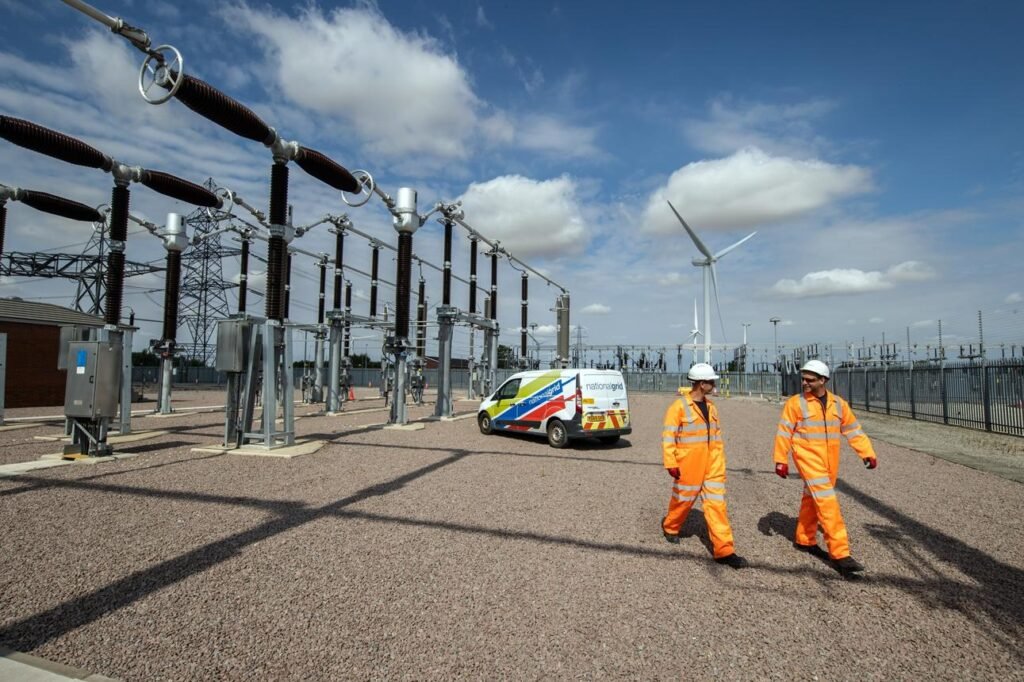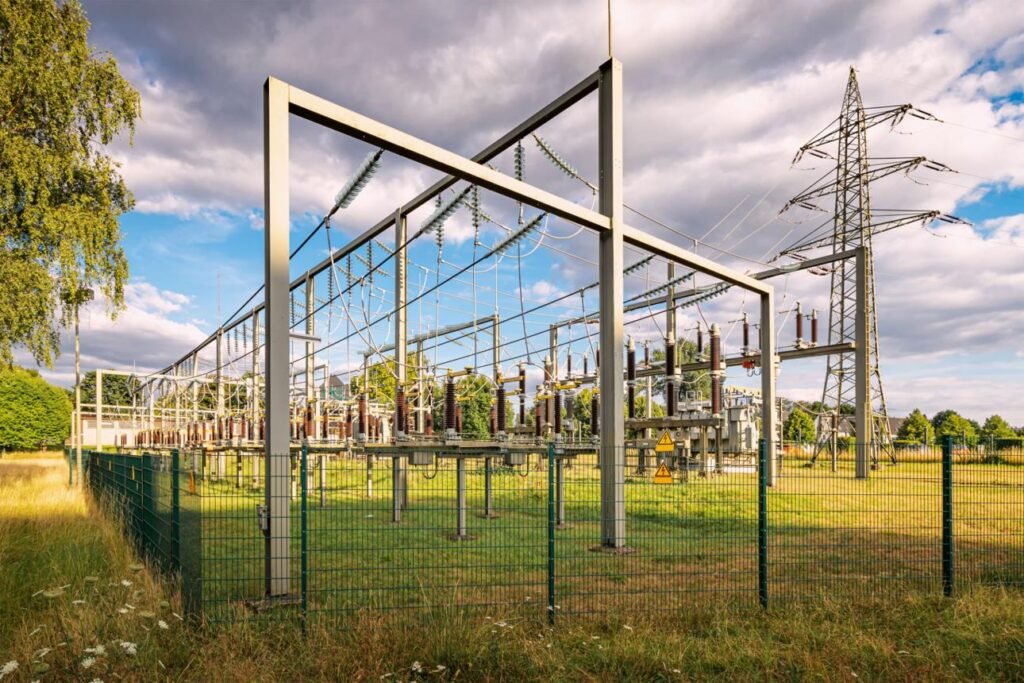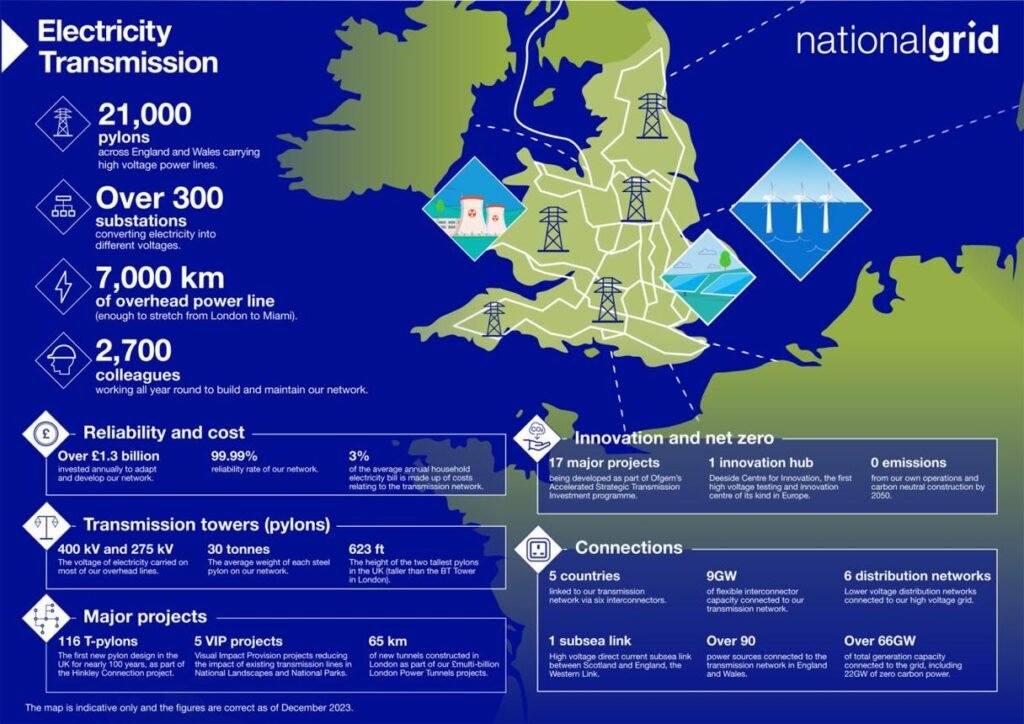
Storms have always been one of the greatest challenges facing electricity networks. High winds, flooding, lightning strikes, ice accumulation and falling trees can damage power lines, substations and transformers in minutes, leaving thousands or even millions of customers without power.
Traditionally, electricity companies have relied heavily on weather forecasts, customer reports and manual inspections to identify damage and restore supplies. While effective, these methods can be slow during large-scale weather events.
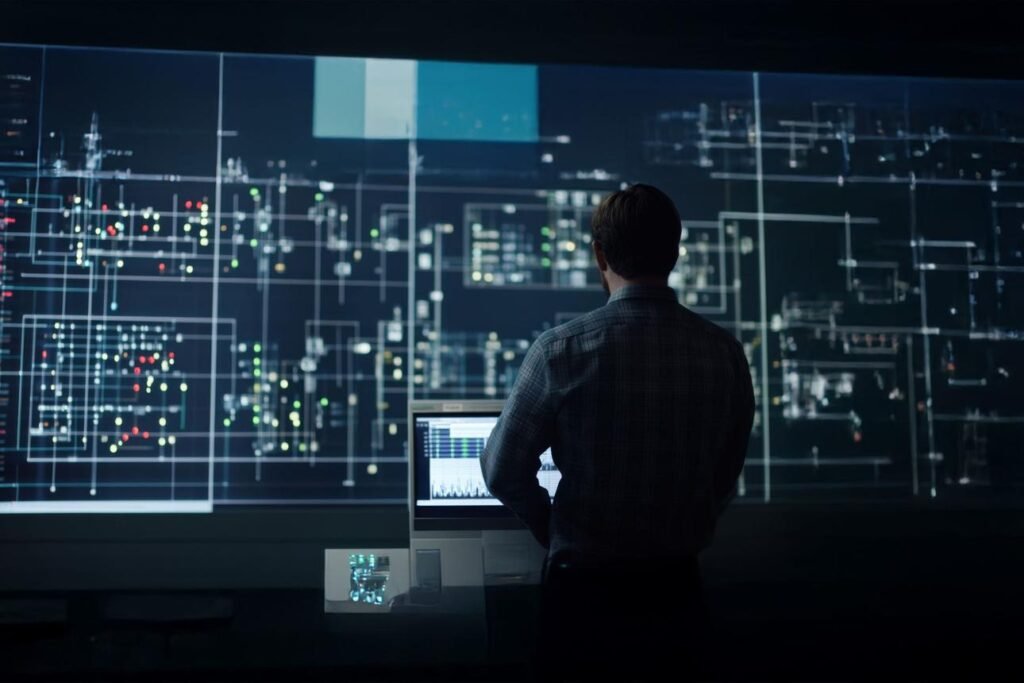
Artificial intelligence is changing this. AI is increasingly helping electricity network operators predict outages before they happen, deploy repair crews more efficiently and restore power faster once storms pass.
As climate change increases the frequency and severity of extreme weather events, AI is becoming one of the most important technologies in modern storm response planning.
Why Storm Response Is Becoming More Difficult
More Extreme Weather
Electricity networks worldwide are experiencing greater pressure from severe weather.
According to IBM, approximately 80% of power outages are weather-related. Storm intensity, flooding events and extreme wind conditions are all increasing risks for grid operators.
In the UK, storms such as Arwen, Eunice and Babet demonstrated how vulnerable power infrastructure remains when exposed to prolonged severe weather.
Growing Network Complexity
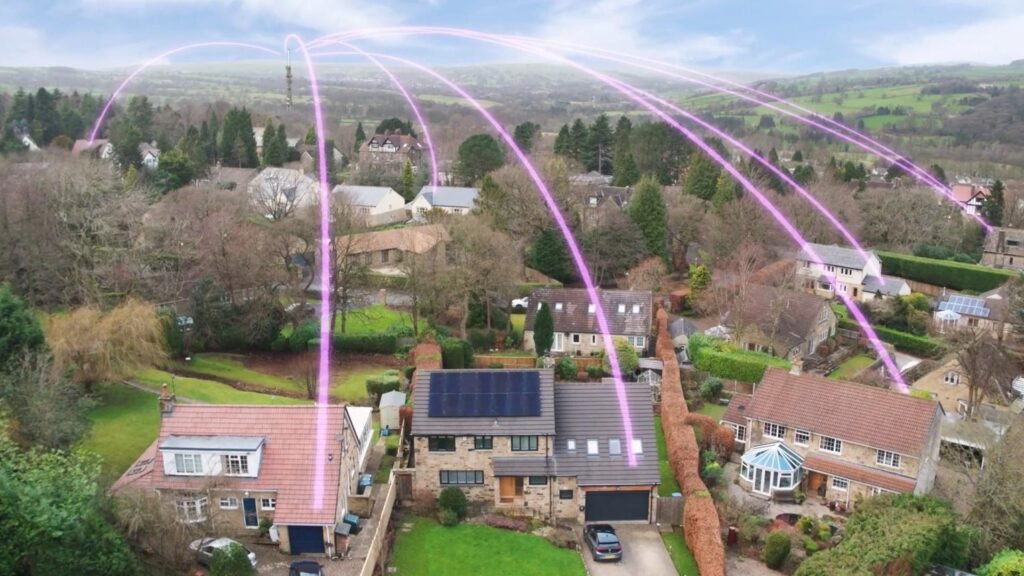
Modern electricity networks are more complex than ever.
Utilities must now manage:
- Renewable energy assets
- Smart meters
- Electric vehicle charging infrastructure
- Battery storage systems
- Distributed generation
Every additional asset increases the challenge of maintaining reliable service during major weather events.
How AI Helps Before a Storm Arrives
Predicting Outages
One of AI’s most valuable capabilities is forecasting likely damage before the storm hits.
AI systems analyse:
- Historical outage data
- Weather forecasts
- Wind speeds
- Vegetation growth
- Flood risk maps
- Asset condition data
This allows utilities to predict which locations are most likely to lose power. Some AI systems can forecast outage risks down to feeder and circuit level.
Rather than waiting for failures to occur, network operators can prepare resources in advance.
Identifying Vulnerable Infrastructure
AI can also identify assets most likely to fail.
Using drone imagery, satellite data and asset monitoring systems, machine learning models can detect:
- Ageing poles
- Corroded equipment
- Tree encroachment
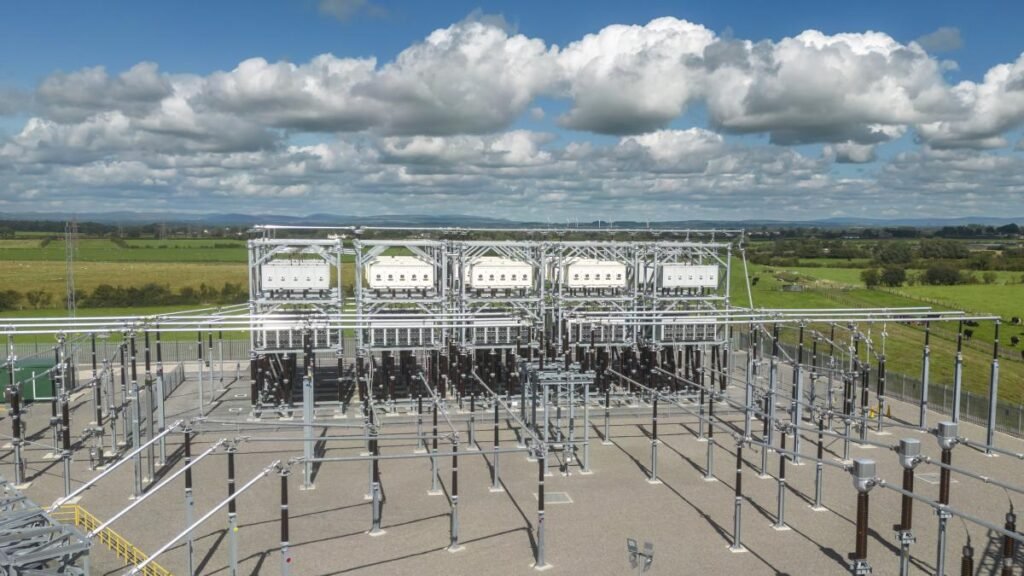
- Flood-prone substations
- High-risk overhead lines
This allows preventative maintenance before severe weather arrives.

- Gigabit Wi-Fi for 8K Streaming – 5400 Mbps Wi-Fi for faster browsing, streamings, and downloading, all at the same time
- Wi-Fi 6 VPN Router– Equips with the top structure of 4T4R and HE160 on the 5 GHz band to enable a 4.8 Gbps ultra-fast co…
- Connect 100+ Devices– Supports MU-MIMO and OFDMA to reduce congestion and quadruple the average throughput
Smarter Crew Deployment During Storms
Positioning Engineers Before Impact
Traditionally, repair crews are deployed after damage occurs.
AI allows operators to position crews strategically before the storm reaches critical areas.
By analysing forecast paths and predicted damage zones, utilities can:
- Pre-position vehicles
- Move equipment stockpiles
- Prepare emergency generators
- Mobilise contractors
This can reduce restoration times significantly.
Dynamic Resource Allocation
As conditions change, AI continually updates recommendations.
Instead of relying solely on manual decision-making, AI systems can identify:
- Which faults affect the largest number of customers
- Which repairs should be prioritised
- Where crews are currently located
- Which roads remain accessible
This enables faster decision-making during rapidly evolving situations.

AI-Powered Damage Assessment
Using Drones Instead of Manual Inspections
After a storm, assessing damage can take many hours or even days.
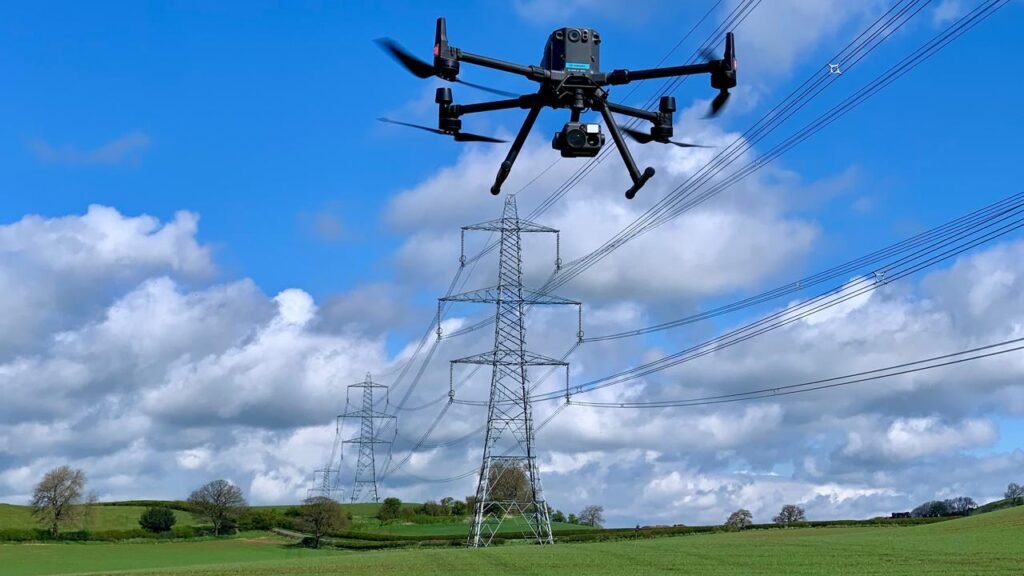
AI-powered drones are transforming this process.
Equipped with:
- High-resolution cameras
- Thermal imaging
- LiDAR sensors
- Computer vision software
Drones can inspect large areas quickly and safely. AI then automatically identifies damaged equipment and prioritises repairs.
Faster Situational Awareness
Instead of waiting for engineers to report conditions manually, AI can generate near real-time assessments.
This provides network operators with:
- Damage maps
- Outage locations
- Hazard identification
- Repair estimates
The result is faster restoration planning and reduced downtime.
Improving Customer Communications
Better Restoration Estimates
One of the biggest frustrations during power outages is uncertainty.
Customers often want to know:
- Why the power failed
- When it will return
- Whether crews are on-site
AI helps utilities generate more accurate estimated restoration times by analysing:
- Damage severity
- Historical repair data
- Crew availability
- Weather conditions
This improves customer communication and reduces pressure on call centres.
Automated Updates
Modern AI platforms can automatically send:
- SMS alerts
- App notifications
- Email updates
- Website outage reports
This ensures customers receive information without needing to contact support.
- [Fastest Charging in the Industry] – Fully recharge using an AC outlet in only 70 minutes with EcoFlow’s X-Stream fast c…
- [Power 80% of Your Appliances] – With an output of up to 1600W, run 80% off all your appliances, even high wattage ones….
- [LFP Long-Life Battery] – Using LFP battery cells, use and recharge RIVER 2 Pro more than 3000 times before hitting 80%….
AI and Smart Grid Automation
The long-term future goes beyond responding to outages.
As discussed in What Is a Smart Grid and Why Does AI Need One, smart grids allow electricity networks to react automatically.
AI systems may increasingly:
- Reroute power around damaged sections
- Isolate faults automatically
- Balance loads dynamically
- Activate battery storage systems
- Prioritise critical infrastructure
These capabilities reduce outage sizes and improve resilience.
Real-World Results
Evidence from utility deployments shows measurable benefits.
E Source reports that one utility improved storm outage prediction accuracy by 20% and reduced storm response costs by 25% using advanced analytics.
AI-driven drone inspections have reduced damage assessment times from several days to less than 24 hours following major storm events.
Utilities using predictive weather and outage models are increasingly able to stage crews and equipment before storms arrive, reducing restoration times and improving public safety.

Challenges That Still Remain
Data Quality
AI systems are only as effective as the data they receive.
Poor asset records, outdated maps or inaccurate weather information can reduce prediction accuracy.
Cyber Security Risks
Greater reliance on AI means greater reliance on digital infrastructure.
Electricity operators must ensure that storm-response systems remain protected from cyber attacks, especially during major emergencies.
Human Expertise Remains Essential
AI can support decision-making, but experienced engineers remain vital.
Storm response still requires:
- Safety assessments
- Field repairs
- Emergency coordination
- Regulatory compliance
The most effective approach combines AI capabilities with human expertise.

- SECURITY KEY: Protect your online accounts against unauthorized access by using 2 factor authentication with the Yubico …
- FIDO: The Yubico Security Key NFC is FIDO certified and works with Google Chrome and any FIDO-compliant application on W…
- FITS USB-A PORTS: Once registered, each service will request you to insert the Yubico PC Security Key into a USB-A port …
The Future of AI Storm Response
The next generation of AI storm response systems is likely to include:
- More accurate weather prediction models
- Autonomous inspection drones
- Digital twins of electricity networks
- AI-powered outage forecasting
- Automated grid reconfiguration
- Enhanced battery storage coordination
Combined with developments discussed in How Does AI Help Battery Storage Systems? and Could AI Accelerate Smart Grid Deployment?, these technologies could fundamentally transform how electricity networks handle severe weather.
References and Further Reading
- IBM Emergency Preparedness and Energy Infrastructure Research
- Utilities Technology Council AI in Electric Utilities Discussion Paper (2025)
- E Source Storm Outage Insight Case Studies
- Think Power Solutions AI Storm Response Research
- KYRO AI Restoration Planning Studies
Final Thoughts
AI cannot stop storms, despite humanity’s occasional belief that software can solve meteorology. What it can do is help electricity networks prepare better, respond faster and restore power more efficiently.
By predicting outages, identifying vulnerable assets, optimising crew deployment and accelerating damage assessment, AI is rapidly becoming a critical tool for modern electricity networks. As extreme weather becomes more common, utilities that successfully integrate AI into storm response operations are likely to deliver faster recoveries, lower costs and more resilient power supplies for customers.