The rapid growth of artificial intelligence is creating a new challenge for electricity networks around the world. While AI itself exists in software, the enormous computing infrastructure behind it consumes vast amounts of electricity. The question is no longer whether AI will increase power demand. The real question is whether some regions could run short of electricity capacity before infrastructure catches up.
The answer is that AI could contribute to regional electricity shortages in specific locations, particularly where data centres cluster together and grid upgrades struggle to keep pace. The issue is less about a nationwide blackout and more about localised pressure on electricity networks.
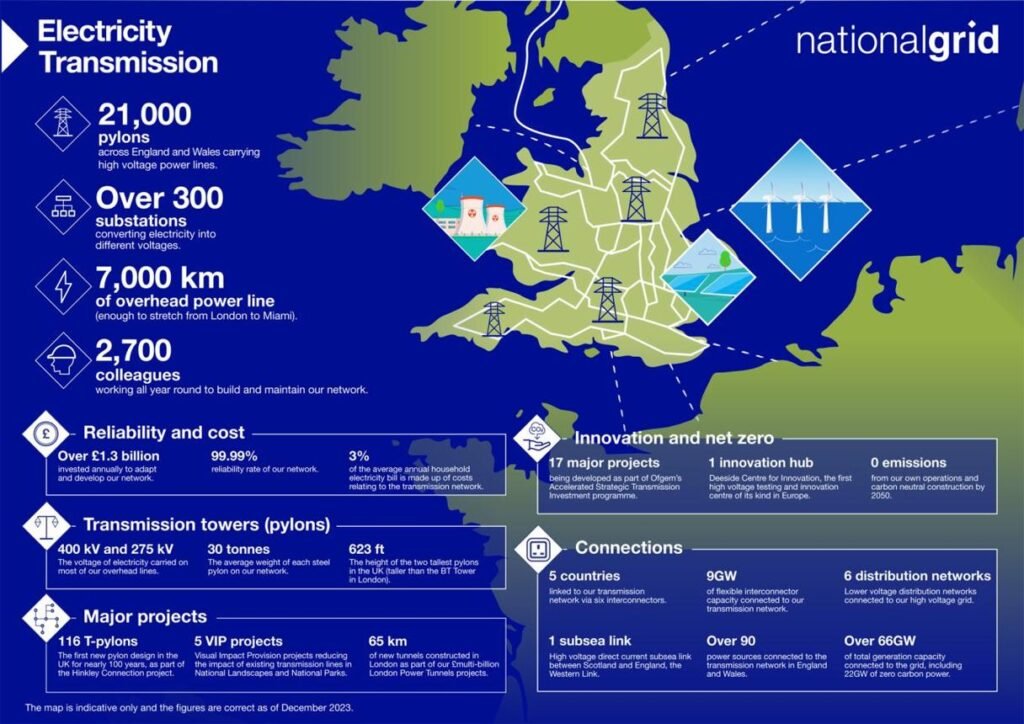
The concerns being raised by grid operators in Britain, Europe and North America suggest this is becoming one of the most important energy challenges of the next decade.
In the context of AI Energy Usage in the UK by 2030, the scale of future demand is already forcing policymakers to rethink long-term electricity planning.

Why AI Uses So Much Electricity
Training AI Models
Modern AI systems require enormous computing power.
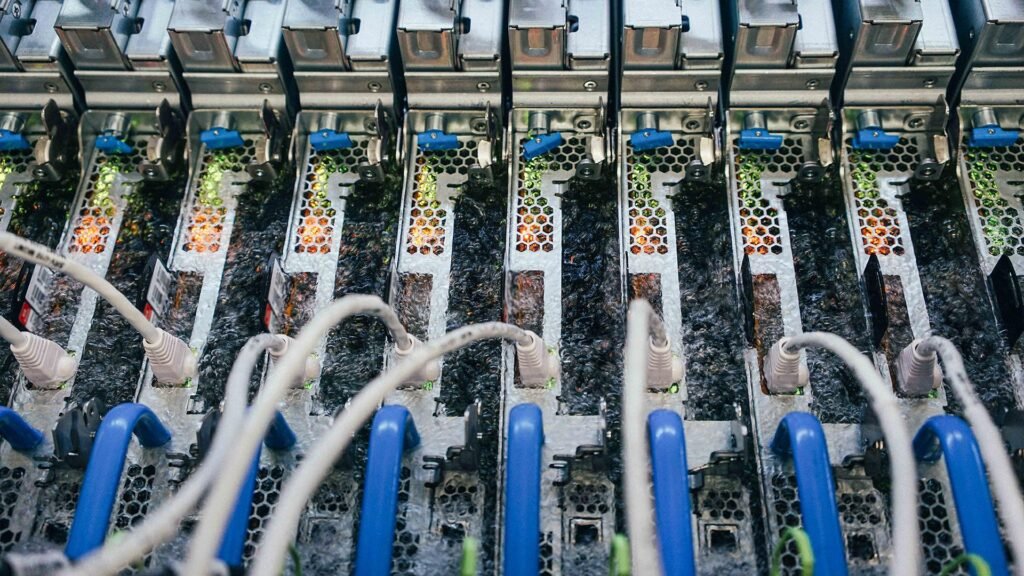
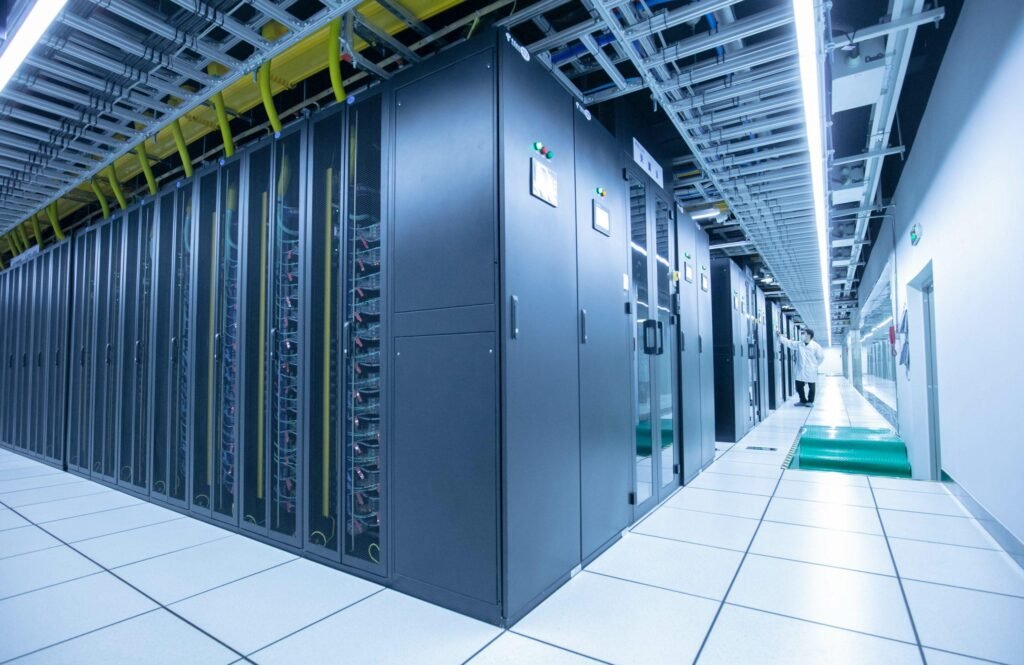
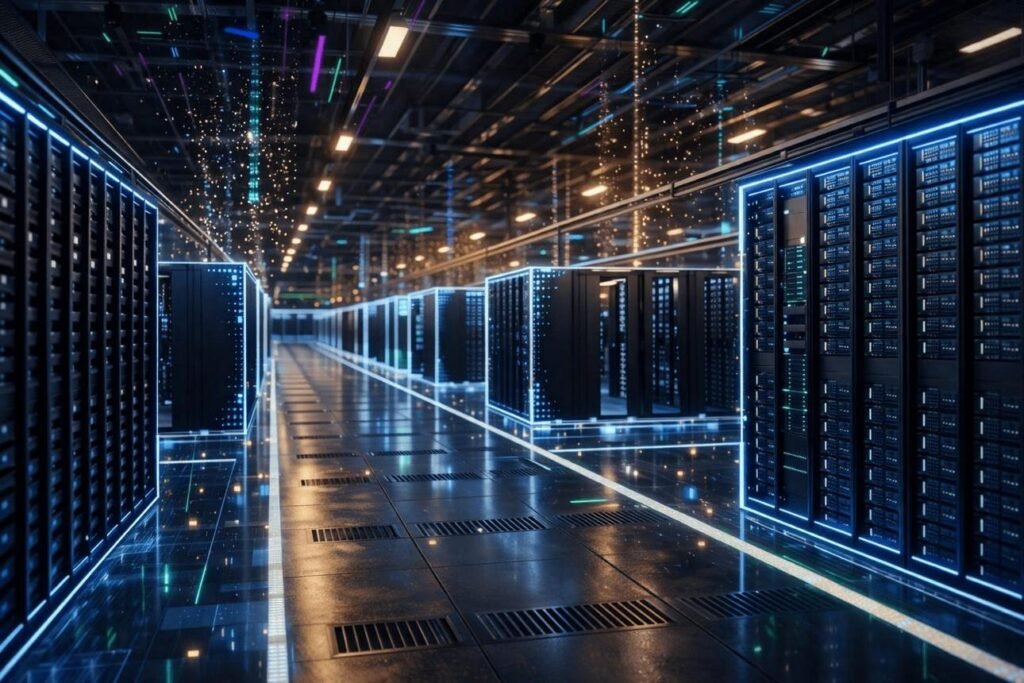
Training large language models can involve thousands of specialised processors operating continuously for weeks or months. Every processor consumes electricity and generates heat, which then requires additional cooling systems.
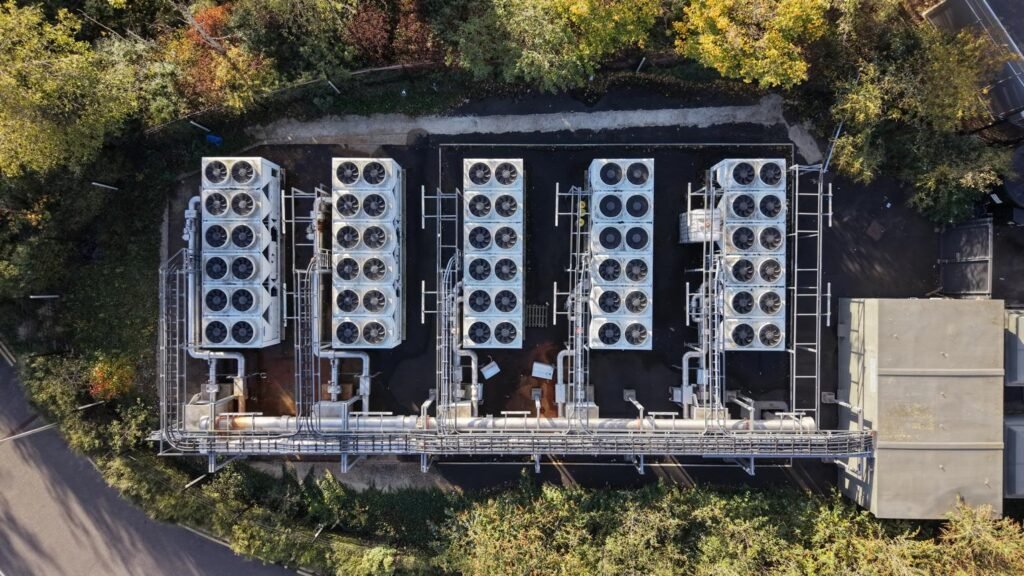
A significant proportion of energy use comes not from the computing itself but from supporting infrastructure such as:
- Cooling systems
- Power conversion equipment
- Backup generators
- Network equipment
- Water circulation systems
The larger the AI model becomes, the greater the electricity requirement.
AI Inference at Scale
Training is only part of the picture.
Once deployed, AI systems continue consuming electricity every time someone submits a query, generates an image or uses an AI-powered service.
Millions of users interacting with AI simultaneously creates a constant electricity demand that operates twenty-four hours a day.
Why Regional Shortages Are More Likely Than National Shortages
Electricity Networks Are Local
One of the biggest misconceptions is that electricity is distributed evenly across a country.
In reality, power networks have local constraints.
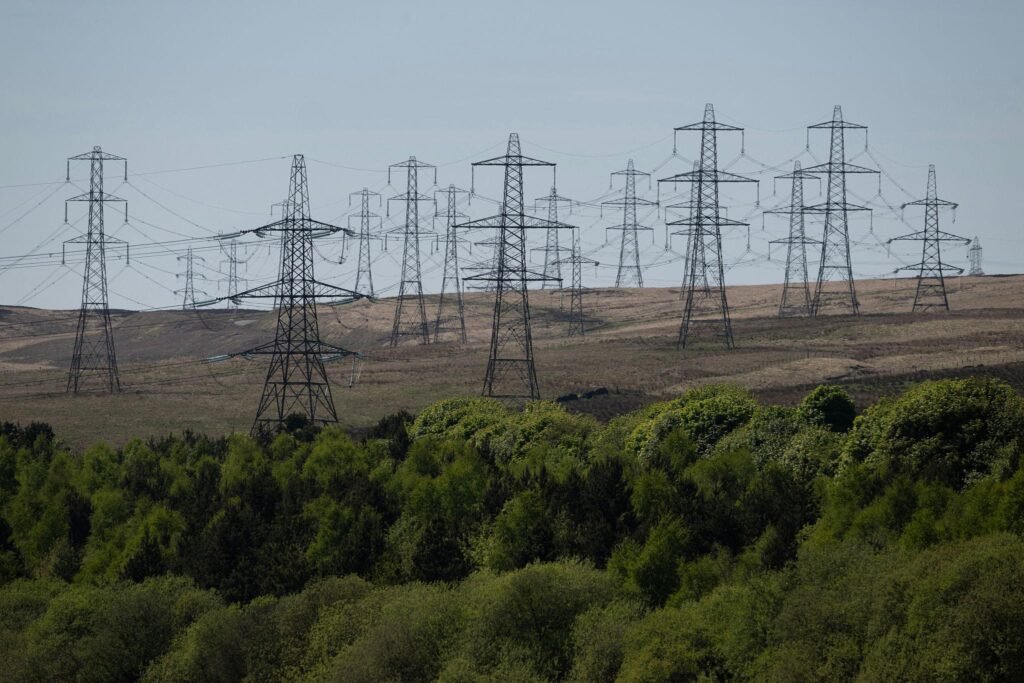
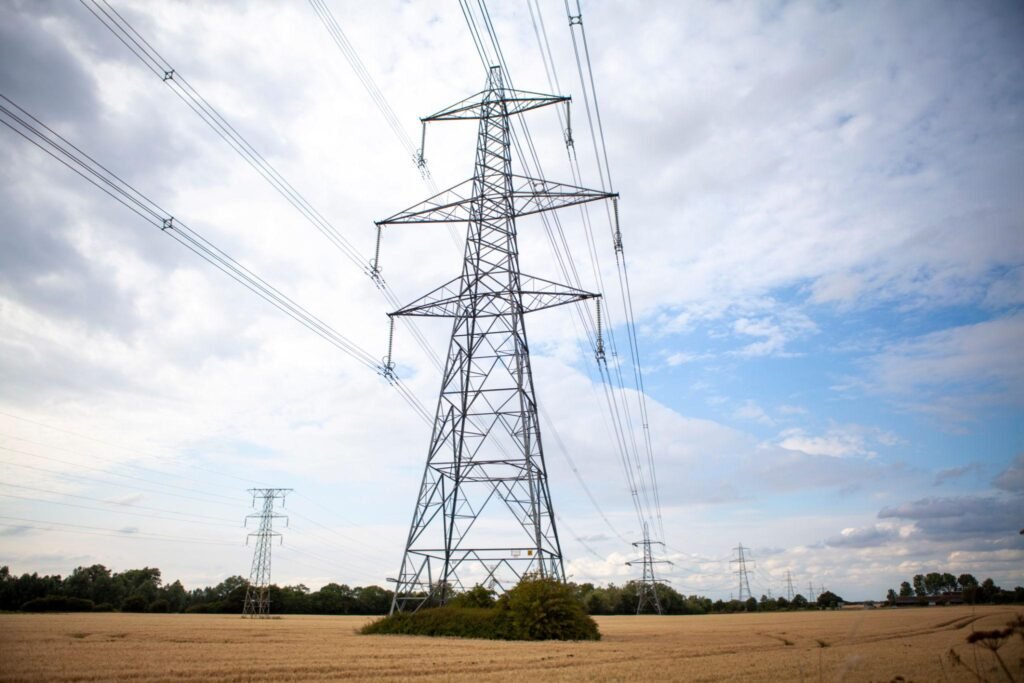
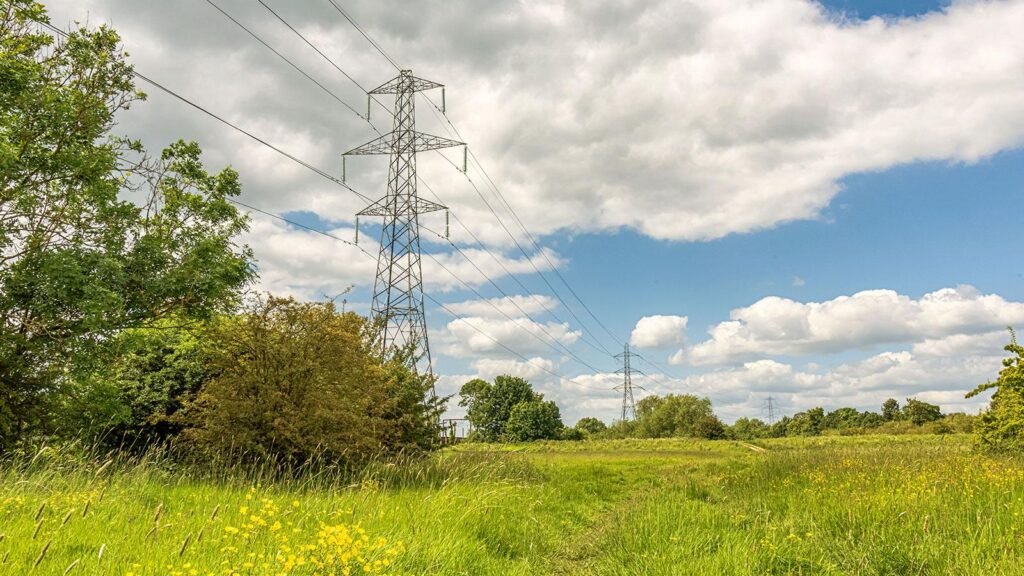
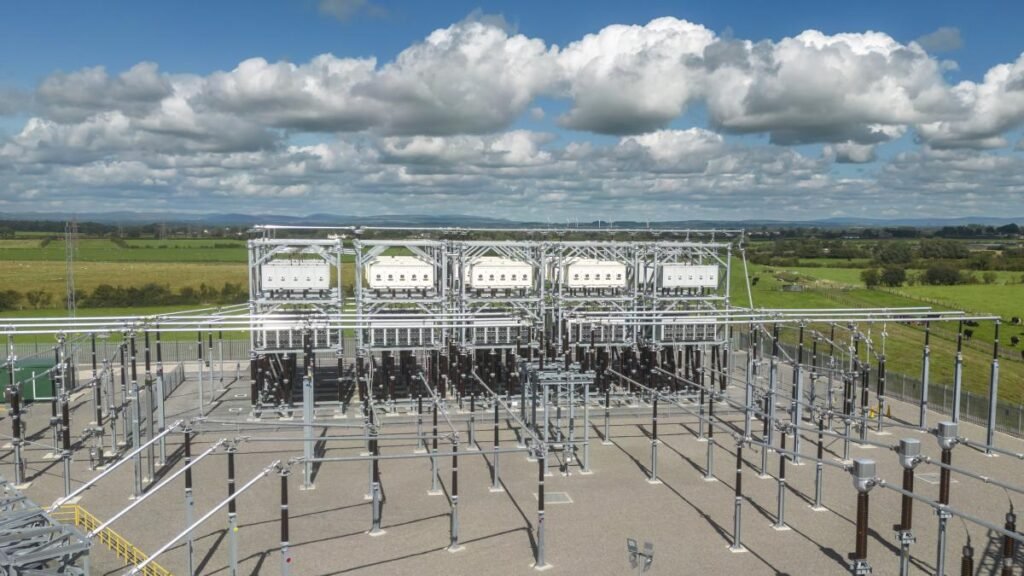
A region may have access to national generation capacity but still struggle because local substations, transmission lines or transformers cannot deliver enough electricity.
This is where AI creates challenges.
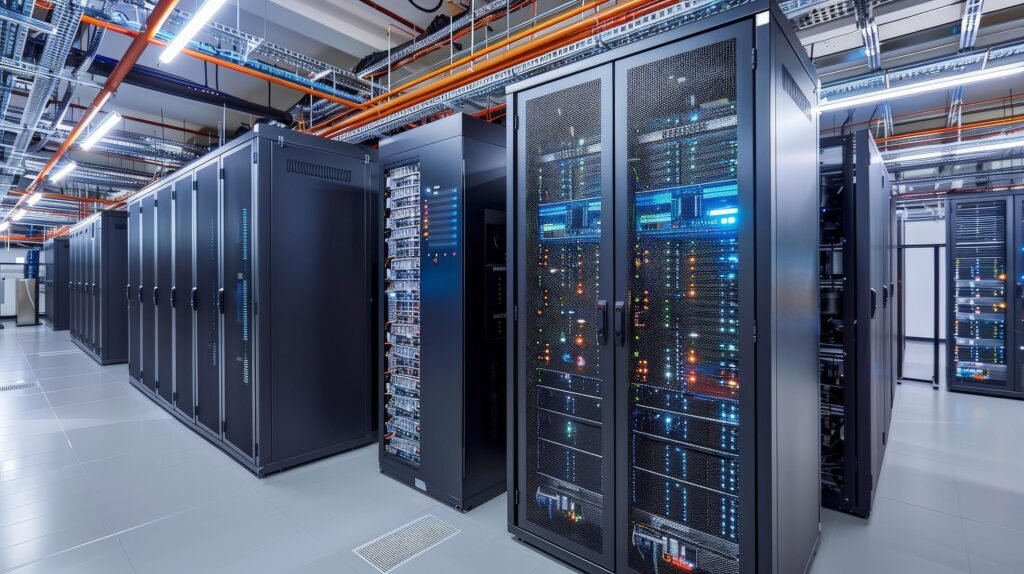
If multiple large data centres are built in the same area, they can rapidly consume available network capacity.
Data Centres Tend to Cluster Together
Technology companies prefer locating data centres near:
- Fibre-optic infrastructure
- Major cities
- Skilled workers
- Existing technology hubs
- Reliable electricity connections
This clustering effect concentrates demand.
Instead of spreading power consumption across Britain, AI infrastructure often focuses demand on specific regions.
Real World Examples Already Emerging

Northern Virginia, USA
Northern Virginia has become the world’s largest data centre market.
Some estimates suggest data centres now consume over a quarter of regional electricity demand.
Utilities have warned that future projects may require substantial grid upgrades before additional connections can be approved.
Dublin, Ireland
Ireland provides one of the clearest warnings.
The rapid growth of data centres around Dublin placed significant pressure on the electricity network.
At various points, concerns became so serious that restrictions were introduced on new data centre connections in certain areas.
This was not because Ireland lacked power stations entirely.
The problem was regional grid capacity.
London and the South East
Britain is beginning to face similar questions.
The London region remains attractive for AI infrastructure because of connectivity and proximity to business customers.
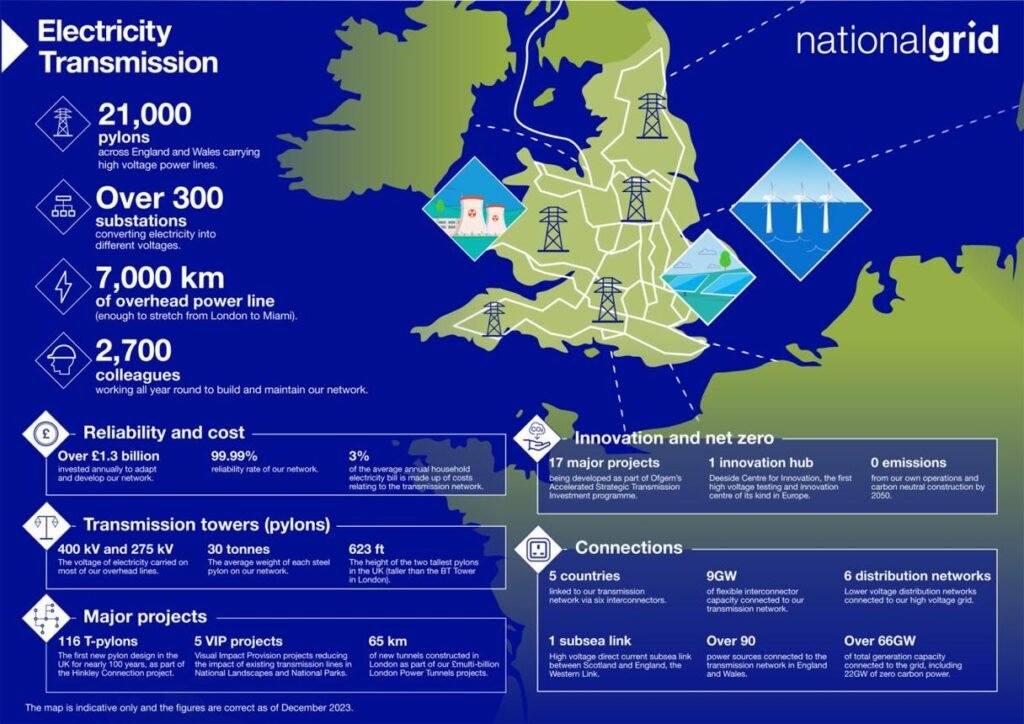
National Grid and distribution operators are already dealing with increasing connection requests from data centres, battery storage projects, EV charging infrastructure and renewable energy developments.
The competition for grid access is becoming increasingly intense.
Could This Happen in the UK?
The Short Answer Is Yes
Britain is unlikely to experience nationwide electricity shortages solely because of AI.
However, regional constraints are already appearing.
National Grid has repeatedly highlighted connection queues where projects wait years for network upgrades.
Adding multiple AI facilities into already congested regions could worsen those delays.
AI Is Competing With Other Electrification Trends
AI does not exist in isolation.
Electricity demand is also rising because of:
- Electric vehicles
- Heat pumps
- Battery storage
- Hydrogen production
- Manufacturing electrification
- New housing developments
Each of these technologies requires additional grid capacity.
When combined, they create unprecedented pressure on local electricity infrastructure.
This is one reason the question explored in What Happens If AI Outgrows the Power Grid? is becoming increasingly important.
The Data Centre Connection Problem
Grid Queues Are Growing
Across Britain, many projects are waiting years for electricity connections.
Some data centres are requesting hundreds of megawatts of capacity.
To put that into perspective:
- A small town may use 20-50 MW
- A large city may use several hundred MW
- A hyperscale AI data centre can approach city-level demand
When several such facilities request connections simultaneously, existing infrastructure can quickly become overwhelmed.
Local Communities May Feel The Impact
Regional shortages do not necessarily mean homes lose power.
Instead, consequences may include:
- Delayed housing developments
- Delayed industrial projects
- Higher infrastructure costs
- Slower economic growth
- Longer connection waiting times
The grid can become a bottleneck.
Could Electricity Prices Increase?

Increased Demand Usually Raises Prices
Economics remains stubbornly predictable despite humanity’s endless attempts to pretend otherwise.
If demand rises faster than supply, prices tend to increase.
Large AI facilities could:
- Increase local wholesale demand
- Require expensive grid upgrades
- Trigger new generation investment
- Increase balancing costs
Some of these costs may eventually be reflected in electricity bills.
Regional Pricing Could Become More Important
Britain is increasingly discussing zonal pricing systems.
Under such arrangements, electricity costs could vary more significantly between regions.
Areas with major AI infrastructure could experience different pricing dynamics compared with regions that have abundant renewable generation.
Could Renewable Energy Solve The Problem?
Partially
Renewables will help support AI growth.
Britain continues to expand:
- Offshore wind
- Solar power
- Battery storage
- Interconnectors
- Flexible demand systems
However, generation alone is not enough.
Electricity still needs to reach where it is required.
Many shortages stem from transmission constraints rather than generation shortages.
Smarter AI Could Reduce Demand
Ironically, AI may help solve some of the problems it creates.
AI can improve:
- Grid forecasting
- Demand management
- Energy efficiency
- Renewable integration
- Equipment maintenance
This aligns closely with the ideas explored in Could AI Help Britain Reach Net Zero Faster?
The Future Outlook
AI Will Become A Major Electricity Consumer
Most energy analysts expect AI-driven electricity demand to continue rising throughout the 2020s and 2030s.
The challenge is not whether electricity demand increases.
The challenge is ensuring infrastructure expands quickly enough.
Regional Bottlenecks Are The Bigger Risk
The most likely scenario is not rolling blackouts across Britain.
Instead, certain regions may experience:
- Grid congestion
- Delayed projects
- Connection restrictions
- Higher infrastructure investment requirements
- Local capacity shortages
These issues are already appearing internationally and could become more common as AI adoption accelerates.
Final Thoughts
AI is unlikely to switch off Britain, but it could absolutely contribute to regional electricity shortages if infrastructure planning falls behind demand.
The experience of Virginia and Dublin demonstrates that data centres can place substantial pressure on local electricity networks. Britain faces the same risk as AI, electric vehicles, heat pumps and industrial electrification all compete for limited grid capacity.
The next decade will largely depend on how quickly transmission networks, substations and generation projects can be expanded. If investment keeps pace, AI may become another major electricity consumer without causing serious disruption. If it does not, regional bottlenecks could emerge long before the country runs out of electricity.
In many ways, the future question is not whether Britain can generate enough power for AI. It is whether that power can be delivered to the right place at the right time. Humanity built machines capable of writing poetry, diagnosing diseases and generating cat pictures on demand. The difficult part, as usual, is building enough cables and substations.