For AI and energy audiences, this is actually one of the most fascinating long-term questions. Humans have spent decades chasing fusion power because the prize is enormous: effectively limitless low-carbon electricity. The catch, naturally, is that physics has a habit of ignoring business plans.
Cold fusion, now more commonly referred to as Low Energy Nuclear Reactions (LENR), remains unproven as a commercial energy source. However, if it ever became scientifically validated and commercially viable, it could fundamentally change the economics of AI, data centres and global electricity systems.
Could Cold Fusion Power Eventually Support AI?
AI Has An Energy Problem
Artificial intelligence is becoming one of the fastest-growing sources of electricity demand worldwide.
Large AI models require vast amounts of computing power. Training a frontier AI model can consume millions of kilowatt-hours of electricity, while AI-powered data centres operate continuously and require substantial cooling systems.
The challenge is becoming increasingly apparent. Major technology firms are investing billions in new data centres while electricity networks struggle to connect them.
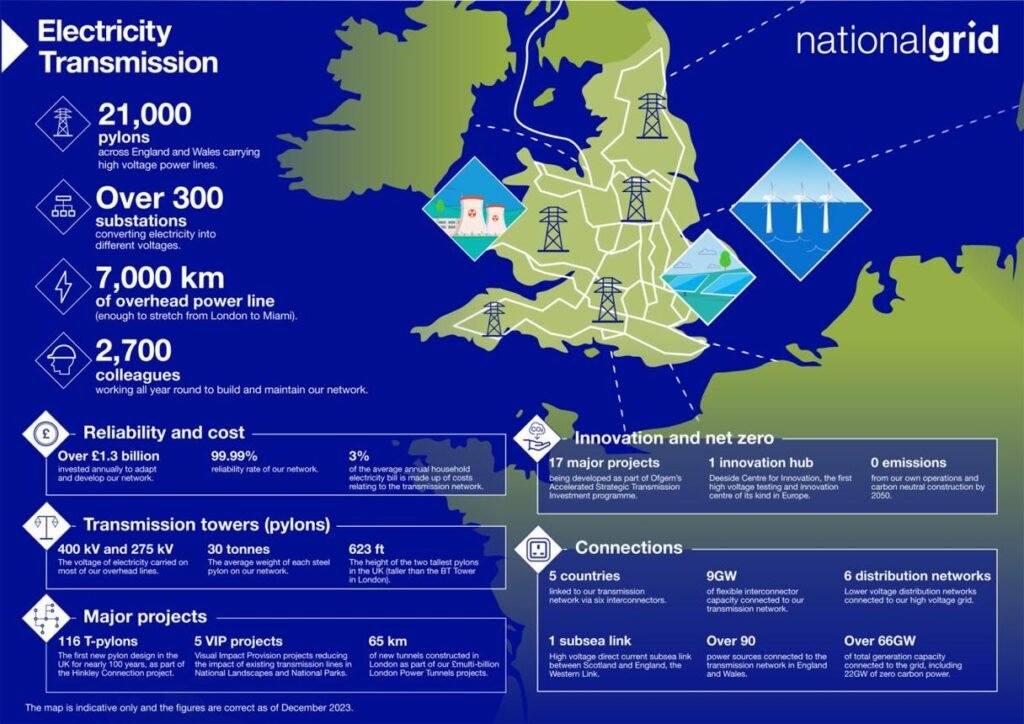
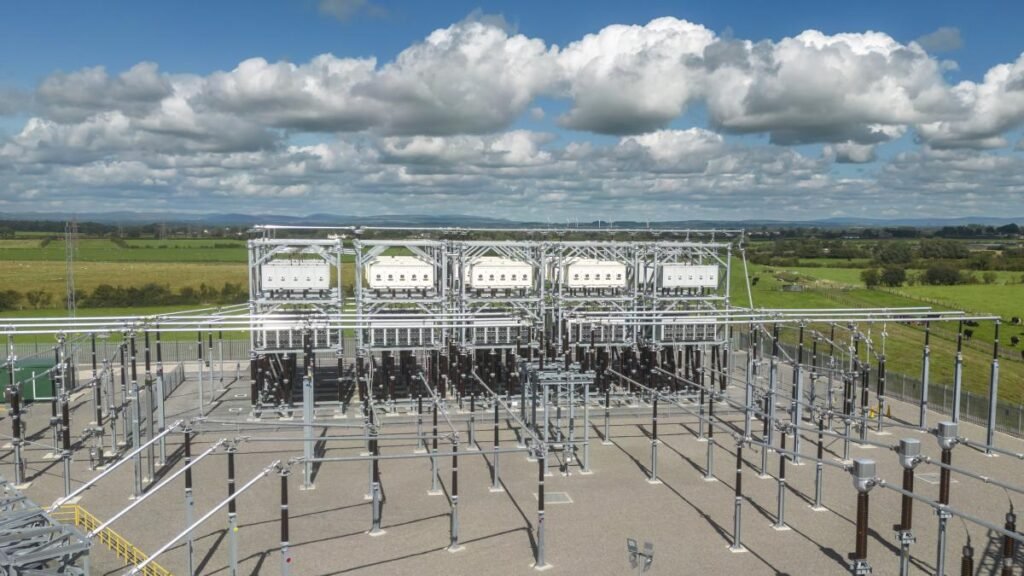
As explored in How Much Grid Investment Will AI Require?, future AI deployment may require major upgrades to transmission networks, substations and generation capacity.
The question is simple: where will all that electricity come from?
What Is Cold Fusion?
The Original Claim
Cold fusion became famous in 1989 when researchers Martin Fleischmann and Stanley Pons announced that they had achieved nuclear fusion at room temperature.
If true, it would have been revolutionary.
Conventional fusion requires temperatures hotter than the centre of the Sun. Cold fusion suggested similar reactions could occur under far milder conditions.
Unfortunately, other laboratories could not reliably reproduce the results.
The scientific community largely rejected the original claims.
Modern LENR Research
Research never completely disappeared.
A small number of scientists and private companies continue investigating LENR technologies, arguing that unexplained excess heat effects deserve further study.
To date, however, no LENR system has demonstrated repeatable, independently verified commercial power generation.
That means cold fusion remains speculative rather than established science.
Why Fusion Matters For AI
Electricity Demand Is Exploding

AI data centres are becoming increasingly power hungry.
Industry forecasts suggest global data centre electricity demand could more than double during the coming decade as AI adoption expands.
Major technology companies including Microsoft, Google, Amazon and Meta are investing heavily in both renewable and nuclear energy projects to secure future electricity supplies.
The reason is straightforward.
AI growth is increasingly constrained by power availability rather than processor availability.
Current Energy Sources Have Limits
Renewables are expanding rapidly but remain weather dependent.
Natural gas provides reliable generation but produces carbon emissions.
Conventional nuclear offers dependable baseload power but requires long development times and high upfront costs.
If fusion became practical, it could potentially combine the best characteristics of all three:
- Extremely high energy density
- Minimal carbon emissions
- Continuous operation
- Reduced fuel requirements
- Smaller land footprint
How Cold Fusion Could Transform AI
Near-Unlimited Electricity
If commercial cold fusion became reality, electricity costs could potentially fall dramatically.
AI developers could train larger models without worrying about energy budgets.
Data centres could expand without requiring huge grid upgrades.
Many of today’s infrastructure constraints could disappear.
This is one reason fusion attracts so much attention from investors and governments.

- Full control over your heating with the tado° app from anywhere, reduce your energy consumption and save money with the …
- Heating Boost: heat up all rooms for 30 minutes with one click in the app
- Smart Schedules for the perfect temperature individually in each room, at any time; only active when someone’s home; can…
Smaller Power Sources
Traditional power stations are large centralised facilities.
A successful cold fusion system could theoretically be much smaller.
Future AI campuses might generate electricity on-site rather than relying entirely on national grids.
That could reduce transmission losses and improve resilience.
Reduced Environmental Impact
AI’s environmental footprint is receiving increasing scrutiny.
Electricity consumption, water use and carbon emissions are becoming major policy concerns.
If fusion provided abundant clean electricity, many of these concerns could be significantly reduced.
The environmental debate surrounding AI could look very different.
The Bigger Reality Check
Conventional Fusion Is Already Difficult
Before discussing cold fusion, it is worth noting that even conventional fusion remains under development.
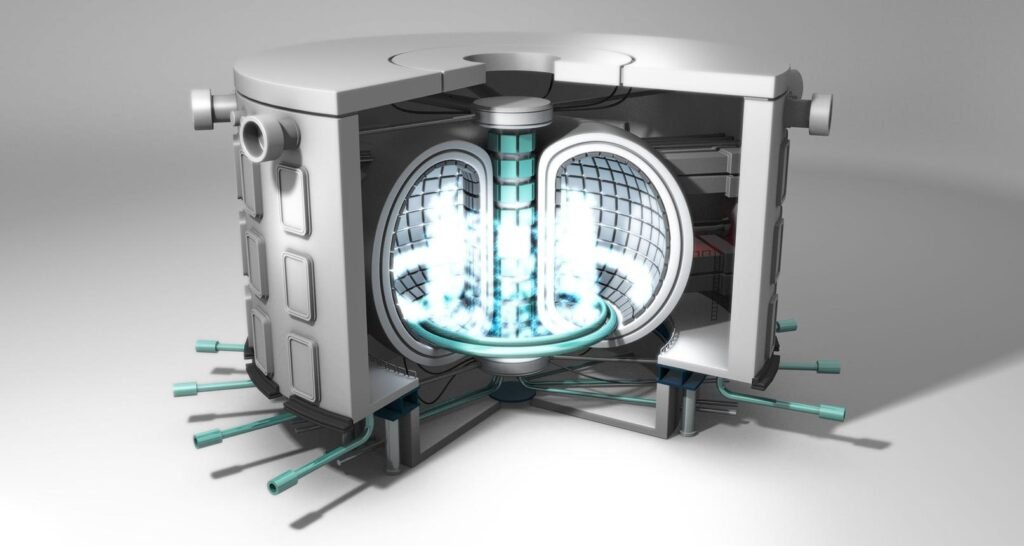
Projects such as ITER and the National Ignition Facility have achieved significant milestones, but commercial fusion power plants have not yet entered widespread operation.
If conventional fusion still faces engineering challenges after decades of research, cold fusion faces an even steeper path because its underlying mechanisms remain disputed.
Most Experts Remain Sceptical
The overwhelming majority of nuclear physicists do not currently regard cold fusion as proven.
That does not mean future breakthroughs are impossible.
Science occasionally surprises us.
However, investors, governments and energy planners cannot build future electricity strategies around technologies that have not yet been demonstrated.
What Is More Likely To Power AI?

Over the next 20 years, AI is more likely to be powered by:
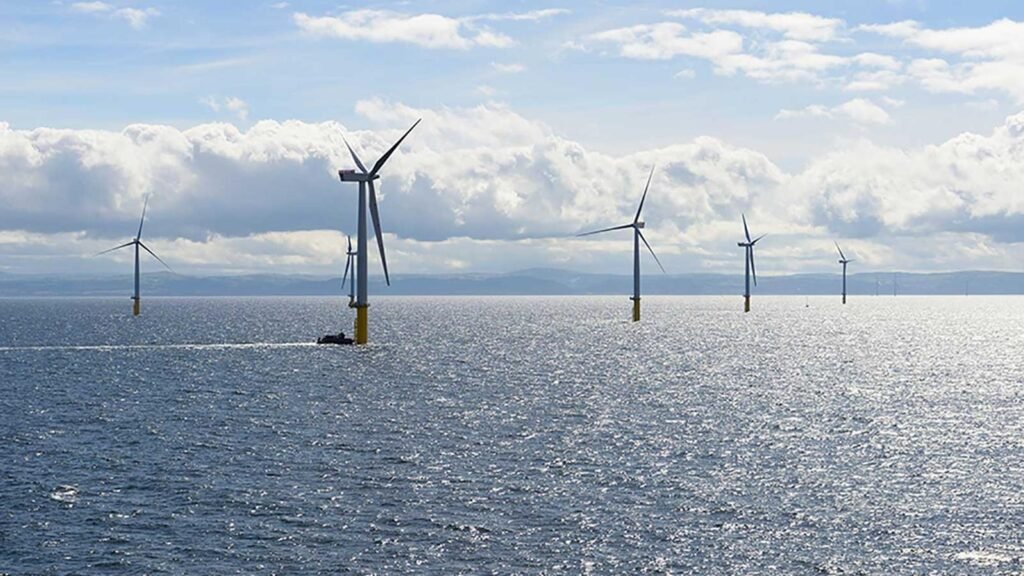
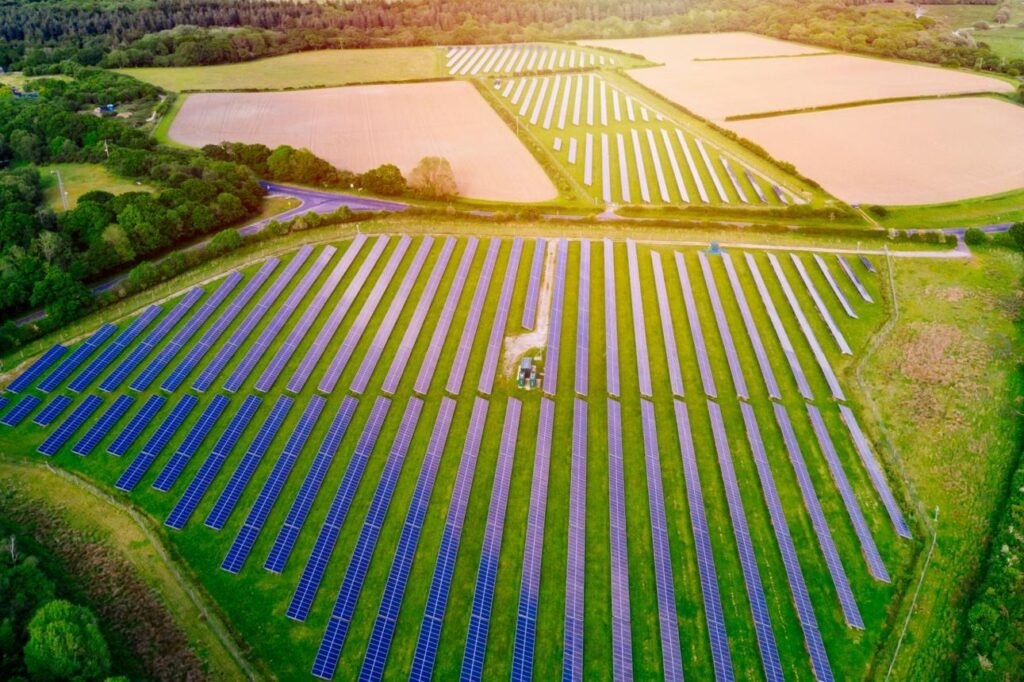
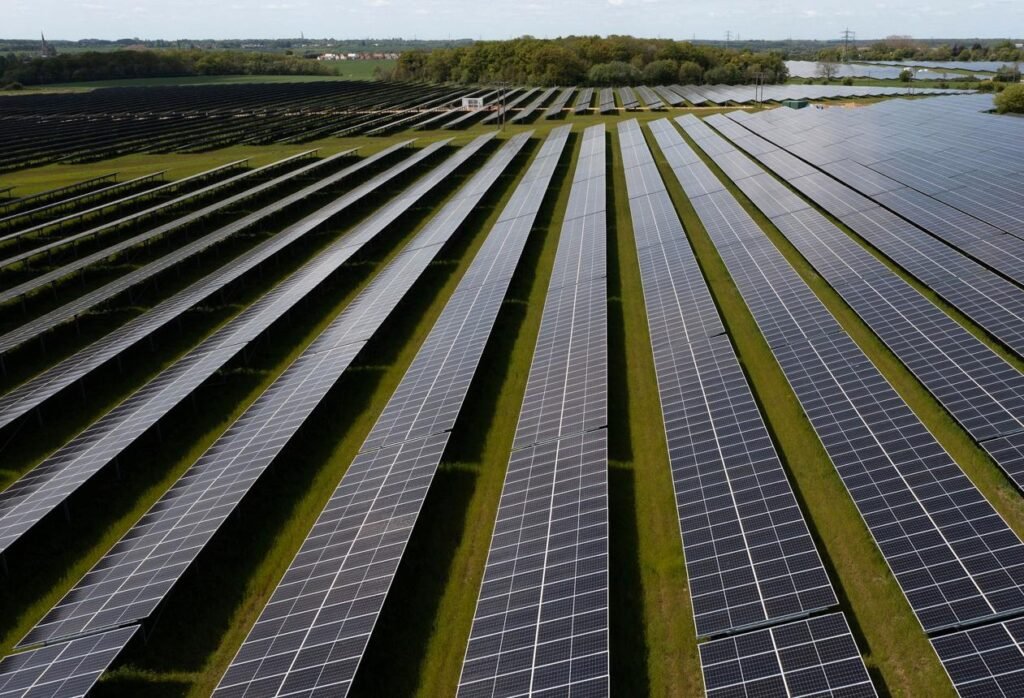
Renewables
Wind and solar generation continue to fall in cost and expand globally.
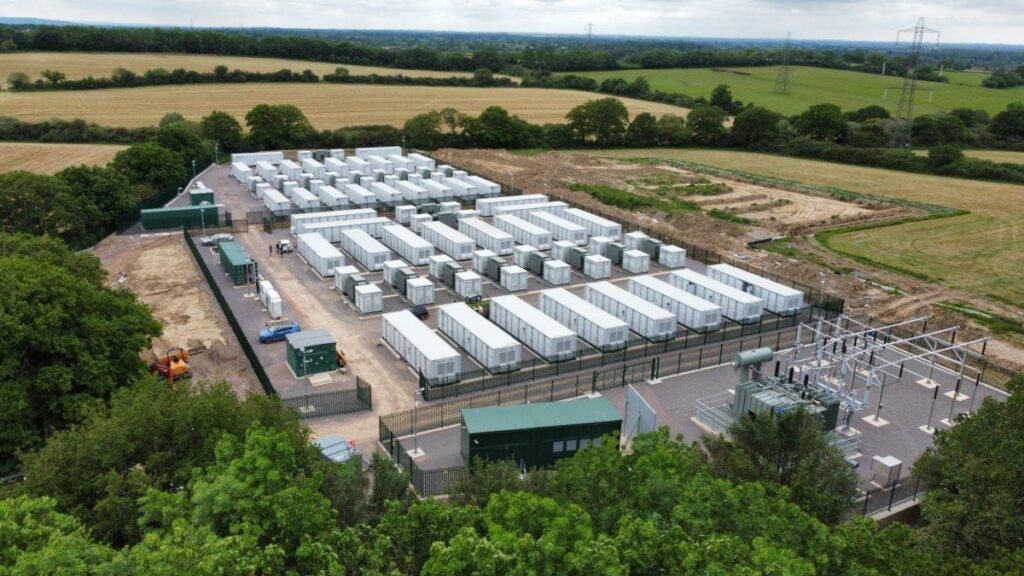
Battery Storage
Advanced batteries are helping smooth renewable output and support grid stability.
Small Modular Reactors
Many experts believe Small Modular Reactors (SMRs) could become an important source of dedicated power for AI data centres.
Improved Grids
As discussed in Could AI Accelerate Smart Grid Deployment?, smarter networks may unlock significant capacity without requiring entirely new infrastructure.

- SAVES ENERGY AND HEATING COSTS: With the intelligent heater thermostat X from tado°, the experts for smart heating, user…
- EASY DIY INSTALLATION, EVEN OFFLINE: The included adapter allows the thermostat to be fitted to almost every radiator va…
- CONTROL VIA APP: The thermostat has numerous features for your heating system, such as smart scheduling, temperature con…
Could It Happen By 2050?
The honest answer is nobody knows.
A commercial cold fusion breakthrough next year would transform global energy markets.
A breakthrough may also never arrive.
Based on current evidence, energy planners should assume cold fusion will not contribute materially to AI power supplies during the next decade.
By 2050, however, predicting technological breakthroughs becomes far more difficult.
History is full of technologies that appeared impossible until they suddenly became practical.
Final Thoughts
Could cold fusion eventually support AI?
Yes, if it proves real, scalable and commercially viable.
Could it become one of the most important energy technologies ever developed?
Potentially.
Is it likely to power the next generation of AI data centres being built today?
Almost certainly not.
For now, AI’s future electricity supply will be dominated by renewables, battery storage, grid upgrades, conventional nuclear power and potentially Small Modular Reactors. Cold fusion remains one of the most intriguing possibilities in energy research, but it remains a possibility rather than a proven solution.
The irony is almost poetic. Humanity built machines capable of writing software, generating images and arguing on the internet at industrial scale, yet we still haven’t solved the question of how to provide limitless clean electricity. The robots are waiting. The power stations are the bottleneck.
Reference Material
- International Energy Agency – Electricity 2025 Report
- ITER – Fusion development programme
- National Ignition Facility – Fusion ignition research
- UK Atomic Energy Authority
- International Atomic Energy Agency
- Lawrence Livermore National Laboratory
- World Nuclear Association
- Department for Energy Security and Net Zero