The UK’s energy sector is significantly better prepared for cyber attacks than it was a decade ago. However, when it comes to AI-driven cyber attacks, the honest answer is that preparation levels vary dramatically across the industry.
Large transmission operators, electricity networks and major generation companies have invested heavily in cyber resilience. Smaller suppliers, contractors, third-party service providers and operational technology environments remain areas of concern.
The uncomfortable reality is that artificial intelligence is making cyber criminals faster, cheaper and more effective. Defenders are also using AI, but the race is becoming increasingly competitive.
Government agencies, regulators and energy companies are actively strengthening defences, yet most experts agree the sector is entering a period where cyber threats will evolve faster than traditional security programmes can adapt.
The UK Energy Sector Is a Prime Target
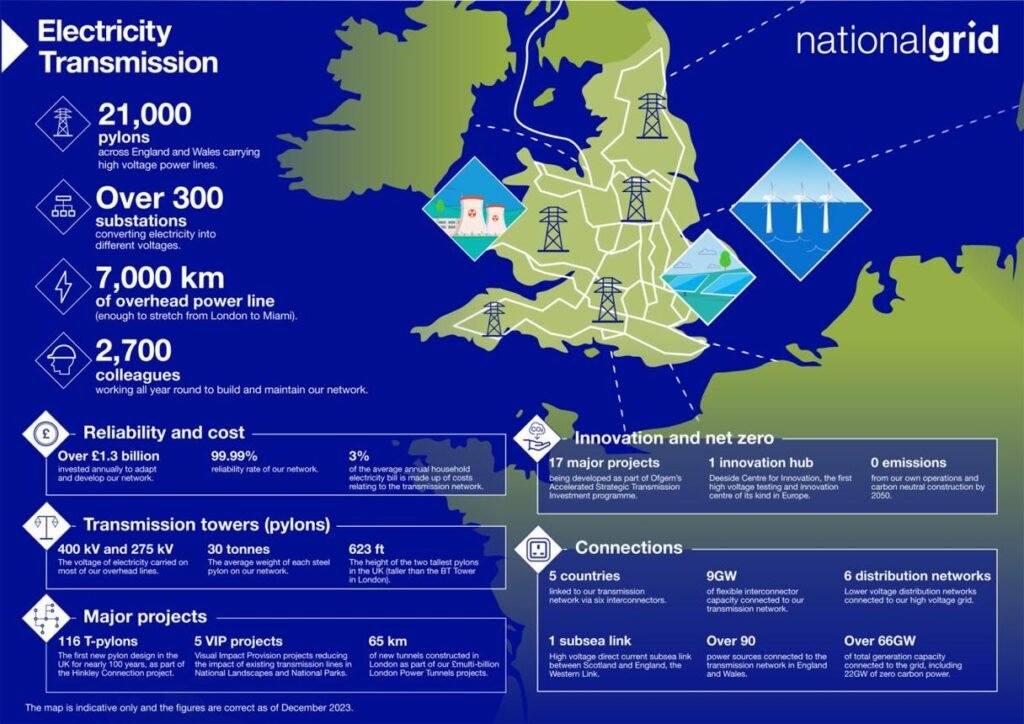
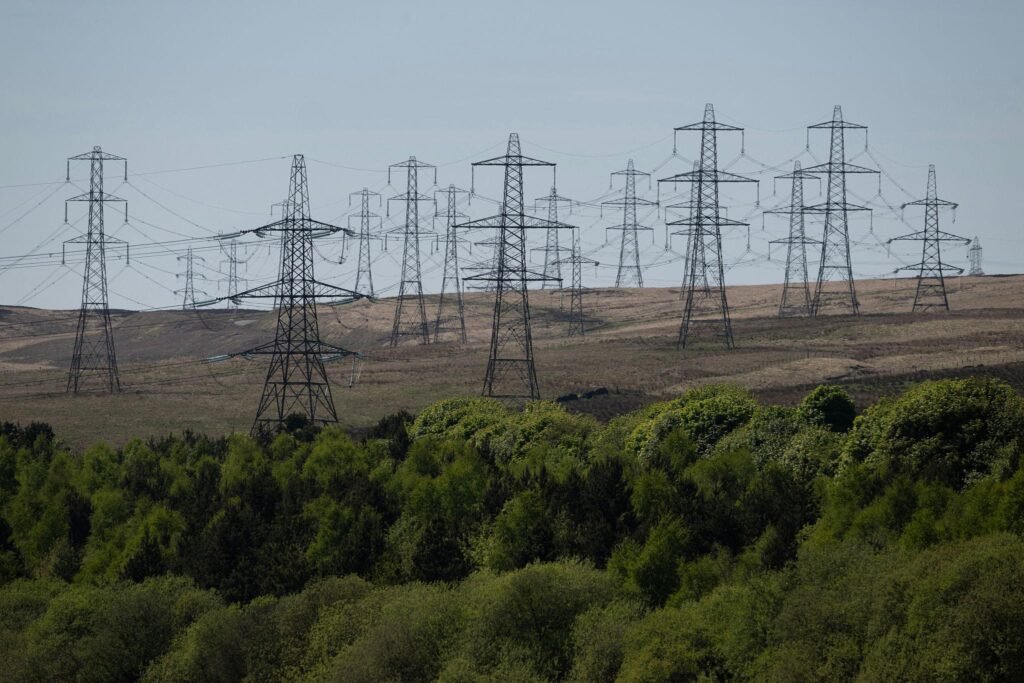
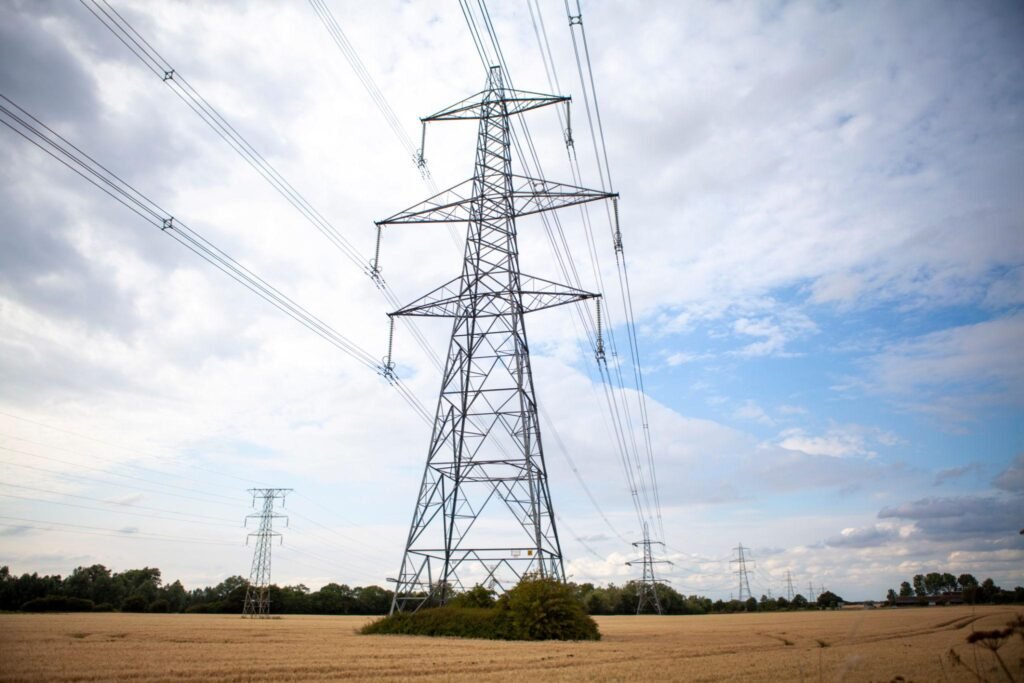
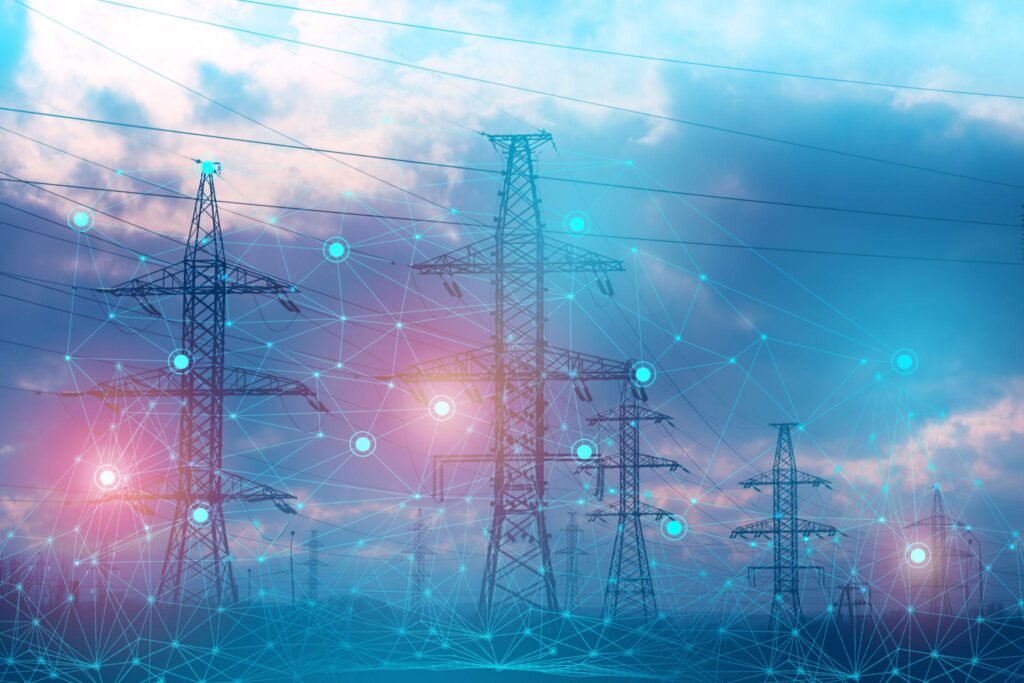
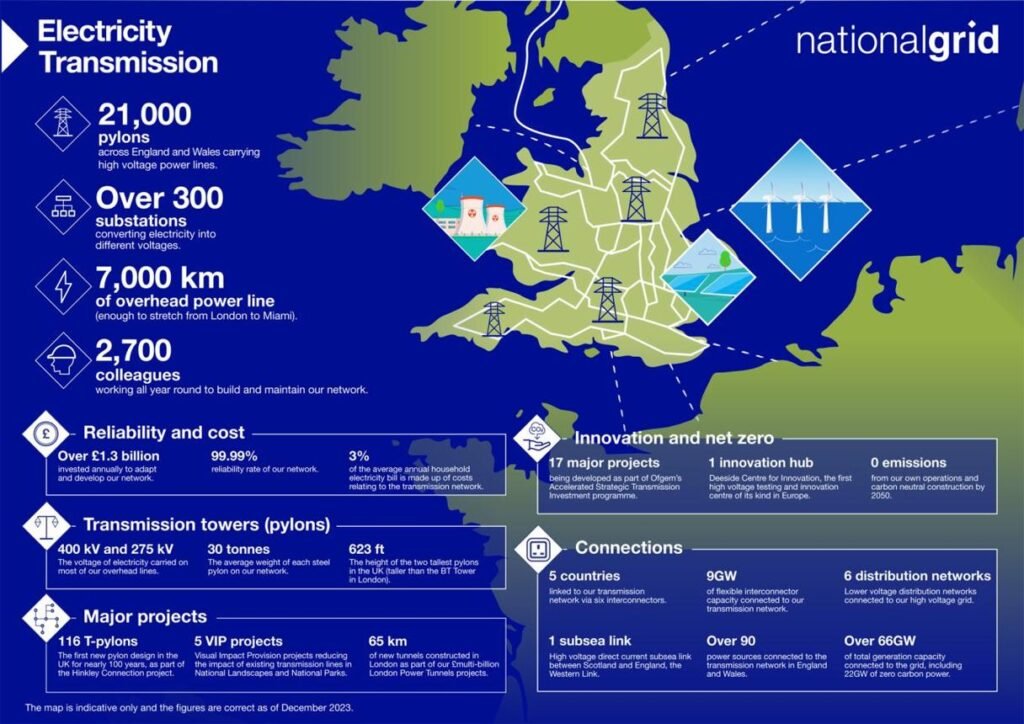
Energy infrastructure sits within the UK’s Critical National Infrastructure (CNI).
This means any successful attack could potentially affect:
- Electricity generation
- Transmission networks
- Distribution networks
- Gas infrastructure
- Renewable energy facilities
- Data centres
- Industrial facilities
- Energy suppliers
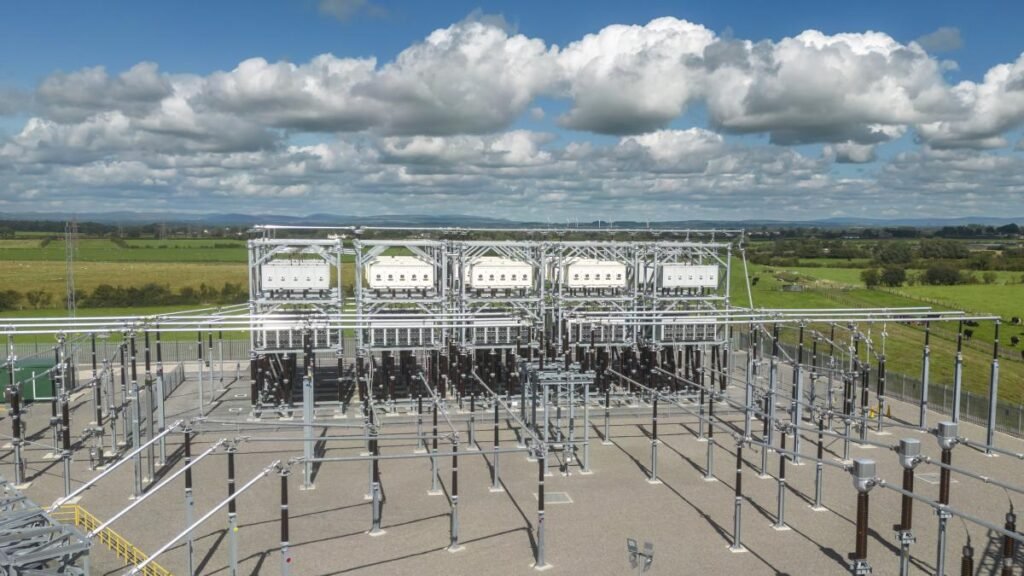
The UK’s energy system is increasingly digital. Smart grids, smart meters, remote monitoring systems, cloud platforms and AI-assisted operations all improve efficiency but create additional attack surfaces.

- Gigabit Wi-Fi for 8K Streaming – 5400 Mbps Wi-Fi for faster browsing, streamings, and downloading, all at the same time
- Wi-Fi 6 VPN Router– Equips with the top structure of 4T4R and HE160 on the 5 GHz band to enable a 4.8 Gbps ultra-fast co…
- Connect 100+ Devices– Supports MU-MIMO and OFDMA to reduce congestion and quadruple the average throughput
What Makes AI-Driven Cyber Attacks Different?
AI Makes Attackers More Efficient
Historically, cyber attacks required significant technical expertise.
Today, AI tools can help attackers:
- Generate convincing phishing emails
- Create deepfake audio and video
- Identify vulnerabilities automatically
- Develop malicious code faster
- Analyse stolen data
- Conduct reconnaissance at scale
- Launch highly targeted social engineering campaigns
The National Cyber Security Centre has repeatedly warned that AI is accelerating the speed and volume of cyber threats facing critical infrastructure.
Human Weaknesses Become Easier to Exploit
The most successful attacks often target people rather than technology.
AI-generated phishing emails are becoming increasingly difficult to distinguish from genuine communications.
A convincing message appearing to come from a senior executive, regulator or supplier could potentially bypass traditional human checks.
This is particularly concerning within energy companies where operational decisions can have immediate real-world consequences.
Where the UK Is Strong
National Cyber Security Centre Oversight

The UK’s biggest advantage is the presence of the National Cyber Security Centre.
The NCSC works directly with energy operators, regulators and government departments to improve resilience across critical infrastructure sectors.
Its Cyber Assessment Framework has become a key benchmark for assessing security maturity across essential services.
Increased Regulatory Pressure
The government has continued expanding cyber resilience requirements for critical infrastructure operators.
Recent reforms focus on:
- Faster incident reporting
- Stronger cyber governance
- Improved resilience testing
- Supply chain security
- Operational technology protection
These measures are specifically designed to improve preparedness against increasingly sophisticated threats.
Investment Has Increased
Major energy organisations now operate:
- Security Operations Centres
- Threat intelligence teams
- Red team exercises
- Continuous monitoring systems
- Incident response programmes
- Operational technology security teams
This is a significant improvement compared with the situation ten years ago.
Where the UK Remains Vulnerable
Legacy Infrastructure
Many energy assets were never designed with modern cyber threats in mind.
Some operational technology systems remain:
- Decades old
- Difficult to patch
- Connected to modern networks
- Dependent on specialist software
Attackers often target these older environments because they present fewer obstacles than modern IT systems.

- SECURITY KEY: Protect your online accounts against unauthorized access by using 2 factor authentication with the Yubico …
- FIDO: The Yubico Security Key NFC is FIDO certified and works with Google Chrome and any FIDO-compliant application on W…
- FITS USB-A PORTS: Once registered, each service will request you to insert the Yubico PC Security Key into a USB-A port …
Supply Chain Weaknesses
One of the biggest concerns is not necessarily the major energy companies themselves.
Instead, attackers may target:
- Contractors
- Equipment suppliers
- Software vendors
- Managed service providers
- Remote maintenance providers
Recent global cyber incidents have repeatedly shown that third-party suppliers can become the weakest link.
Skills Shortages
Cyber security professionals remain in short supply across the UK.
AI expertise combined with industrial control system knowledge is even rarer.
Many organisations are competing for the same limited pool of specialists.
Could AI Cause a Major UK Energy Disruption?
Theoretically, yes.
Realistically, it would be extremely difficult.
The UK’s energy sector includes multiple layers of defence, redundancy and operational safeguards.
However, AI could significantly improve an attacker’s ability to:
- Gain initial access
- Remain undetected
- Move across networks
- Identify vulnerabilities
- Target operational systems
The greatest risk may not be a dramatic national blackout.
Instead, experts often worry about smaller but highly disruptive incidents affecting regional networks, suppliers, industrial sites or operational services.
This is closely related to the issues discussed in Could a Cyber Attack Cause UK Blackouts?
The Industry Is Fighting AI With AI

The encouraging news is that defenders are also embracing artificial intelligence.
AI systems are increasingly used for:
- Threat detection
- Behaviour analysis
- Network monitoring
- Vulnerability discovery
- Incident response
- Automated investigation
GCHQ recently revealed new AI-powered cyber defence capabilities designed to strengthen protection of critical national infrastructure across the UK.
The challenge is that attackers are adopting many of the same technologies.
Are Energy Suppliers Ready?
The answer depends on which organisation you examine.
Some of the UK’s largest operators have mature cyber security programmes and extensive regulatory oversight.
Others remain vulnerable because of:
- Budget limitations
- Legacy technology
- Staffing shortages
- Supply chain complexity
- Rapid digital transformation
Research published in 2025 found that 62% of UK energy organisations had experienced a cyber breach or attack within the previous twelve months.
That does not mean defences are failing.
It means attackers are active, persistent and increasingly sophisticated.

- Full HD streaming: Logitech C922 provides two streaming qualities to choose from. Whether you’re after full HD 1080p at …
- Multiple mounting options including tripod: This HD streaming webcam comes equipped with a versatile tripod. Mount the U…
- Auto-lighting corrections: Alongside full HD streaming over wifi, this gaming webcam is equipped with autofocus and inst…
The Impact of AI Expansion
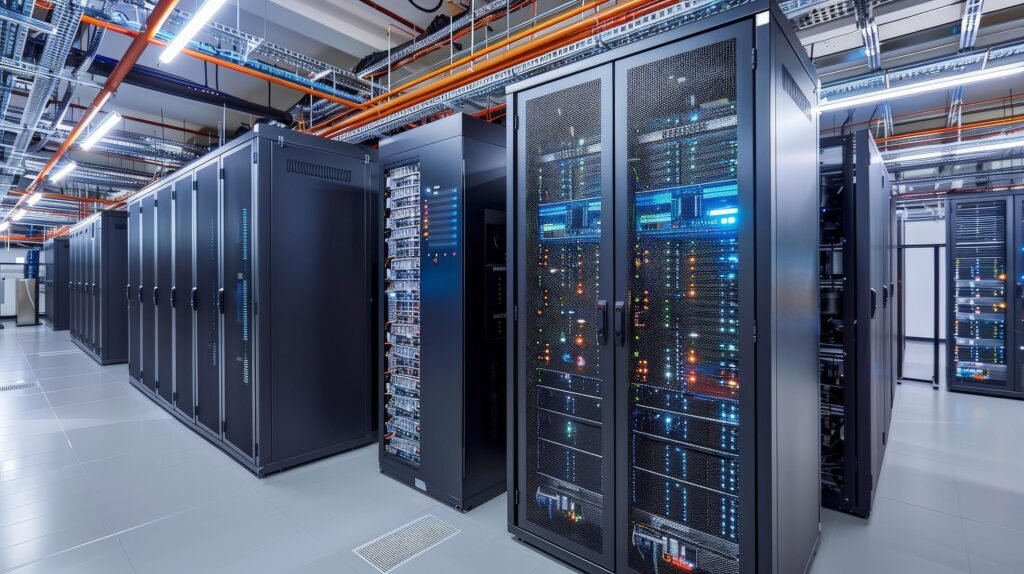
As AI infrastructure grows, the energy sector itself becomes increasingly important.
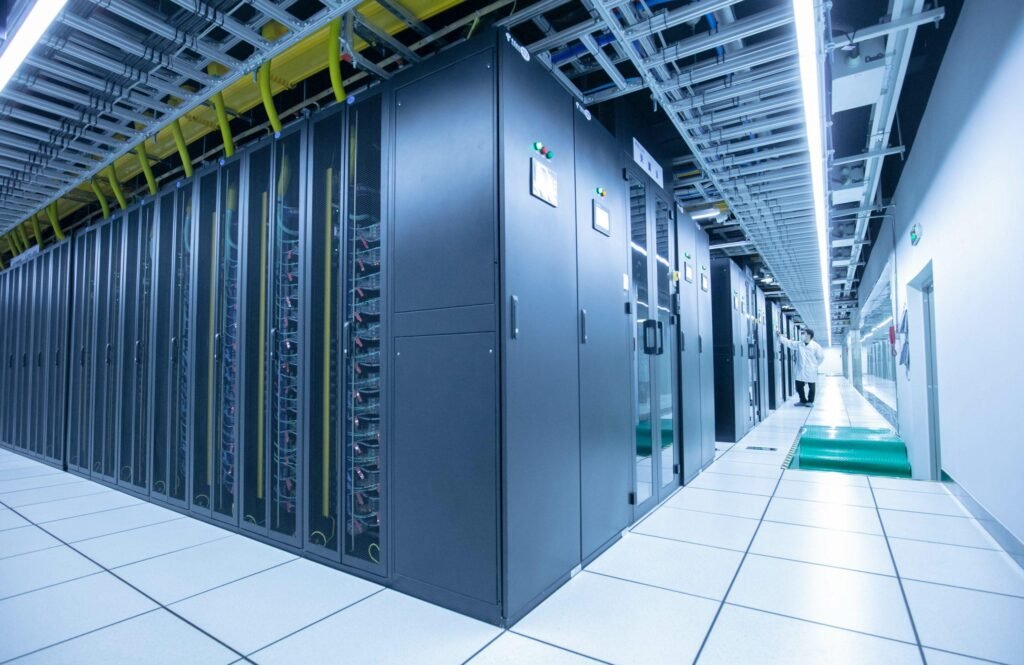
The rise of data centres, AI computing clusters and digital infrastructure means that both electricity demand and cyber risk are increasing simultaneously.
This creates a situation where:
- Energy systems become more digital
- AI systems become more dependent on electricity
- Cyber attacks become more sophisticated
- National resilience becomes more important
Final Verdict
The UK energy sector is better prepared for AI-driven cyber attacks than many countries thanks to strong involvement from the NCSC, increasing regulation, significant investment and mature critical infrastructure security programmes.
However, “prepared” does not mean “safe”.
AI is accelerating the cyber threat landscape faster than many organisations can adapt. Legacy systems, supply chain vulnerabilities, workforce shortages and increasingly sophisticated adversaries mean the risk continues to grow.
The most realistic assessment is that the UK energy sector is moderately prepared today, but must continue investing heavily in cyber resilience if it wants to stay ahead of the next generation of AI-enabled attacks.
The real question is not whether AI-driven attacks will target the UK’s energy infrastructure.
It is whether defenders can evolve faster than the attackers. Recent warnings from the NCSC suggest that challenge is already underway.
Reference Material and Research
- National Cyber Security Centre Critical National Infrastructure Guidance
- National Cyber Security Centre Annual Review 2025
- Department for Energy Security and Net Zero Energy Sector Cyber Security Strategy
- National Energy System Operator Cyber Resilience Initiatives
- International Energy Agency AI and Energy Security Report