The idea that energy suppliers are using artificial intelligence “against” consumers sounds dramatic, but it is a question many customers are increasingly asking.
As AI becomes more deeply embedded within the UK’s energy industry, suppliers are using advanced algorithms, predictive analytics and automated decision-making systems to manage customers, predict behaviour, detect fraud and optimise profits.
The important question is not whether AI is being used.
It is.
The question is whether it is benefiting consumers, suppliers, or both.
The answer, like most things involving large corporations and technology, sits somewhere in the uncomfortable middle.
AI Is Already Embedded Across UK Energy Suppliers
Most major UK suppliers now use some form of AI or machine learning.
Examples include:
- Customer service chatbots
- Billing analysis
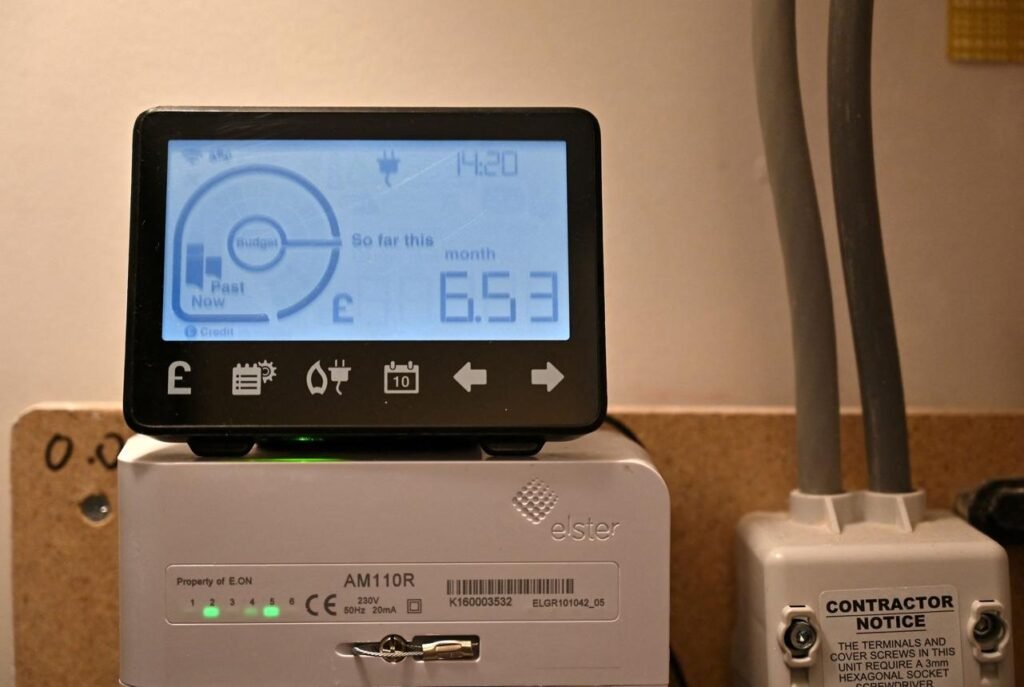
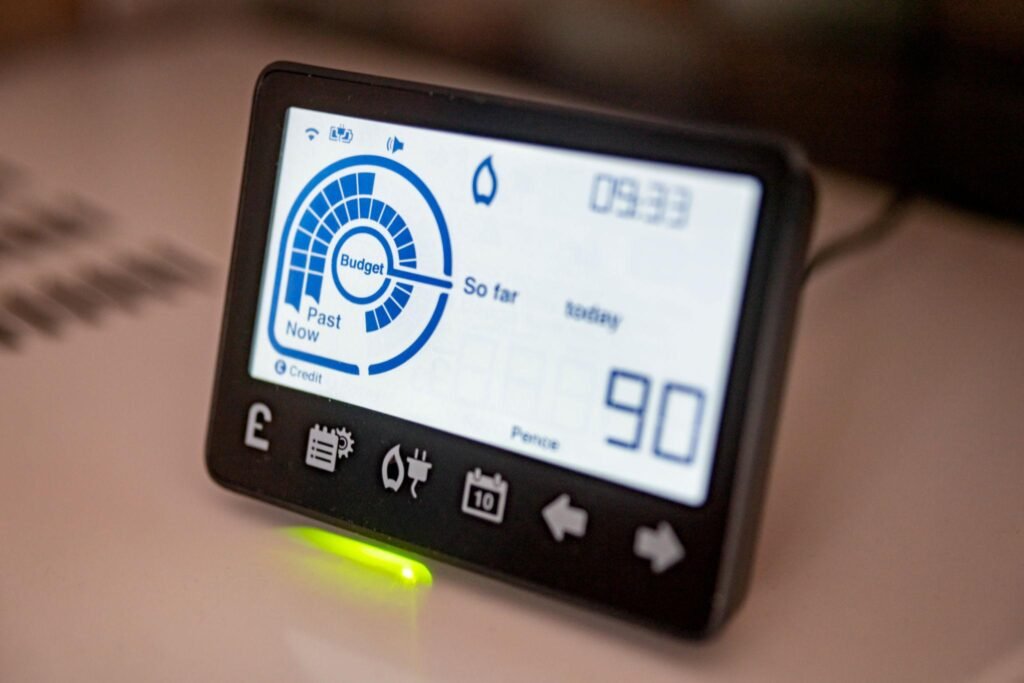
- Smart meter data interpretation
- Fraud detection
- Debt management systems
- Customer churn prediction
- Demand forecasting
- Personalised tariffs
- Complaint triaging
- Energy consumption analysis
Companies including Octopus Energy, British Gas, E.ON Next and OVO Energy have publicly discussed their increasing use of automation and AI-driven systems.
In many cases this genuinely improves efficiency.
In other cases consumers may feel they are interacting with algorithms rather than people.
AI Customer Service: Faster But Not Always Better

The Promise
Energy suppliers argue that AI-powered customer service allows:
- Faster responses
- 24-hour support
- Lower operating costs
- Quicker issue resolution
A chatbot can answer thousands of queries simultaneously without requiring expensive call centre staff.
For suppliers operating on thin margins, this can save millions of pounds annually.
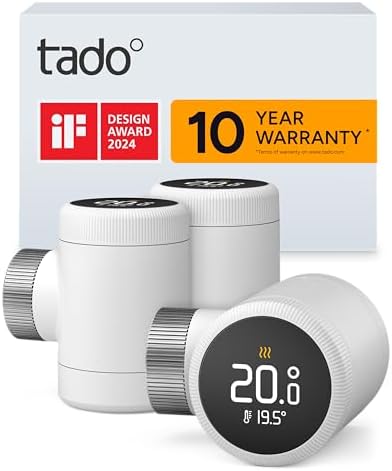
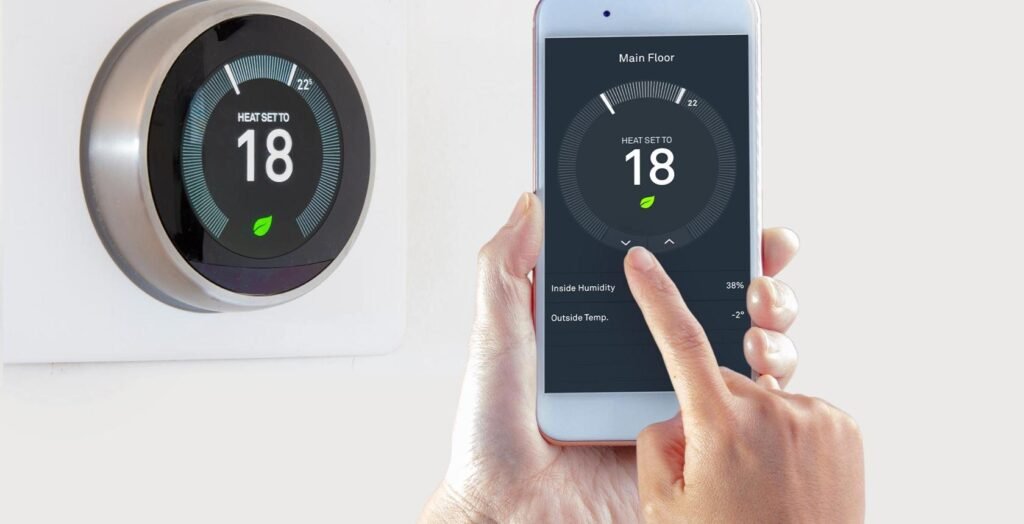
- SAVES ENERGY AND HEATING COSTS: With the intelligent heater thermostat X from tado°, the experts for smart heating, user…
- EASY DIY INSTALLATION, EVEN OFFLINE: The included adapter allows the thermostat to be fitted to almost every radiator va…
- CONTROL VIA APP: The thermostat has numerous features for your heating system, such as smart scheduling, temperature con…
The Reality
Consumers often report frustration when:
- Chatbots fail to understand complex problems
- Complaints become trapped in automated workflows
- Escalation to human advisers becomes difficult
- Vulnerable customers struggle with digital systems
The risk is not that AI becomes malicious.
The risk is that cost-cutting becomes prioritised over customer service.
Many customers would argue that some suppliers have already crossed that line.
How Smart Meter Data Changes The Balance Of Power
Smart meters generate enormous amounts of information.
Instead of receiving one meter reading every few months, suppliers can potentially see:
- Half-hourly electricity usage
- Daily consumption patterns
- Seasonal behaviour
- EV charging habits
- Home heating schedules
This data has genuine value.
Positive Uses
AI can analyse consumption and help consumers:
- Reduce bills
- Identify waste
- Shift usage to cheaper periods
- Access time-of-use tariffs
This is particularly important as Britain moves towards a more flexible electricity system.
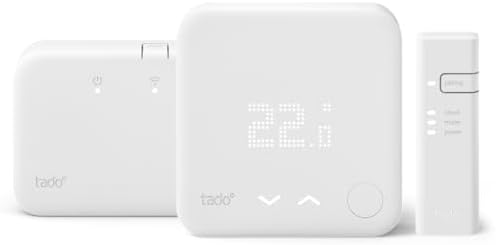
- Full control over your heating with the tado° app from anywhere, reduce your energy consumption and save money with the …
- Heating Boost: heat up all rooms for 30 minutes with one click in the app
- Smart Schedules for the perfect temperature individually in each room, at any time; only active when someone’s home; can…
Less Comfortable Uses
The same data can also reveal:
- Household routines
- Occupancy patterns
- Lifestyle habits
While suppliers must comply with UK data protection laws and consumer protections, some privacy campaigners argue that customers often underestimate how much information smart systems generate.
AI Can Predict Which Customers Are Most Profitable
This is one of the least discussed uses of AI.
Large companies increasingly use predictive analytics to segment customers.
Algorithms can estimate:
- Likelihood of switching supplier
- Payment reliability
- Expected profitability
- Customer service costs
- Future energy consumption
Why Companies Do This
From a business perspective it makes perfect sense.
Companies want to:
- Retain profitable customers
- Reduce bad debt
- Target marketing efficiently
Every major industry does something similar.
Banks do it.
Insurers do it.
Retailers do it.
Energy companies are no different.
Consumer Concerns
The concern arises if AI systems begin treating customers differently based on algorithmic predictions.
For example:
- Who receives the best offers?
- Who gets retention discounts?
- Who receives priority support?
- Who is targeted for debt collection?
The algorithms themselves are often invisible to consumers.
Debt Collection And Payment Monitoring

Rising energy prices have increased pressure on suppliers and customers alike.
AI tools are increasingly used to identify:
- Missed payments
- Financial stress indicators
- Customers likely to fall into arrears
The Good Side
Earlier identification can allow:
- Payment plans
- Support schemes
- Vulnerability assessments
- Debt prevention measures
The Bad Side
Critics worry that automated systems may:
- Flag customers incorrectly
- Generate excessive communications
- Escalate debt management too aggressively
Human oversight remains essential.
A machine can identify patterns.
It cannot fully understand personal circumstances.
Dynamic Tariffs And AI Pricing
One area where AI could have major future implications is dynamic energy pricing.
As renewable energy grows, electricity prices may increasingly vary throughout the day.
AI systems can:
- Predict wholesale prices
- Forecast demand
- Adjust tariffs
- Recommend charging times
This could save consumers money.
However, it also creates a more complex market where suppliers may gain informational advantages over customers.
People who understand the system could benefit significantly.
Those who do not may struggle.
Is AI Making Energy Bills More Expensive?
The evidence currently suggests no.
There is little proof that AI itself is directly increasing consumer bills.
In fact, AI can reduce supplier operating costs.
The bigger question is who keeps those savings.
If automation reduces staffing costs and improves efficiency, consumers might reasonably expect some benefit through lower prices or improved service.
Whether that actually happens depends on competition and regulation.
Are Regulators Watching?
Ofgem’s Role
Ofgem continues to oversee supplier behaviour, consumer protections and market fairness.
Current regulations cover:
- Billing accuracy
- Vulnerable customer treatment
- Data protection obligations
- Complaint handling
As AI becomes more sophisticated, regulators may need additional oversight tools.
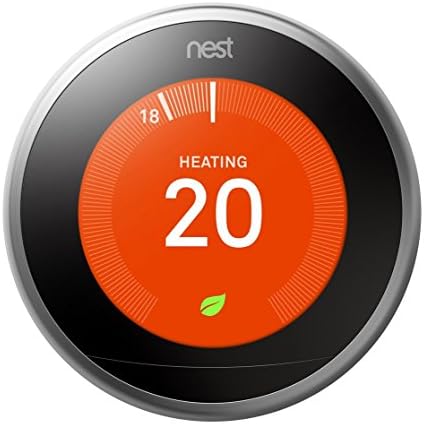
- Learning function
The AI Regulation Challenge
Unlike traditional systems, AI can make complex decisions that are difficult to explain.
This creates questions around:
- Transparency
- Accountability
- Bias
- Consumer rights
These issues are now being debated across multiple sectors, not just energy.
The Real-World View
The short answer is that UK energy suppliers are not generally using AI “against” consumers.
They are using AI primarily to:
- Reduce costs
- Improve efficiency
- Increase customer retention
- Manage risk
- Forecast demand
The problem is that those objectives do not always align perfectly with customer interests.
AI is a tool.
A supplier focused on customer outcomes can use it to improve service and reduce waste.
A supplier focused purely on cost reduction can use the same technology to create frustrating, impersonal experiences.
The technology itself is not the issue.
The incentives behind it are.
As AI becomes more powerful, the real challenge for regulators, suppliers and consumers will be ensuring that efficiency gains are shared fairly rather than flowing entirely in one direction. Humanity has once again invented a machine that can do wonderful things and then immediately asked whether it can also be used to squeeze a few more pounds out of ordinary people. History suggests that is not an unreasonable question.
Reference Material and Research
- Ofgem Consumer Protection Framework
- Information Commissioner’s Office AI and Data Protection Guidance
- Octopus Energy Kraken Technology Platform
- National Energy System Operator Future Energy Scenarios
- Citizens Advice Energy Consumer Research
- Energy UK Digitalisation Reports
- Alan Turing Institute Responsible AI Research
- Competition and Markets Authority Consumer Market Studies