Artificial intelligence is often discussed as a software revolution, but the reality is much more physical. Every AI query, image generation, video model and business automation ultimately depends on electricity.
The challenge facing Britain is not simply generating more power. It is delivering that power to where AI data centres are being built. That means new substations, upgraded transmission lines, larger transformers, additional distribution infrastructure and entirely new grid connections.
The UK’s AI ambitions are increasingly becoming an energy infrastructure challenge.
The simple answer is that AI could require tens of billions of pounds of additional grid investment across the UK during the next decade.
The Scale Of The Challenge

Current UK data centres consume around 2.5% of Britain’s electricity supply, but multiple studies suggest consumption could increase fourfold or even fivefold by 2030 as AI adoption accelerates.
The UK’s electricity demand had been falling for nearly two decades, but recent growth has returned partly because of expanding AI and data centre activity.
Some forecasts suggest UK data centre electricity demand could grow from around 5 TWh annually to more than 26 TWh by 2030.
That level of growth creates a problem that cannot be solved by simply building more servers.
Electricity networks must be upgraded simultaneously.
Why AI Creates Unique Grid Problems
Massive Concentrated Demand
Traditional electricity demand is spread across millions of homes and businesses.
AI data centres are different.
A single AI facility can require hundreds of megawatts of power.
Some planned UK AI campuses are seeking connections of 500 MW or more. To put that into context, a city the size of Cambridge typically consumes around 80 MW.
Large AI facilities therefore create electricity demand comparable to entire towns.
Demand Arrives Faster Than Infrastructure
The technology sector can build data centres within a few years.
Grid infrastructure often takes a decade.
New:
- Transmission lines
- Grid connection points
- High-voltage substations
- Transformers
- Reinforcement works
- Generation capacity
all require planning approvals, environmental assessments and construction work.
This mismatch is becoming one of the biggest bottlenecks facing AI growth worldwide.
What Infrastructure Needs Investment?
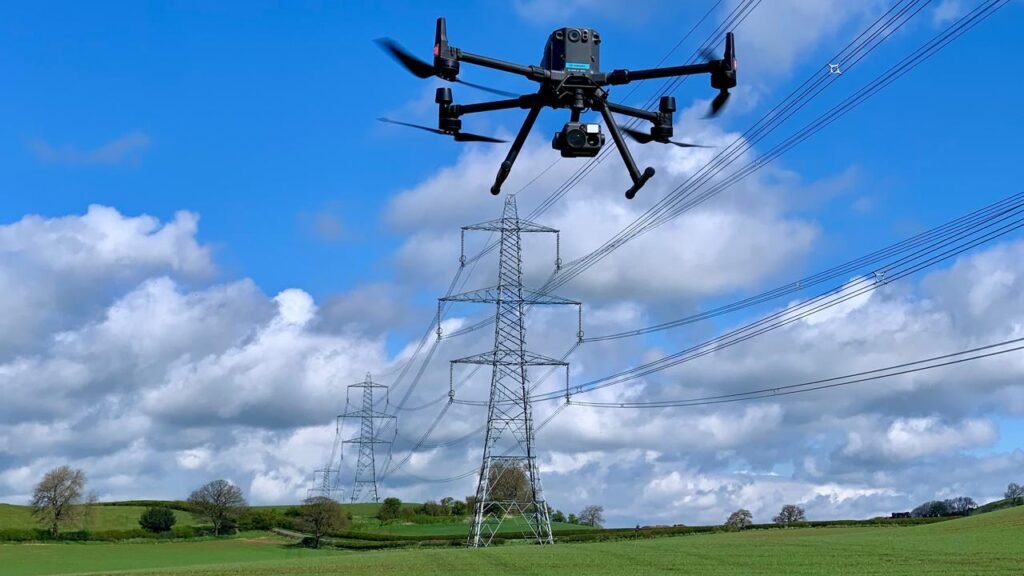
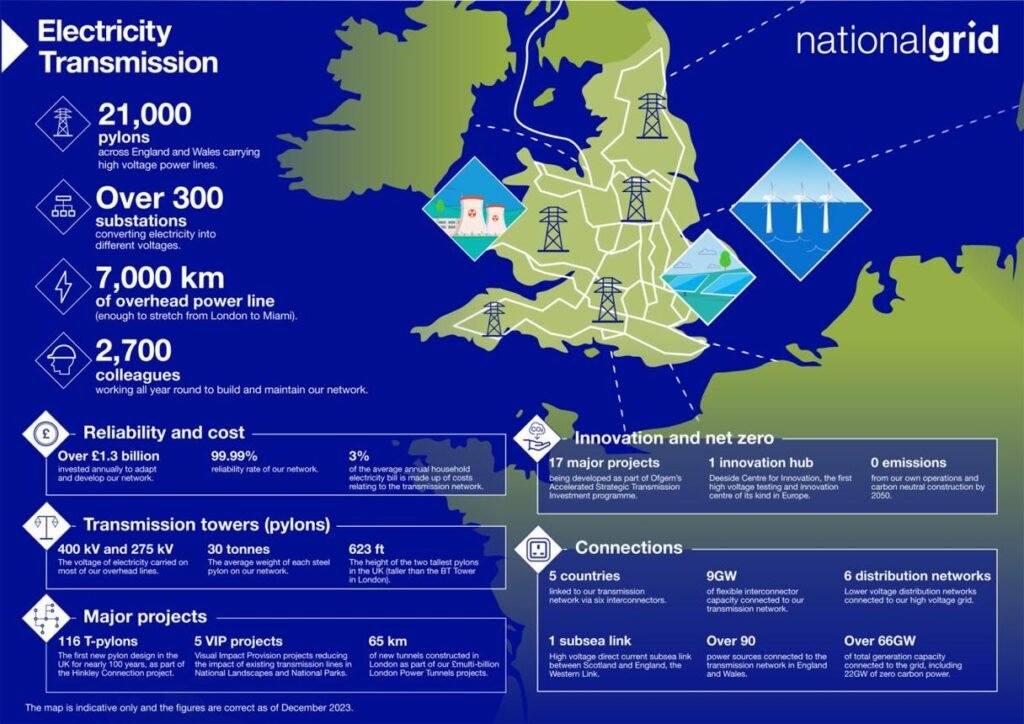
New Transmission Infrastructure

Many proposed AI facilities require power levels that local networks simply cannot provide.
As a result, transmission operators need:
- New high-voltage circuits
- Additional pylons
- Underground cable routes
- Grid reinforcement projects
- Expanded transmission substations
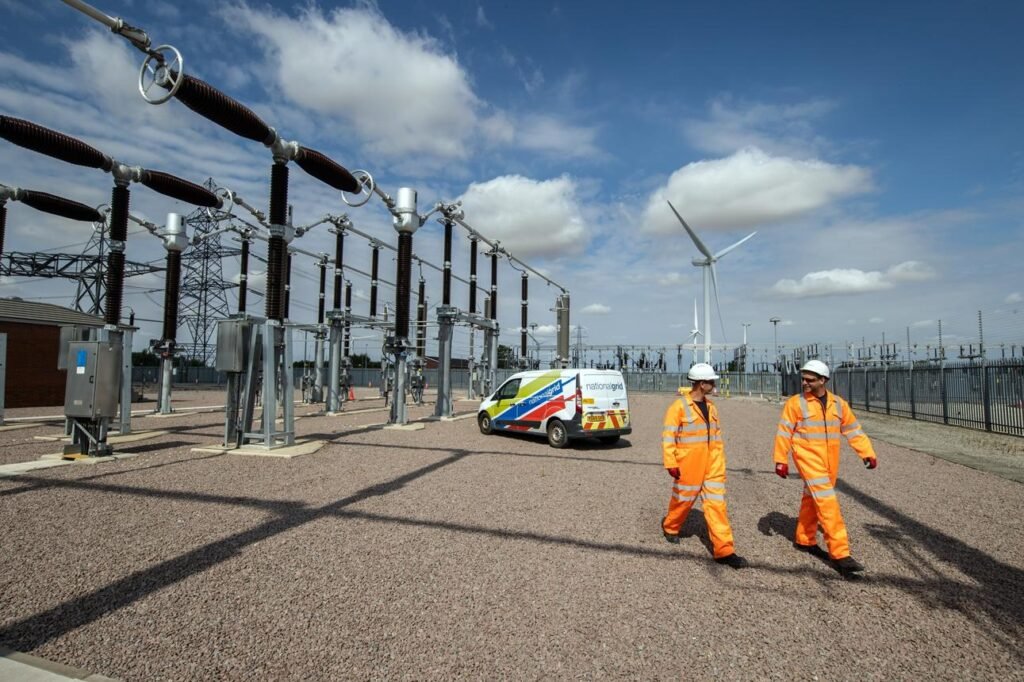
National Grid and other operators are already planning major investment programmes to support future electricity demand growth.
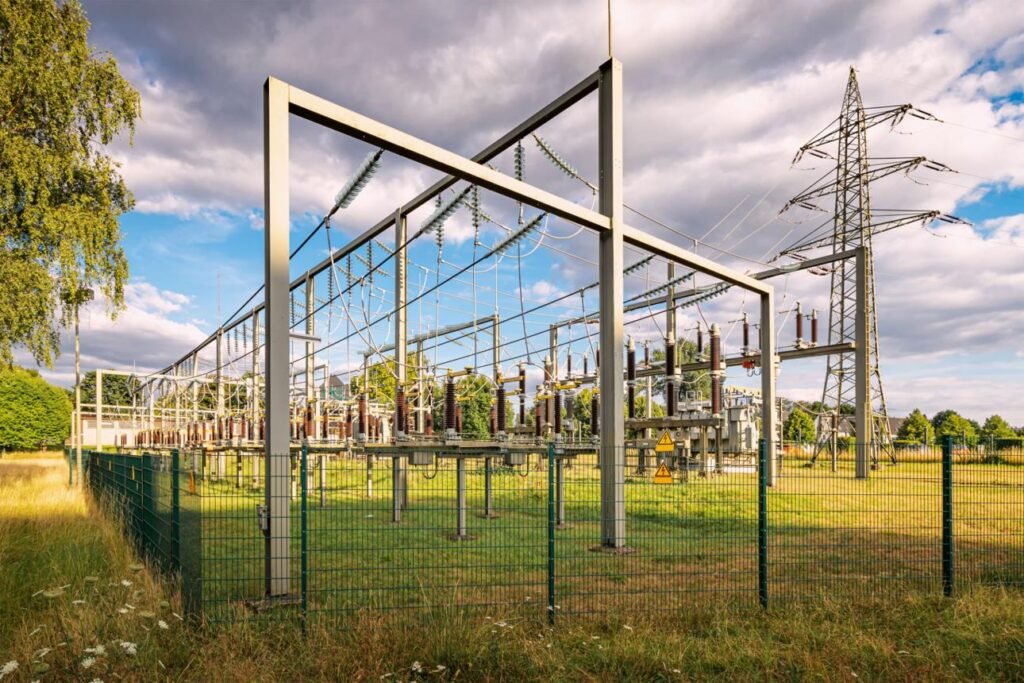
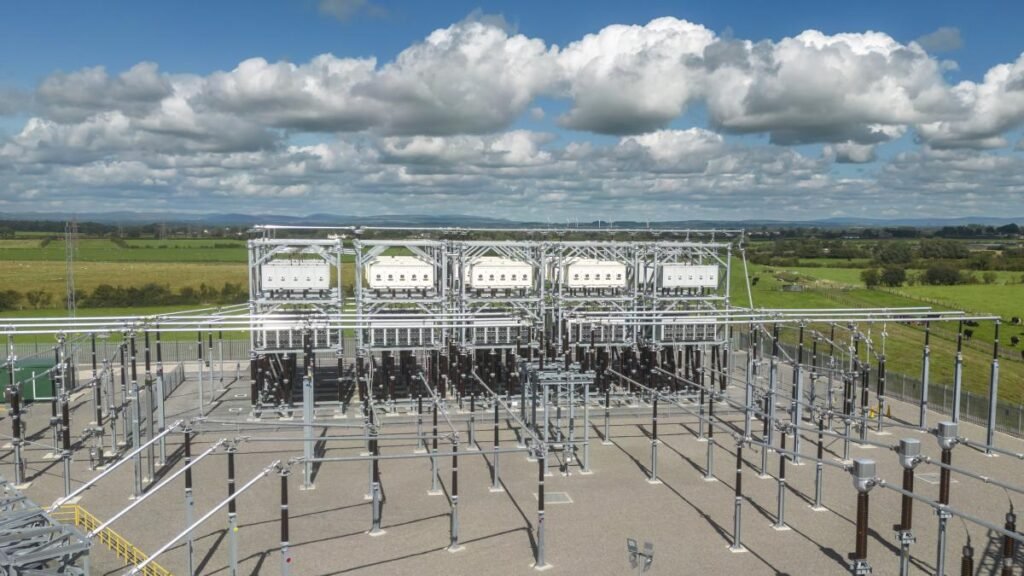
New Substations
Substations convert electricity between voltage levels and distribute power throughout the network.
AI campuses frequently require dedicated substations.
A large AI cluster may require:
- One or more new transmission substations
- Dedicated grid connection assets
- Backup infrastructure
- Grid stability equipment
This is why the question “Will More Substations Be Needed for AI?” is increasingly relevant.
The answer is almost certainly yes.
Distribution Network Upgrades
Even where transmission capacity exists, local distribution networks may not.
Distribution Network Operators (DNOs) across Britain are increasingly studying the effects of large-scale data centre growth on regional networks.
Flexible Grid Technologies
Not all investment will be concrete and steel.
Some spending will go towards:
- Smart grid systems
- Demand response platforms
- AI-powered grid management
- Real-time energy balancing
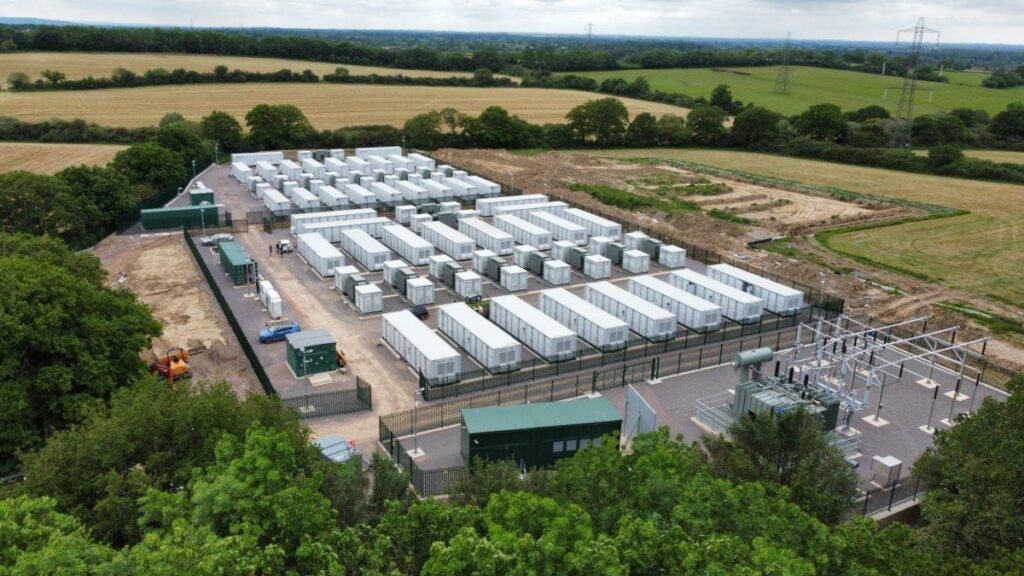
- Battery storage integration
National Grid has already demonstrated AI systems capable of dynamically adjusting data centre power consumption to support grid stability.
Humanity’s latest solution appears to be using AI to manage the electrical consequences of AI. One has to admire the symmetry.
How Much Could The UK Spend?
Direct Grid Investment
Britain is already planning one of the largest electricity infrastructure programmes in modern history.
While not all of it is AI-related, AI is becoming a major justification for accelerating projects.
Industry estimates suggest AI-related electricity demand could require:
- Tens of billions of pounds in transmission investment
- Billions more in distribution upgrades
- Significant spending on substations
- Additional investment in storage and flexibility technologies
The broader UK grid modernisation programme is expected to exceed £50 billion over coming years, with AI becoming an increasingly important driver alongside electrification of transport and heating.
Generation Investment

Grid investment alone is insufficient.
Additional electricity generation must also be built.
Potential investment areas include:
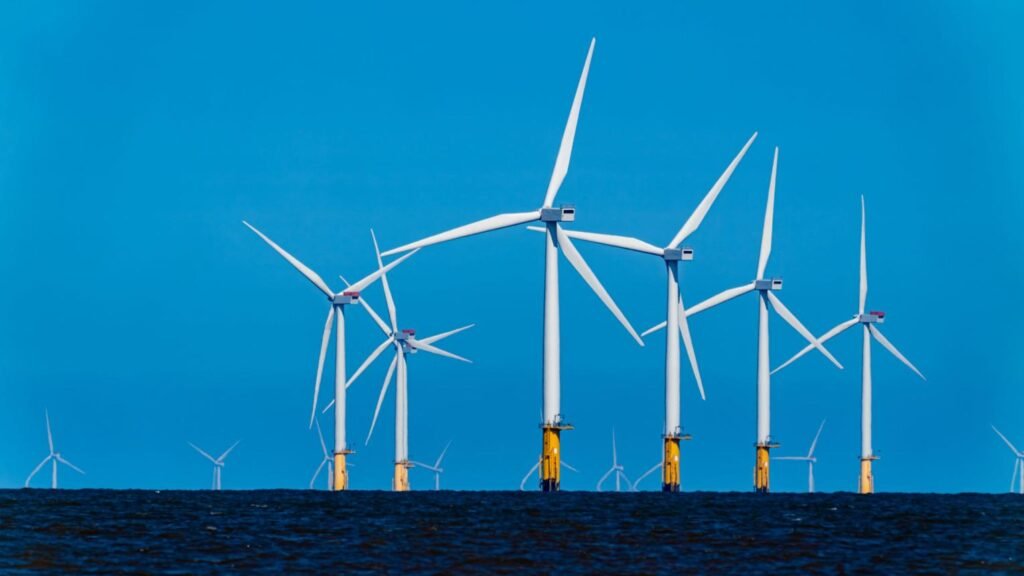
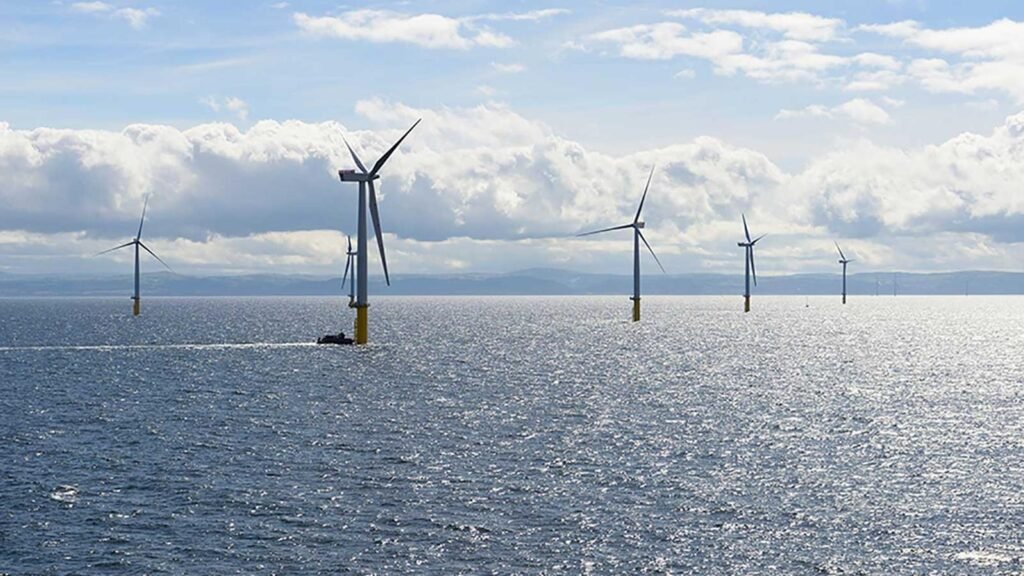
- Offshore wind
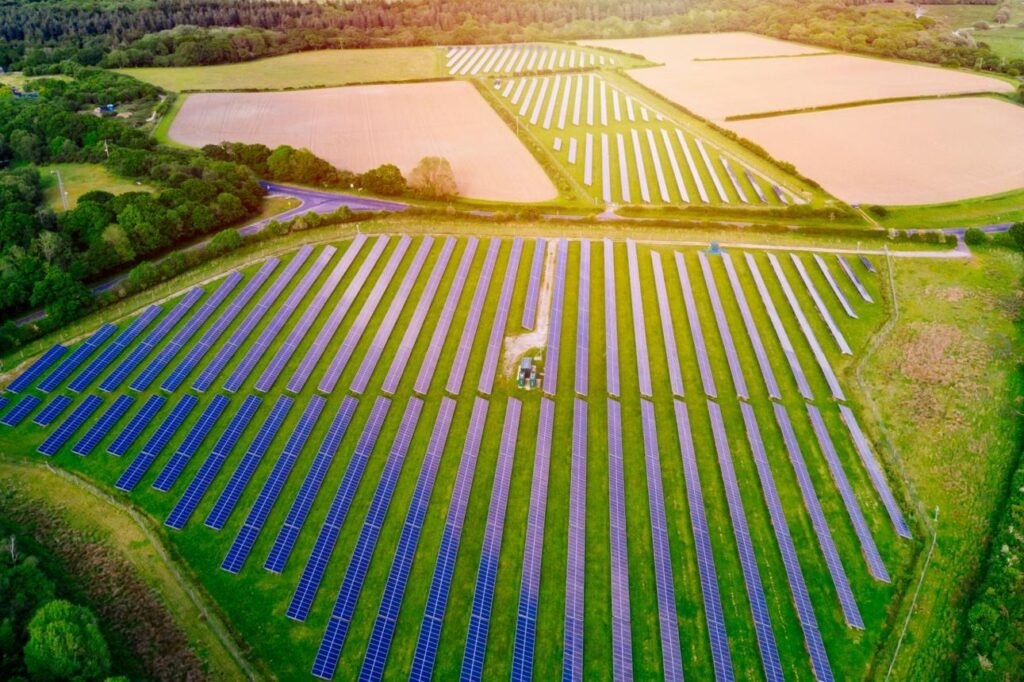
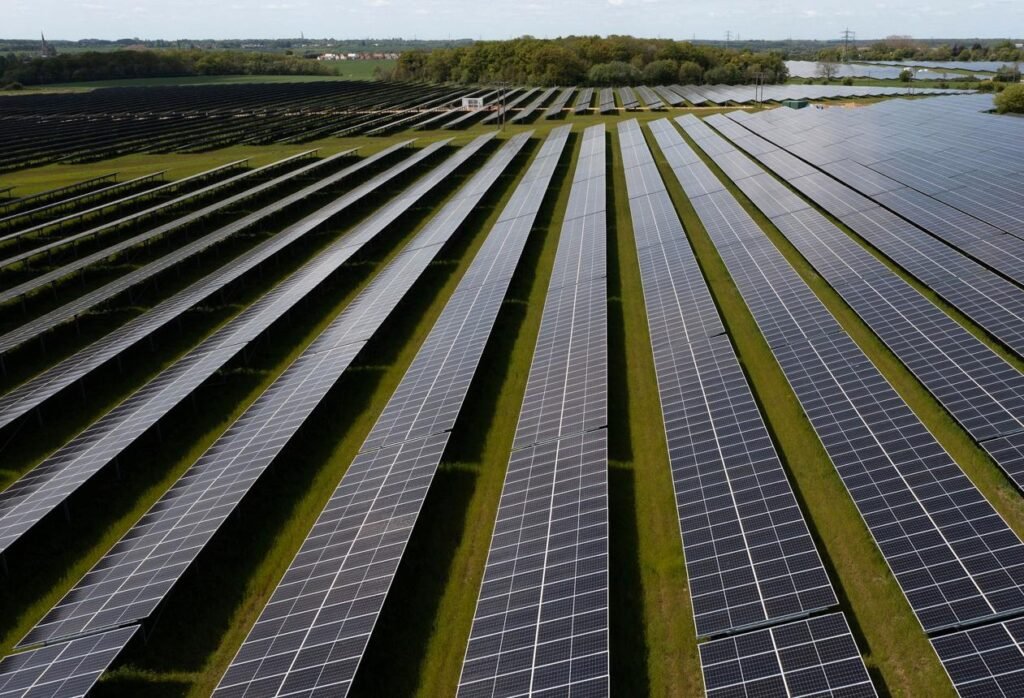
- Solar farms
- Battery storage
- Flexible gas generation
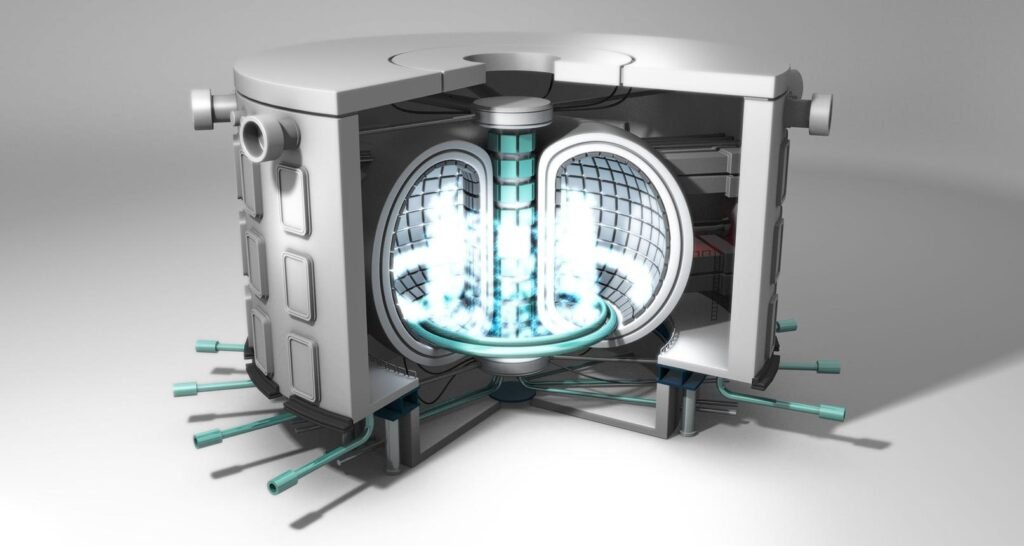
- Small Modular Reactors
- Large nuclear stations
Some experts believe AI demand could become a major factor behind future nuclear investment decisions.
Lessons From Other Countries
United States
The US is already experiencing grid connection bottlenecks due to AI.
Many hyperscale data centre projects are facing delays because transmission infrastructure cannot be built quickly enough.
Some operators are even considering dedicated power stations located directly beside data centres.
France
France is becoming attractive for AI investment because its nuclear fleet provides abundant low-carbon electricity.
Recent projects worth tens of billions of euros are being attracted partly because grid access is easier than in many competing regions.
Sweden
Northern Sweden is emerging as a major AI hub due to available renewable power and strong grid connections.
A recent AI data centre project secured a 200 MW connection from the local network operator.
Could Grid Constraints Slow AI Growth?
Absolutely
The biggest obstacle facing AI infrastructure may not be computing chips.
It may be electricity.
Government reforms have been introduced because grid connection queues have grown dramatically, with many strategic projects including AI facilities struggling to secure timely connections.
Some estimates suggest proposed UK data centre projects are collectively seeking power levels greater than current national peak demand.
This does not mean all projects will be built.
It does show the extraordinary scale of demand being requested.
The Real-World Outlook
The Next Five Years
Between now and 2030 Britain is likely to see:
- New AI-focused grid connections
- Additional transmission projects
- Faster substation construction
- More battery storage
- Greater demand-side flexibility
- Strategic AI growth zones
The Next Ten Years
By the mid-2030s AI could become one of the largest drivers of electricity infrastructure investment in Britain.
The challenge will not simply be producing enough electricity.
The challenge will be moving it efficiently around the country.
Final Thoughts
AI is often portrayed as a digital revolution, but in practice it is creating a physical infrastructure boom.
The electricity grid built for twentieth-century industries was never designed for clusters of AI supercomputers drawing hundreds of megawatts from a single location.
As AI adoption accelerates, Britain will need new substations, upgraded transmission networks, additional generation capacity and smarter grid management systems.
The likely cost runs into tens of billions of pounds.
The result may be one of the largest grid modernisation programmes since the creation of the National Grid itself.
The irony is difficult to miss. For decades Britain worried about declining electricity demand. Now a collection of algorithms asking other algorithms questions may end up triggering one of the biggest infrastructure investment cycles in modern UK energy history.
References and Research
- International Energy Agency Energy and AI Report
- National Energy System Operator Data Centre Studies
- National Grid Data Centre Impact Study
- UK Government AI Growth Zone Policy
- UK Grid Connection Reform Programme
- Oxford Economics UK Data Centre Forecasts
- UK Parliament Data Centre Briefing Paper
- Electric Insights Electricity Demand Analysis