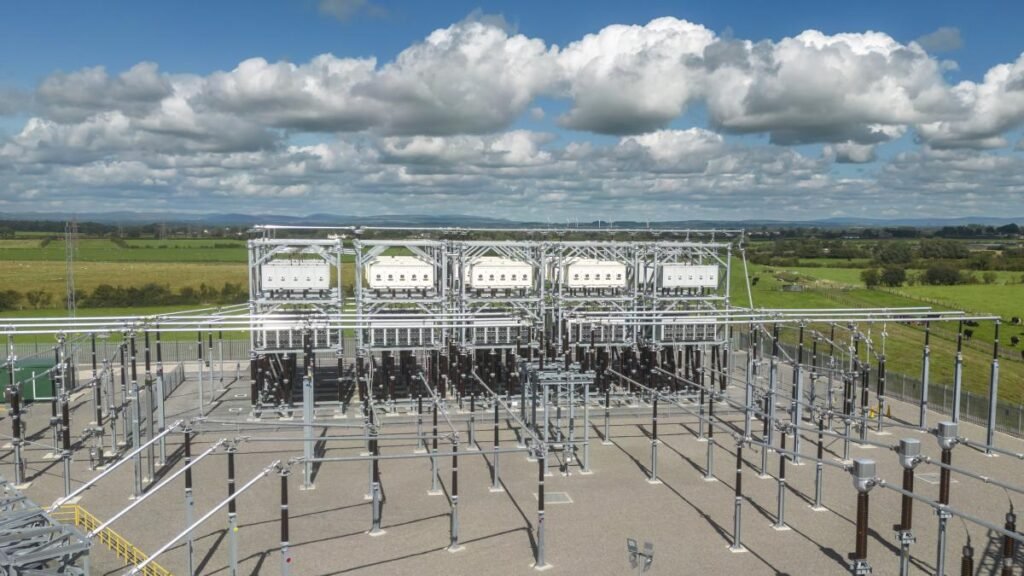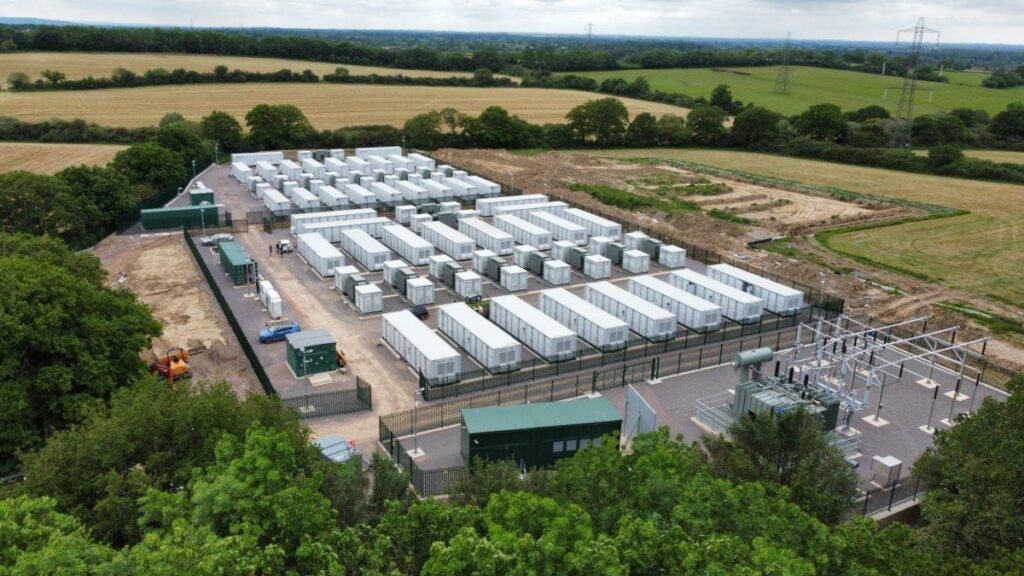
Battery energy storage systems are becoming one of the most important technologies in the modern electricity sector. As the UK increases its reliance on renewable energy, large-scale batteries help balance supply and demand, store excess electricity and support grid stability.
Artificial intelligence is now transforming battery storage systems by making them smarter, more efficient and more profitable. Instead of simply charging and discharging according to basic rules, AI allows batteries to learn patterns, predict future demand and optimise operations in real time.
The combination of AI and battery storage is becoming a key component of Britain’s future energy infrastructure.
Why Battery Storage Matters
Battery storage solves one of the biggest challenges facing renewable energy.
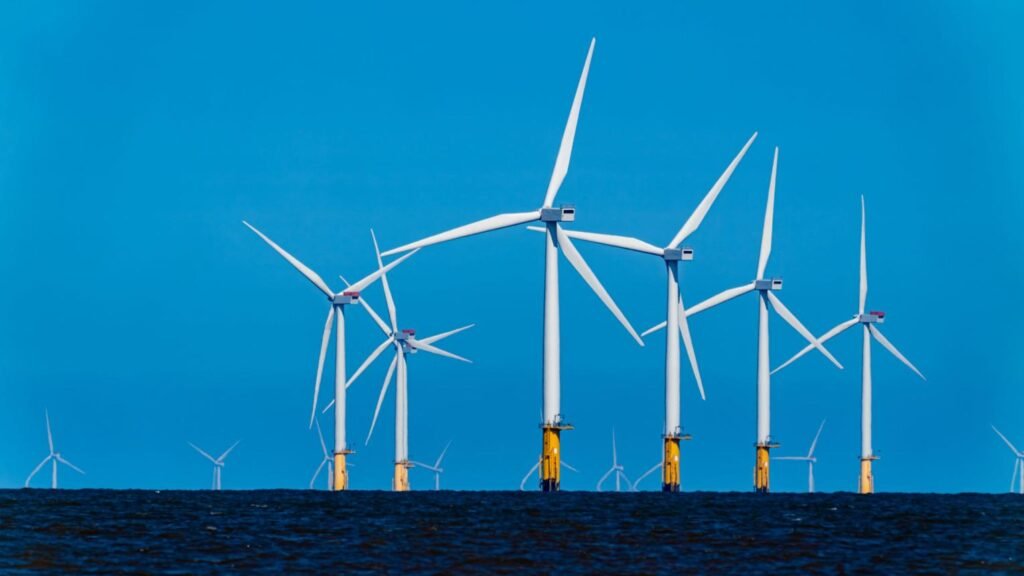
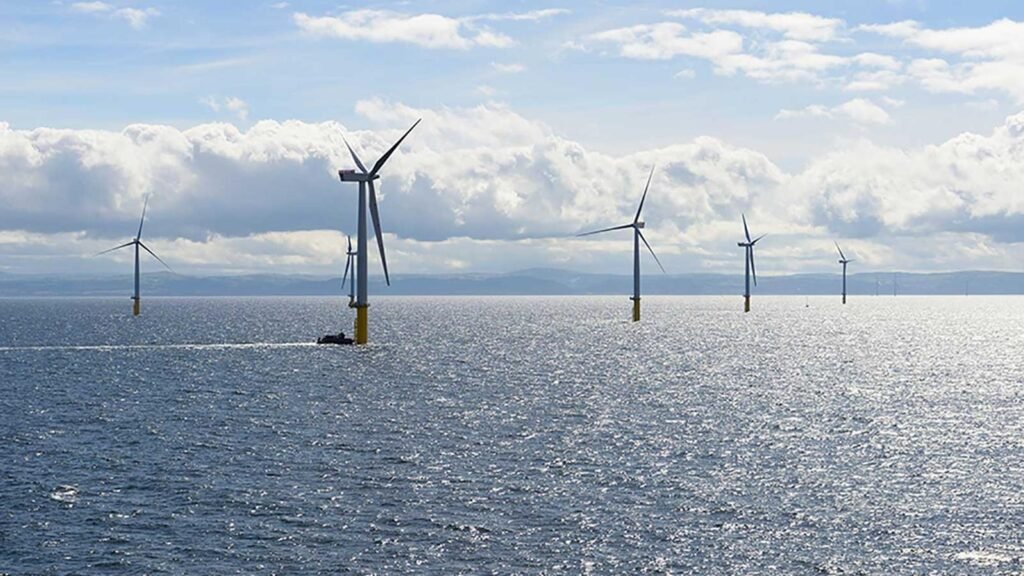
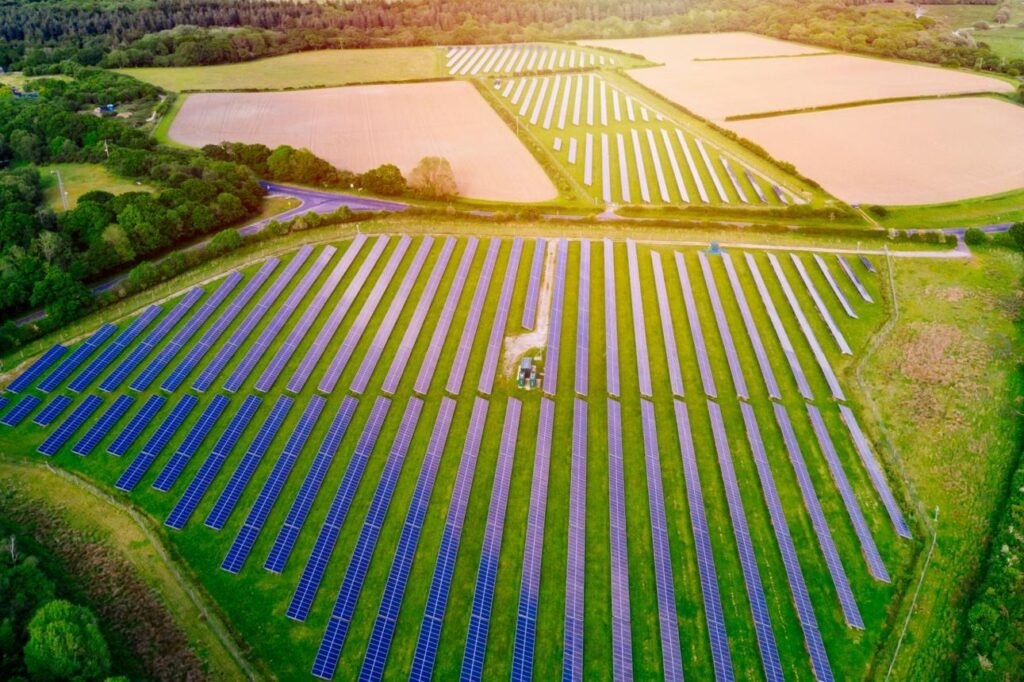
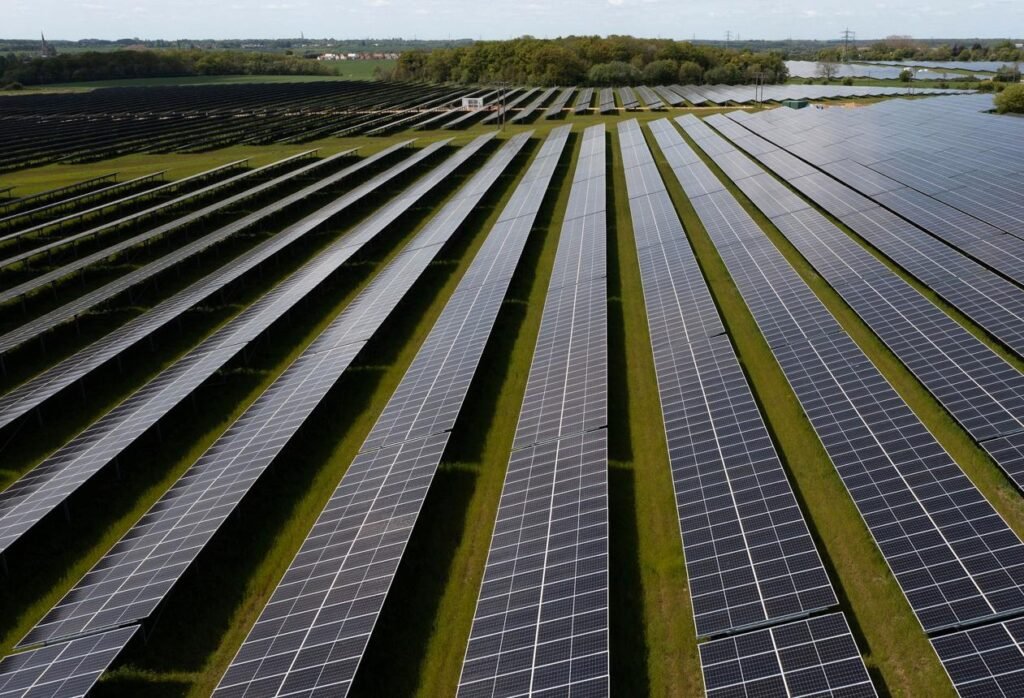
Solar panels only generate electricity when the sun shines. Wind turbines only produce power when the wind blows. Demand for electricity, however, changes constantly throughout the day.
Battery systems bridge this gap by storing excess renewable electricity and releasing it when needed.
Without storage, significant amounts of renewable energy can be wasted.
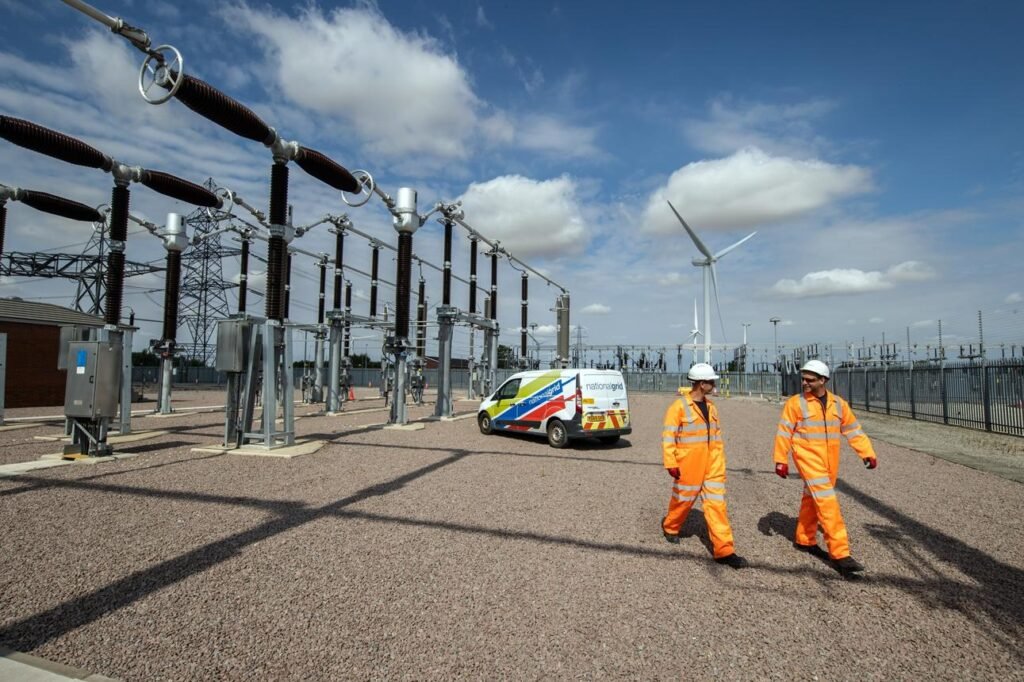
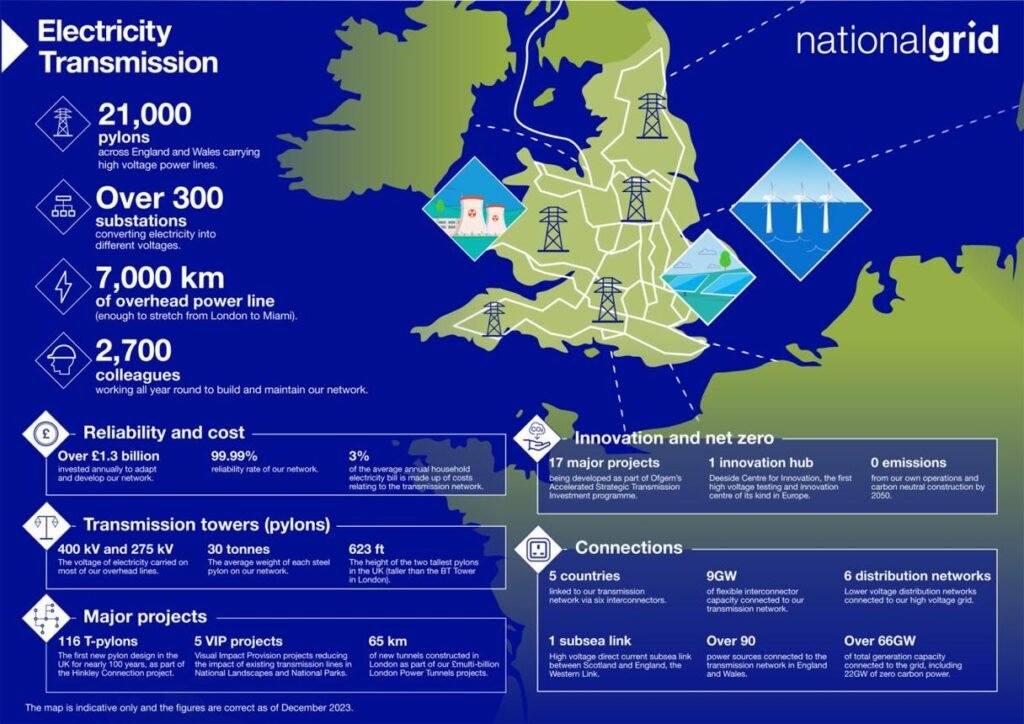
According to the UK’s National Grid, battery storage is becoming increasingly important for balancing a power system that contains growing levels of renewable generation.
How AI Improves Battery Performance

- Back-UPS BX provides guaranteed power and surge protection for desktop computers, wireless networks, gaming consoles and…
- 700 VA/390 Watts – Automatic Voltage Regulation (AVR)
- PowerShute shutdown software – USB Connector
Predicting Electricity Demand
One of AI’s biggest advantages is forecasting.
AI systems analyse:
- Historical electricity demand
- Weather forecasts
- Grid conditions
- Energy market prices
- Renewable generation forecasts
The system can predict when electricity demand will rise or fall.
This allows batteries to charge when electricity is cheap and plentiful and discharge when demand and prices increase.
The result is greater efficiency and higher revenues.
AI Makes Renewable Energy More Reliable
Renewable energy output can change rapidly.
Cloud cover can reduce solar generation within minutes.
Wind speeds can change unexpectedly.
AI models continuously monitor these variables and predict fluctuations before they occur.
This enables batteries to respond proactively rather than reactively.
As discussed in “How is AI Helping Solar Energy Generation?“, AI forecasting is already helping solar operators improve energy production and reduce uncertainty.
Extending Battery Lifespan
Battery degradation is a major cost factor.
Every charging and discharging cycle slowly reduces battery capacity.
AI can minimise unnecessary wear by:
- Optimising charging rates
- Controlling battery temperatures
- Avoiding harmful operating conditions
- Managing cycle depth
Smart Charging Decisions
Traditional systems often follow fixed schedules.
AI instead evaluates thousands of variables before deciding:
- When to charge
- How fast to charge
- How much energy to store
- When to discharge
This can significantly extend battery life.
Some studies suggest intelligent battery management can improve battery longevity by 10-25% depending on battery chemistry and operating conditions.

AI Connects Batteries to Smart Grids
Future electricity systems will depend heavily on smart grids.
A smart grid uses digital technologies and automation to balance supply and demand in real time.
Battery storage acts as a flexible resource within these networks.
AI enables batteries to communicate with:
- Renewable energy generators
- Grid operators
- Industrial users
- Electric vehicle charging networks
This creates a more responsive energy ecosystem.
The role of batteries becomes even more important when combined with the developments discussed in “Could AI Accelerate Smart Grid Deployment?“
Supporting Grid Stability
The UK’s electricity grid must maintain a stable frequency of approximately 50Hz.
Sudden changes in electricity supply or demand can create instability.
AI-enabled batteries can respond within milliseconds.
Faster Than Traditional Power Stations
Gas-fired power stations often require several minutes to adjust output.
Battery systems controlled by AI can react almost instantly.
This helps prevent:
- Grid disturbances
- Frequency deviations
- Local outages
- Renewable curtailment
National Grid increasingly relies on battery storage services to provide these fast-response capabilities.
Reducing Pressure on the Electricity Network
Electricity demand from AI data centres, electric vehicles and heat pumps is expected to grow substantially during the next decade.
Battery storage helps reduce peak demand pressures.
Peak Shaving
Peak shaving involves storing electricity during low-demand periods and releasing it during high-demand periods.
AI makes this process far more accurate.
Instead of simple timers, AI predicts exactly when peaks will occur and positions battery capacity accordingly.
This can reduce the need for costly network upgrades discussed in “How Much Grid Investment Will AI Require?“
- [Fastest Charging in the Industry] – Fully recharge using an AC outlet in only 70 minutes with EcoFlow’s X-Stream fast c…
- [Power 80% of Your Appliances] – With an output of up to 1600W, run 80% off all your appliances, even high wattage ones….
- [LFP Long-Life Battery] – Using LFP battery cells, use and recharge RIVER 2 Pro more than 3000 times before hitting 80%….
Increasing Battery Storage Profits
Battery operators participate in multiple electricity markets.
These include:
- Wholesale power markets
- Frequency response services
- Capacity markets
- Grid balancing services
AI continuously evaluates market opportunities.
Automated Trading
Some advanced battery systems use AI to determine:
- When to buy electricity
- When to sell electricity
- Which grid services to provide
- Which markets offer the highest returns
This maximises revenue while maintaining operational reliability.
Many battery developers now view AI software as equally important as the battery hardware itself.

AI and Electric Vehicle Batteries
Electric vehicles are creating another opportunity.
Millions of EV batteries could eventually act as distributed energy storage resources.
Vehicle-to-Grid Systems
Vehicle-to-grid (V2G) technology allows EVs to:
- Store electricity
- Supply power back to the grid
- Support local networks
Managing millions of mobile batteries would be impossible using manual systems.
AI will likely become the central intelligence layer controlling these distributed energy resources.
AI and Future Grid-Scale Storage
The next generation of battery storage projects is expected to be significantly larger than today’s facilities.
Several UK projects are already exceeding hundreds of megawatt-hours of storage capacity.
Future systems may integrate:
- Solar farms
- Wind farms
- Battery storage
- Hydrogen production
- Data centres
AI will coordinate all these assets simultaneously.
The Future of AI-Powered Battery Storage
AI is rapidly becoming one of the most valuable tools in the energy sector.
Battery storage systems are no longer passive infrastructure. They are becoming intelligent assets capable of making real-time decisions that improve efficiency, extend lifespan and strengthen grid resilience.
As Britain moves towards a more electrified and renewable-powered economy, AI-controlled battery storage will help ensure electricity remains available when it is needed most.
Reference Material
- National Grid ESO
- International Energy Agency
- UK Department for Energy Security and Net Zero
- Energy Systems Catapult
- National Renewable Energy Laboratory
- International Renewable Energy Agency
- Academic research on AI-driven battery management systems, predictive maintenance and grid-scale energy storage optimisation.