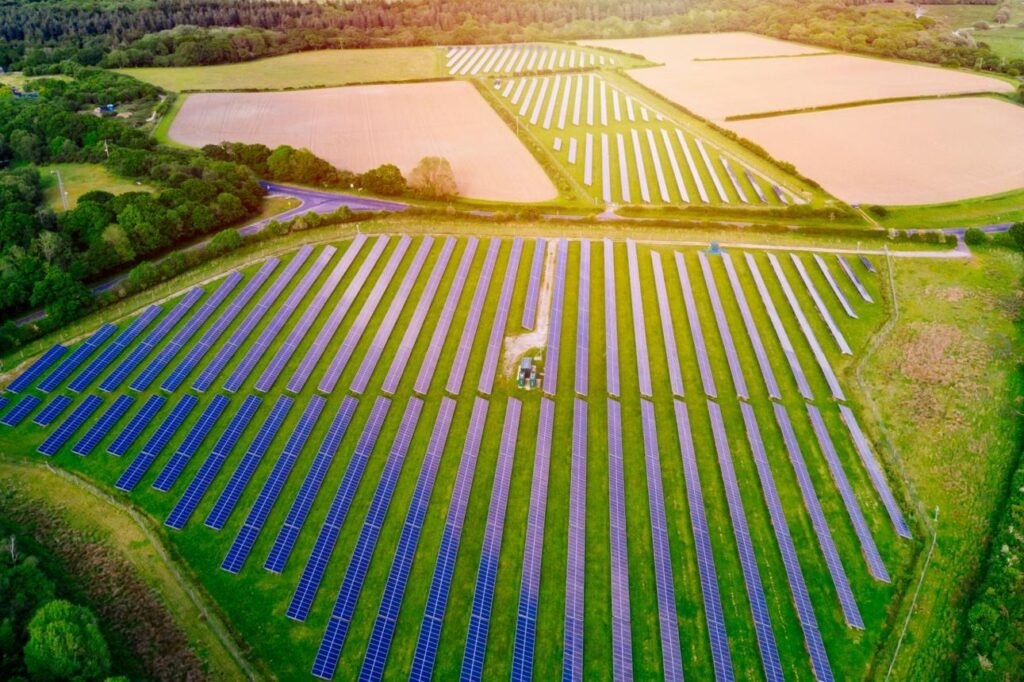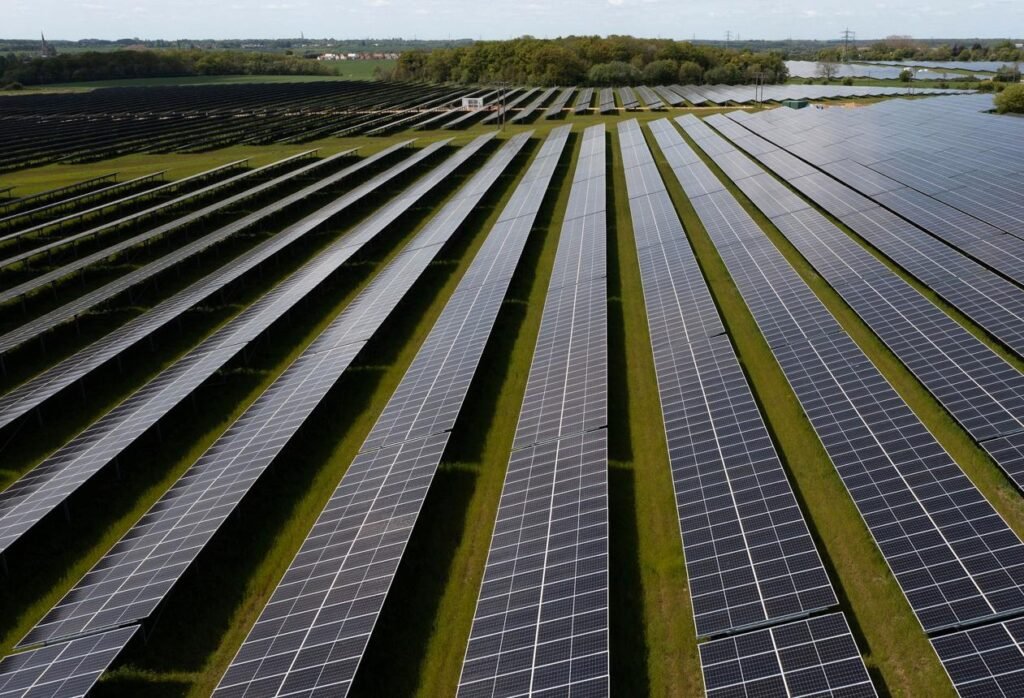
Solar power has become one of the fastest-growing energy sources in the world. Yet despite its success, solar energy has always faced one major challenge: sunlight is unpredictable.
Cloud cover, seasonal changes, dust, equipment failures and fluctuating demand all affect how much electricity solar farms produce. This is where artificial intelligence is transforming the industry.
AI is helping solar operators predict generation more accurately, maintain equipment more efficiently, improve grid integration and maximise energy output. In many cases, AI is increasing solar performance without requiring a single additional solar panel.
As Britain expands renewable energy capacity, AI is becoming one of the most important technologies supporting the solar revolution.
The relationship between AI and renewable energy is also increasingly important when discussing Could AI and Net Zero Britain?, because cleaner electricity generation is essential if AI’s own growing power requirements are to remain sustainable.

- Installs in circuit panel of most small businesses with clamp-on sensors. Supports Single phase, Single-split phase, and…
- 24/7 Energy Management and Monitoring: Automate and monitor your business’ real power anywhere, anytime to prevent costl…
- Lower Your Electric Bill: Configure settings in the Emporia Energy App to automate energy management for time of use, pe…

Why Solar Power Needs AI
The Challenge of Variable Generation
Unlike coal, gas or nuclear power stations, solar panels only generate electricity when sunlight is available.
Even short-term weather changes can significantly affect output.
Operators must constantly answer questions such as:
- How much power will be generated today?
- How much electricity will be produced in the next hour?
- Which panels are underperforming?
- When should batteries charge or discharge?
- How will cloud cover affect generation?
Traditional forecasting methods struggle with these variables.
AI systems can analyse thousands of data points simultaneously and produce far more accurate predictions.
Managing Vast Amounts of Data
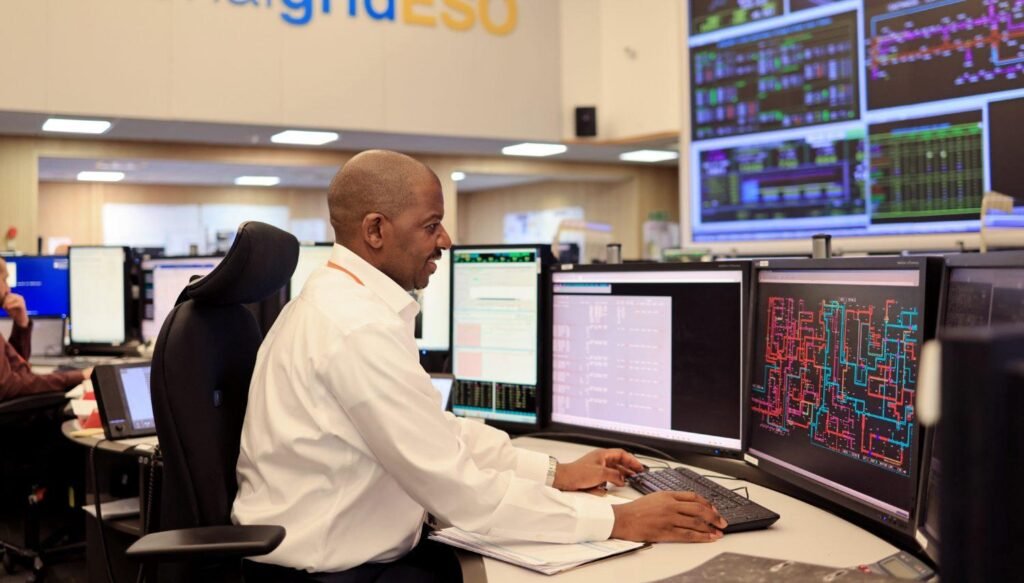
Modern solar farms generate enormous quantities of operational data.
This includes:
- Panel performance
- Temperature readings
- Weather conditions
- Inverter performance
- Grid demand
- Battery storage status
AI excels at identifying patterns within large datasets and turning them into actionable decisions.
AI Improves Solar Forecasting

- Coverage up to 4,000 sq. ft. and for up to 100 devices. Extend coverage up to 2,000 sq. ft. with each additional satelli…
- Ultrafast AX6000 gigabit speed with WiFi 6 technology for uninterrupted streaming, HD video gaming, and web conferencing
- Compatible with any internet service provider up to 2.5Gbps including cable, satellite, fiber and DSL. Connects to your …
Predicting Weather More Accurately
One of AI’s biggest contributions to solar energy is improved weather forecasting.
Machine learning models can analyse:
- Satellite imagery
- Historical weather data
- Cloud movement
- Atmospheric conditions
- Local temperature changes
These systems can predict sunlight levels with far greater precision than traditional methods.
Improved forecasting helps energy companies balance supply and demand more efficiently.
Reducing Grid Instability
National electricity networks need constant balance between generation and consumption.
AI-driven solar forecasting helps grid operators prepare for:
- Sudden cloud cover
- Peak solar production
- Seasonal changes
- Demand spikes
This reduces the risk of instability and unnecessary backup generation.
AI Detects Solar Panel Faults
Finding Problems Before They Become Expensive
Solar farms can contain hundreds of thousands of panels.
Manually inspecting every panel is time-consuming and costly.
AI-powered monitoring systems continuously analyse performance data and identify:
- Damaged panels
- Faulty wiring
- Inverter failures
- Efficiency losses
- Shading problems
Operators can fix issues earlier and reduce downtime.

Using Drones and Computer Vision
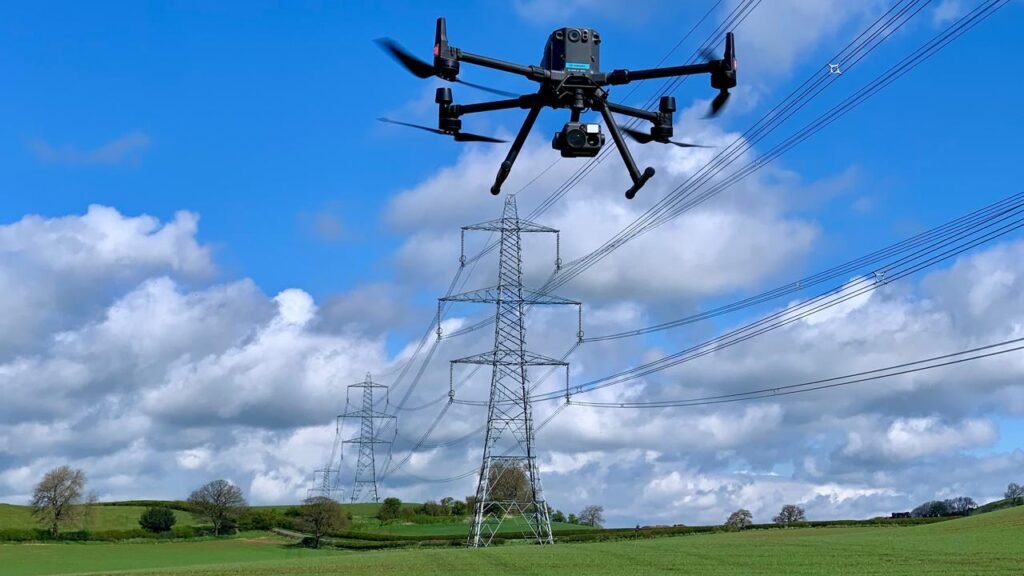
Many solar operators now use drones equipped with thermal cameras.
AI analyses the images and automatically identifies:
- Hot spots
- Cracked panels
- Electrical faults
- Dirty modules
What once required days of inspection can often be completed within hours.
AI Optimises Solar Panel Performance
Tracking the Sun More Efficiently
Many large solar farms use tracking systems that rotate panels throughout the day.
AI can calculate the optimal angle for each panel based on:
- Weather conditions
- Sun position
- Expected cloud cover
- Energy pricing
This maximises electricity production.
Improving Energy Yield
Even small efficiency gains become significant at utility scale.
A 2% improvement at a large solar farm can represent thousands of additional homes powered annually.
AI helps identify operating adjustments that improve overall yield without expanding infrastructure.
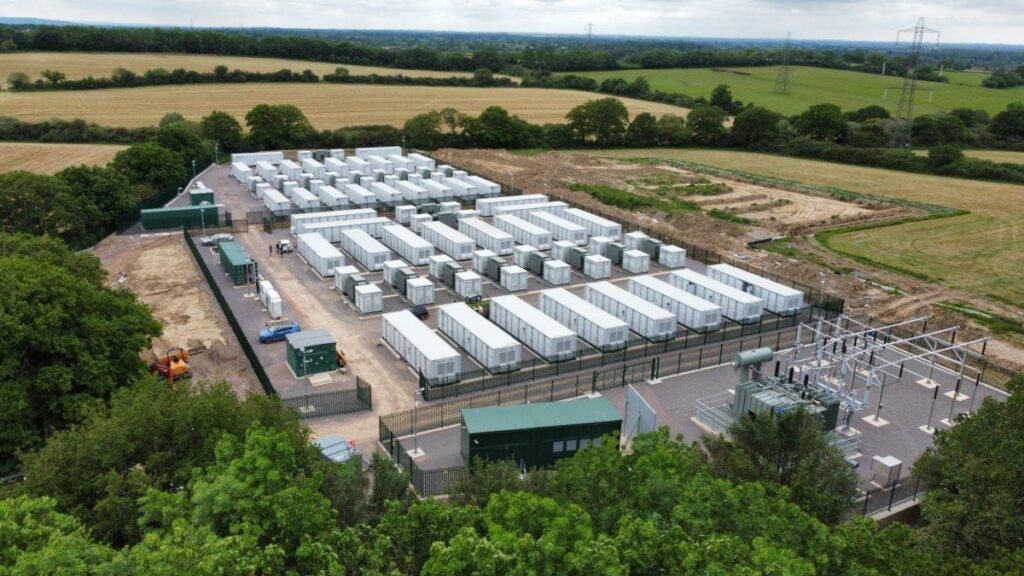
AI Supports Battery Storage Systems
Solving Solar’s Biggest Weakness
Solar power often produces the most electricity during periods of lower demand.
Battery storage helps capture excess generation for later use.
AI improves battery operation by deciding:
- When to charge
- When to discharge
- How much energy to store
- Which market opportunities provide the greatest value
This increases both efficiency and profitability.
Extending Battery Lifespan
Battery degradation remains a major cost challenge.
AI systems monitor battery health and optimise charging cycles to reduce wear and extend operational life.
AI Helps Build Smarter Solar Farms
Designing Better Solar Sites
Before construction begins, AI can analyse:
- Solar irradiation levels
- Land characteristics
- Weather patterns
- Nearby infrastructure
- Environmental constraints
This helps developers identify the most productive locations.
Faster Planning Decisions
AI can process years of environmental and operational data in minutes.
Developers can evaluate multiple site options far more quickly than traditional planning methods.
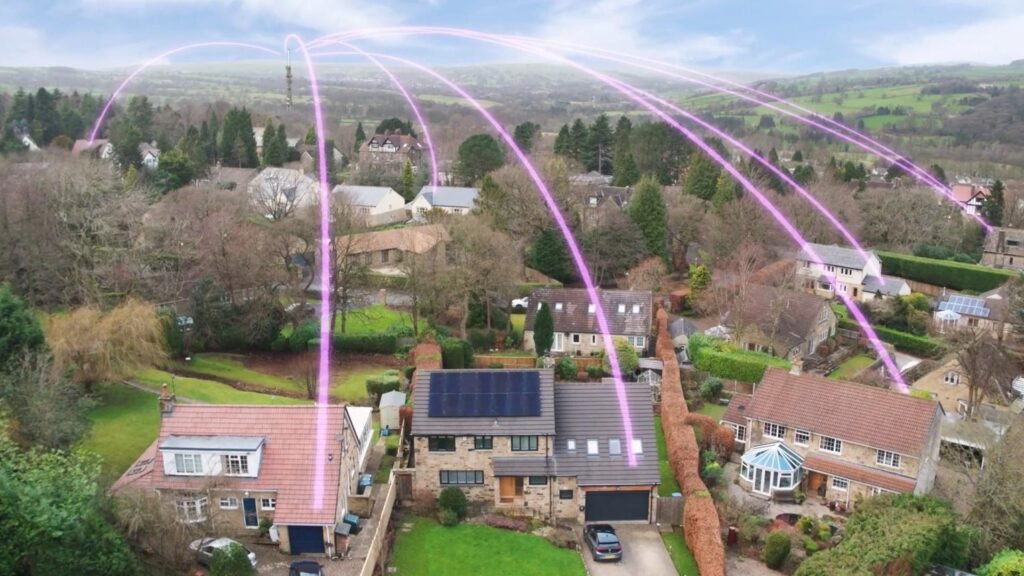
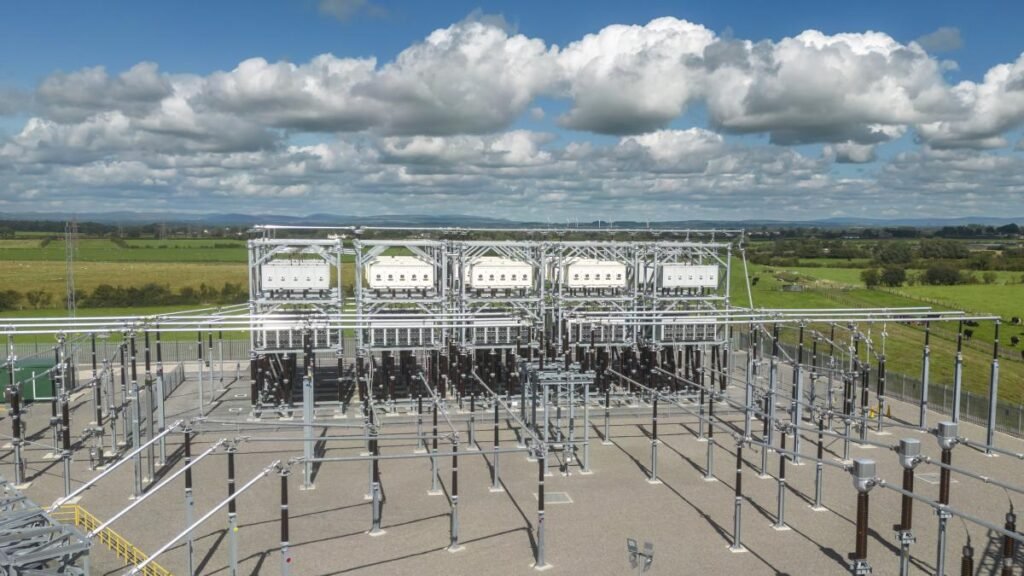
AI and Smart Grids
Integrating More Solar Power
As solar generation grows, electricity networks become more complex.
AI helps coordinate:
- Solar farms
- Wind farms
- Battery systems
- Electric vehicles
- Household solar installations
This creates a more flexible energy system.
The technology works alongside many of the developments discussed in <strong>Could AI Accelerate Smart Grid Deployment?</strong>, where intelligent grid management becomes essential as renewable generation expands.

Reducing Curtailment
Sometimes renewable energy generators are forced to reduce output because the grid cannot absorb all available electricity.
AI helps operators manage network constraints more effectively, reducing wasted renewable generation.
Real-World Examples
Google and DeepMind
Google and DeepMind have demonstrated how machine learning can improve renewable energy forecasting.
Their systems have been used to predict wind generation and optimise energy operations, helping increase the value of renewable electricity.
Solar Farm Operators Worldwide
Major operators across:
- Britain
- Europe
- United States
- China
- Australia
are deploying AI-driven monitoring platforms to improve efficiency and reduce maintenance costs.
Many modern utility-scale projects now include AI systems from day one.
Can AI Increase Solar Output?
The Short Answer: Yes
AI cannot create more sunlight.
However, it can help operators:
- Capture more available energy
- Reduce equipment failures
- Improve forecasting
- Optimise storage
- Improve grid integration
Combined, these improvements can significantly increase the usable electricity generated from existing infrastructure.
The Future of AI and Solar Energy
Fully Autonomous Renewable Energy Systems
Future solar facilities may become increasingly automated.
AI could eventually manage:
- Generation forecasting
- Maintenance scheduling
- Battery storage
- Electricity trading
- Grid interaction
with minimal human intervention.
Supporting Britain’s Energy Transition
As Britain pursues net zero targets and expands renewable generation, AI will likely become a core component of solar energy infrastructure.
The irony is difficult to ignore. AI requires enormous amounts of electricity, yet it may also become one of the technologies that helps generate cleaner power more efficiently.
References
- International Energy Agency
- International Renewable Energy Agency
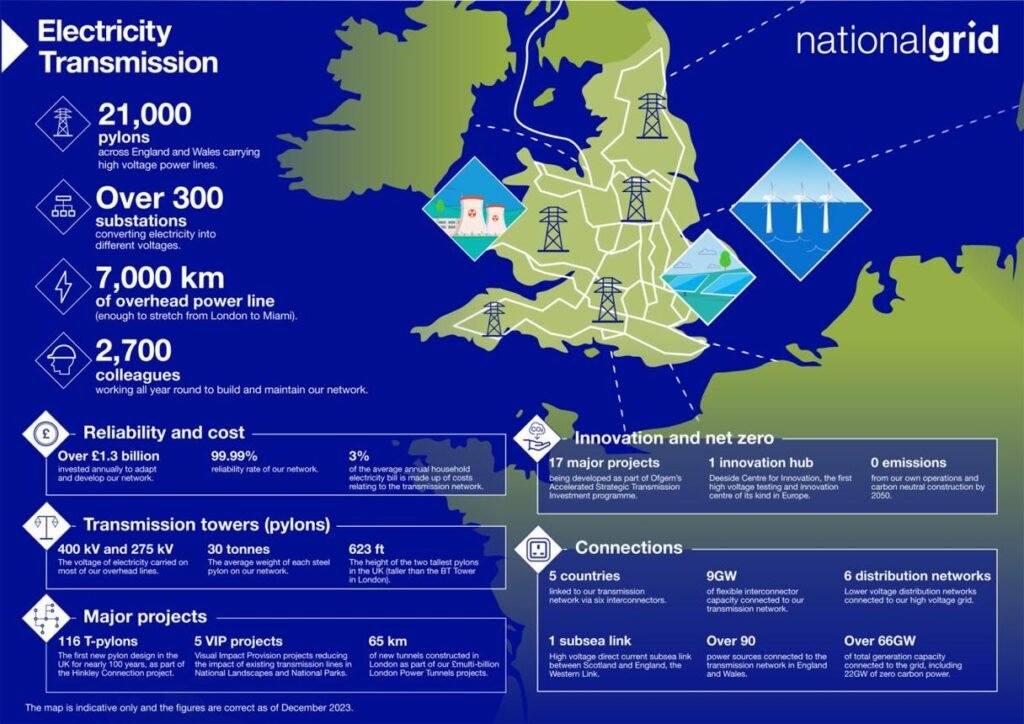
- National Grid
- Solar Energy UK
- National Renewable Energy Laboratory