Artificial intelligence is now one of the fastest-growing users of electricity in the modern economy. That sounds dramatic because it is. People finally built machines that can write essays, generate videos, argue with strangers online, and produce endless AI-generated “thought leadership” on LinkedIn. Naturally, this requires an astonishing amount of electricity.
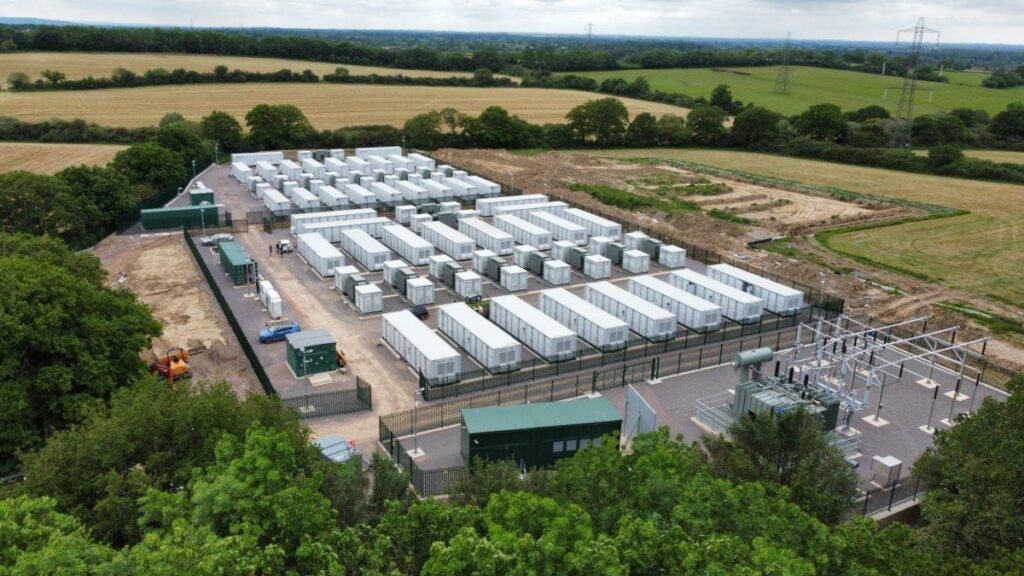
For the UK, the question is becoming increasingly serious. AI is no longer just software running quietly in the background. It now depends on huge data centres packed with power-hungry GPUs, industrial cooling systems, and 24/7 infrastructure that consumes electricity at a scale most businesses never see directly.
The problem is that most people using AI never notice the energy cost. Typing a prompt into ChatGPT feels lightweight. Behind the scenes, however, there are thousands of servers running continuously across global data centres, many of which support UK demand.
Why AI Uses So Much Electricity
AI systems use electricity in several different ways:
- Training large AI models
- Running AI queries in real time
- Cooling data centres
- Storing enormous datasets
- Operating networking infrastructure
- Running GPU clusters continuously
Modern AI workloads are far more energy intensive than traditional internet activity.
A standard web search might require a relatively small amount of computing power. Generative AI systems process far larger volumes of data and calculations. AI image generation, video generation, and large language models are particularly demanding because they require advanced GPU hardware operating continuously.
According to recent industry and government analysis, AI-driven data centre growth is becoming a major pressure point for UK electricity infrastructure.
AI Data Centres Are Becoming Major Electricity Consumers

The UK is seeing rapid expansion in AI-focused data centres.
Recent reports suggest data centres are now consuming around 6% of UK electricity supply, driven heavily by AI growth.
That figure is startling when you consider that:
- Data centres historically represented a much smaller share
- AI adoption is still in relatively early stages
- UK AI infrastructure is expected to expand heavily through the rest of the decade
Government and industry forecasts suggest electricity demand from UK data centres could increase dramatically between now and 2030.
Some projections suggest future AI infrastructure could add electricity demand equivalent to millions of homes.
What Actually Consumes the Power?

- 15.6-inch Full HD portable anti-glare IPS display with an ultraslim and thin design helps you get things done more effic…
- USB Type-C connector (DP Alt mode) for user convenience and compatibility with compatible devices
- ASUS Eye Care monitors feature TÜV Rheinland-certified Flicker-free and Low Blue Light technologies to ensure a comforta…
GPUs Are the Main Problem
AI workloads rely heavily on GPUs rather than standard CPUs.
High-end AI GPUs can consume several hundred watts each continuously. Large AI clusters may contain tens of thousands of GPUs operating around the clock.
The bigger issue is density.
Traditional servers already consume substantial power, but AI racks can require several times more electricity than conventional enterprise hardware because GPUs are extremely power hungry under sustained load.
Cooling Systems Consume Huge Amounts of Energy

Many people imagine servers quietly humming in a cupboard somewhere. Real AI infrastructure behaves more like an industrial power facility.
The cooling systems alone are enormous energy consumers.
The UK government’s Compute Evidence Annex noted that cooling can represent up to 40% of a data centre’s total energy consumption.
AI systems worsen this because:
- GPUs generate intense heat
- AI workloads often run continuously
- High-density racks increase cooling demands
- Many AI tasks cannot tolerate overheating
This creates a secondary electricity burden beyond the actual computing itself.
Checkout powerguardian.co.uk to save on your personal energy bills and much more https://powerguardian.co.uk
How Much Electricity Does One AI Query Use?
This is where estimates vary widely.
The exact electricity usage depends on:
- Which AI model is used
- Query complexity
- Whether images or video are generated
- Data centre efficiency
- Hardware generation
- Whether the model is actively training or simply responding
Simple text prompts may use relatively small amounts of electricity individually.
However, the scale changes everything.
Millions of people using AI tools simultaneously every day creates substantial cumulative demand.
AI video generation and advanced image generation are significantly more energy intensive than standard text queries.

The UK Grid Is Already Feeling Pressure
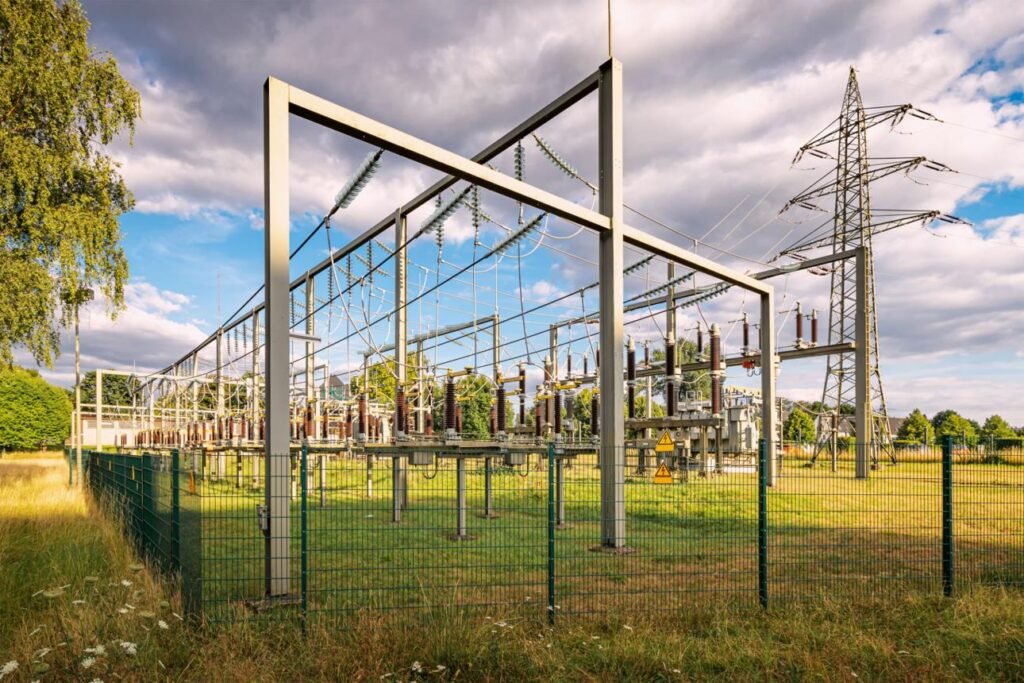
The UK electricity grid was not originally designed for explosive AI-driven growth.
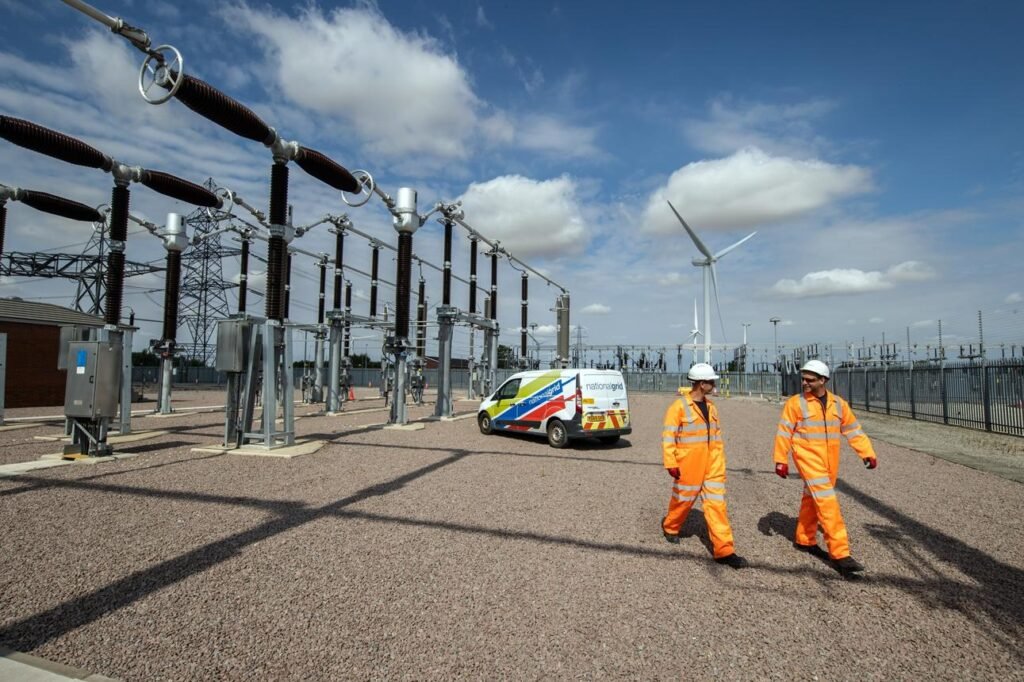
National Grid and government bodies are increasingly discussing AI infrastructure as a major future energy challenge.
There are several reasons:
- Data centres require massive uninterrupted power supplies
- Grid connection queues are growing
- AI infrastructure tends to cluster geographically
- Many projects require dedicated high-capacity connections
Reports suggest UK grid connection requests linked to data centres have surged sharply.
In some regions, grid capacity is becoming a limiting factor for AI expansion.
Which is deeply ironic. People spent years worrying whether AI would replace jobs, then discovered the bigger short-term issue might simply be finding enough electricity cables.
AI Could Increase UK Electricity Prices

One concern raised by energy analysts is that rapid AI expansion could indirectly increase electricity costs.
Large data centres:
- Increase peak electricity demand
- Require expensive infrastructure upgrades
- Can intensify regional supply constraints
- May increase reliance on backup generation
Some environmental groups have warned uncontrolled AI growth could worsen affordability pressures and increase fossil fuel reliance during peak periods.
This does not mean AI alone will cause higher bills, but it is becoming part of the wider electricity demand equation alongside:
- Electric vehicles
- Heat pumps
- General electrification
- Population growth
- Industrial transition
Is AI Bad for the Environment?
The answer is complicated.
AI can absolutely increase electricity consumption and carbon emissions if powered inefficiently.
However, AI can also improve efficiency in:
- Electricity grid balancing
- Energy forecasting
- Industrial optimisation
- Logistics
- Building management
- Renewable energy integration
Some energy industry reports argue AI could ultimately reduce emissions through smarter energy management.
The problem is timing.
Right now, AI infrastructure growth is happening extremely quickly, while clean energy infrastructure and grid upgrades take much longer to build.

- Full HD streaming: Logitech C922 provides two streaming qualities to choose from. Whether you’re after full HD 1080p at …
- Multiple mounting options including tripod: This HD streaming webcam comes equipped with a versatile tripod. Mount the U…
- Auto-lighting corrections: Alongside full HD streaming over wifi, this gaming webcam is equipped with autofocus and inst…
Real-World Example: AI Data Centres vs UK Infrastructure
Recent reporting suggests the UK is facing growing tension between becoming an “AI superpower” and maintaining electricity infrastructure stability.
Some forecasts suggest UK data centre power demand could grow dramatically by 2030.
Meanwhile:
- Grid upgrades can take years
- Planning approvals remain slow
- Electricity costs remain high by international standards
- Local infrastructure constraints are growing
This is why the government has started discussing AI Growth Zones and prioritised infrastructure planning.
Can AI Data Centres Become More Efficient?
Yes, But Demand Is Growing Faster
Efficiency improvements are happening constantly.
Newer GPUs are more efficient than older generations, and cooling systems are improving rapidly.
The International Energy Agency noted that power consumption per AI task is improving quickly.
However, total demand continues rising because:
- More people use AI daily
- AI models are becoming larger
- AI-generated video is expanding
- Businesses are integrating AI everywhere
- AI agents and automation systems run continuously
This creates the classic technology paradox:
Efficiency improves, but usage expands even faster.
People are remarkably talented at turning efficiency gains into excuses to consume more of something.
What This Means for UK Businesses
Most UK businesses are not directly operating AI data centres, but they are still affected.
AI electricity costs increasingly appear indirectly through:
- AI subscription pricing
- Cloud hosting costs
- API pricing
- Software licensing
- Infrastructure fees
- Rising operational expenses from suppliers
Businesses heavily using AI tools may eventually need to think about:
- AI usage policies
- Energy efficiency
- Cost monitoring
- Sustainable procurement
- Cloud optimisation
For many SMEs, the hidden cost of AI may not be obvious at first. The electricity cost is simply buried inside subscription pricing and cloud services.

- Custom three-capsule array: This professional microphone produces clear, powerful, broadcast-quality sound for YouTube v…
- Blue VO!CE software: Elevate your streamings and recordings with clear broadcast vocal sound and entertain your audience…
- Four pickup patterns: Flexible cardioid, omni, bidirectional, and stereo pickup patterns allow you to record in ways tha…
The Future of AI Electricity Demand in the UK
Most experts agree on one thing:
AI electricity demand is going to rise substantially.
The main debate is how quickly, and whether infrastructure can keep up.
Potential future developments include:
- Dedicated AI power infrastructure
- More nuclear investment
- Greater renewable integration
- Flexible AI computing loads
- AI-specific energy pricing
- Localised energy storage systems
National Grid is already experimenting with systems allowing AI data centres to dynamically adjust electricity usage based on grid demand.
That may become increasingly important as AI growth accelerates.
If you want to learn more about Energy prices, problems and solutions find them here PowerGuardian UK
Final Thoughts
AI electricity consumption in the UK is moving from a niche technical issue into a national infrastructure challenge.
Most people still think of AI as “software”. In reality, modern AI behaves more like heavy industry hidden behind clean-looking apps and chat windows.
The convenience is extraordinary.
The electricity demand is equally extraordinary.
The UK now faces a balancing act between:
- Supporting AI innovation
- Keeping electricity affordable
- Expanding infrastructure
- Meeting environmental targets
- Preventing grid strain
The next few years will likely determine whether AI becomes an efficient tool integrated into a cleaner energy system, or another major source of pressure on an already stretched electricity network.
Probably both, if history is any guide. People rarely choose the simple version of anything.
English References
- International Energy Agency (IEA) Energy and AI Research
- UK Government AI and Energy Evidence
- National Grid AI Infrastructure Research
- UK Government Compute Evidence Annex
- The Guardian UK Data Centre Electricity Report
AI Playbooks
We have created Professional High Quality Downloadable PDF’s at great prices specifically for Personal or Business use in the UK. Which include help and advice on understanding what Artificial Intelligence is all about and how it can improve your business. Find them here.