Artificial intelligence is not just changing software, offices and search engines. It is also changing how much electricity the UK needs. Quietly, relentlessly, and with the subtlety of a kettle strapped to a nuclear reactor.
The short answer is yes, AI is contributing to rising energy demand in the UK. That does not mean your electricity bill suddenly doubled because someone generated a cartoon badger in a business suit. But AI systems rely on huge data centres that consume enormous amounts of electricity, and that demand eventually feeds into infrastructure costs, grid pressure and potentially higher prices for households and businesses.
The important question is not whether AI uses electricity. Everything digital does. The real issue is scale.How AI Uses Electricity
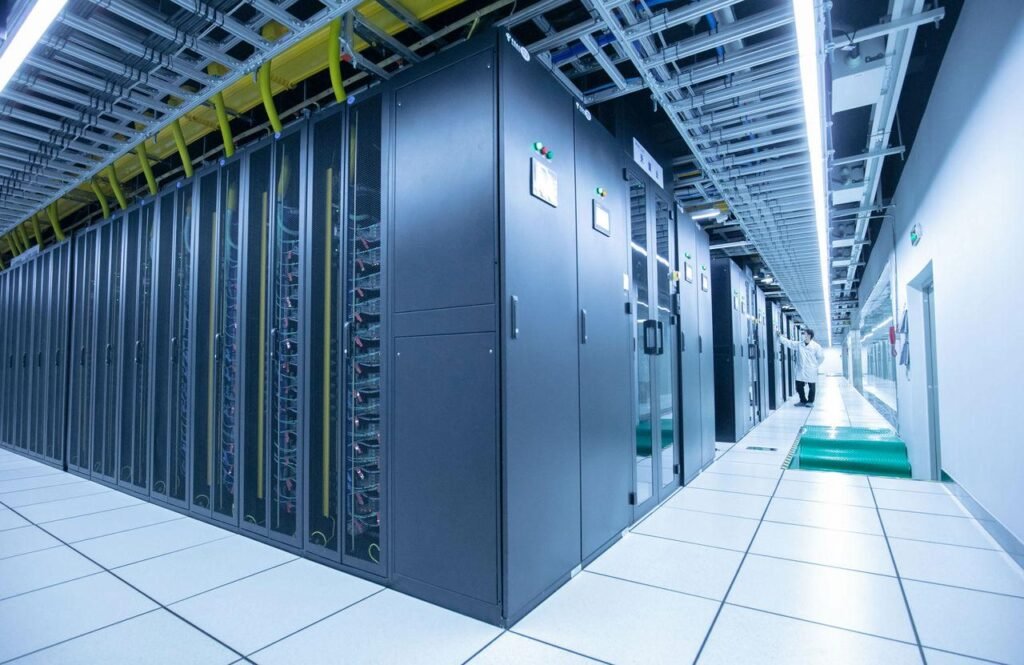
AI systems run inside massive data centres packed with high-performance computer chips called GPUs. These systems consume electricity in three main ways:
- Running AI calculations
- Cooling the hardware
- Operating the wider infrastructure around the servers
Unlike traditional web browsing or email hosting, AI processing is extremely energy intensive. Training large AI models can require thousands of powerful processors running continuously for weeks or months.
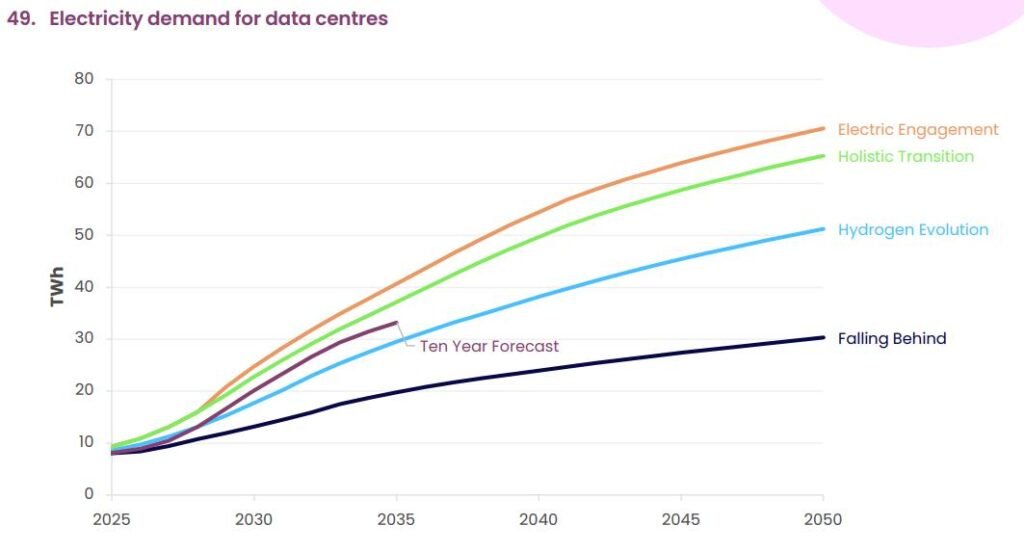
According to recent reporting and industry analysis, UK data centres are now consuming around 5.8% to 6% of UK electricity supply, with AI being one of the biggest drivers behind the increase.
That figure has climbed rapidly over the last few years.
Checkout powerguardian.co.uk to save on your personal energy bills and much more https://powerguardian.co.uk
Why AI Is Increasing UK Electricity Demand
AI Requires Far More Computing Power
Traditional cloud services already use significant electricity. AI workloads use considerably more.
When somebody asks an AI chatbot a question, generates an image, analyses documents, or automates business workflows, servers must process billions of calculations almost instantly.
Industry experts note that AI infrastructure consumes substantially more power than many standard cloud workloads because specialised chips run at high intensity and generate large amounts of heat.
Cooling Systems Consume Huge Amounts of Power
The servers themselves are only part of the story.
AI chips run extremely hot. Data centres therefore require industrial cooling systems operating constantly to prevent equipment failure.
In many facilities, cooling systems account for a major proportion of electricity consumption. Some AI-focused facilities also require substantial water usage for cooling.

- Full HD streaming: Logitech C922 provides two streaming qualities to choose from. Whether you’re after full HD 1080p at …
- Multiple mounting options including tripod: This HD streaming webcam comes equipped with a versatile tripod. Mount the U…
- Auto-lighting corrections: Alongside full HD streaming over wifi, this gaming webcam is equipped with autofocus and inst…
AI Growth Is Happening Faster Than Grid Expansion
The UK electricity grid was not originally designed around enormous clusters of AI infrastructure.
Ofgem recently warned that proposed UK data centre developments could require around 50 gigawatts of electricity capacity, exceeding Britain’s current peak electricity demand.
That does not mean all those projects will happen tomorrow. But it does show the scale of future demand pressure.
Does This Directly Increase Household Energy Bills?
Not Immediately in a Simple Way
Your energy supplier is not adding an “AI fee” onto your bill. People would absolutely invent that eventually if given the opportunity, but we are not there yet.
However, AI can indirectly contribute to higher energy costs through:
- Increased national electricity demand
- Pressure on grid infrastructure
- More investment requirements
- Potential reliance on expensive peak generation
- Delays and congestion in grid connections
If demand rises faster than renewable generation and grid upgrades, electricity prices can become more volatile.
UK Home Energy Cost Monitoring Tools
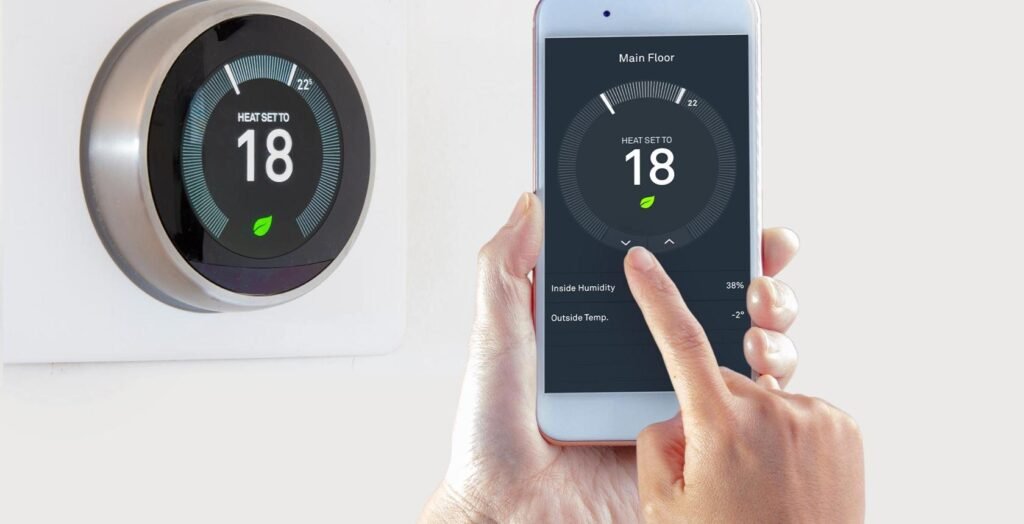
Smart devices and AI assistants can quietly increase household electricity usage over time. PowerguardianUK help customers track rising costs and supplier changes.
Businesses May Feel It First
Large commercial electricity users often experience price pressures before households do.
Businesses operating warehouses, manufacturing sites or office estates may see rising wholesale electricity costs during periods of grid strain.
Some experts have already warned that an unchecked AI expansion could increase energy affordability concerns in the UK.
The Real-World UK Situation
London and the South East Are Under Pressure
Many AI and cloud data centres are concentrated around London because of connectivity and business demand.
This creates regional electricity pressure.
Recent analysis suggested London’s data centre electricity usage may already exceed residential household consumption across the capital.
That is a staggering figure when you consider the millions of homes involved.

Grid Connection Delays Are Growing
The UK already faces delays connecting major electricity users to the National Grid.
The government and Ofgem have both highlighted concerns over growing connection queues linked to strategic demand projects including AI data centres.
Some operators reportedly face waits lasting years.
Renewable Energy Helps, But Not Completely
Many technology companies purchase renewable electricity contracts to offset their usage.
This helps reduce carbon impact, but renewable generation alone does not magically eliminate infrastructure strain.
Electricity still needs to be delivered reliably, continuously and at scale.
Wind farms do not become less intermittent because somebody called their chatbot “eco-friendly”.
Could AI Eventually Lower Energy Bills?
Possibly. The situation is not entirely negative.
AI can also improve energy efficiency through:
- Smarter electricity grid balancing
- Better forecasting of demand
- Improved building efficiency
- Optimised heating and cooling systems
- Faster renewable energy management
National Grid recently tested AI-controlled data centre demand systems capable of reducing electricity demand rapidly during peak periods.
If implemented properly, this could help stabilise parts of the electricity network.
AI could also improve battery storage management, renewable forecasting and industrial efficiency over time.
The problem is timing.
The growth in AI electricity demand is happening now. Many of the efficiency benefits may take years to scale properly.
If you want to learn more about Energy prices, problems and solutions find them here PowerGuardian UK

- 15.6-inch Full HD portable anti-glare IPS display with an ultraslim and thin design helps you get things done more effic…
- USB Type-C connector (DP Alt mode) for user convenience and compatibility with compatible devices
- ASUS Eye Care monitors feature TÜV Rheinland-certified Flicker-free and Low Blue Light technologies to ensure a comforta…
Are UK Businesses Becoming Concerned?
Increasingly, yes.
Businesses are starting to ask practical questions such as:
- Will AI increase operational energy costs?
- Are AI tools worth the electricity usage?
- Will data centre expansion affect local infrastructure?
- Could future regulation increase AI operating costs?
Energy consumption is now becoming part of AI procurement discussions, especially for larger firms.
According to industry reporting, AI energy planning is becoming a routine consideration for companies rather than a niche technical concern.
What Happens Next?
More UK Data Centres
The UK government wants major AI growth and more domestic computing infrastructure.
That means more data centres are likely.
More Pressure on the Grid
Without significant investment in:
- Nuclear
- Renewables
- Grid upgrades
- Energy storage
- Transmission infrastructure
…the UK electricity system could face increasing strain.
Higher Focus on AI Efficiency
Technology companies are now under pressure to improve:
- Chip efficiency
- Cooling systems
- Power management
- Workload optimisation
The AI industry is slowly discovering that infinite compute growth collides awkwardly with physical reality. Physics remains deeply uncooperative about marketing projections.
Final Thoughts
AI is increasing electricity demand in the UK. That part is no longer seriously debated.
The more complicated question is whether the UK can expand AI infrastructure without creating:
- higher long-term energy costs,
- increased carbon emissions,
- grid instability,
- or regional electricity shortages.
At the moment, the UK is trying to balance all of these pressures simultaneously.
AI itself is not inherently “bad” for the grid. Poor planning is.
If infrastructure investment keeps pace, AI could eventually help improve energy efficiency across the economy. If demand grows faster than generation and grid upgrades, households and businesses may ultimately absorb the cost through higher bills and network charges.
The next five years will matter enormously.
References
- Ofgem Consultation on Strategic Electricity Demand
- National Grid AI Demand Trial
- UK Parliament Data Centre Research Briefing
- TechUK Powering Digital Infrastructure Report
- The Guardian Report on UK Data Centre Electricity Use
AI Playbooks
We have created Professional High Quality Downloadable PDF’s at great prices specifically for Personal or Business use in the UK. Which include help and advice on understanding what Artificial Intelligence is all about and how it can improve your business. Find them here.