Britain is trying to achieve net zero greenhouse gas emissions by 2050. On paper, it sounds simple: build more renewable energy, electrify transport, improve efficiency and reduce fossil fuel use.
In reality, it is a giant engineering challenge involving millions of homes, vehicles, businesses, power stations, wind farms and pieces of infrastructure. Human beings struggle to organise a queue at a supermarket self-checkout, yet somehow we are attempting to redesign an entire national energy system.
This is where Artificial Intelligence could become one of the most important tools in Britain’s net zero journey.
The answer is not as simple as “AI will save the planet”. AI itself consumes electricity and requires enormous data centres. However, if deployed intelligently, AI could help Britain reduce waste, improve efficiency, accelerate renewable energy adoption and manage a far more complex energy grid than the one we have today.
Britain’s Net Zero Challenge
Britain has already made significant progress.
According to the UK’s independent Climate Change Committee, national emissions have fallen by more than 50% compared with 1990 levels, putting the country over halfway towards its net zero target.
The problem is that the easy gains have largely been achieved.
Coal power has mostly disappeared.

- Installs in circuit panel of most small businesses with clamp-on sensors. Supports Single phase, Single-split phase, and…
- 24/7 Energy Management and Monitoring: Automate and monitor your business’ real power anywhere, anytime to prevent costl…
- Lower Your Electric Bill: Configure settings in the Emporia Energy App to automate energy management for time of use, pe…
The next stage involves:
Decarbonising Home Heating
Millions of gas boilers will need replacing with cleaner alternatives.
Electrifying Transport
Petrol and diesel vehicles must gradually be replaced by electric vehicles.
Expanding Renewable Energy
Wind and solar generation must increase dramatically.
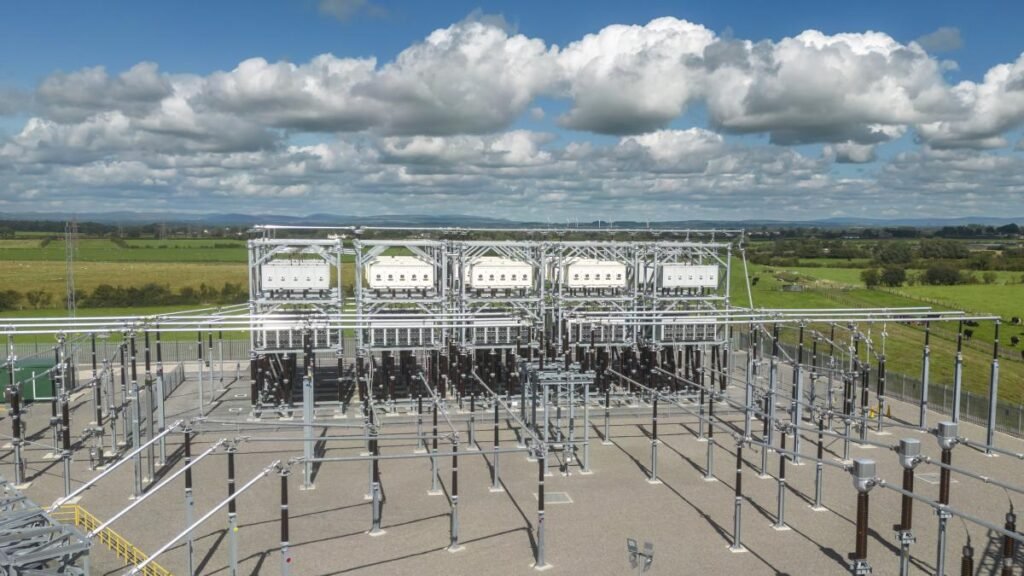
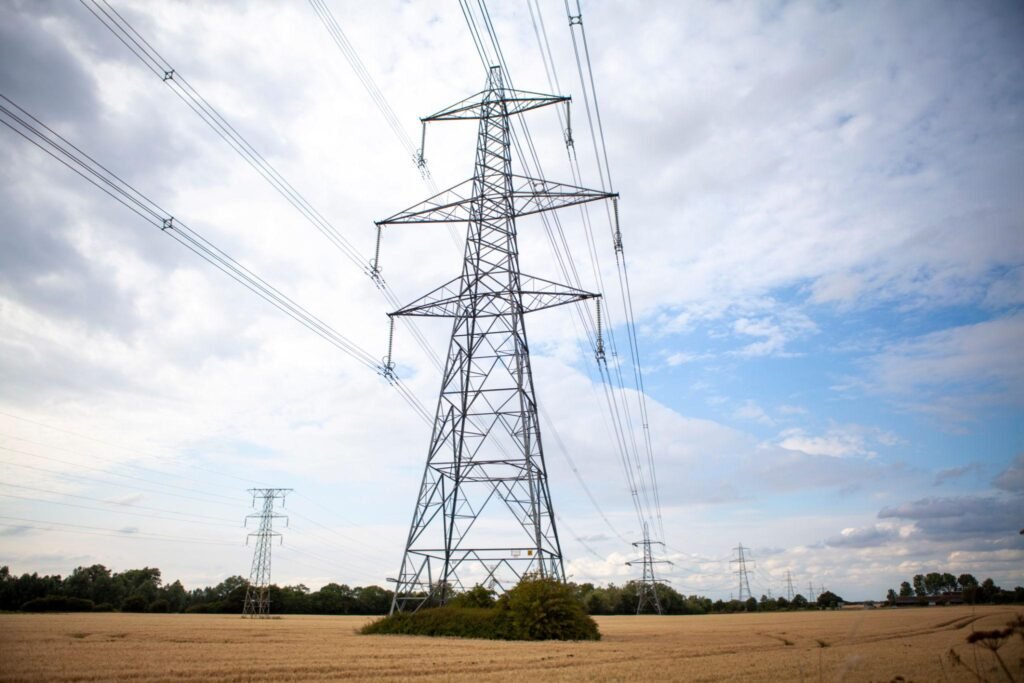
Modernising The Grid
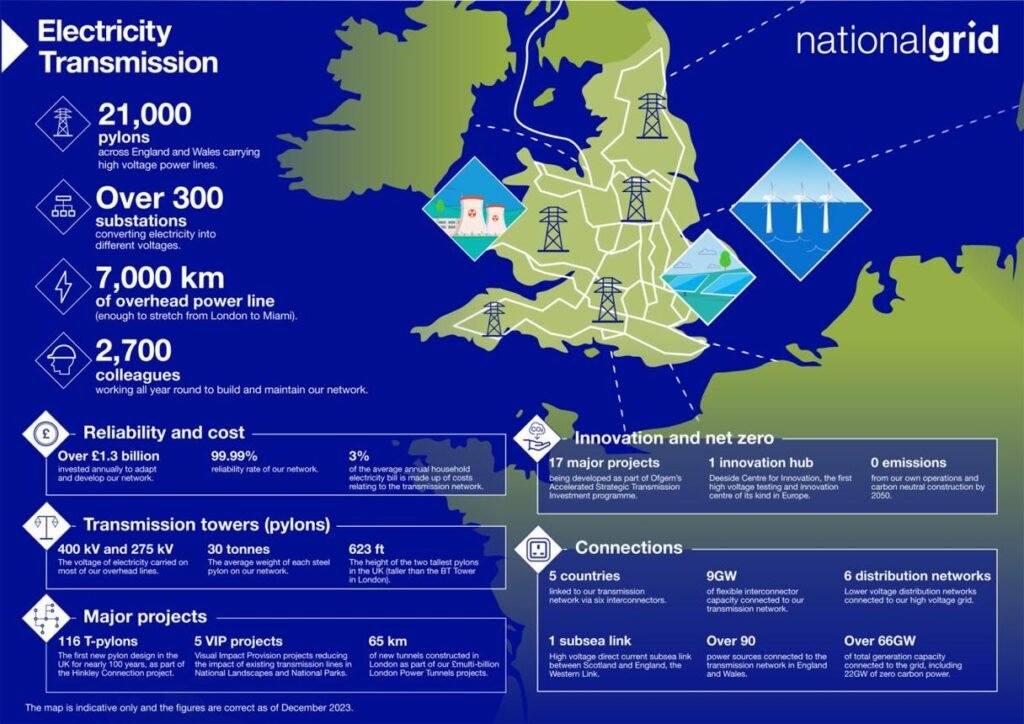
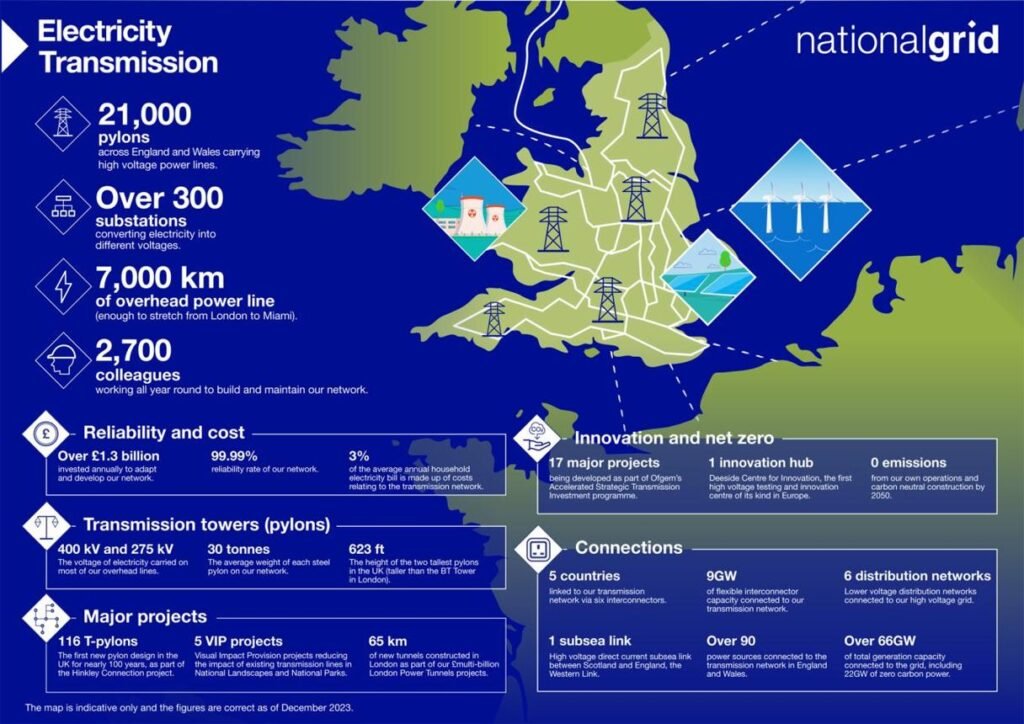
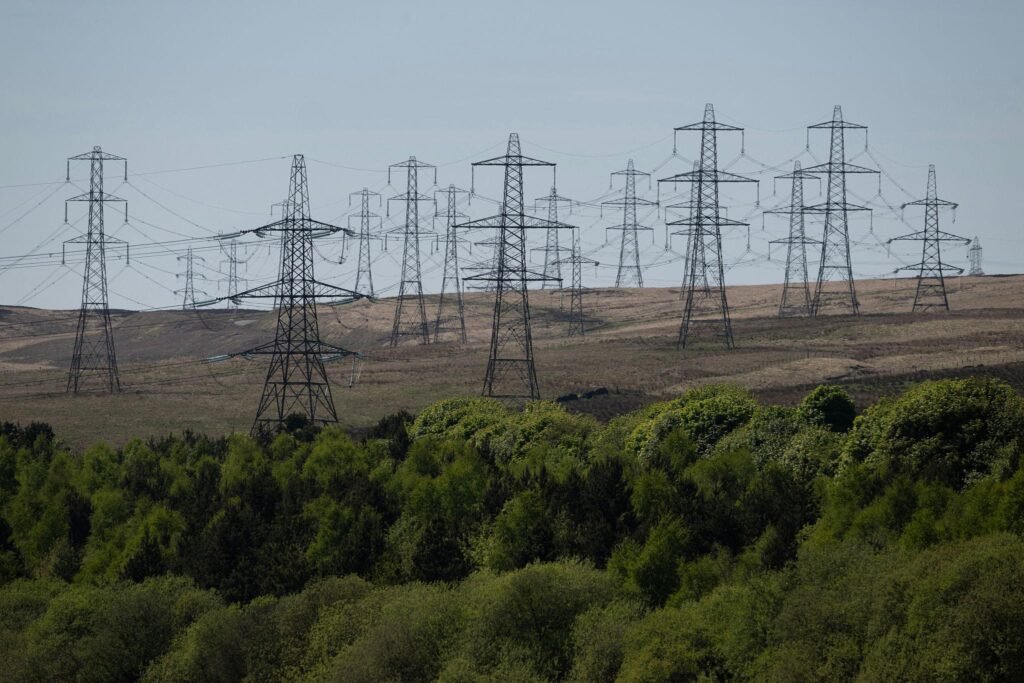
The UK’s electricity network was designed for a completely different era.
Managing this transformation manually would be incredibly difficult.
That is where AI starts to become useful.
[IMAGE: AI-controlled British smart energy grid monitoring renewable energy flows]

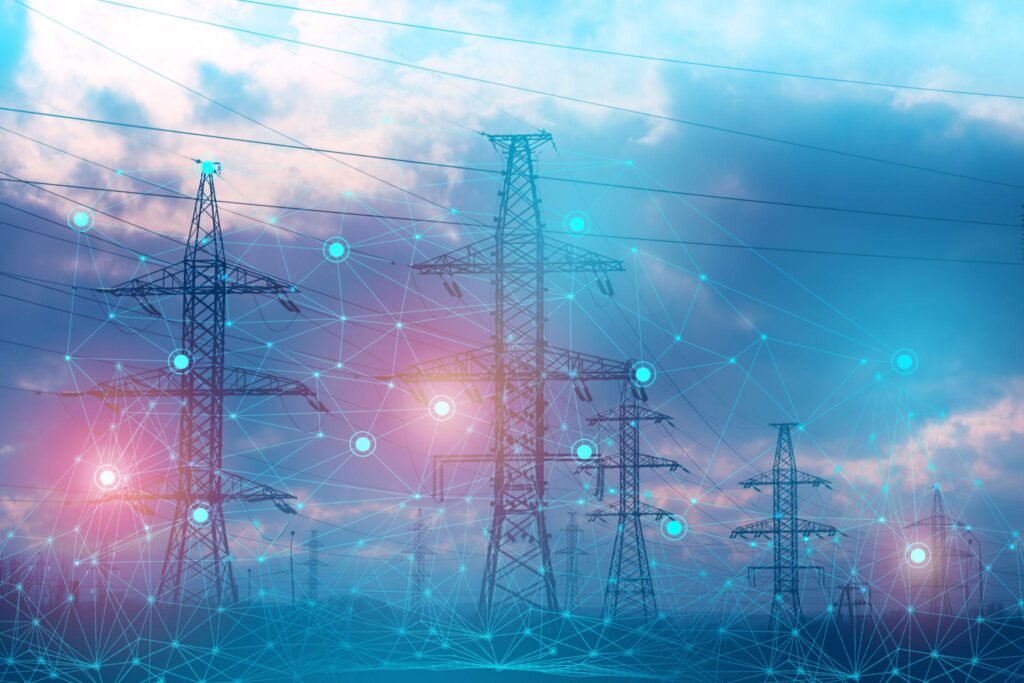
AI Could Make The National Grid Smarter
One of the biggest challenges facing Britain is balancing electricity supply and demand.
Traditional power stations produce predictable energy.
Renewables do not.
If the wind suddenly drops across Britain, electricity production can fall rapidly.
If millions of people arrive home and charge their electric cars simultaneously, demand can surge.
AI systems can analyse enormous volumes of real-time data and predict:
- Energy demand
- Renewable generation output
- Grid congestion
- Storage requirements
- Peak consumption periods
Research suggests AI-driven grid management can significantly improve forecasting accuracy and energy efficiency while reducing operational costs.
This matters because every improvement means less wasted electricity and fewer expensive emergency interventions.
Reducing Wind Energy Waste
One surprising problem in Britain is that renewable energy is sometimes generated but cannot be used.
Wind farms occasionally produce more electricity than parts of the grid can handle.
When this happens, operators are paid to switch turbines off.
According to recent reporting, Britain curtailed approximately 8.3 terawatt-hours of wind energy in 2024 because the electricity system could not fully utilise it. Consumers ultimately bear much of that cost.
AI could help by:
Predicting Congestion Earlier
Operators could identify bottlenecks before they occur.
Redirecting Energy More Efficiently
Electricity could be shifted to batteries, EV charging networks or industrial users.
Improving Storage Decisions
AI can determine the best moments to store or release energy.
Instead of wasting renewable power, Britain could use more of what it already generates.
[IMAGE: Large offshore wind farm connected to an intelligent digital energy network]

AI Could Accelerate Home Energy Efficiency
Britain has some of Europe’s least energy-efficient housing stock.
Many homes leak heat through:
- Poor insulation
- Old windows
- Uninsulated lofts
- Outdated heating systems
The UK Government is already backing AI projects that identify energy waste more accurately.
Examples include:
- AI-powered drones that map heat loss
- Smart building analysis systems
- Bespoke heating optimisation software
- Automated retrofit planning tools
These technologies can help councils and homeowners identify which buildings should be upgraded first, reducing costs and improving effectiveness.
Rather than inspecting homes individually, AI can assess entire neighbourhoods.
That could dramatically speed up retrofit programmes.

- SAVES ENERGY AND HEATING COSTS: With the intelligent heater thermostat X from tado°, the experts for smart heating, user…
- EASY DIY INSTALLATION, EVEN OFFLINE: The included adapter allows the thermostat to be fitted to almost every radiator va…
- CONTROL VIA APP: The thermostat has numerous features for your heating system, such as smart scheduling, temperature con…
Smarter Heat Pumps And Smart Homes
Heat pumps are expected to play a major role in Britain’s net zero strategy.
Many people worry about operating costs.
AI can help optimise heat pump performance by:
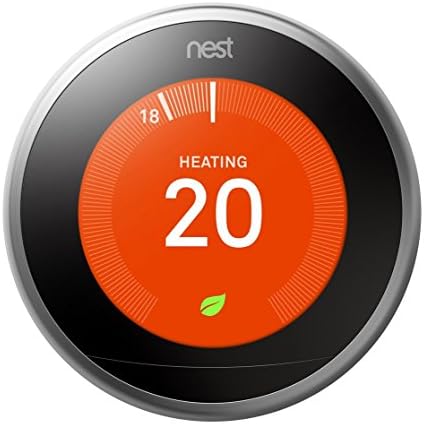
Learning Occupancy Patterns
Heating is provided only when needed.
Monitoring Weather Forecasts
Systems prepare for cold conditions before temperatures fall.
Reducing Peak Demand
Homes can heat slightly earlier when electricity is cheaper and cleaner.
Integrating Solar Panels And Batteries
AI can decide when to store energy and when to use it.
The result is lower electricity bills and lower carbon emissions.
A rare example of technology making life simpler rather than creating another subscription nobody asked for.
AI Could Transform Transport
Transport remains one of Britain’s largest sources of emissions.
AI is already being used to:
- Optimise delivery routes
- Reduce traffic congestion
- Improve public transport scheduling
- Manage EV charging demand
- Predict infrastructure maintenance requirements
Digital twin technology is becoming particularly important.
A digital twin is a virtual model of a real-world system.
Researchers at UK institutions are using AI-powered digital twins to model transport and energy networks, helping planners identify the most efficient solutions before spending billions on physical infrastructure.
[IMAGE: Electric vehicles charging through a smart AI-managed energy system]

AI Could Improve Renewable Energy Forecasting
Forecasting matters more than most people realise.
If grid operators know exactly how much wind energy will arrive tomorrow, they can plan accordingly.
If predictions are wrong, expensive backup generation may be required.
AI systems can analyse:
- Weather data
- Historical generation patterns
- Turbine performance
- Seasonal trends
This improves forecasting accuracy and allows more renewable electricity to be integrated safely into the grid.
Better forecasting reduces both costs and emissions.
Could AI Help Build Net Zero Infrastructure Faster?
Possibly.
Planning delays remain one of Britain’s biggest barriers.
Large energy projects often take years to approve.
AI could assist with:
Site Selection
Finding optimal locations for renewable projects.
Environmental Assessments
Analysing large datasets more rapidly.
Grid Connection Planning
Identifying available capacity and future requirements.
Construction Scheduling
Reducing delays and cost overruns.
Several reports suggest AI could help coordinate the enormous planning challenge involved in Britain’s transition to a cleaner energy system.
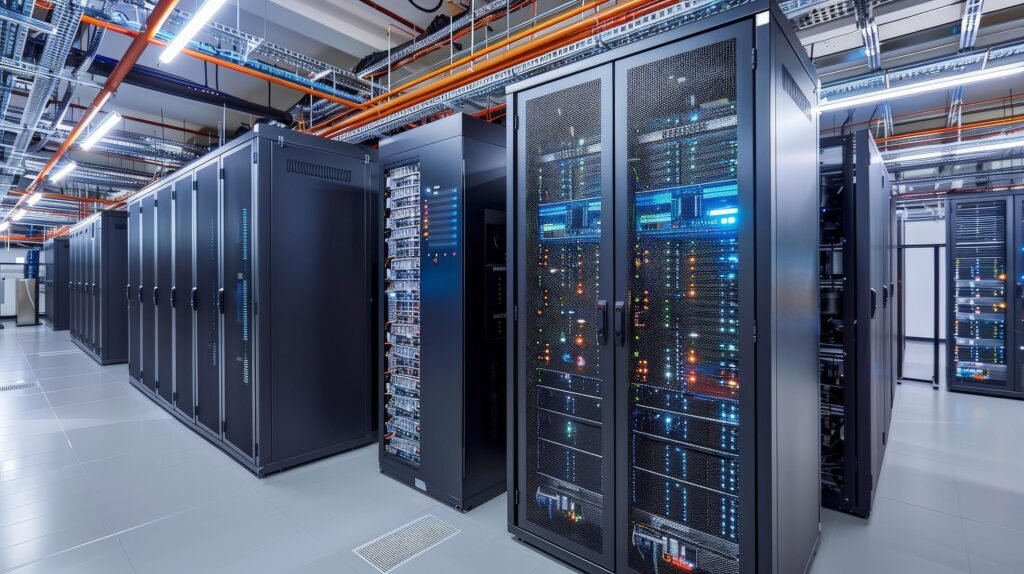
The Big Problem: AI Uses Huge Amounts Of Energy
This is where the story becomes more complicated.
AI is not free from environmental impact.
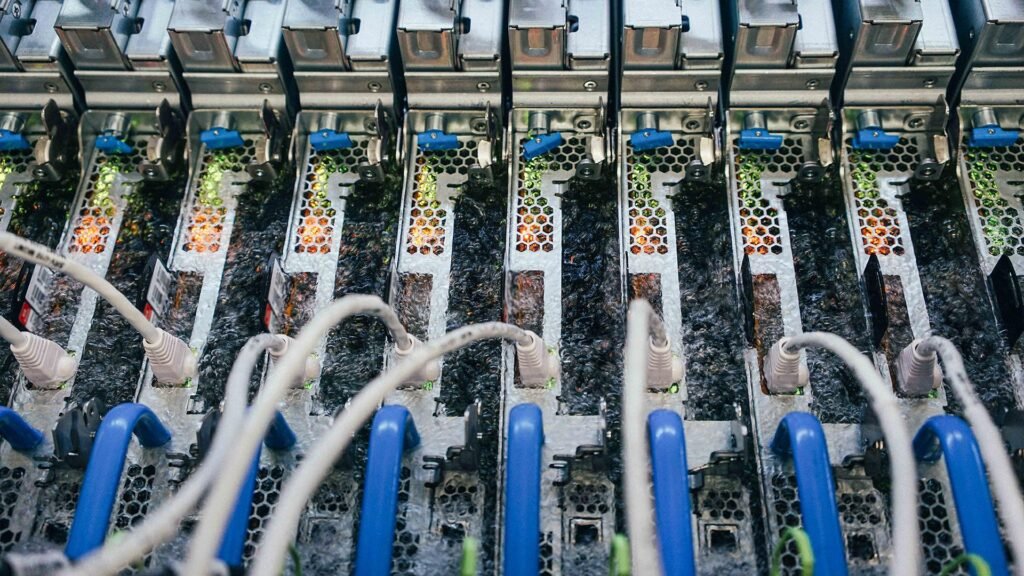
Training large AI models and operating data centres requires substantial electricity.
The UK Government has estimated that Britain may need at least 6GW of AI-capable data centre capacity by 2030.
Critics argue that rapidly expanding AI infrastructure could create significant additional emissions if clean energy deployment does not keep pace.
In other words:
If AI saves 10 units of carbon but creates 15 units of carbon, it becomes part of the problem.
If AI saves 100 units while creating 10 units, it becomes part of the solution.
The outcome depends entirely on how Britain powers its future data centres.
- Learning function
Why Nuclear Power May Become Part Of The AI Equation
Many experts believe AI growth and nuclear power are becoming increasingly linked.
Data centres require:
- Reliable electricity
- Continuous power
- Long-term energy security
Unlike solar and wind, nuclear generation operates around the clock.
This is one reason governments and technology companies are increasingly discussing nuclear power, including Small Modular Reactors (SMRs), as part of future AI infrastructure planning.
Britain may ultimately need AI and nuclear energy to grow together if it wants both net zero progress and AI expansion.
The Realistic Verdict
Could AI help Britain reach net zero faster?
Yes.
In fact, it may become essential.
AI can improve:
- Energy efficiency
- Grid management
- Renewable integration
- Building retrofits
- Transport systems
- Infrastructure planning
- Energy forecasting
Without these improvements, managing a highly electrified, renewable-heavy economy becomes far more expensive and complicated.
However, AI is not a magic solution.
Britain still needs:
- More renewable generation
- Grid upgrades
- Energy storage
- Nuclear investment
- Better home insulation
- Faster infrastructure delivery
AI is best viewed as an accelerator rather than a replacement for real-world energy projects.
The uncomfortable truth is that Britain cannot simply code its way to net zero. Servers cannot insulate lofts. Algorithms cannot pour concrete for substations. Chatbots cannot build offshore wind farms, despite what some venture capital presentations seem to imply.
What AI can do is help Britain use its energy system far more intelligently. If that intelligence is paired with serious infrastructure investment, AI could genuinely help the UK reach net zero faster and at lower cost than would otherwise be possible.
AI Playbooks
We have created Professional High Quality Downloadable PDF’s at great prices specifically for Personal or Business use in the UK. Which include help and advice on understanding what Artificial Intelligence is all about and how it can improve your business. Find them here.