Artificial Intelligence is often marketed as invisible magic. Ask a chatbot a question, generate an image, automate a spreadsheet, and somehow it all feels weightless. But behind every AI request sits a very physical reality: enormous data centres, industrial-scale electricity demand, cooling systems, fibre networks and increasingly strained power infrastructure. Humanity has successfully reinvented the steam engine but hidden it behind rounded app icons and minimalist branding. Remarkable species.
The question now being asked by energy analysts, grid operators and technology firms is simple: could the rapid rise of AI place serious pressure on the UK national grid?
The short answer is yes. The longer answer is far more interesting, and more worrying.
Why AI Uses So Much Electricity
AI Is Not “Just Software”
Traditional internet services already consume substantial electricity, but AI systems dramatically increase the computing load.
When somebody streams a film, sends an email or browses a website, the computing requirement is relatively modest compared to training or operating advanced AI systems.
Large AI models require:
- Vast GPU clusters
- High-density servers
- Continuous cooling
- Massive storage systems
- Constant uptime
- Redundant power systems
Training a modern AI model can consume electricity comparable to thousands of UK homes over extended periods.
The Data Centre Explosion
AI growth is driving a global race to build more data centres.
Major technology companies including Microsoft, Google, Amazon and NVIDIA are investing billions into AI infrastructure.
The UK is seeing increased demand for:
- New hyperscale data centres
- Edge AI facilities
- Cloud processing hubs
- GPU hosting centres
This is particularly visible around:
- London
- Slough
- Manchester
- Leeds
- Birmingham
Areas already under electricity infrastructure pressure.

- 【OBSBOT × EWC 2025 Official Partnership】OBSBOT is thrilled to be the 2025 Esports World Cup (EWC) Official Camera & Webc…
- 【OBSBOT Tiny 2 – New Era of Webcam】Our 4K Webcam is equipped with 1/1.5″ CMOS Sensor, which is the largest and most adva…
- 【Superior AI-Tracking, Up 4 Tracking Modes】Our Tracking Webcam has fully upgraded the AI algorithm to make the auto-trac…
The UK Grid Was Not Originally Designed for AI Growth
Britain’s Electricity Network Faces Multiple New Demands
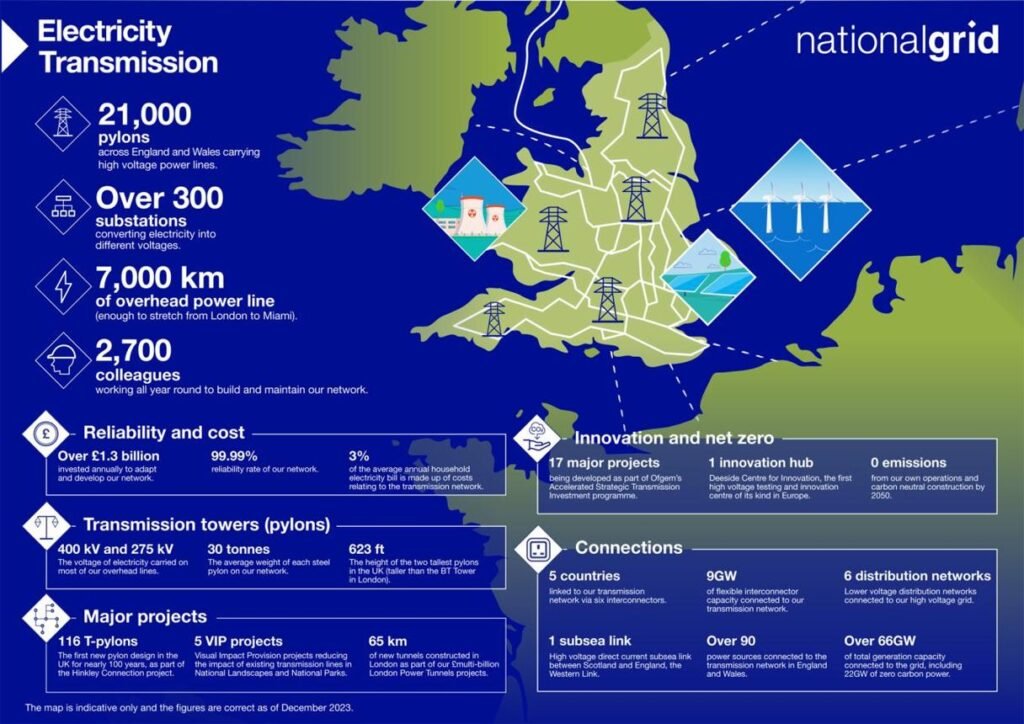
The UK national grid is already dealing with enormous transition pressures including:
- EV charging expansion
- Heat pump adoption
- Electrification of transport
- Renewable balancing
- Battery storage integration
- Industrial electrification
AI adds another major electricity consumer into the mix.
The issue is not simply national electricity generation. It is also local grid capacity.
A single large AI-focused data centre can consume as much electricity as a medium-sized town.
Local Grid Bottlenecks Are Becoming Serious
Some UK regions are already experiencing delays connecting new energy-intensive developments.
Developers have reported long waiting times for:
- Grid connection approvals
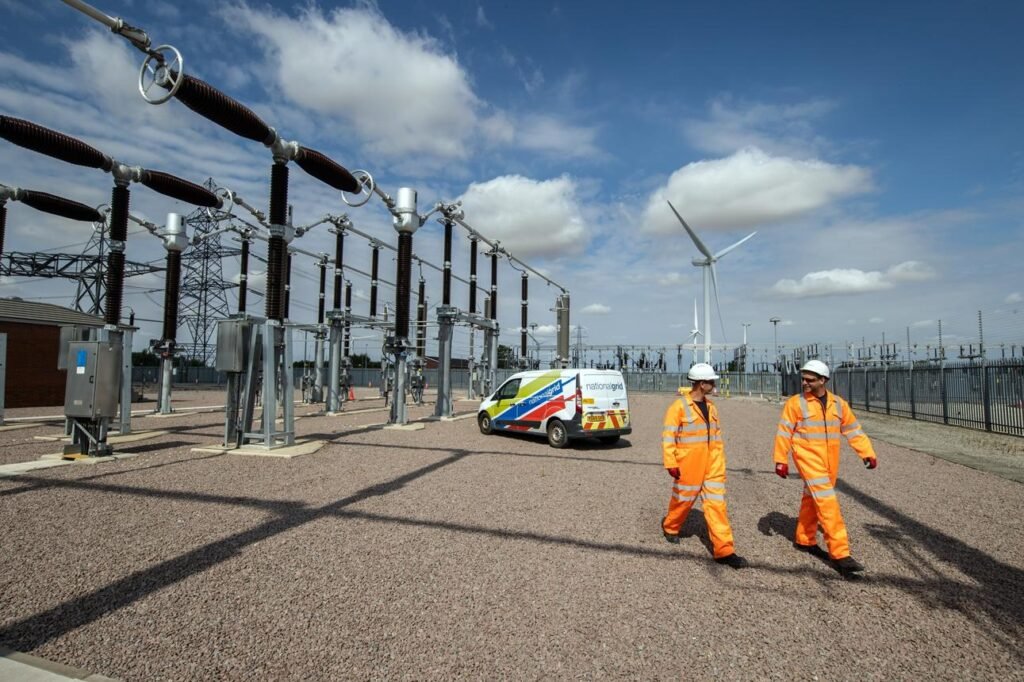
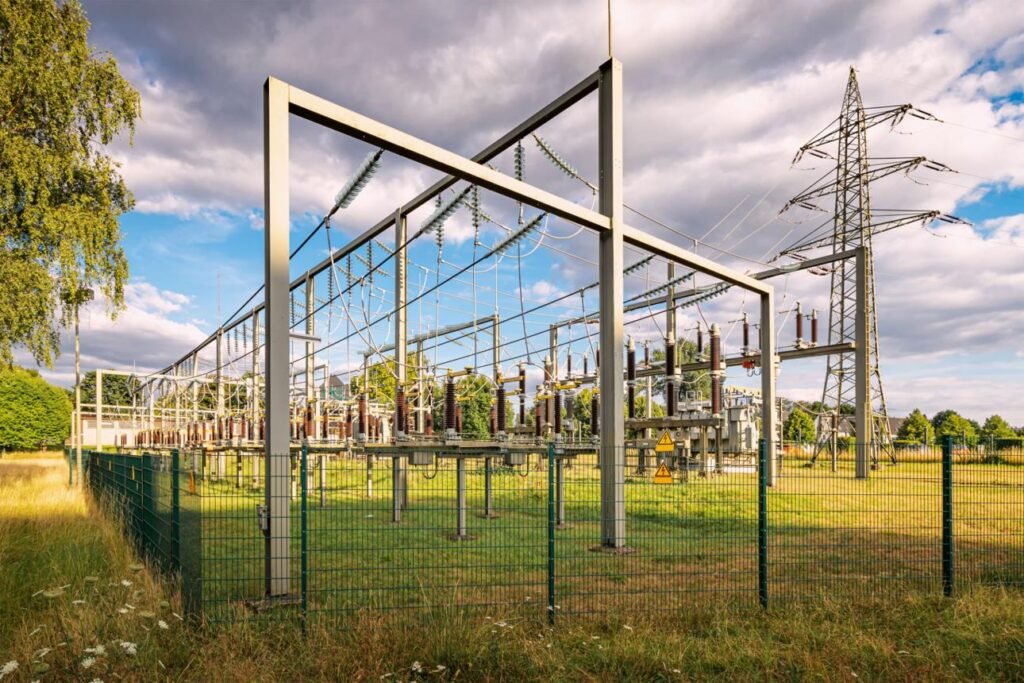
- Substation upgrades
- High-voltage infrastructure expansion
This is increasingly becoming a hidden economic issue.
A company may want to build a large AI facility in Britain, but the local power infrastructure may simply lack enough spare capacity.
The public rarely sees this because grid constraints are deeply unglamorous. Humans would rather discuss whether AI will steal poetry jobs than whether a substation in Slough is overheating. Civilisation has priorities.
Why AI Data Centres Consume So Much Power
GPUs Are Extremely Energy Intensive
AI relies heavily on GPUs rather than traditional CPUs.
These specialised processors are extraordinarily powerful but consume significant electricity.
For example:
- A modern AI GPU server rack can consume tens of kilowatts continuously
- Large AI clusters can require hundreds of megawatts
- Cooling infrastructure can add substantial additional energy usage
Some estimates suggest future AI facilities may rival heavy industrial energy consumers.
Cooling Systems Are a Major Hidden Cost
AI hardware generates immense heat.
Data centres therefore require:
- Industrial air conditioning
- Liquid cooling systems
- Ventilation infrastructure
- Backup cooling redundancy
In warmer weather, electricity demand rises further because cooling systems work harder.
This creates additional strain during summer peak periods.

Could AI Increase UK Electricity Bills?
Indirectly, Yes
Most households will never receive a line on their bill labelled “AI surcharge”, because energy pricing systems are rarely honest enough to be entertaining.
However, AI growth can influence electricity pricing through:
- Higher industrial demand
- Increased infrastructure investment
- Greater peak load pressure
- More volatile balancing costs
If electricity demand rises faster than infrastructure upgrades, prices can increase.
You can try our AI Grid Capacity Checker to understand how AI growth may affect electricity networks.
Competition for Power Capacity
Some analysts fear AI facilities could compete with:
- Housing developments
- Manufacturing projects
- EV infrastructure
- Renewable integration
This could lead to difficult national planning decisions.
For example:
Should priority grid access go to:
- A new housing estate?
- A battery factory?
- An AI data centre?
These debates are already beginning internationally.
Real World Examples Outside the UK
Ireland Has Already Seen Serious Pressure
Ireland provides one of the clearest warnings.
The country became a major European data centre hub, particularly around Dublin.
Over time:
- Data centres consumed a rapidly growing share of national electricity
- Grid concerns intensified
- Authorities became more cautious about approvals
Irish grid operators warned about sustainability concerns linked to rapid data centre growth.
The UK may face similar regional pressures if AI infrastructure expands aggressively.
The United States Is Seeing Massive AI Power Growth
In parts of the US:
- Nuclear plants are being reconsidered for AI power demand
- Natural gas generation is increasing
- Utility companies are forecasting major electricity demand spikes
AI is now influencing national energy strategy discussions.
That alone tells you this is no longer a niche technology conversation.

- Special Edition Finish: The perfect companion to your Aurora Collection Logitech G headset, mouse and keyboard, Yeti mic…
- Exclusive Streamlabs Aurora Collection Themes: Download exclusive themes that match the look of your Yeti broadcast micr…
- Blue VO!CE Effects: Yeti USB condenser microphone improves your sound and stream with fun vocal effects, HD samples, and…
Could Renewable Energy Handle AI Demand?
Renewables Help, But There Are Challenges
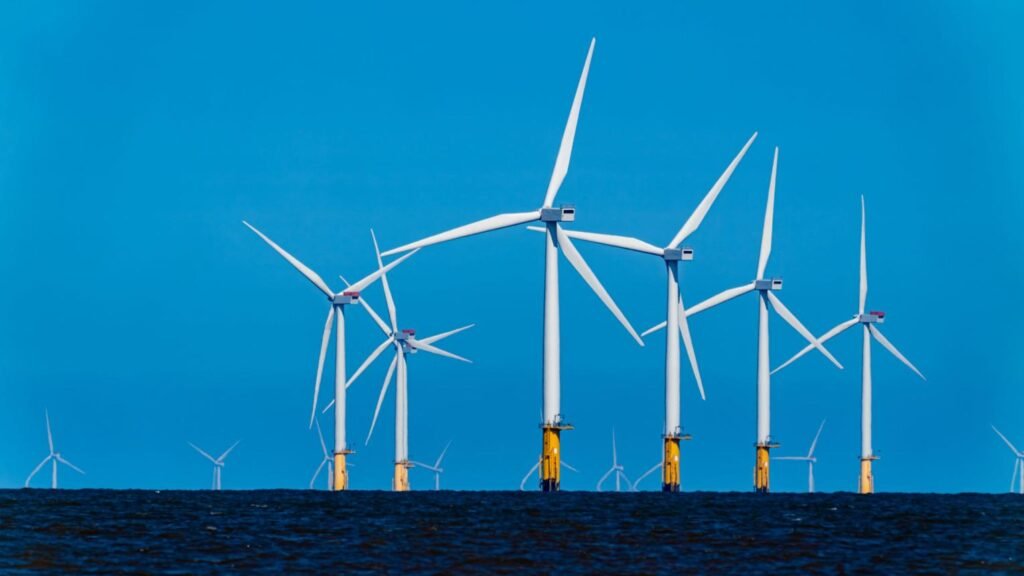
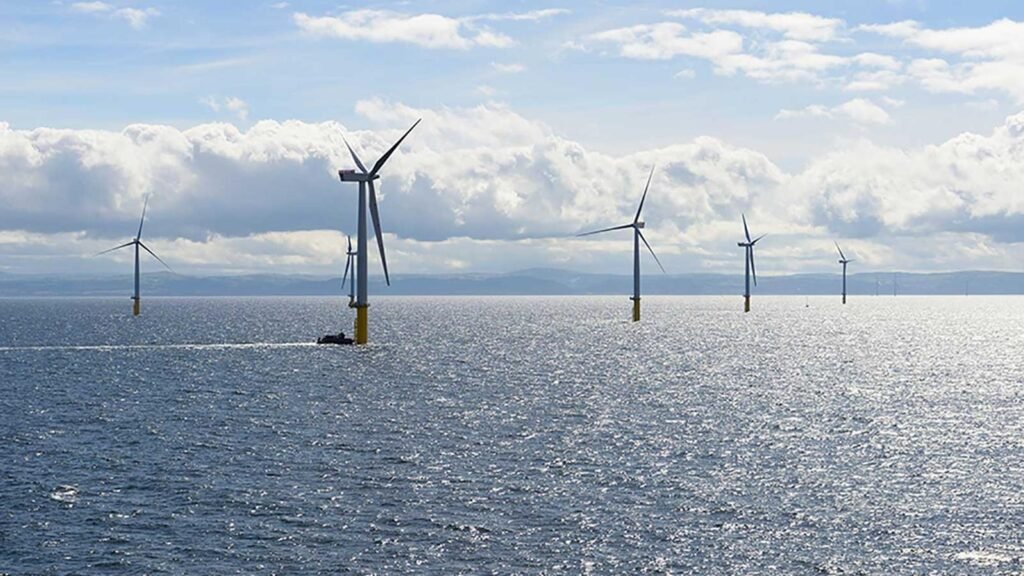
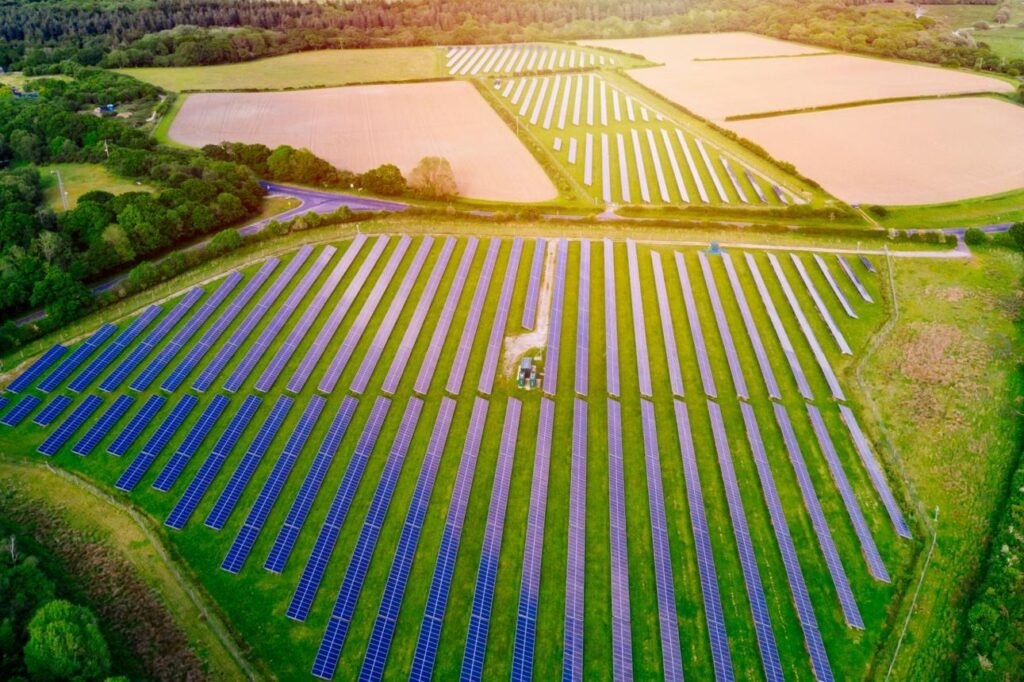
AI companies increasingly promise “green AI” powered by renewable electricity.
This helps politically and commercially, but reality is complicated.
Problems include:
- Renewable intermittency
- Storage limitations
- Peak demand balancing
- Transmission constraints
Wind and solar generation vary significantly.
AI infrastructure, however, requires continuous high-power availability.
This often means:
- Grid balancing support
- Backup generation
- Battery systems
- Gas generation during shortages
Data Centres Prefer Stable Power
AI systems dislike interruptions.
Even brief instability can create operational risks.
As a result, data centres often require:
- Multiple grid feeds
- Backup diesel generators
- Battery reserves
- Dedicated substations
This creates additional infrastructure costs.

The UK Government Wants AI Growth
AI Is Seen as an Economic Opportunity
The UK government views AI as strategically important for:
- Economic growth
- Productivity
- Scientific leadership
- Defence
- Healthcare innovation
As a result, Britain is actively encouraging AI investment.
The problem is that electricity infrastructure upgrades move far slower than software innovation.
You can launch a new AI platform globally in weeks.
Building substations, transmission upgrades and power infrastructure can take years.
That mismatch is becoming a serious issue.
Could Home AI Usage Also Increase Demand?
Domestic Electricity Use May Slowly Rise
Most current concern focuses on industrial AI infrastructure rather than individual households.
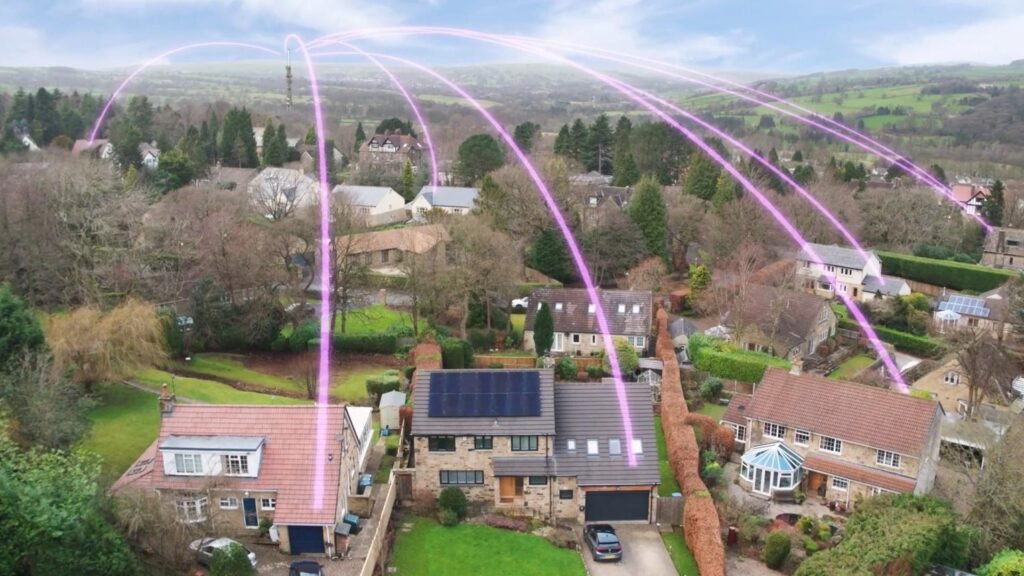
However, home electricity demand could rise through:
- AI-powered PCs
- Local AI assistants
- AI surveillance systems
- AI-enabled appliances
- Smart home processing
Individually these increases may appear small.
Collectively across millions of homes, they become significant.
AI Could Also Reduce Energy Waste
There is another side to this story.
AI may improve efficiency by helping:
- Optimise heating systems
- Reduce industrial waste
- Balance grid loads
- Predict energy demand
- Improve renewable integration
So AI could simultaneously increase electricity demand while improving efficiency elsewhere.
Human progress remains wonderfully contradictory.
The Hidden Infrastructure Problem Nobody Talks About
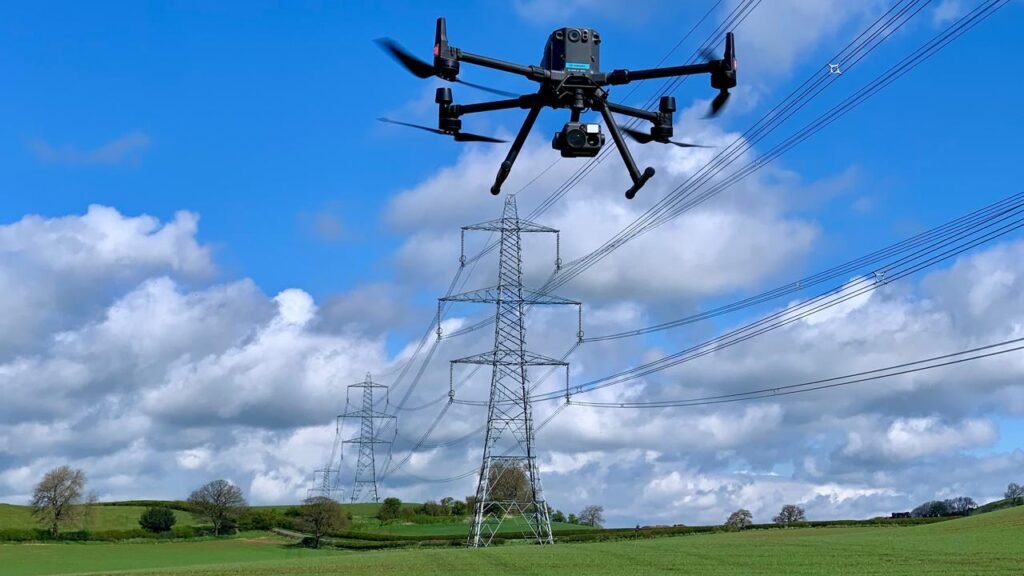
Transmission Infrastructure Is Ageing
Some UK grid infrastructure dates back decades.
Large-scale AI growth may require:
- New substations
- Transmission upgrades
- Faster planning approval
- More local generation
- Expanded storage capacity
Without these upgrades, bottlenecks become increasingly likely.
Planning Delays Are Already Slowing Projects
Energy infrastructure projects in the UK often face:
- Long approval times
- Local opposition
- Regulatory complexity
- Environmental reviews
Meanwhile AI demand is accelerating rapidly.
That mismatch could become one of the defining infrastructure challenges of the late 2020s.

- Multiple Display Modes – The external screen for laptop supports three display modes: Duplicated Mode, Extended Mode and…
- Plug and Play – The portable monitor for laptop does not require drivers and installation applications, and you only nee…
- Wide Compatibility – The laptop monitor extender is compatible with a wide range of laptops (14-17 inches) and supports …
What Happens If AI Demand Keeps Rising?
Several Outcomes Are Possible
The UK could see:
More Investment in Nuclear
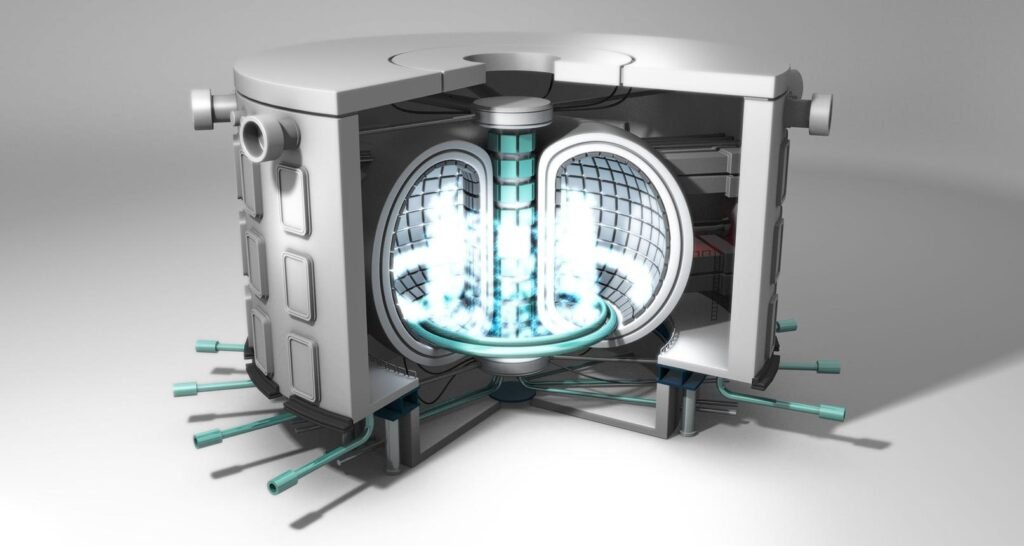
Small Modular Reactors (SMRs) are increasingly discussed as stable power sources for future high-demand industries including AI.
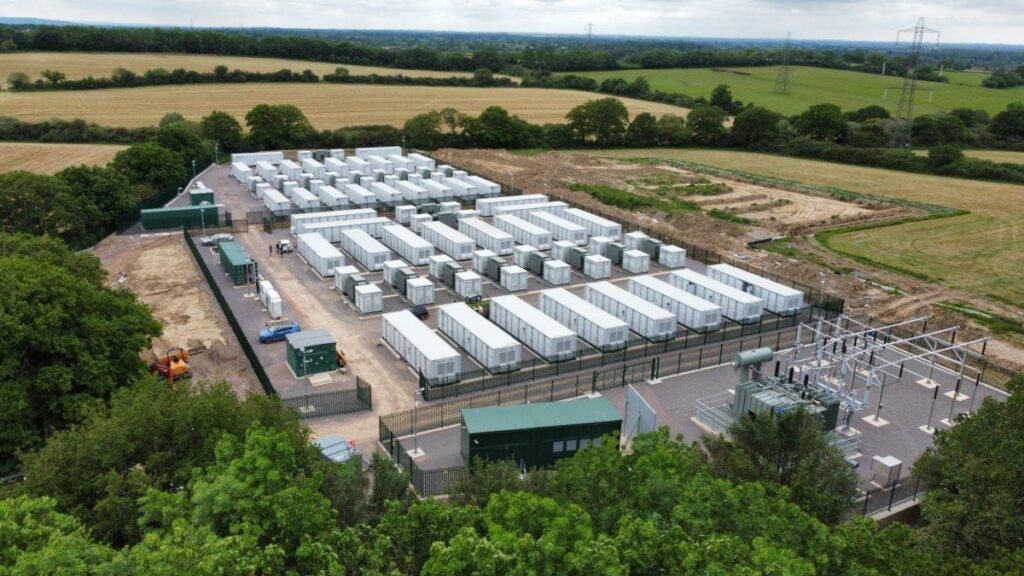
Expansion of Battery Storage
Battery technology will likely become more important for managing variable demand.
Higher Electricity Infrastructure Spending
Consumers may ultimately help fund grid expansion through bills and taxation.
Regional Capacity Limits
Some areas may simply run out of available power capacity temporarily.
Final Thoughts
AI absolutely has the potential to place major pressure on the UK national grid.
Not because people are casually chatting with AI tools at home, but because the infrastructure behind modern AI is becoming enormous.
The challenge is bigger than electricity generation alone.
Britain must also deal with:
- Grid capacity
- Regional bottlenecks
- Cooling demand
- Planning delays
- Infrastructure ageing
- Renewable balancing
The UK wants to become an AI leader while simultaneously electrifying transport, heating and industry.
All of this depends on one thing: reliable electricity infrastructure.
For years, energy discussions focused mainly on consumer bills and renewable targets.
Now a new question is emerging:
Can the UK physically power the digital future it is racing towards?
That is no longer theoretical. It is becoming a live infrastructure problem hiding behind every cheerful AI marketing campaign and every “Ask AI” button quietly glowing on millions of screens.
Learn more about Energy facts, figures and how it affects daily lives in the UK PowerGuardianUK
AI Playbooks
We have created Professional High Quality Downloadable PDF’s at great prices specifically for Personal or Business use in the UK. Which include help and advice on understanding what Artificial Intelligence is all about and how it can improve your business. Find them here.