Expanding a business sounds exciting until the first electricity bill lands like a brick through the window. Many UK firms obsess over office size, staffing, software subscriptions and logistics while barely glancing at projected energy consumption. Then the company grows, energy demand jumps, and suddenly the monthly costs resemble a small ransom payment to the national grid. Modern business. Tremendous invention.
For UK businesses planning to scale in 2026 and beyond, energy costs are no longer a background expense. They can directly affect profitability, hiring, pricing and even survival. AI infrastructure, cloud computing, manufacturing equipment, refrigeration, EV fleets and longer operating hours are pushing energy consumption higher across nearly every sector.
This guide explains what UK businesses should check before scaling up, the hidden costs many firms miss, and how smarter planning can avoid major financial pain later.
Why Energy Costs Matter More Than Ever
UK electricity prices remain high by historical standards
Although wholesale energy markets stabilised compared with the peak crisis years of 2022 and 2023, UK commercial electricity prices remain significantly above pre-pandemic levels.
Businesses are dealing with:
- Higher standing charges
- Network and distribution costs
- Capacity market charges
- Climate and environmental levies
- Time-of-use pricing fluctuations
- Increased peak-hour pricing
For many SMEs, electricity is now one of the top five operating expenses.
According to data from the UK Government and Ofgem, average business electricity rates in 2025 often range between:
Gas prices also remain volatile depending on contract structures and global supply pressures.

Scaling Up Often Causes “Silent Energy Inflation”
The costs creep in gradually
Many businesses underestimate how scaling affects energy demand because the increases arrive in layers rather than all at once.
Examples include:
- More staff using devices
- Larger premises requiring heating and lighting
- Additional servers or cloud infrastructure
- Longer operational hours
- More refrigeration or cooling
- Increased EV charging
- Larger manufacturing output
- More ventilation requirements
A company may double revenue while tripling energy consumption.
That happens because operational complexity expands faster than expected.

- 15.6-inch Full HD portable anti-glare IPS display with an ultraslim and thin design helps you get things done more effic…
- USB Type-C connector (DP Alt mode) for user convenience and compatibility with compatible devices
- ASUS Eye Care monitors feature TÜV Rheinland-certified Flicker-free and Low Blue Light technologies to ensure a comforta…
AI Growth Is Quietly Increasing Business Electricity Usage
AI tools are not “free” from an energy perspective
Businesses increasingly use:
- AI chatbots
- AI image generation
- AI-powered analytics
- Cloud automation
- AI transcription
- Large language models
- Smart CCTV analysis
- AI customer support systems
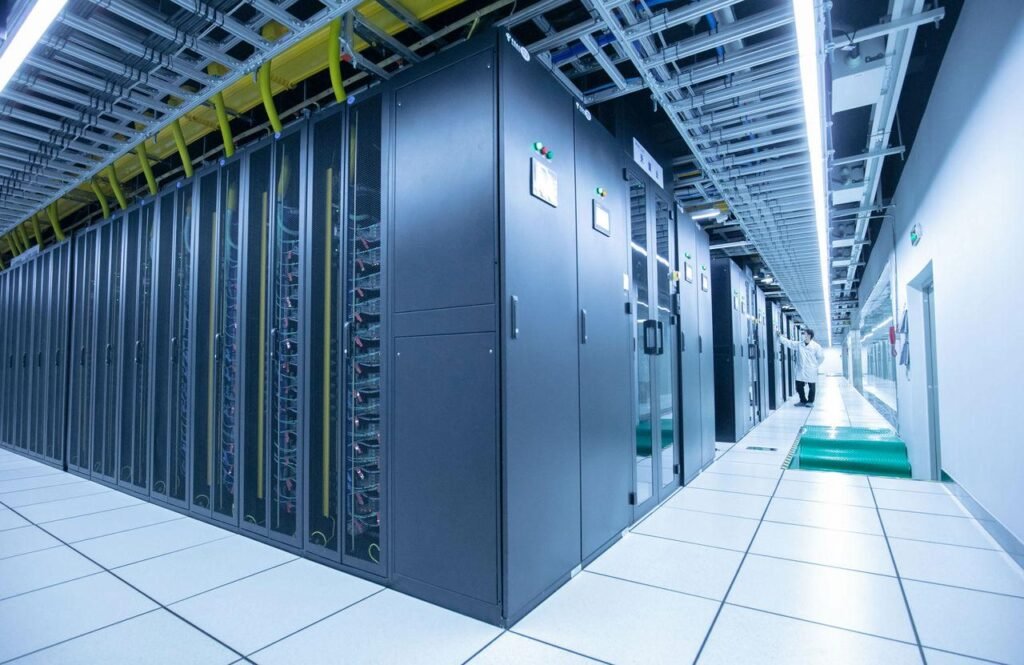
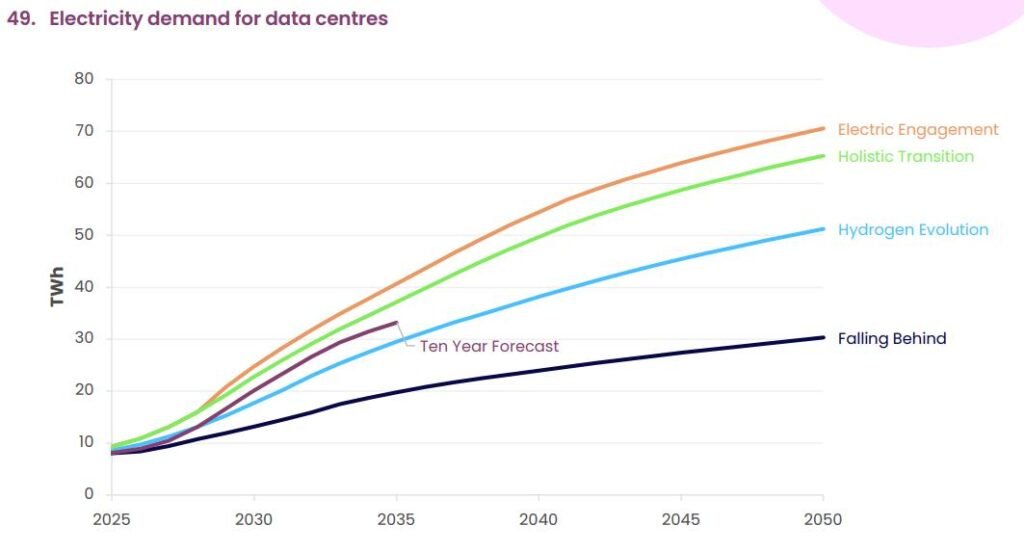
All of this relies on data centres consuming enormous amounts of power.
While individual AI subscriptions seem inexpensive, the underlying infrastructure demand contributes to wider electricity pressure nationally.
A small business using multiple AI platforms daily may also increase its own indirect operational costs through:
- Higher GPU workstation usage
- Increased cloud compute spending
- Additional cooling needs
- Longer device usage hours
Ironically, companies sometimes adopt AI to cut costs while accidentally increasing operational electricity demand. Humans do enjoy creating complicated solutions for problems caused by earlier complicated solutions.
The Biggest Energy Mistakes Businesses Make Before Expansion
Signing a lease before understanding energy performance
Many businesses move into larger premises without checking:
- EPC ratings
- Insulation quality
- HVAC efficiency
- Lighting systems
- Old electric heating systems
- Three-phase power availability
- Previous energy usage history
An older warehouse with poor insulation can cost tens of thousands more annually to operate than a newer efficient building.
Ignoring peak-hour pricing
Commercial tariffs increasingly punish businesses during high-demand periods.
A business operating:
- EV chargers at 6pm
- Manufacturing equipment during peak periods
- AI workloads during expensive tariff windows
could pay dramatically more than necessary.
Learn more about Energy facts, figures and how it affects daily lives in the UK PowerGuardianUK
Scaling equipment before upgrading infrastructure
Examples include:
- Adding servers without cooling upgrades
- Expanding refrigeration systems
- Installing rapid EV charging
- Running additional machinery
Without efficient planning, businesses often overload older electrical systems while increasing wastage.
Real UK Examples Of Scaling Energy Problems
Example 1: Small ecommerce warehouse
A Midlands ecommerce retailer expanded from a 2,000 sq ft warehouse to 8,000 sq ft.
Their assumptions:
- Energy bills would roughly double
Reality:
- Costs nearly quadrupled
Why?
Because:
- Heating volume increased massively
- Older lighting systems consumed far more power
- Additional packing equipment increased demand
- Extended operating hours raised peak usage
The business later replaced lighting with LEDs and cut usage by roughly 20%.
Example 2: AI design agency
A London creative agency adopted:
- AI rendering tools
- High-powered GPU workstations
- Cloud processing subscriptions
Electricity costs rose sharply due to:
- Increased workstation loads
- Air conditioning requirements
- Longer machine runtimes
The company eventually shifted heavy rendering workloads overnight using cheaper tariff windows.
Example 3: Restaurant expansion
A restaurant opening a second site discovered standing charges alone were costing hundreds monthly before meaningful consumption even began.
Many UK firms underestimate how much fixed charges contribute to total energy spend.

What Businesses Should Check Before Scaling
Review current energy usage properly
Do not rely on rough estimates.
Analyse:
- Half-hourly data
- Seasonal usage
- Peak usage periods
- Equipment consumption
- Heating costs
- Cooling costs
Smart meter data can reveal major waste patterns.
Compare commercial contracts early
Businesses often wait until expansion completes before reviewing tariffs.
This is backwards.
Larger energy demand can:
- Improve negotiating power
- Unlock fixed-rate opportunities
- Allow multi-site contracts
But timing matters heavily.
Check the building’s energy efficiency
Inspect:
- Roof insulation
- Heating systems
- Lighting efficiency
- Window quality
- Ventilation systems
- Smart controls
An inefficient building can quietly destroy profit margins.

- Special Edition Finish: The perfect companion to your Aurora Collection Logitech G headset, mouse and keyboard, Yeti mic…
- Exclusive Streamlabs Aurora Collection Themes: Download exclusive themes that match the look of your Yeti broadcast micr…
- Blue VO!CE Effects: Yeti USB condenser microphone improves your sound and stream with fun vocal effects, HD samples, and…
Model future energy demand
Businesses should estimate:
- 12-month growth
- Additional equipment
- Staff increases
- AI/cloud expansion
- EV charging needs
Energy forecasting is becoming essential operational planning, not optional admin.
AI Tools Can Help Reduce Energy Waste
Smart automation is becoming more useful
Modern systems can automatically:
- Reduce heating in unused areas
- Optimise cooling
- Shift power-heavy tasks overnight
- Monitor waste
- Predict high-demand periods
- Detect faulty equipment
Popular examples include:
- Smart thermostats
- AI-powered building management systems
- Smart lighting controls
- Automated shutdown scheduling
The irony is impressive. AI both increases national electricity demand and helps businesses reduce their own energy waste. Humanity has built a technology ecosystem powered entirely by contradiction.
The Hidden Cost Of EV Fleet Expansion
Workplace charging is not always cheap
Many firms scaling logistics or staff fleets underestimate:
- Charger installation costs
- Peak load increases
- Demand charges
- Network upgrade requirements
Rapid charging especially can become expensive.
In some parts of London and the South East, public rapid charging can exceed 80p per kWh during premium periods.
Businesses installing multiple rapid chargers may need substantial electrical infrastructure upgrades.

Should Businesses Invest In Solar Before Scaling?
In many cases, yes
Commercial solar adoption continues growing because businesses want:
- Predictable energy costs
- Lower grid dependence
- Better ESG credentials
- Protection against volatility
Warehouses, offices and retail premises with large roof space can often achieve meaningful savings.
Battery storage also helps businesses:
- Avoid expensive peak-hour pricing
- Store cheaper overnight electricity
- Improve resilience
However, payback periods vary heavily depending on:
- Building type
- Operating hours
- Regional sunlight
- Financing structure

Questions Every UK Business Should Ask Before Expanding
Key planning questions
Before scaling, businesses should ask:
- What will our energy usage look like in 12 months?
- Can our current infrastructure cope?
- Are we expanding into an inefficient building?
- Are we locked into poor contracts?
- Do we need three-phase power?
- Will EV charging increase demand significantly?
- Are AI tools increasing hidden operational costs?
- Could solar or storage reduce future risk?
Ignoring these questions can turn successful growth into a financial trap.
Final Thoughts
Scaling a business in the UK without reviewing energy costs is becoming increasingly risky.
Electricity is no longer just a utility bill sitting quietly in the background. It now affects:
- Operational resilience
- Technology strategy
- AI adoption
- Property decisions
- Fleet planning
- Profit margins
The businesses that scale most successfully in the next decade will likely be the ones treating energy planning as seriously as staffing and finance.
The old approach was:
“Grow first, sort the bills later.”
The newer approach is:
“Model the energy costs first so the growth does not eat the profit.”
Less exciting perhaps, but considerably better than discovering your shiny new expansion project runs on industrial quantities of financial regret.
AI Playbooks
We have created Professional High Quality Downloadable PDF’s at great prices specifically for Personal or Business use in the UK. Which include help and advice on understanding what Artificial Intelligence is all about and how it can improve your business. Find them here.