Artificial Intelligence is quietly becoming one of the biggest new electricity users inside UK homes. Not because people are building secret data centres in the garage beside the lawnmower and forgotten tins of paint, but because AI is now built into everyday life. ChatGPT searches, AI image generation, smart assistants, AI-powered TVs, voice transcription, automated heating systems, AI cameras, and even “smart” kitchen appliances all consume electricity somewhere in the chain.
Most UK households still massively underestimate the energy impact of AI. Partly because the electricity use is often hidden in remote data centres rather than obvious devices inside the home. The laptop might only feel slightly warm, but the server farms behind the scenes can consume extraordinary amounts of power.

- Special Edition Finish: The perfect companion to your Aurora Collection Logitech G headset, mouse and keyboard, Yeti mic…
- Exclusive Streamlabs Aurora Collection Themes: Download exclusive themes that match the look of your Yeti broadcast micr…
- Blue VO!CE Effects: Yeti USB condenser microphone improves your sound and stream with fun vocal effects, HD samples, and…
The Hidden Reality of AI Electricity Usage
AI Does Not Just Use Your Device’s Electricity
When somebody in the UK uses AI tools like OpenAI ChatGPT, Google Gemini, Microsoft Copilot or AI image generators, electricity is consumed in several places:
- Your device at home
- Your broadband router
- Mobile networks or fibre infrastructure
- Massive cloud data centres
- Cooling systems keeping AI servers alive
- Backup power systems
- Data storage facilities
The real electricity burden sits inside industrial-scale AI server facilities rather than your actual house.
UK Price Forecast and Cost Tracker
Businesses experimenting with AI are also seeing rising electricity concerns. PowerGuardianUK monitors UK energy trends and supplier changes affecting both households and SMEs.
Typical AI Electricity Usage Inside a UK Home
Basic AI Chat Usage
A UK household casually using AI chatbots for:
- Emails
- Homework help
- Internet searches
- Basic office tasks
Will probably only notice a small increase in direct household electricity use.
Typical device consumption:
- Laptop running AI services: 20W to 70W
- Smartphone AI use: 3W to 10W
- Desktop PC AI use: 150W to 500W+
The hidden issue is server-side consumption.
Researchers from institutions including the International Energy Agency and academic studies from universities across Europe estimate that AI queries can consume several times more electricity than traditional web searches.
A single AI-generated response may use:
- Around 10 times the energy of a standard Google search
- Far more water cooling in large-scale data centres
- Additional GPU processing power
That sounds dramatic until you realise millions of people are doing it simultaneously every hour.
Humanity inventing systems that require warehouse-sized cooling plants to answer “write me a polite email to Steve” is certainly one of civilisation’s more ambitious side quests.
AI Image Generation Uses Far More Electricity
The Electricity Costs Rise Sharply With AI Images and Video
Generating AI images is far more energy intensive than text prompts.
Tasks such as:
- AI art creation
- AI video generation
- Deepfake tools
- High-resolution rendering
- AI animation
Require powerful GPU clusters running continuously.

A high-end gaming PC used for local AI generation in a UK home can consume:
- 400W to 1200W under heavy AI workloads
That is comparable to:
- A portable heater
- Tumble dryer on low settings
- Multiple refrigerators combined
If someone regularly generates AI images or runs local AI models at home, the electricity impact becomes very noticeable.
Smart Homes Are Increasing AI Energy Demand
AI Is Quietly Entering Everyday Household Devices
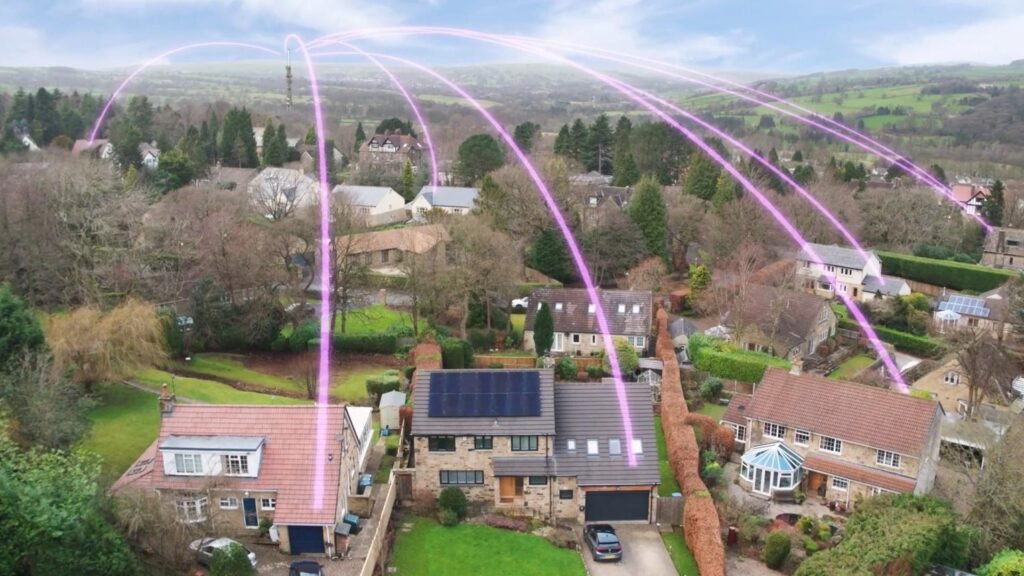
Many UK homes now contain AI-powered technology without people realising it.
Examples include:
- Smart thermostats
- Voice assistants
- AI CCTV systems
- Smart TVs
- Robot vacuum cleaners
- AI washing machine optimisation
- Smart EV charging systems
Each individual device may appear low power, but collectively they create:
- Continuous cloud processing
- Permanent internet communication
- 24-hour standby electricity usage
A modern smart home can easily contain:
- 25 to 50 connected devices
- Multiple AI-driven background systems
- Always-on listening or monitoring hardware
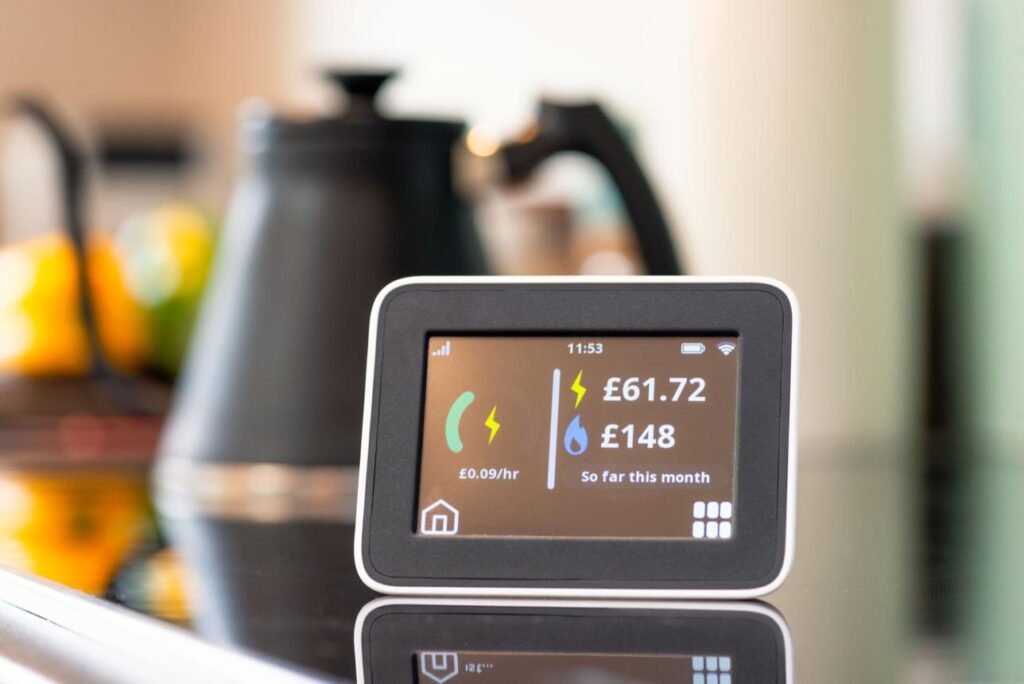
The standby electricity use alone can become surprisingly expensive over a year.
Find out much more about your household energy bills with many questions answered at Powerguardian UK
How Much Could AI Add to a UK Electricity Bill?
Realistic Household Cost Estimates
For most ordinary UK households, casual AI use probably adds:
- £10 to £40 per year indirectly
For heavier users:
- AI image creators
- Content creators
- Local AI model users
- AI-assisted gaming
- Home businesses using AI constantly
The figure can rise substantially.
A heavy AI workstation setup may add:
- £15 to £60 per month
Especially when combined with:
- High-end GPUs
- Multiple monitors
- NAS storage systems
- Constant rendering workloads

UK Data Centres Are Facing Serious Pressure
AI Is Becoming a National Grid Issue
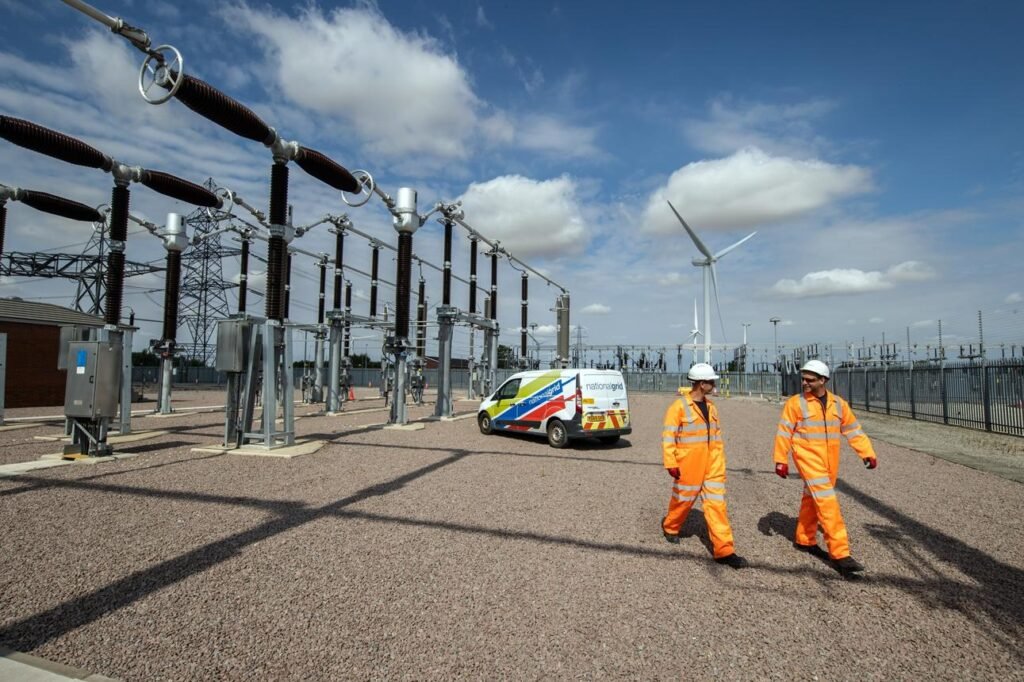
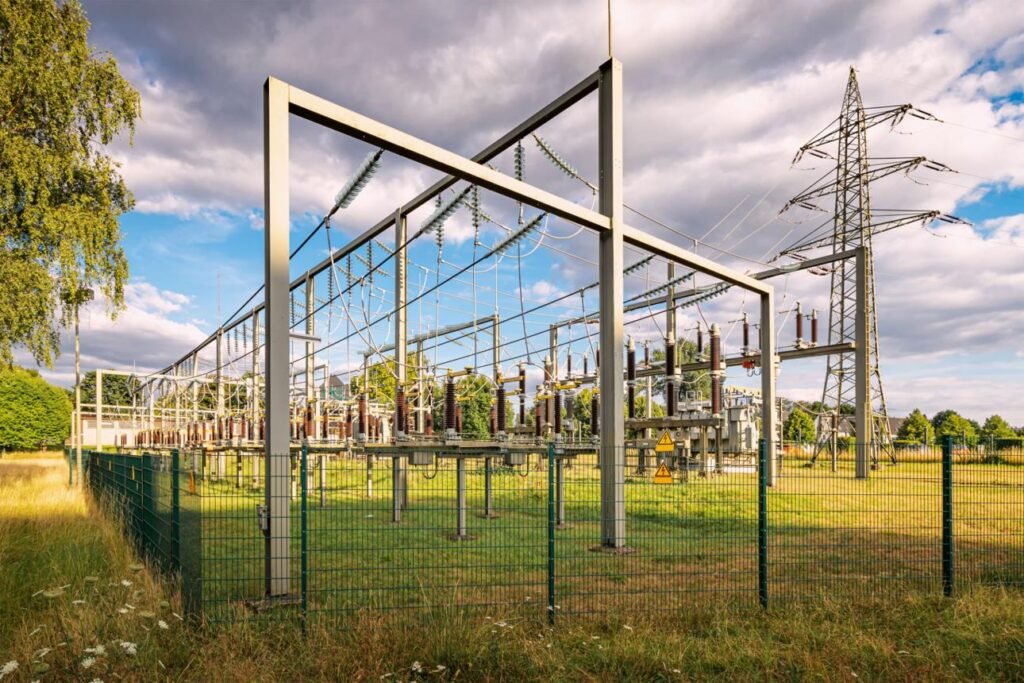
The bigger concern is not individual homes. It is cumulative national demand.
AI growth is now contributing to:
- Data centre expansion
- Increased cooling requirements
- Pressure on UK electricity infrastructure
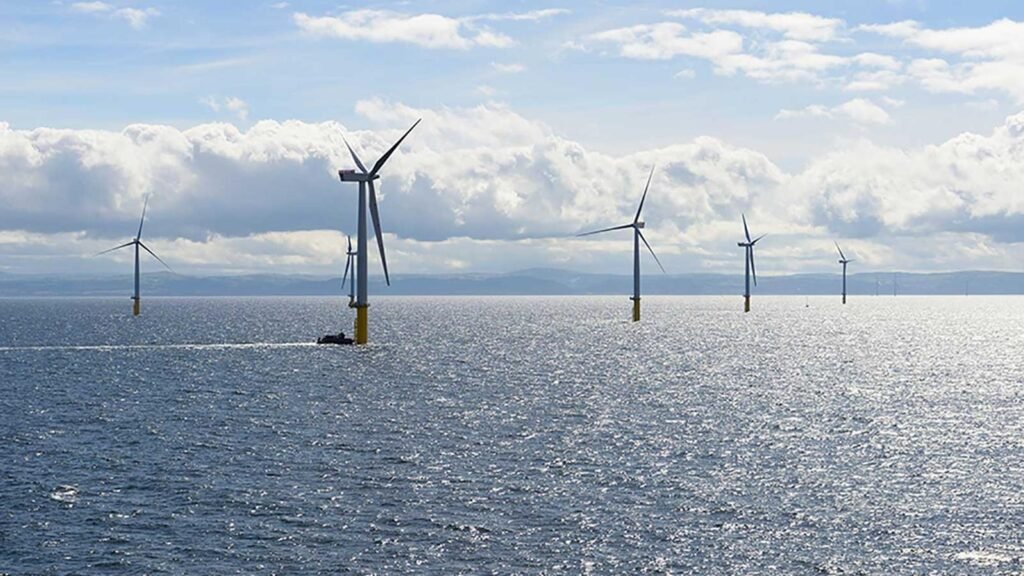
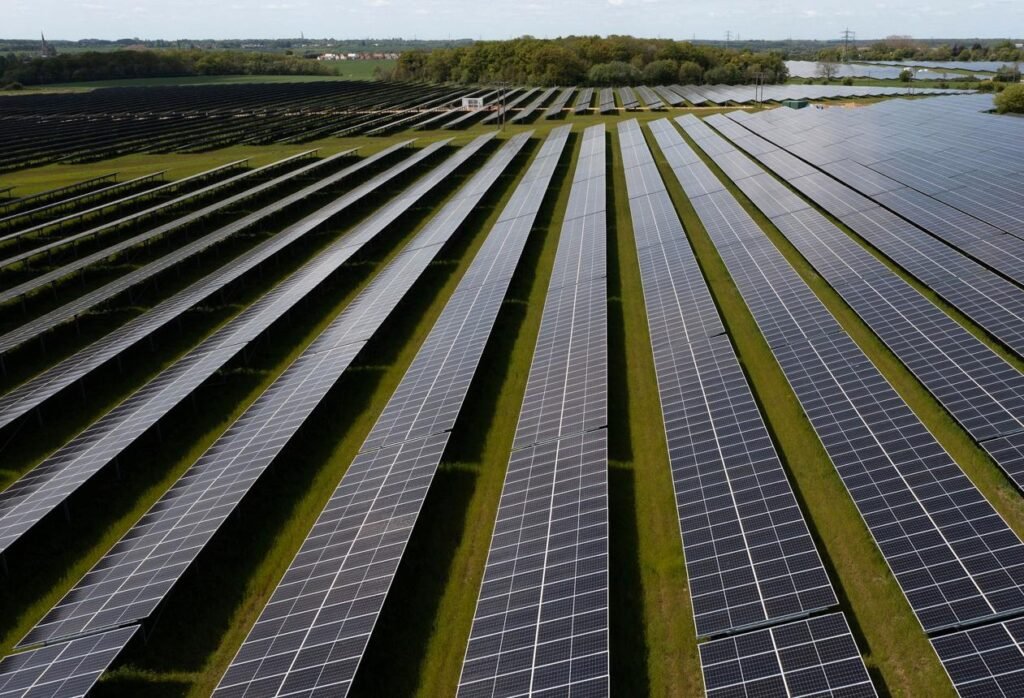
- Rising demand for renewable generation
- Concerns over water usage
According to reporting from organisations including the National Grid and the International Energy Agency, AI-driven computing demand is expected to rise sharply throughout the late 2020s.
Large AI data centres can consume:
- As much electricity as small towns
- Millions of litres of cooling water
- Gigawatts of continuous power
This is partly why governments worldwide are suddenly obsessed with:
- Nuclear energy
- Grid upgrades
- Renewable expansion
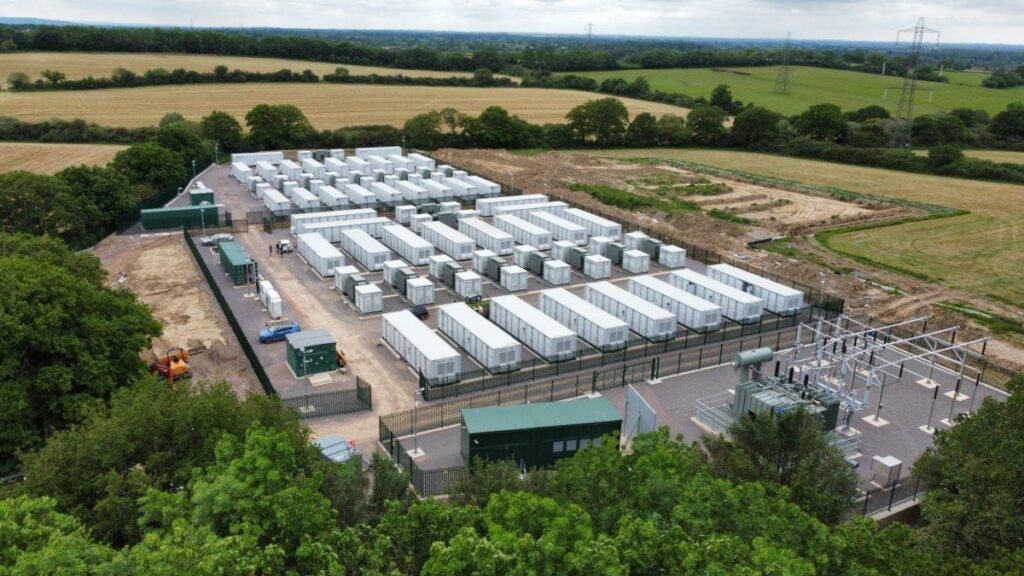
- Battery storage
The public discussion often frames AI as “virtual”, but the infrastructure is extremely physical:
- Warehouses
- Cooling towers
- Transformers
- Diesel backup generators
- Industrial-scale fibre networks
The cloud is really just someone else’s very expensive electricity bill.
AI and EV Charging Are Starting to Collide
Britain’s Electricity Demand Is Changing Rapidly
The UK is simultaneously increasing:
- EV adoption
- Heat pump usage
- Electrification of heating
- AI processing demand
- Data centre expansion
These trends are converging.
Energy analysts increasingly warn that:
- Peak demand management will become harder
- Electricity pricing volatility may increase
- Grid balancing costs could rise
Some experts believe AI infrastructure may eventually influence:
- Standing charges
- Time-of-use tariffs
- Regional electricity pricing
This remains an emerging issue, but it is now being discussed seriously within the UK energy sector.
If you want to learn more about EV charging prices, problems and solutions find them here PowerGuardian UK

- 15.6-inch Full HD portable anti-glare IPS display with an ultraslim and thin design helps you get things done more effic…
- USB Type-C connector (DP Alt mode) for user convenience and compatibility with compatible devices
- ASUS Eye Care monitors feature TÜV Rheinland-certified Flicker-free and Low Blue Light technologies to ensure a comforta…
Can UK Households Reduce AI Electricity Usage?
Practical Ways to Lower AI Energy Consumption
Most households can reduce the impact by:
- Using cloud AI only when genuinely useful
- Avoiding unnecessary AI image generation
- Turning off always-on smart devices
- Monitoring standby consumption
- Using efficient laptops instead of gaming desktops
- Scheduling large AI tasks during off-peak tariffs
- Checking router and smart device energy usage
Small changes matter because many homes now contain dozens of permanently connected devices.
Find out much more about your household energy bills with many questions answered at Powerguardian UK
The Environmental Impact Beyond Electricity

- Full HD streaming: Logitech C922 provides two streaming qualities to choose from. Whether you’re after full HD 1080p at …
- Multiple mounting options including tripod: This HD streaming webcam comes equipped with a versatile tripod. Mount the U…
- Auto-lighting corrections: Alongside full HD streaming over wifi, this gaming webcam is equipped with autofocus and inst…
AI Also Has Carbon and Water Costs
Electricity is only part of the story.
AI infrastructure also involves:
- Water cooling systems
- Rare earth mineral demand
- Semiconductor manufacturing
- Electronic waste
- Backup diesel systems
Modern GPUs used for AI require highly energy-intensive manufacturing processes.
As AI adoption rises, environmental groups increasingly question:
- Whether AI growth is sustainable
- How green AI marketing really is
- Whether efficiency gains are keeping pace with demand
Some newer AI models are becoming more energy efficient, but global usage is growing so quickly that total electricity demand still rises.
Classic human behaviour really. Invent something incredibly powerful, scale it globally in five minutes, then stare anxiously at the electricity meter wondering what happened.
The Real-World UK Outlook
AI Electricity Usage Is Still in Its Early Stages
Most UK households are only seeing the beginning of AI-related electricity growth.
Over the next five years, expect:
- More AI inside household appliances
- Higher cloud computing demand
- More AI-powered search engines
- Increased smart home automation
- AI energy optimisation systems
- More hidden electricity consumption
Ironically, AI may also help reduce some energy waste through:
- Smarter heating optimisation
- Better grid balancing
- Improved energy forecasting
- Smarter appliance control
But the overall electricity footprint of AI is unquestionably rising.
The average UK household may not notice AI electricity costs directly today, but nationally the impact is becoming impossible for the energy sector to ignore.
English References and Sources
- International Energy Agency (IEA)
- National Grid UK
- Ofgem
- UK Government Department for Energy Security and Net Zero
- The Alan Turing Institute
- Imperial College London Energy Futures Lab
AI Playbooks
We have created Professional High Quality Downloadable PDF’s at great prices specifically for Personal or Business use in the UK. Which include help and advice on understanding what Artificial Intelligence is all about and how it can improve your business. Find them here.