Artificial intelligence is supposed to save businesses money, improve productivity and automate repetitive work. That is the sales pitch anyway. Then the electricity bill arrives looking like it has personally taken offence at your existence.
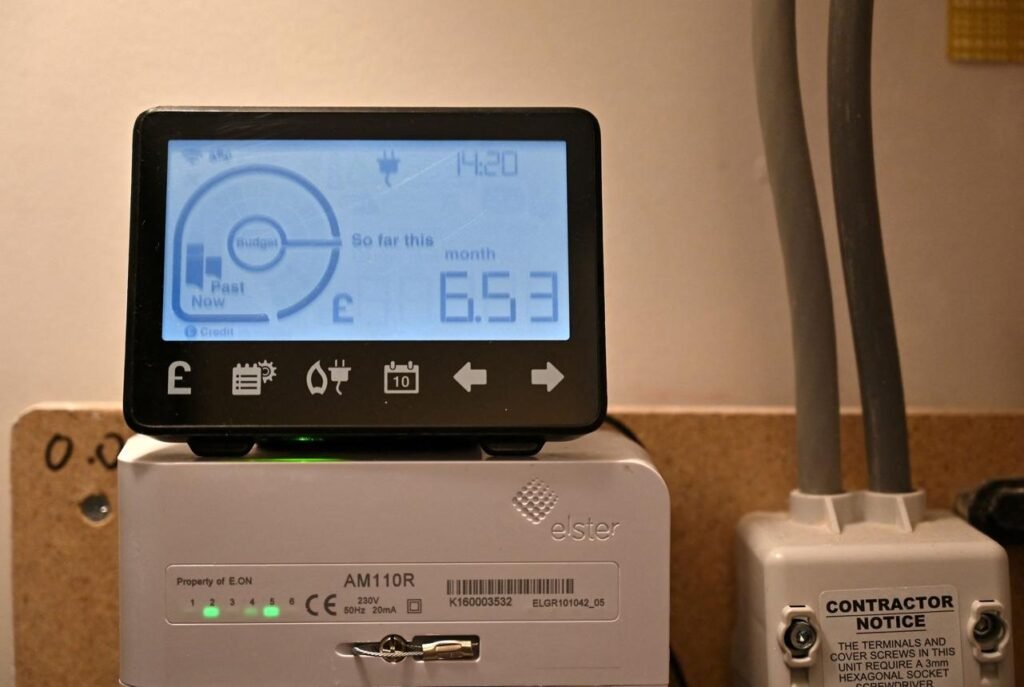
For many UK businesses, the real question is no longer whether AI is useful. It is whether the infrastructure behind AI, particularly electricity consumption, is becoming too expensive to ignore.
The reality is complicated. Some businesses can absolutely afford AI electricity costs because the productivity gains outweigh the energy use. Others are quietly discovering that AI tools, cloud computing, GPUs, data storage and cooling requirements create ongoing costs that were never properly explained during the “AI will revolutionise your business” phase. People do enjoy buying technology first and calculating the consequences later.
Why AI Uses So Much Electricity
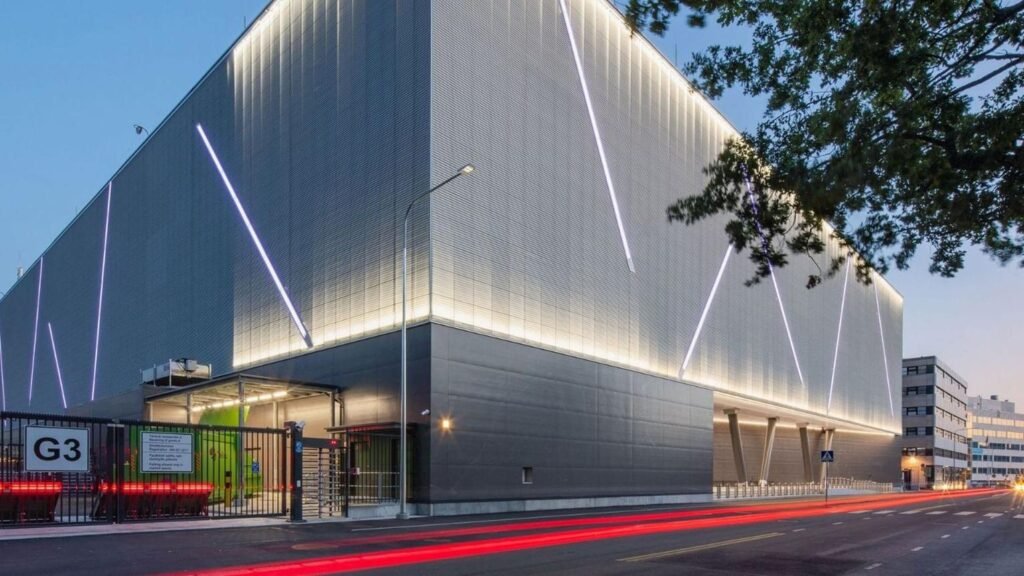
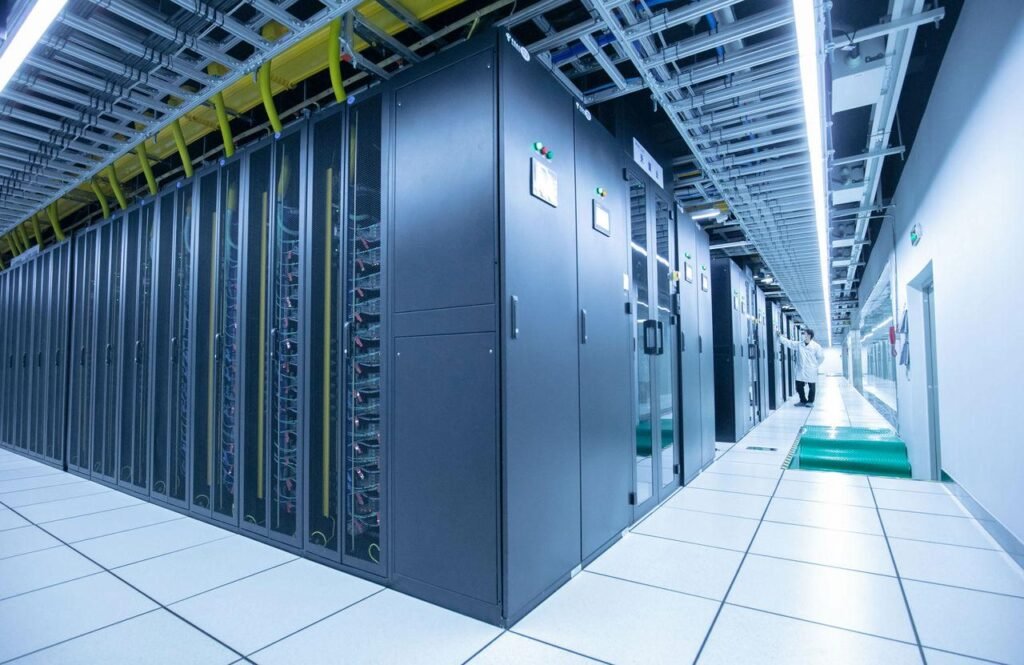
AI systems require enormous computing power. Large AI models rely on specialised processors running continuously inside data centres that consume significant amounts of electricity.
Recent analysis suggests UK and US data centres are now consuming around 6% of national electricity supplies, largely driven by AI growth.
AI electricity usage comes from several areas:
Training AI Models
Training advanced AI systems requires massive computing clusters running for days or weeks.
The most advanced AI models are usually trained by major technology firms such as OpenAI, Microsoft and Googlerather than individual SMEs. However, UK businesses still indirectly pay for this through subscriptions, API costs and cloud services.

- 【OBSBOT × EWC 2025 Official Partnership】OBSBOT is thrilled to be the 2025 Esports World Cup (EWC) Official Camera & Webc…
- 【OBSBOT Tiny 2 – New Era of Webcam】Our 4K Webcam is equipped with 1/1.5″ CMOS Sensor, which is the largest and most adva…
- 【Superior AI-Tracking, Up 4 Tracking Modes】Our Tracking Webcam has fully upgraded the AI algorithm to make the auto-trac…
Running AI Queries
Even basic AI chatbots use electricity every time somebody enters a prompt.
One person generating a few emails each day is not a major problem. Thousands of employees constantly generating reports, images, marketing content and analytics becomes something very different.
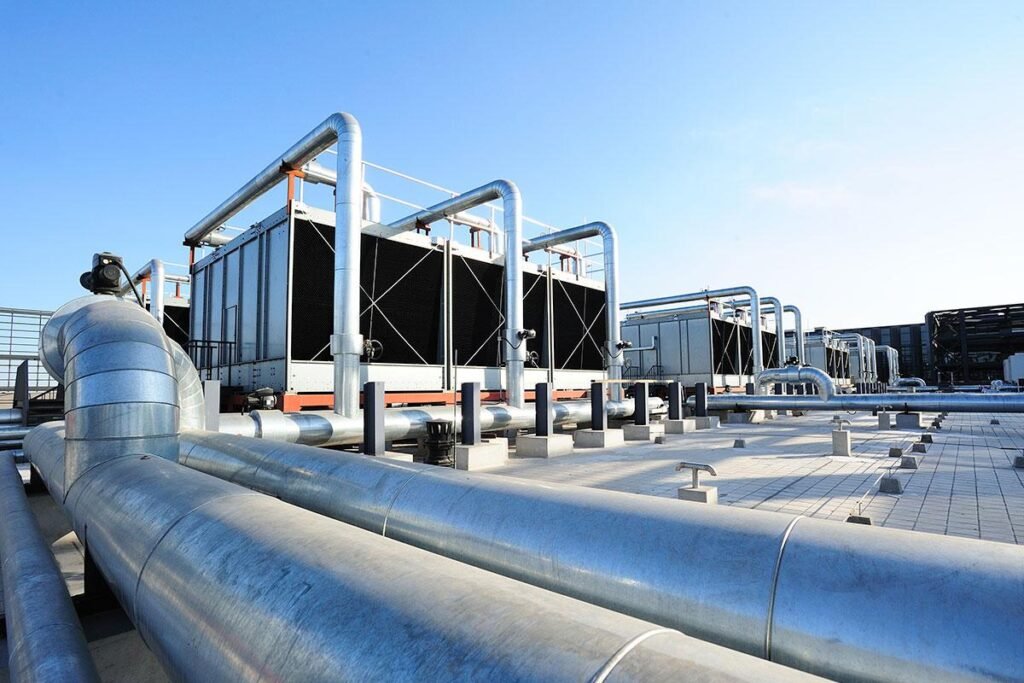
Data Centre Cooling
AI hardware generates huge amounts of heat.
UK government evidence notes that cooling can account for up to 40% of total data centre energy consumption.
That means businesses are not simply paying for AI processing itself. They are also paying for the infrastructure required to stop the hardware from melting into expensive silicon soup.
The UK Energy Problem
Electricity in the UK is already expensive compared to many competing economies.
That matters because AI is effectively an electricity-consuming business tool.
UK Businesses Already Face High Energy Costs
Manufacturing firms, hospitality companies, retailers and small offices have spent years dealing with volatile electricity pricing.
Adding AI workloads increases operational pressure further.

Some technology companies are already warning that power costs are becoming a barrier to AI infrastructure growth in Britain.
Grid Capacity Is Becoming a Serious Issue
The National Energy System Operator and government reports increasingly discuss the strain AI data centres may place on the electricity grid.
Forecasts suggest UK data centre electricity demand could grow dramatically by 2030. One Oxford Economics estimate suggests data centres may represent 8.8% of UK electricity demand by the end of the decade.
That has consequences:
- Higher commercial electricity prices
- Delays connecting new facilities to the grid
- Pressure on renewable generation capacity
- Increased infrastructure investment costs
- Greater competition for available power
None of this disappears simply because somebody adds “AI-powered” to a PowerPoint presentation.
Can Small Businesses Afford AI Electricity Costs?
For many SMEs, the answer is “probably yes, but only carefully”.
Most smaller businesses are not running private AI servers. They use cloud-based services like ChatGPT, Copilot, Gemini or automated SaaS platforms.
That means the electricity cost is usually hidden inside monthly subscription fees.
The Hidden Electricity Bill
A small business might pay:
- £20 to £100 per employee each month for AI subscriptions
- Additional cloud processing charges
- API usage costs
- Increased workstation energy usage
- Extra storage and backup costs
The electricity cost exists whether the business sees it directly or not.
Checkout powerguardian.co.uk to save on your personal energy bills and much more https://powerguardian.co.uk
Where SMEs Risk Overspending
The real danger is inefficient AI adoption.
Some firms are:
- Paying for multiple overlapping AI platforms
- Generating unnecessary AI content
- Running AI tools without clear ROI
- Automating tasks that barely save time
- Using energy-intensive AI image/video generation constantly
This creates what many businesses quietly experience as “AI subscription creep”.
The electricity cost problem becomes worse when businesses use AI heavily but achieve very little operational improvement.
Larger Businesses Face Bigger Energy Challenges
Enterprise organisations face a completely different scale of problem.
Banks, insurers, retailers, logistics companies and manufacturers increasingly want private AI systems, internal copilots and custom AI analytics.
That requires substantial infrastructure.
See our AI Data Centre Electricity Calculator – Estimate the annual electricity consumption, energy costs and carbon impact of an AI data centre based on server count, utilisation and operating assumptions. An educational planning tool for businesses, researchers, journalists and policy analysts.

GPU Infrastructure Is Expensive
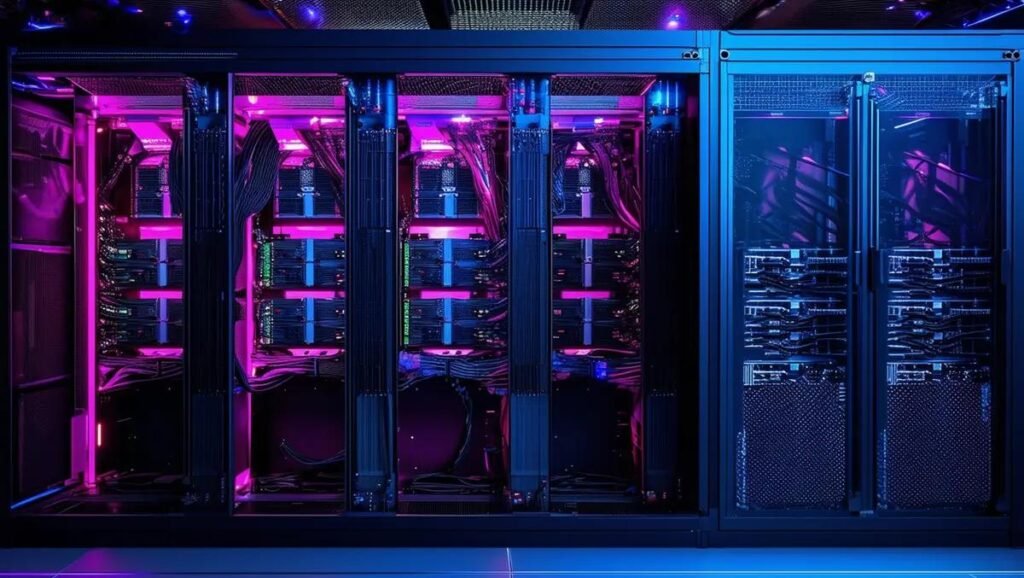
AI workloads rely heavily on GPUs rather than traditional processors.
GPU clusters consume enormous power continuously.
This creates several business problems:
- Higher electricity bills
- Greater cooling costs
- Expensive backup power systems
- Larger carbon reporting obligations
- Pressure from ESG requirements
Businesses running internal AI systems may eventually discover the energy costs are comparable to adding another operational department.
Real World Example: AI Customer Service Systems
Consider a medium-sized UK retailer deploying AI customer support.
The company may save money on staffing pressures, but costs can emerge elsewhere:
Potential Savings
- Faster response times
- Reduced call centre workloads
- 24-hour support coverage
- Improved customer handling capacity
Hidden Costs
- AI platform subscriptions
- API processing fees
- Cloud hosting charges
- Increased electricity use
- Data storage expansion
- Cyber-security requirements
- Ongoing AI monitoring staff
The project may still succeed financially, but only if the productivity gains exceed the combined infrastructure costs.
That calculation is where many businesses become uncomfortable.

AI Could Also Help Reduce Energy Costs
The situation is not entirely negative. AI can also improve energy efficiency.
The UK government and energy sector are already exploring AI-driven grid optimisation and forecasting.
Businesses Using AI to Save Electricity
Some UK firms already use AI for:
- Smart heating control
- Building energy optimisation
- Predictive maintenance
- Fleet route efficiency
- Manufacturing efficiency
- Electricity demand forecasting
In these cases, AI can reduce operational energy waste enough to offset its own electricity consumption.
That is the more sensible version of AI adoption. Less “replace all humans immediately” and more “stop wasting energy because Dave forgot to turn systems off again”.
The Environmental Pressure Is Growing
AI electricity use is also becoming a reputational issue.
Businesses face growing pressure around:
- Carbon emissions
- ESG reporting
- Sustainability commitments
- Net-zero targets
- Supply chain emissions

Research suggests AI-focused data centre demand is rising far faster than general electricity demand.
That creates tension between digital growth and environmental policy.
Some companies may eventually face investor or public scrutiny if their AI operations significantly increase emissions.
Which UK Businesses Are Most Vulnerable?
Several sectors are especially exposed to AI electricity costs:
Manufacturing
Already heavily affected by UK energy pricing.
Data-Heavy Businesses
Media, finance, analytics and AI software companies may experience rapidly rising compute costs.
Small Agencies
Marketing agencies using AI image and video generation at scale can accumulate surprisingly high processing costs.
Retailers
AI-powered recommendation systems and customer analytics require ongoing cloud infrastructure spending.
Start-Ups
Many AI start-ups underestimate infrastructure costs entirely during growth phases.
Can Businesses Reduce AI Electricity Costs?
Yes, but it requires discipline.
Use Smaller AI Models Where Possible
Not every task requires the largest AI model available.
Smaller models often consume far less energy and cost significantly less.

- Full HD streaming: Logitech C922 provides two streaming qualities to choose from. Whether you’re after full HD 1080p at …
- Multiple mounting options including tripod: This HD streaming webcam comes equipped with a versatile tripod. Mount the U…
- Auto-lighting corrections: Alongside full HD streaming over wifi, this gaming webcam is equipped with autofocus and inst…
Reduce Wasteful AI Usage
Many businesses generate unnecessary AI outputs simply because the technology exists.
That behaviour scales electricity consumption quickly.
Monitor AI ROI Properly
Track:
- Productivity gains
- Energy usage
- Subscription costs
- API costs
- Staff time savings
Without measurement, AI becomes another uncontrolled business expense.
Use Renewable Energy Contracts
Some larger organisations offset electricity pressures through renewable procurement agreements.
Optimise Infrastructure
Efficient cooling, modern servers and workload scheduling matter enormously for larger AI deployments.
The Future Outlook for UK Businesses
AI electricity costs are unlikely to disappear.
In fact, most forecasts suggest demand will increase sharply over the next decade.
The key issue is whether productivity gains grow faster than electricity costs.
Some businesses will benefit enormously from AI.
Others will end up paying thousands annually for tools employees barely use beyond generating motivational LinkedIn posts about “leveraging innovation”. Civilisation truly has peaked.
Final Thoughts
UK businesses can afford AI electricity costs if AI genuinely improves efficiency, revenue or competitiveness.
The businesses most at risk are not necessarily the ones spending the most on AI. They are the ones adopting AI without clear operational goals.
AI is not free productivity.
It is infrastructure.
Infrastructure requires electricity, cooling, networks, hardware, maintenance and ongoing spending. The more AI becomes embedded into business operations, the more energy economics will matter.
For UK companies already facing high electricity prices, that reality is becoming impossible to ignore.
AI Playbooks
We have created Professional High Quality Downloadable PDF’s at great prices specifically for Personal or Business use in the UK. Which include help and advice on understanding what Artificial Intelligence is all about and how it can improve your business. Find them here.