The Real Story Behind the Technology Boom
Artificial intelligence is often presented as clean, futuristic and efficient. A glowing digital assistant floating harmlessly in the cloud. People do enjoy pretending massive industrial infrastructure is somehow “virtual”. Unfortunately for the planet, AI runs on electricity, hardware manufacturing, water cooling systems and enormous data centres that consume serious amounts of energy.
Across the UK, AI adoption is accelerating rapidly. Businesses are deploying AI tools, universities are expanding AI research, and government departments are investing heavily in digital infrastructure. Behind that growth sits a growing environmental cost that is becoming harder to ignore.
The UK now faces a difficult balancing act. AI may improve productivity, optimise energy systems and help scientific research, but it also increases electricity demand, carbon emissions, electronic waste and pressure on the National Grid.
Why AI Uses So Much Energy
AI systems require huge computing power to train and operate. Unlike traditional software, advanced AI models process enormous quantities of data continuously.
AI Training Requires Vast Computing Resources
Training a modern large language model can involve thousands of specialist processors running 24 hours a day for weeks or months.
These AI systems rely heavily on GPUs and specialised AI accelerators, which consume substantially more electricity than standard office computing.
According to research from the International Energy Agency, global electricity demand from data centres, AI and cryptocurrency could more than double by 2026.
The UK is already seeing growing demand from AI-driven infrastructure projects, particularly around London and the South East.

- Custom three-capsule array: This professional microphone produces clear, powerful, broadcast-quality sound for YouTube v…
- Blue VO!CE software: Elevate your streamings and recordings with clear broadcast vocal sound and entertain your audience…
- Four pickup patterns: Flexible cardioid, omni, bidirectional, and stereo pickup patterns allow you to record in ways tha…
AI Queries Also Consume Energy
Many people assume only AI development uses large amounts of power. In reality, every AI interaction requires processing inside remote data centres.
Simple tasks such as:
- Generating AI images
- Running chatbots
- AI video creation
- Large-scale document analysis
- Voice cloning
- AI search tools
all require substantial computing infrastructure.
An AI-generated image typically uses far more energy than a standard web search. Video AI generation is even more intensive because systems process millions of calculations frame by frame.
The UK’s Growing Data Centre Problem
The UK data centre sector is expanding rapidly due to AI demand.
Data Centres Are Becoming Major Electricity Consumers
Modern AI data centres operate continuously and require:
- High-density computing equipment
- Industrial cooling systems
- Backup power systems
- Network infrastructure
- Water cooling technologies

The problem is not just total energy usage. It is concentration.
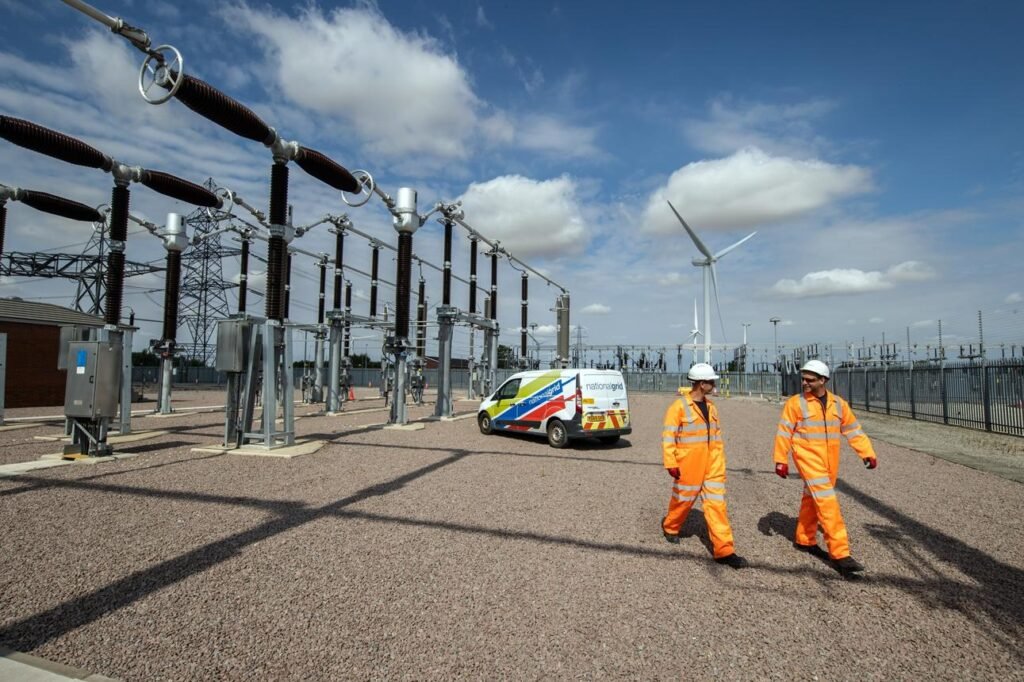
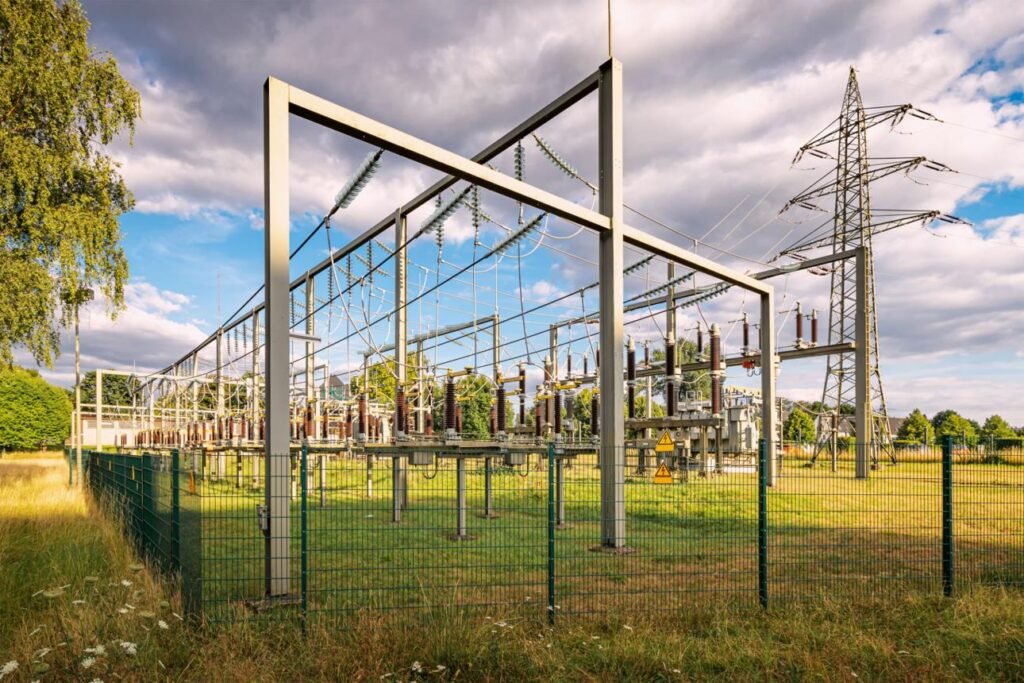
Many AI facilities are clustered in regions already facing electricity network strain. National Grid operators are increasingly concerned about capacity limitations as new AI projects emerge.
In some areas, new grid connections for large data centres can take years due to infrastructure bottlenecks.
AI Could Increase UK Electricity Demand Significantly
The UK government supports AI growth as part of economic and technological strategy. However, experts increasingly warn that AI infrastructure may dramatically increase electricity demand over the next decade.
The issue becomes more serious when combined with:
- Electric vehicles
- Heat pumps
- Industrial electrification
- Growing cloud computing usage
All of these systems compete for electricity capacity simultaneously.
AI and Carbon Emissions in Britain
AI is often marketed as environmentally friendly because it can improve efficiency. That is partially true, but the full picture is far more complicated.
AI Can Increase Carbon Emissions
If AI systems are powered by electricity generated from fossil fuels, emissions rise directly.
Even though the UK has increased renewable energy generation, gas-fired power stations still play a major role in balancing electricity demand.
During peak usage periods, additional AI electricity demand may indirectly increase reliance on gas generation.

AI also creates indirect environmental impacts through:
- Semiconductor manufacturing
- International hardware shipping
- Construction materials
- Battery backup systems
- Frequent hardware replacement cycles
Hardware Manufacturing Has a Heavy Environmental Cost
AI hardware production relies on mining rare earth materials and advanced semiconductor fabrication.
Manufacturing GPUs and AI chips involves:
- Large water consumption
- Chemical-intensive production
- High carbon manufacturing processes
- International supply chains
Many AI chips are manufactured overseas before being transported globally.
This means the environmental impact of AI begins long before a chatbot answers a question about someone’s cat or produces another unnecessary motivational LinkedIn post. People truly found a way to industrialise autocomplete.
Water Usage and Cooling Concerns
One environmental issue often overlooked is water consumption.
AI Infrastructure Requires Large Cooling Systems
AI servers generate enormous amounts of heat. Cooling them safely requires sophisticated systems.
Some facilities use:
- Chilled air systems
- Water cooling loops
- Evaporative cooling
- Liquid immersion cooling
Large AI data centres can consume millions of litres of water annually depending on design and climate conditions.

Although the UK climate is cooler than many countries, cooling remains a major operational challenge.
As AI expands, water usage may become a bigger environmental issue, especially during hotter summers linked to climate change.
Electronic Waste and Short Hardware Lifecycles
AI infrastructure evolves extremely quickly.
AI Hardware Becomes Obsolete Fast
Companies frequently replace servers and GPUs to remain competitive.
This creates growing amounts of electronic waste including:
- Circuit boards
- Cooling systems
- Batteries
- Processors
- Networking equipment
Electronic waste recycling is improving, but much still ends up exported overseas or processed inefficiently.
The rapid pace of AI development encourages short replacement cycles. Businesses often upgrade equipment long before physical failure simply to keep pace with newer AI models.
Can AI Actually Help the Environment?
Despite the environmental concerns, AI is not entirely negative.
AI Can Improve Energy Efficiency
AI systems are increasingly used for:
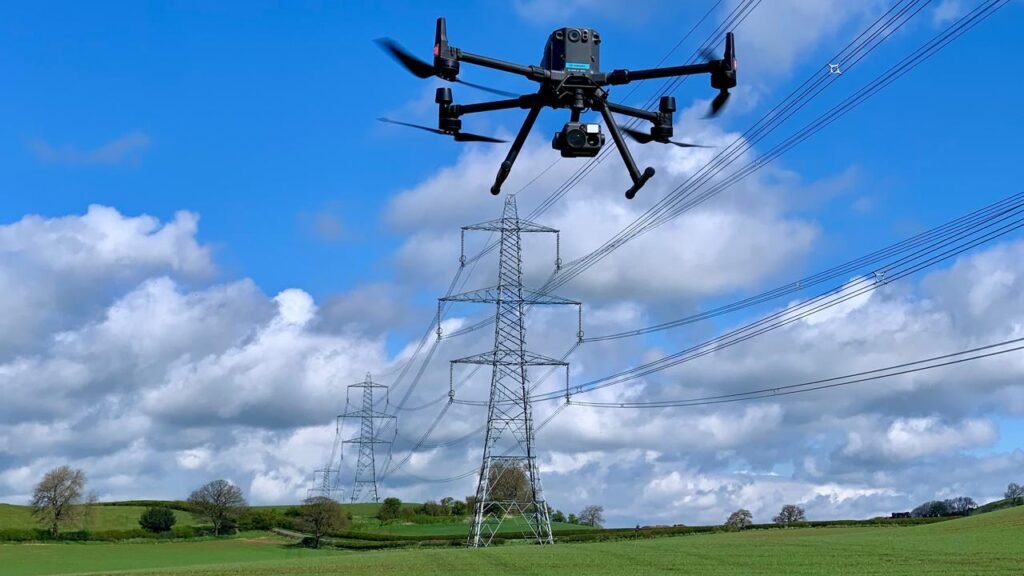
- Smart electricity grid management
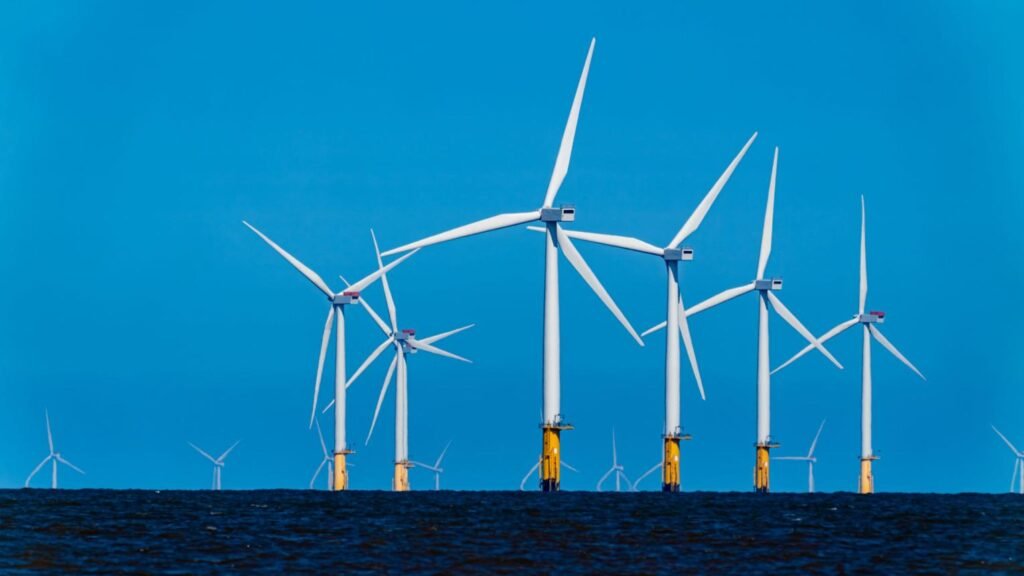
- Wind farm optimisation
- Traffic reduction
- Predictive maintenance
- Energy forecasting
- Building efficiency controls

For example, AI can help National Grid operators balance renewable electricity supply more effectively by forecasting demand patterns and renewable generation.
Some UK businesses are also using AI to reduce waste in logistics and manufacturing.
AI Could Improve Climate Research
AI tools are helping researchers analyse:
- Climate patterns
- Flood risks
- Coastal erosion
- Agricultural planning
- Energy storage systems
In these areas, AI may genuinely provide environmental benefits if deployed responsibly.
The key issue is scale.
If AI demand grows faster than efficiency improvements, total environmental impact still rises overall.

- 15.6-inch Full HD portable anti-glare IPS display with an ultraslim and thin design helps you get things done more effic…
- USB Type-C connector (DP Alt mode) for user convenience and compatibility with compatible devices
- ASUS Eye Care monitors feature TÜV Rheinland-certified Flicker-free and Low Blue Light technologies to ensure a comforta…
The Problem With “Green AI” Marketing
Many technology companies market AI as sustainable.
Carbon Neutral Claims Can Be Misleading
Some firms offset emissions using carbon credits while continuing to expand energy-intensive infrastructure.
Critics argue this can create a misleading impression of environmental responsibility.
A data centre powered partly by renewable energy may still rely indirectly on fossil-fuel-backed electricity during periods of high demand.
Consumers are also rarely shown:
- Full supply-chain emissions
- Hardware manufacturing impacts
- Water consumption figures
- E-waste generation
- Long-term infrastructure costs
The result is that many people underestimate AI’s true environmental footprint.
What Could Happen Next in the UK?
The UK government wants Britain to become a global AI leader. That ambition will likely increase pressure on infrastructure and energy systems.
Potential Future Challenges
Possible future issues include:
- Rising electricity demand
- Local grid congestion
- Increased energy prices
- More industrial cooling requirements
- Pressure for new power generation
- Environmental protests against large data centres
Some analysts believe AI infrastructure could eventually become comparable to other major industrial energy users.
How the UK Could Reduce AI Environmental Damage
Several approaches may help reduce the environmental impact.
Renewable Energy Expansion
More renewable generation would reduce AI-related emissions.
Key technologies include:
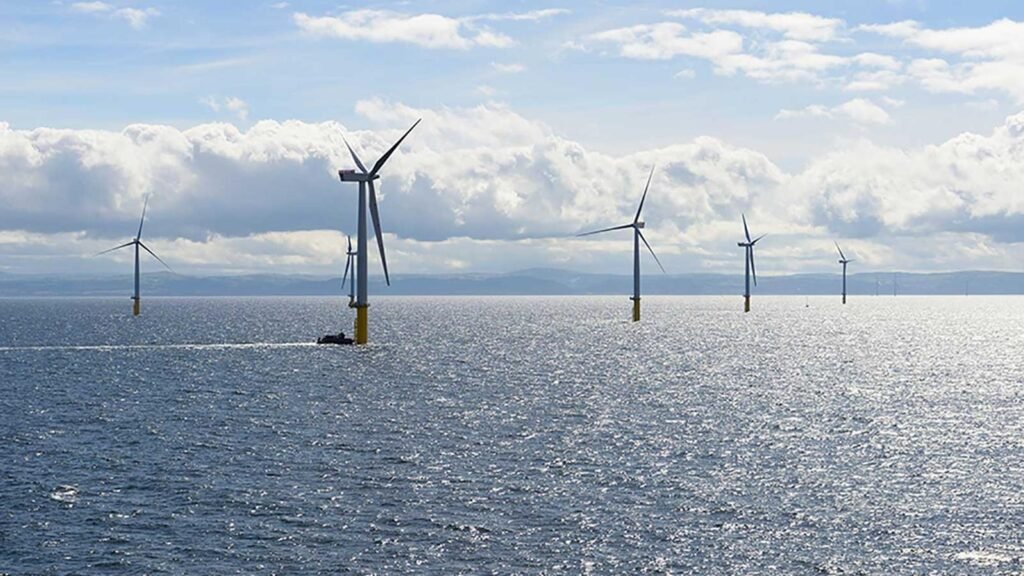
- Offshore wind
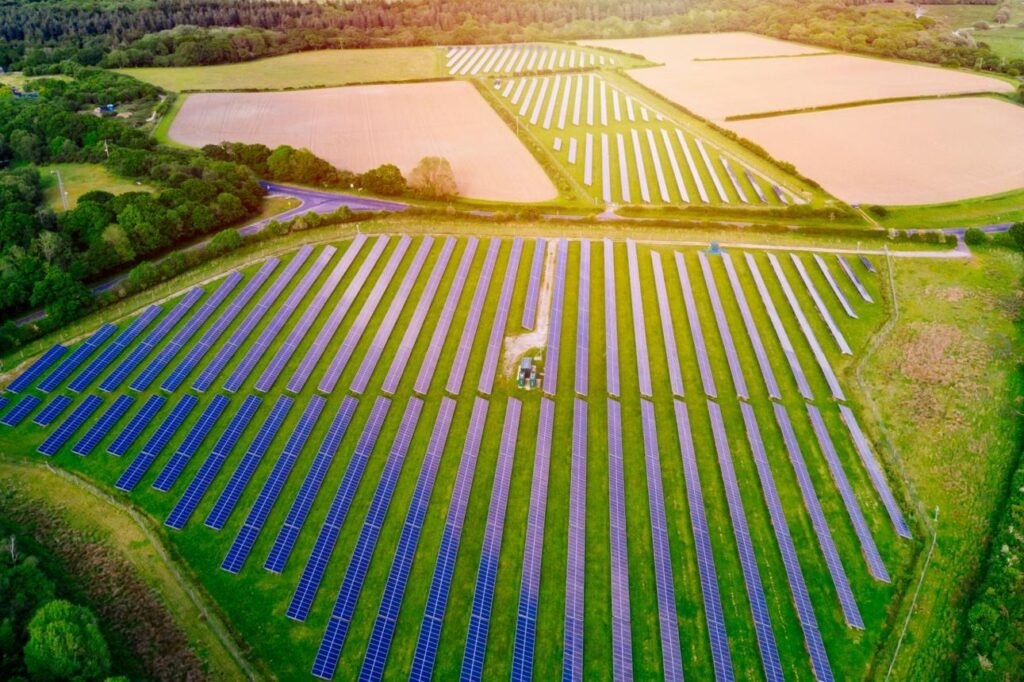
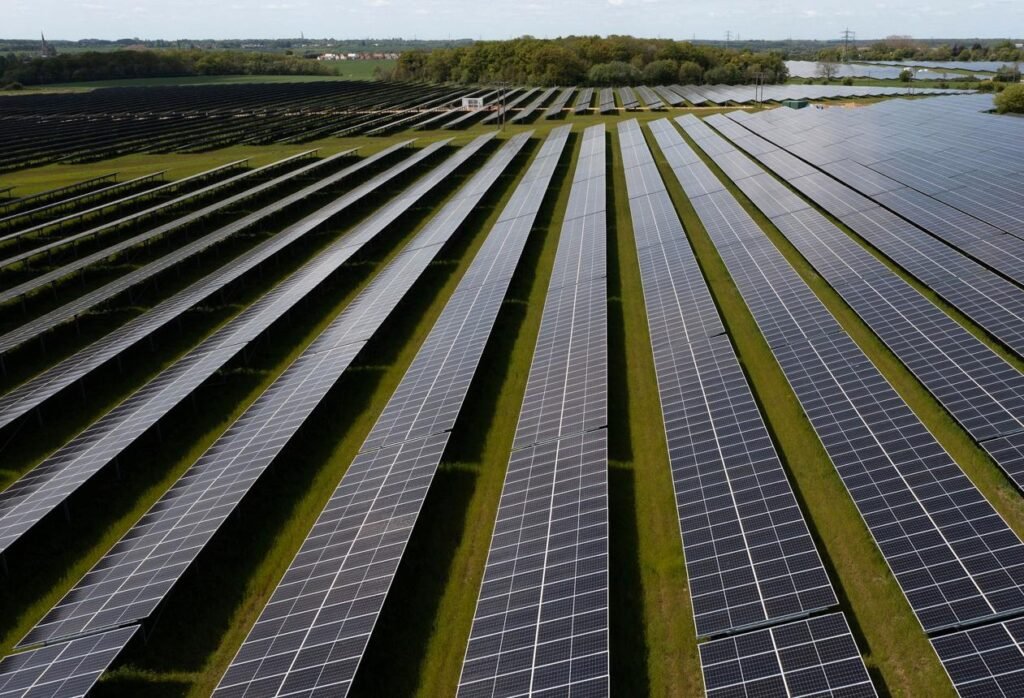
- Solar power
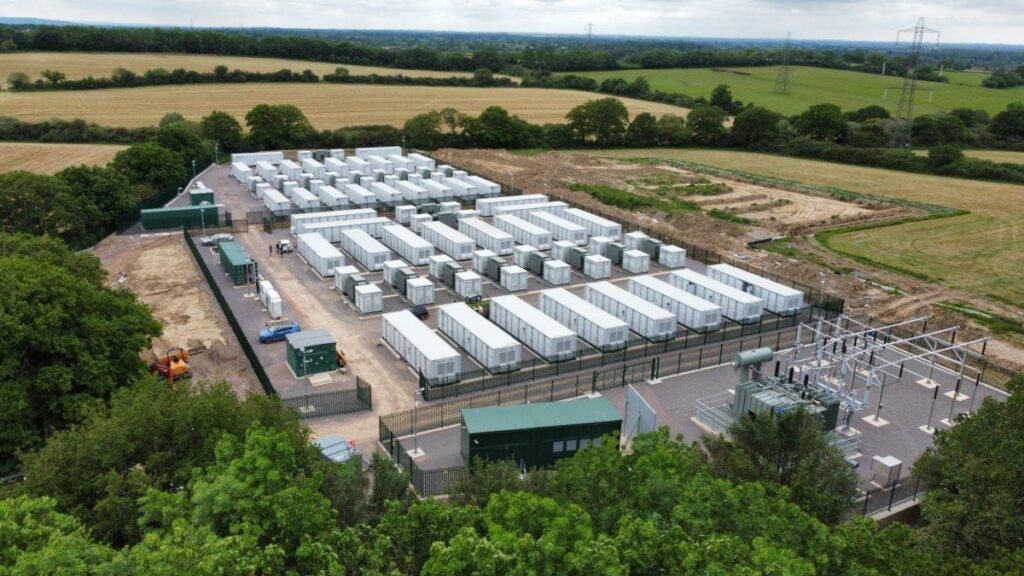
- Battery storage
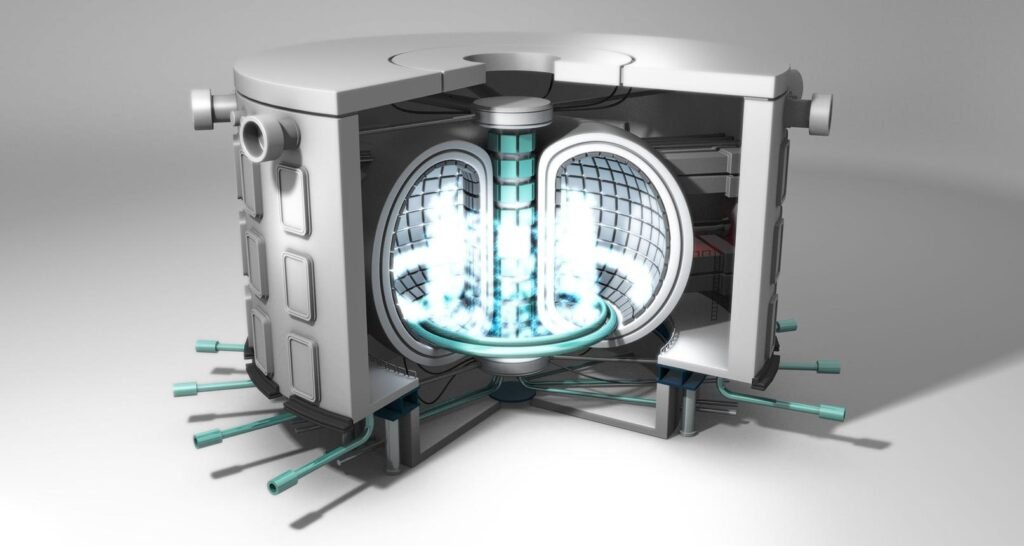
- Nuclear power
- Smart grid systems
Smarter Data Centre Design
Newer facilities increasingly use:
- Heat recycling systems
- Advanced cooling methods
- More efficient processors
- Renewable electricity contracts
Better AI Efficiency
Researchers are working on smaller and more efficient AI models that require less computing power.
This may become essential as AI adoption scales across businesses and households.
Final Thoughts
AI is not environmentally invisible. It is physical infrastructure on an industrial scale.
Behind every chatbot, image generator and automated business tool sits a network of power stations, servers, cooling systems and supply chains consuming real-world resources.
The UK faces a genuine challenge:
How do you support AI innovation without creating major new environmental pressures?
That question is becoming increasingly important as businesses, governments and consumers adopt AI faster than infrastructure can adapt.
AI may help solve environmental problems in some areas, but it can also worsen them if growth becomes uncontrolled.
Like most technology revolutions, the truth sits somewhere between the marketing hype and the doom headlines. A deeply irritating habit people have perfected over centuries.
English References and Further Reading
- International Energy Agency (IEA) Data Centres and AI Report
- National Grid ESO UK Energy Insights
- UK Government AI Opportunities Action Plan
- The Royal Society AI and Climate Briefing
- Ofgem Energy System Information
AI Playbooks
We have created Professional High Quality Downloadable PDF’s at great prices specifically for Personal or Business use in the UK. Which include help and advice on understanding what Artificial Intelligence is all about and how it can improve your business. Find them here.