The rapid growth of artificial intelligence, cloud computing and online services is causing UK data centres to consume enormous amounts of electricity and water. Most people never think about where their Netflix streams, AI prompts, emails or cloud backups actually happen. Somewhere behind all of it sits a warehouse-sized building full of servers generating heat like a giant industrial oven that never switches off. Modern civilisation somehow managed to turn cat videos and spreadsheets into an infrastructure problem.
The UK is now seeing growing concerns about:
- National Grid pressure
- Water consumption
- AI power demand
- Environmental impact
- Regional electricity shortages
- Sustainable infrastructure
As AI systems become more advanced, data centres are becoming one of the fastest-growing sources of electricity demand in Britain.
What Is A Data Centre?
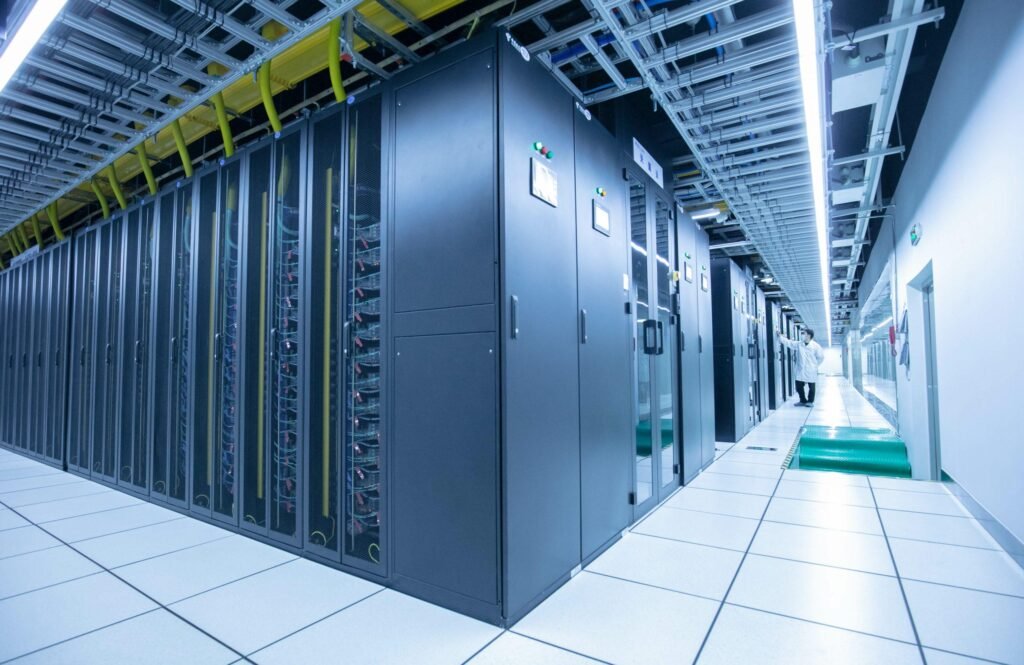
A data centre is a specialised building filled with:
- Computer servers
- Networking equipment
- Storage systems
- Cooling infrastructure
- Backup generators
- Power systems
These facilities power:
- Artificial intelligence
- Cloud services
- Online banking
- Streaming platforms
- Government systems
- Smart home technology
- Social media
- Business software
The UK has major data centre hubs in:
- London
- Slough
- Manchester
- Birmingham
- Leeds
Slough alone has become one of Europe’s largest concentrations of data centres because of strong fibre connectivity and proximity to London.
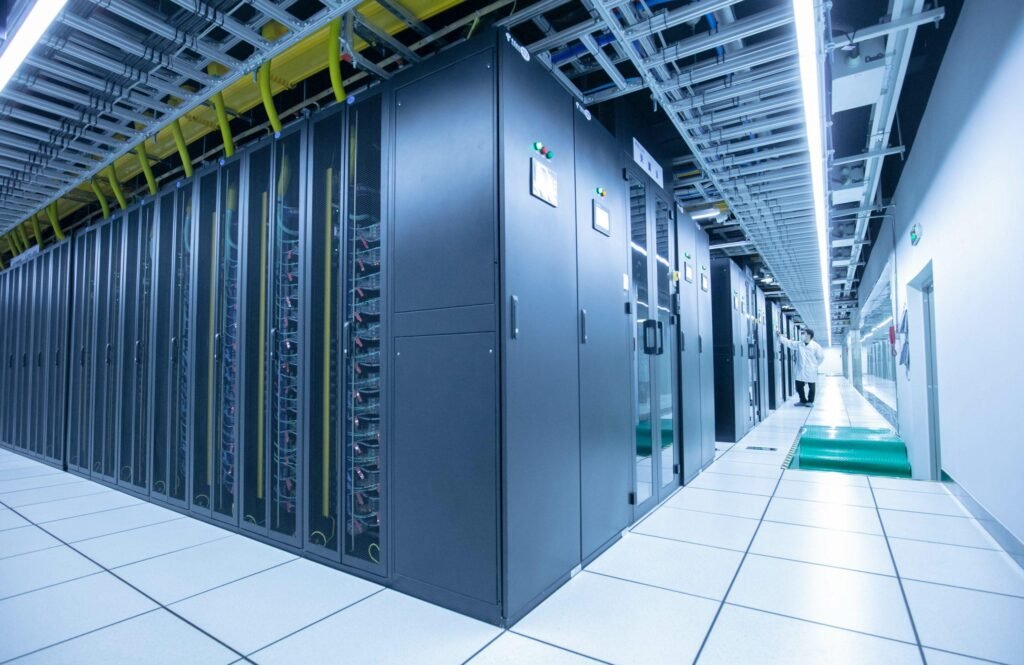
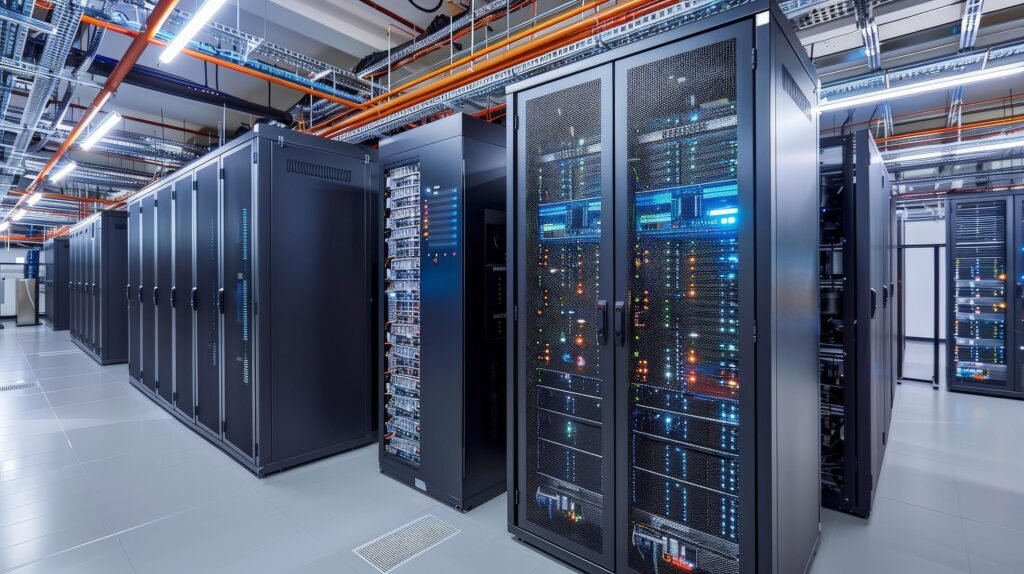
[Insert Image Placeholder Here: Interior of a modern UK data centre server hall]
Why Do Data Centres Use So Much Electricity?
Servers Never Really Stop Running
Unlike homes or offices, data centres operate continuously.
Servers remain active:
- 24 hours a day
- 7 days a week
- Every day of the year
Even during quieter periods, many systems continue running because businesses and consumers expect constant online access.
Every Google search, AI request, Teams call or cloud backup requires electricity somewhere in the chain.
Large data centres can consume as much electricity as a small town.

- SAVES ENERGY AND HEATING COSTS: With the intelligent heater thermostat X from tado°, the experts for smart heating, user…
- EASY DIY INSTALLATION, EVEN OFFLINE: The included adapter allows the thermostat to be fitted to almost every radiator va…
- CONTROL VIA APP: The thermostat has numerous features for your heating system, such as smart scheduling, temperature con…
Artificial Intelligence Has Changed Everything
Traditional websites and apps already required substantial computing power, but AI systems are dramatically increasing demand.
AI workloads require:
- High-performance GPUs
- Advanced processors
- Massive server clusters
- Constant training operations
AI systems process huge volumes of data simultaneously, which means significantly higher electricity use compared to standard web browsing or email systems.
For example:
- A normal web search uses relatively little power
- AI-generated responses require much more processing
- AI image and video generation require even larger amounts of computing power
As more companies adopt AI tools, electricity demand continues rising rapidly.
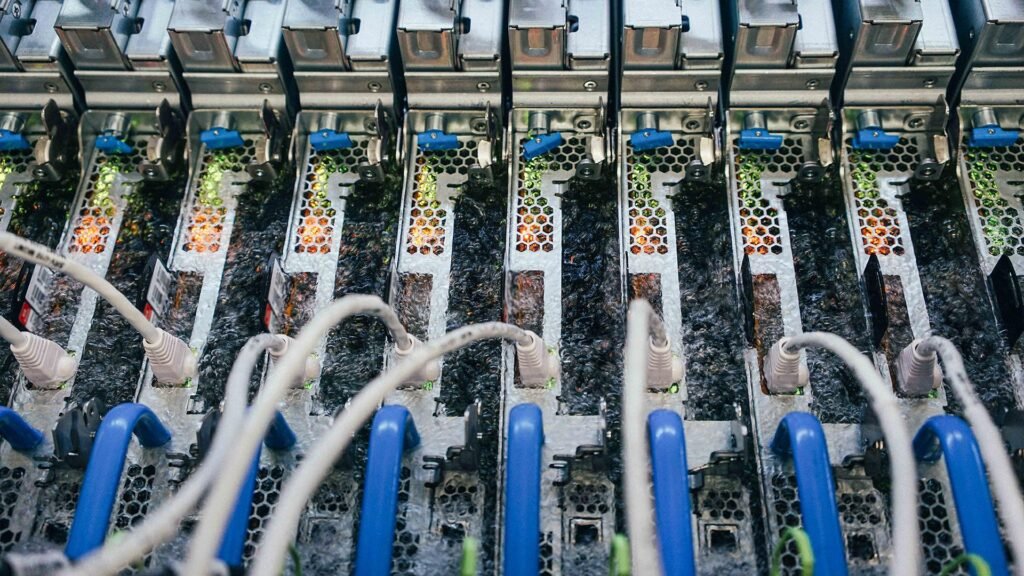
[Insert Image Placeholder Here: AI server racks with high-performance GPU systems]
Why Do Data Centres Produce So Much Heat?
Electricity Becomes Heat
Computers naturally generate heat when operating.
The more powerful the equipment becomes, the hotter it gets.
Modern AI processors can produce enormous thermal loads because they are constantly performing intensive calculations.
Without cooling:
- Servers overheat
- Performance drops
- Equipment becomes damaged
- Systems can fail completely
Cooling therefore becomes one of the most important parts of any data centre.
Humanity effectively built giant electronic radiators and then had to invent entire industries to stop them melting themselves. Progress is beautiful.
Why Are Data Centres Using So Much Water?
Water Is Used For Cooling
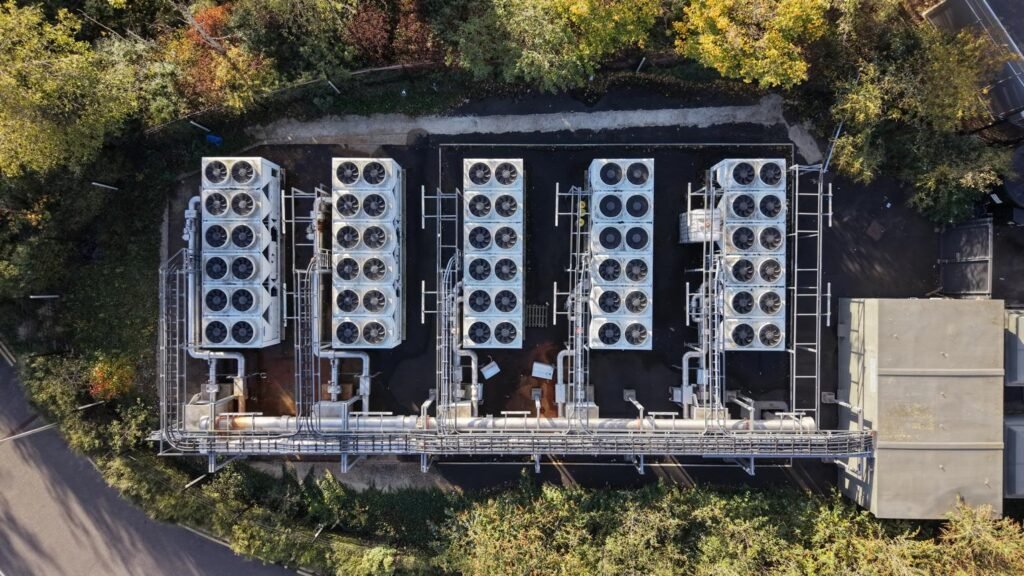
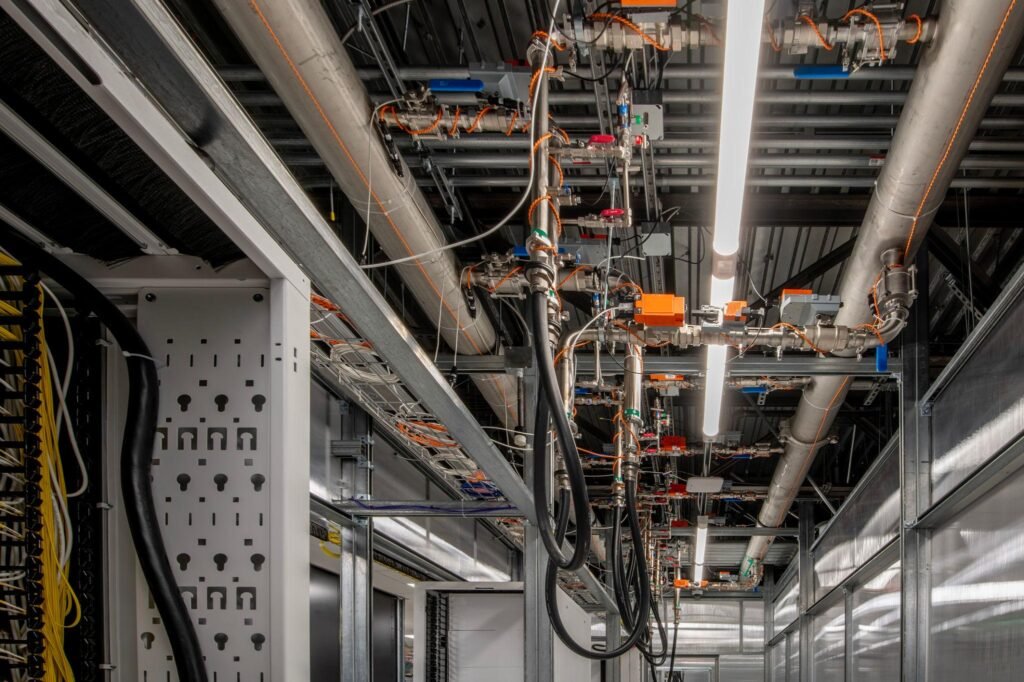
Many UK data centres use water-based cooling systems because water absorbs heat efficiently.
Water may be used in:
- Cooling towers
- Evaporative cooling systems
- Heat exchangers
- Liquid cooling pipes
Some cooling systems deliberately evaporate water to remove heat from servers.
This process can consume millions of litres of water every year.
AI Systems Require More Aggressive Cooling
AI servers are far denser and hotter than older systems.
This means:
- Higher cooling demand
- Greater water usage
- Larger cooling infrastructure
- More electricity for cooling equipment
Some estimates suggest advanced AI systems indirectly consume significant amounts of water during operation through their cooling requirements.
During heatwaves, water demand can rise even further because cooling systems work harder in hot conditions.
[Insert Image Placeholder Here: Industrial cooling towers and water cooling systems at a data centre]
How Much Pressure Are Data Centres Putting On The UK National Grid?
Electricity Demand Is Rising Rapidly
The UK already faces rising electricity demand from:
- Electric vehicles
- Heat pumps
- Population growth
- Industrial electrification
Now AI infrastructure is adding another major layer of demand.
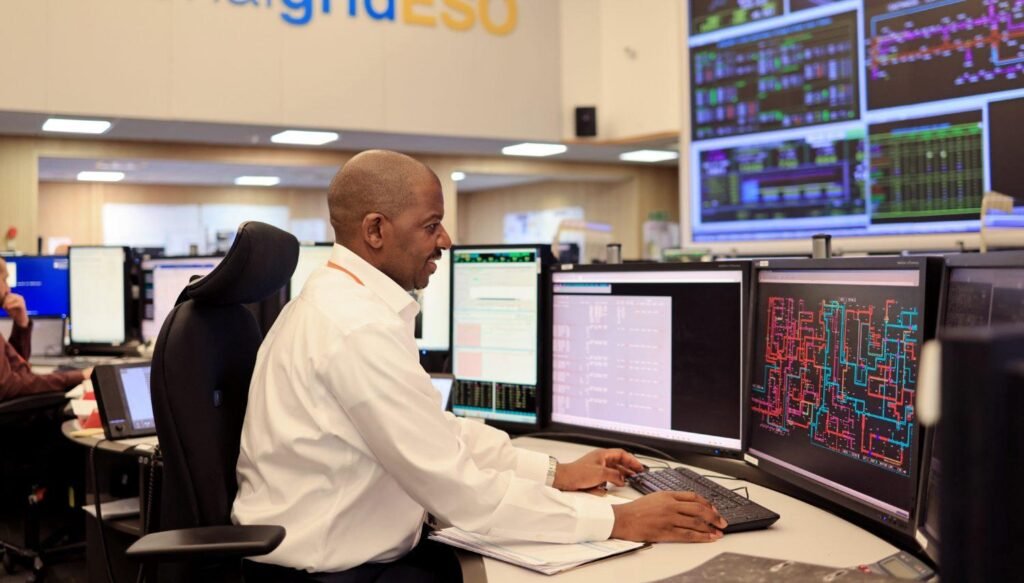
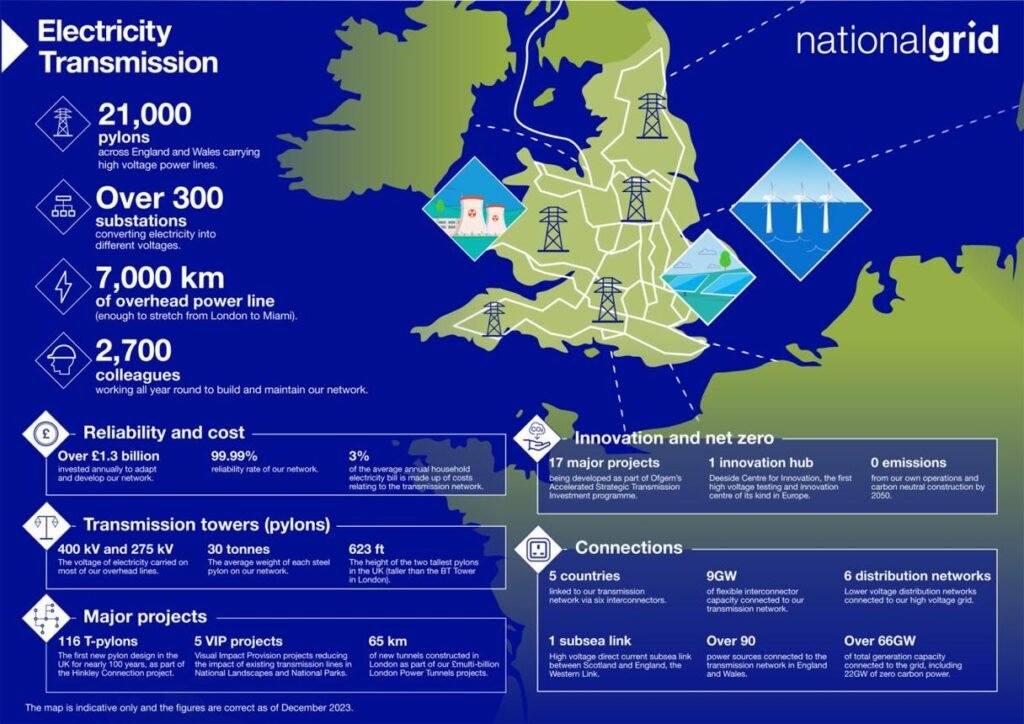
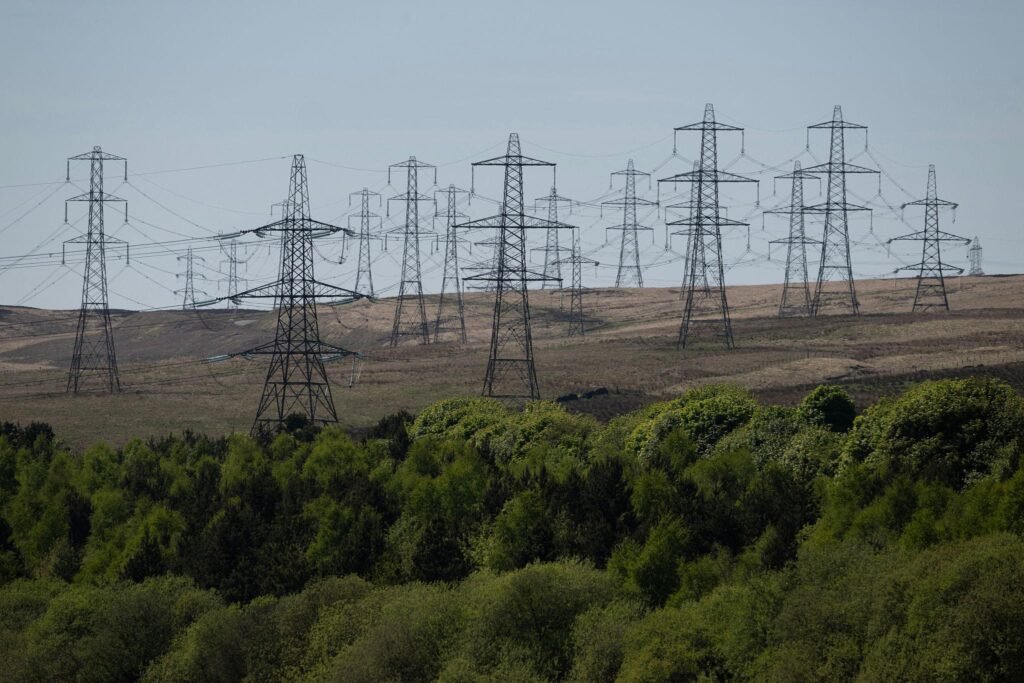
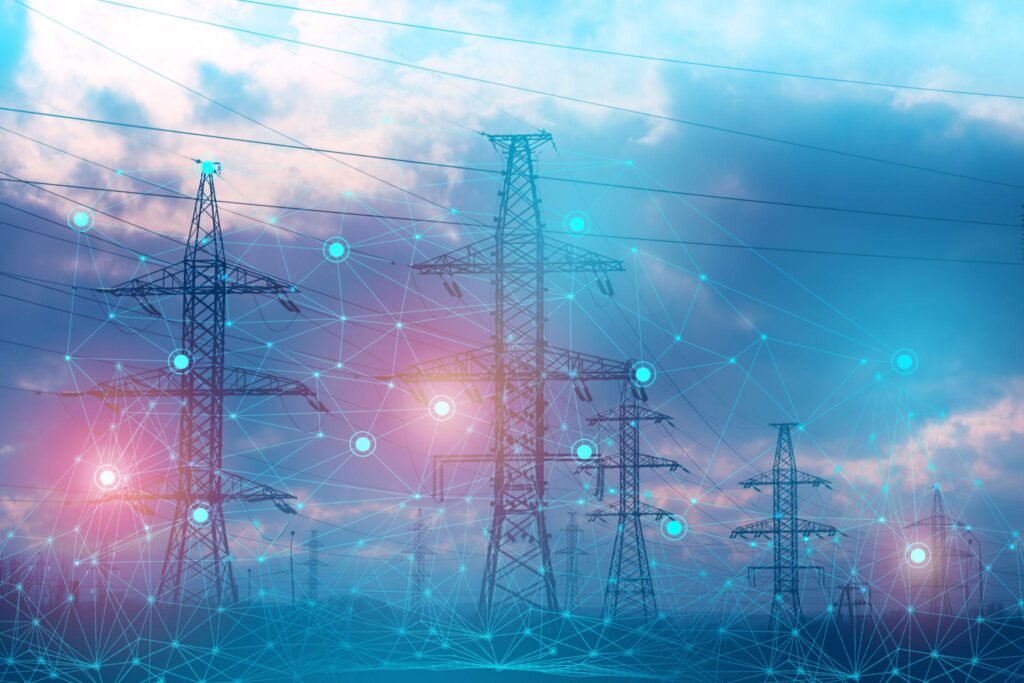
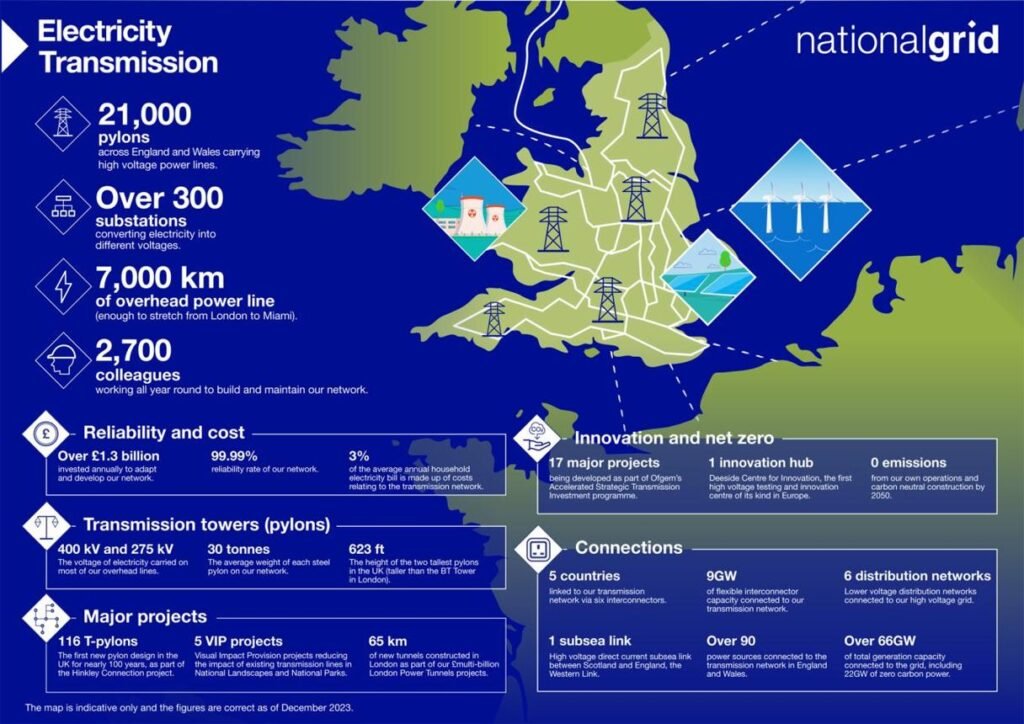
National Grid operators have warned that data centre electricity usage could rise sharply over the coming decade.
Some new AI-focused facilities require enormous power connections measured in hundreds of megawatts.
That is industrial-scale consumption.
Some Areas Are Already Struggling
Certain parts of England are experiencing grid capacity concerns because of concentrated data centre growth.
Issues include:
- Delayed power connections
- Infrastructure upgrades
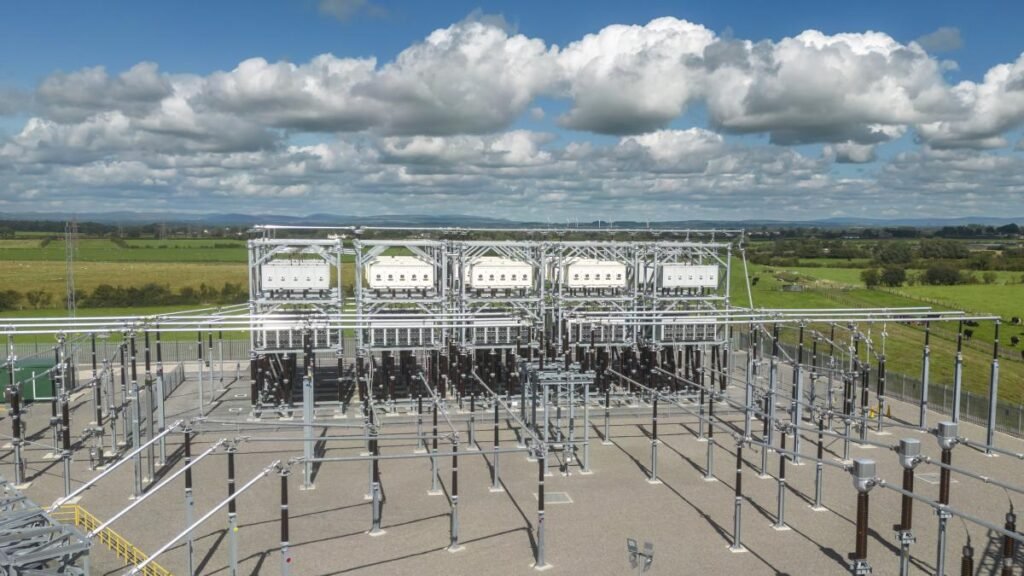
- Substation expansion
- Local grid reinforcement
In some cases, new data centres cannot open until electricity infrastructure improvements are completed.
The digital economy increasingly depends on physical infrastructure that takes years to build.
Meanwhile people casually ask AI to generate pirate hamster cartoons at 2am and wonder why the electricity sector looks nervous.
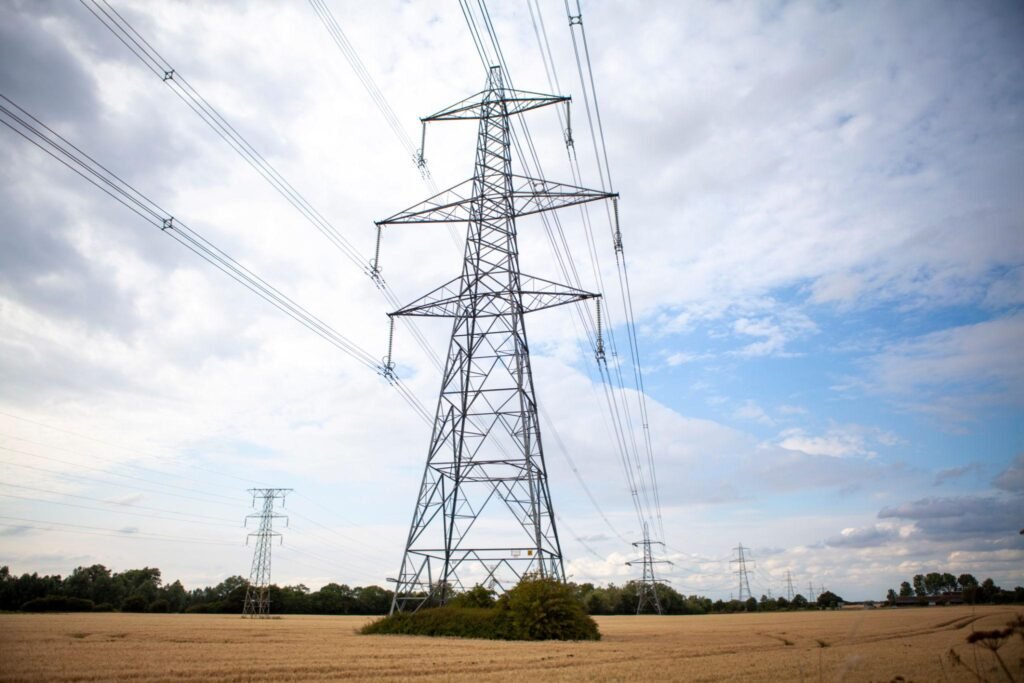
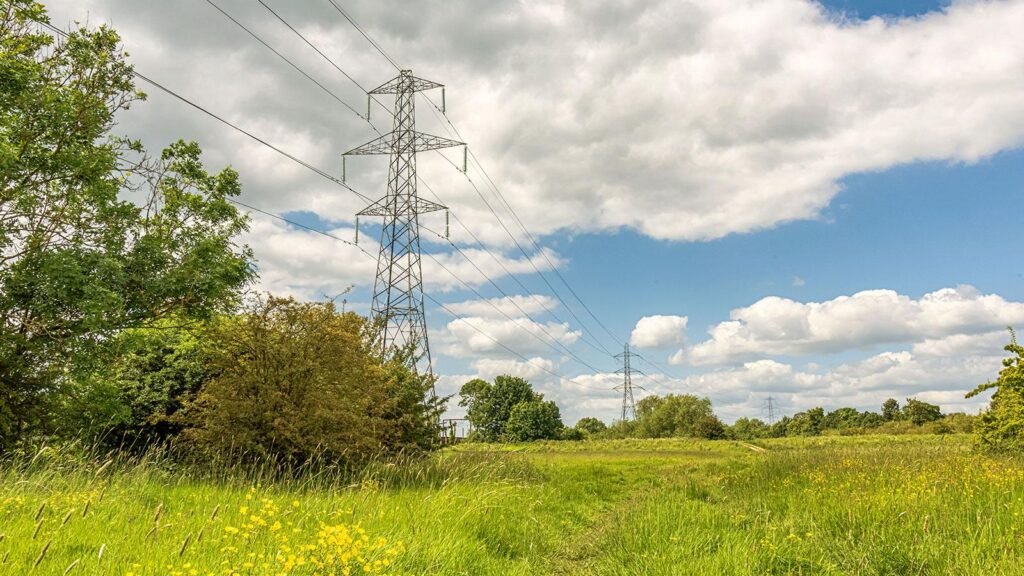
[Insert Image Placeholder Here: UK electrical substation connected to major infrastructure]
Are Renewable Energy Sources Helping?
Partially
Major technology companies increasingly invest in renewable energy through:
- Wind farm agreements
- Solar contracts
- Battery storage
- Renewable electricity purchasing
Companies such as Microsoft, Google and Amazon have all announced sustainability initiatives linked to data centre operations.
However, challenges remain:
- Renewable generation varies
- AI demand is constant
- Backup systems are still required
- Peak electricity demand remains difficult
Gas-fired generation still plays a role during periods of high national demand.
Why Are Data Centres Still Using Diesel Generators?
Backup Power Is Essential
Most data centres maintain backup diesel generators in case the National Grid fails.
These systems protect critical infrastructure including:
- Banking services
- Healthcare systems
- Government operations
- Cloud platforms
Backup generators are rarely used continuously, but they remain essential for resilience.
A major outage inside a hyperscale data centre could affect millions of users and businesses simultaneously.
[Insert Image Placeholder Here: Backup generators outside a UK data centre]
Could Water Shortages Become A Bigger Problem?
Potentially Yes
Parts of England already face increasing water stress, especially:
- London
- South East England
- East Anglia
At the same time, many new data centres are planned for these regions.
During hot weather:
- Cooling demand rises
- Water consumption increases
- Electricity demand also rises
This creates a difficult balancing act between:
- Economic growth
- AI expansion
- Environmental sustainability
- Infrastructure resilience
Water companies and planners are increasingly examining whether future growth remains sustainable.
What Are Data Centres Doing To Reduce Energy And Water Use?
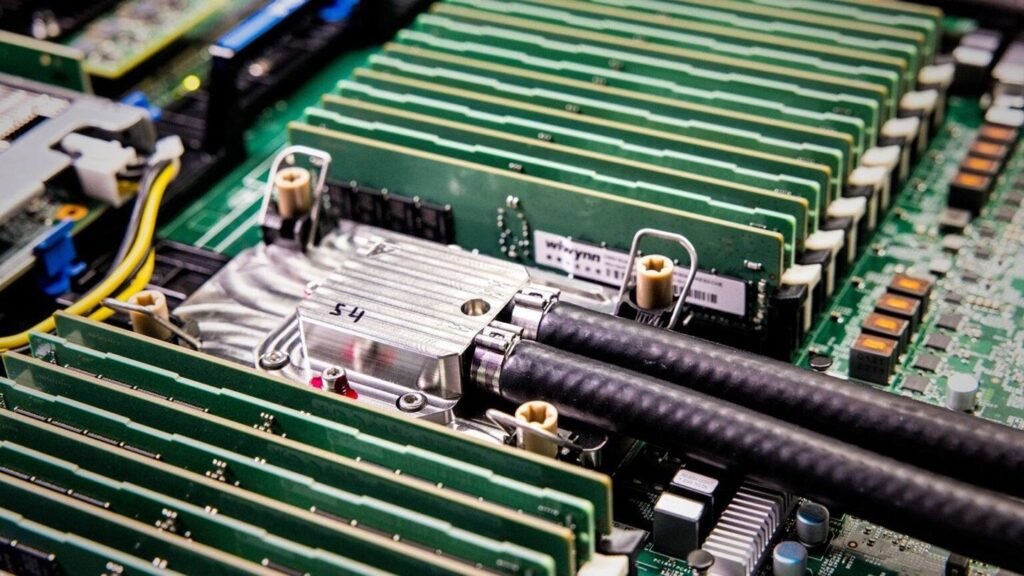
Liquid Cooling Systems
Many modern facilities are moving towards advanced liquid cooling technology because it is more efficient than traditional air cooling.
Benefits include:
- Lower electricity consumption
- Better heat management
- Improved AI performance
- Reduced cooling requirements
Heat Reuse Projects
Some projects are exploring ways to reuse waste heat from data centres.
Potential uses include:
- Heating homes
- District heating systems
- Commercial buildings
- Public facilities
Several European countries already use data centre heat recovery more extensively.

- Installs in circuit panel of most small businesses with clamp-on sensors. Supports Single phase, Single-split phase, and…
- 24/7 Energy Management and Monitoring: Automate and monitor your business’ real power anywhere, anytime to prevent costl…
- Lower Your Electric Bill: Configure settings in the Emporia Energy App to automate energy management for time of use, pe…
Smarter Energy Management
Modern facilities increasingly use:
- AI-controlled cooling
- Smart airflow systems
- Improved insulation
- High-efficiency equipment
Newer data centres are generally more efficient than older facilities.
[Insert Image Placeholder Here: Sustainable green data centre with modern cooling technology]
Final Thoughts
UK data centres are using huge amounts of water and electricity because modern digital life depends on continuous high-performance computing. Artificial intelligence is accelerating this trend dramatically.
The challenge is not simply about websites or apps anymore. AI infrastructure is becoming a major industrial energy consumer that places growing pressure on:
- The National Grid
- Local water supplies
- Cooling infrastructure
- Renewable energy systems
The UK wants to become a global AI leader, but that ambition comes with real-world infrastructure consequences.
Behind every AI response, streamed film and cloud backup sits a physical building consuming electricity, generating heat and requiring cooling on an industrial scale.
The internet always looked clean and invisible from the user side. In reality it increasingly resembles a giant factory disguised as convenience.
English References
- International Energy Agency (IEA)
- National Grid ESO
- Ofgem
- Uptime Institute
- UK Government AI infrastructure reports
- University of California AI water consumption research
- TechUK data centre reports
AI Playbooks
We have created Professional High Quality Downloadable PDF’s at great prices specifically for Personal or Business use in the UK. Which include help and advice on understanding what Artificial Intelligence is all about and how it can improve your business. Find them here.