Artificial intelligence is rapidly becoming one of the biggest new electricity demands in the United Kingdom. What began as cloud computing and online services has evolved into a race to build AI data centres, train massive AI models, and run energy-hungry systems 24 hours a day. By 2030, AI could become one of the defining pressures on the British energy grid.
The uncomfortable truth is that Britain wants to become a global AI leader while already struggling with grid constraints, ageing infrastructure, expensive electricity prices, and slow planning processes. Humans decided the best way to build “intelligent systems” was apparently to create giant warehouses full of computers that consume enough power to rival small towns. Remarkable species.
Why AI Uses So Much Electricity
AI Data Centres Are Not Normal Office Buildings
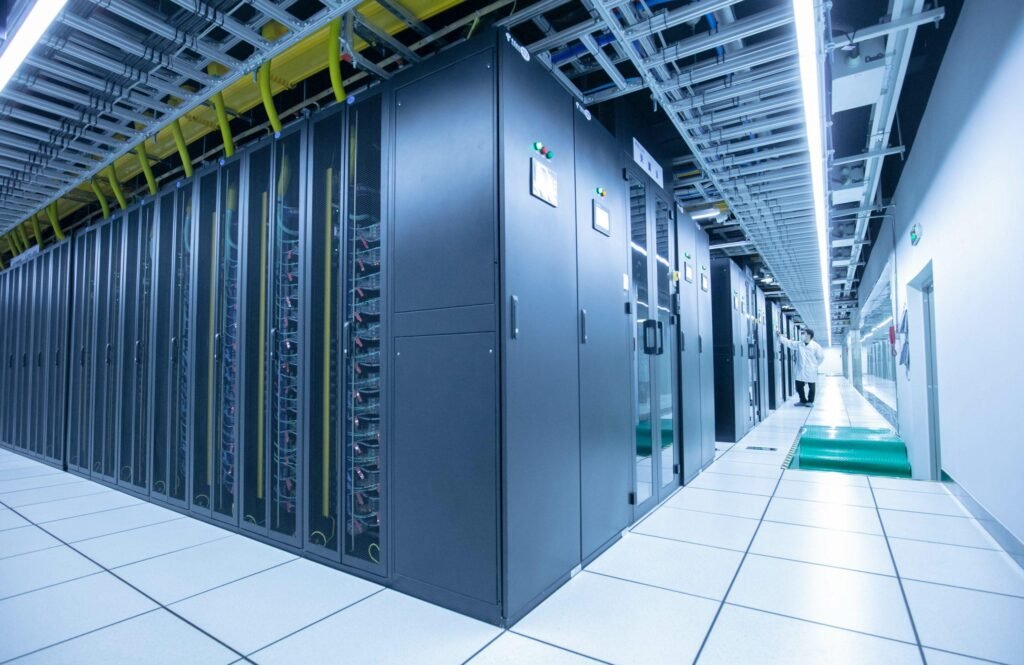
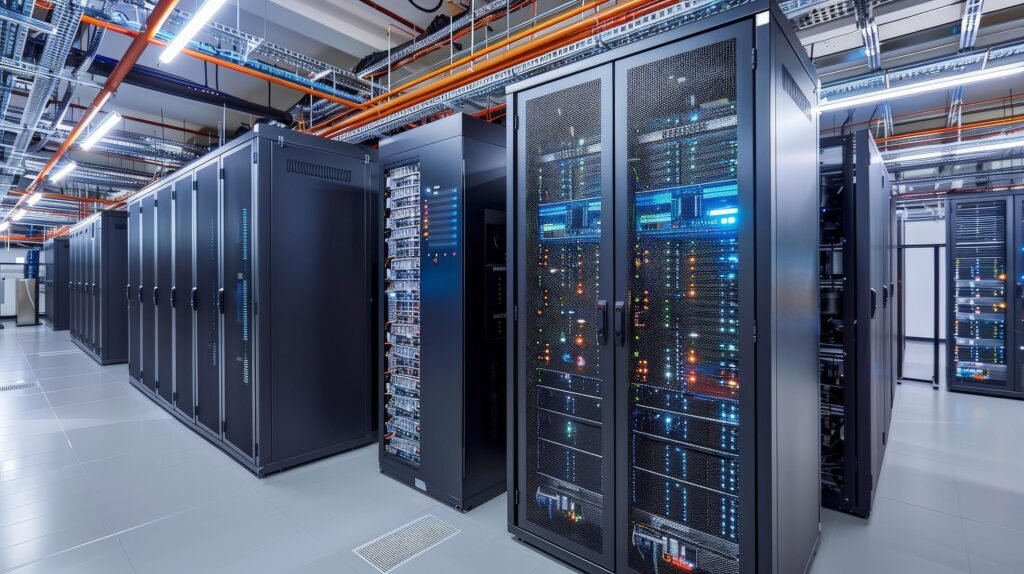
Most people imagine AI as software floating invisibly around the internet. In reality, AI depends on physical infrastructure. Huge buildings packed with graphics processing units (GPUs), storage systems, networking equipment, and industrial cooling systems.
Training modern AI models requires enormous computational power. Running them at scale requires even more.
A traditional office building may use a few hundred kilowatts of electricity. Large AI-focused data centres can demand hundreds of megawatts.
For comparison:
- A typical UK home uses roughly 2,700 to 3,500 kWh annually
- A large AI data centre may consume as much electricity as tens of thousands of homes
- Some future hyperscale AI facilities could exceed the electricity demand of entire UK towns
[Insert Image Here – Large UK Data Centre Exterior]
The UK already hosts major data centre clusters around:
- London
- Slough
- Manchester
- Leeds
- Cardiff
- Birmingham
These areas are seeing rising power demand because AI companies want proximity to fibre networks, cloud infrastructure, and business hubs.

- Installs in circuit panel of most small businesses with clamp-on sensors. Supports Single phase, Single-split phase, and…
- 24/7 Energy Management and Monitoring: Automate and monitor your business’ real power anywhere, anytime to prevent costl…
- Lower Your Electric Bill: Configure settings in the Emporia Energy App to automate energy management for time of use, pe…
How Much Electricity Could AI Use by 2030?
The Numbers Are Rising Quickly
According to forecasts from the International Energy Agency (IEA), global electricity consumption from data centres could more than double by 2030 due largely to AI workloads.
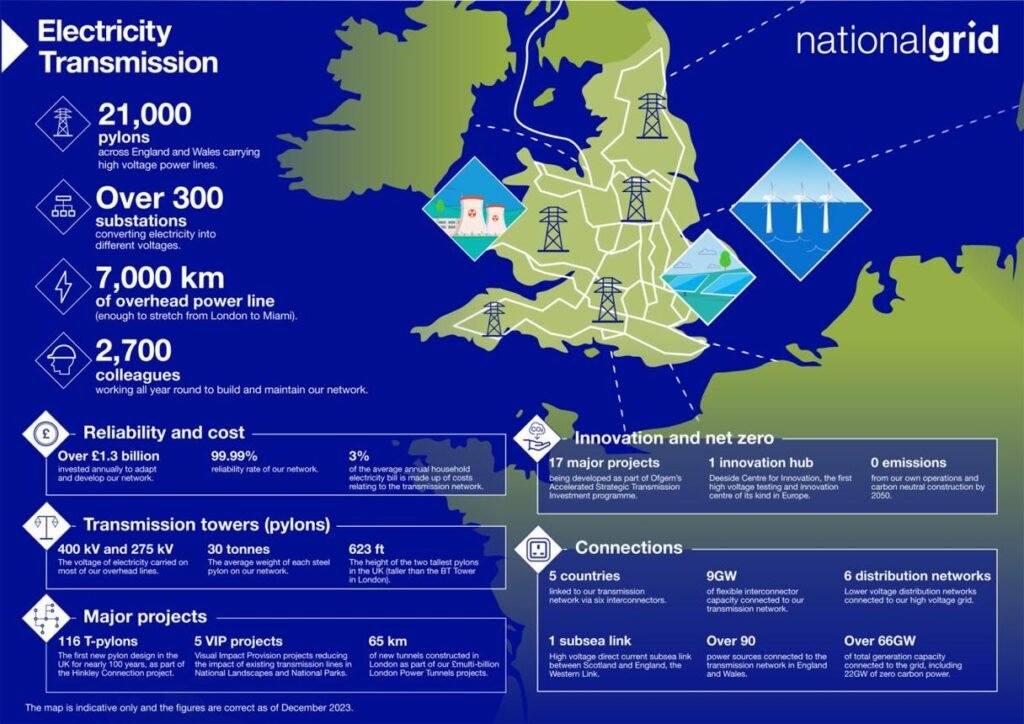
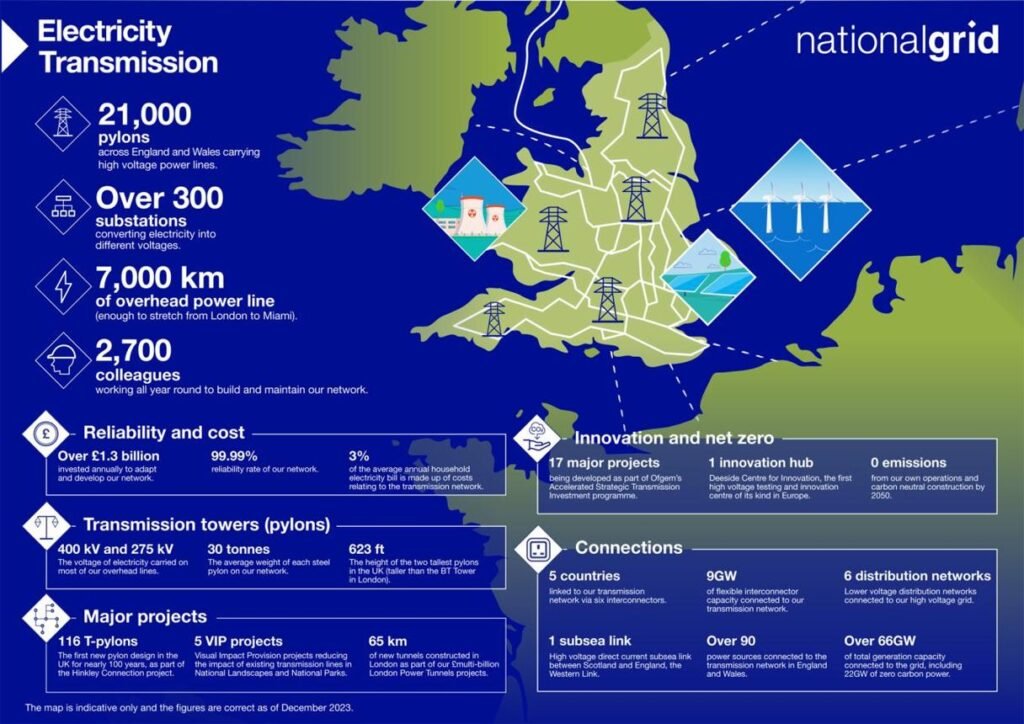
In the UK specifically, National Grid has warned that electricity demand from data centres could rise sharply during the second half of this decade.
Several industry analysts now estimate:
- UK data centres currently consume around 2 to 3% of total UK electricity
- By 2030, AI and advanced data centres could consume between 6 and 8% of UK electricity generation
- Some projections suggest UK AI infrastructure could require over 20 TWh annually by 2030
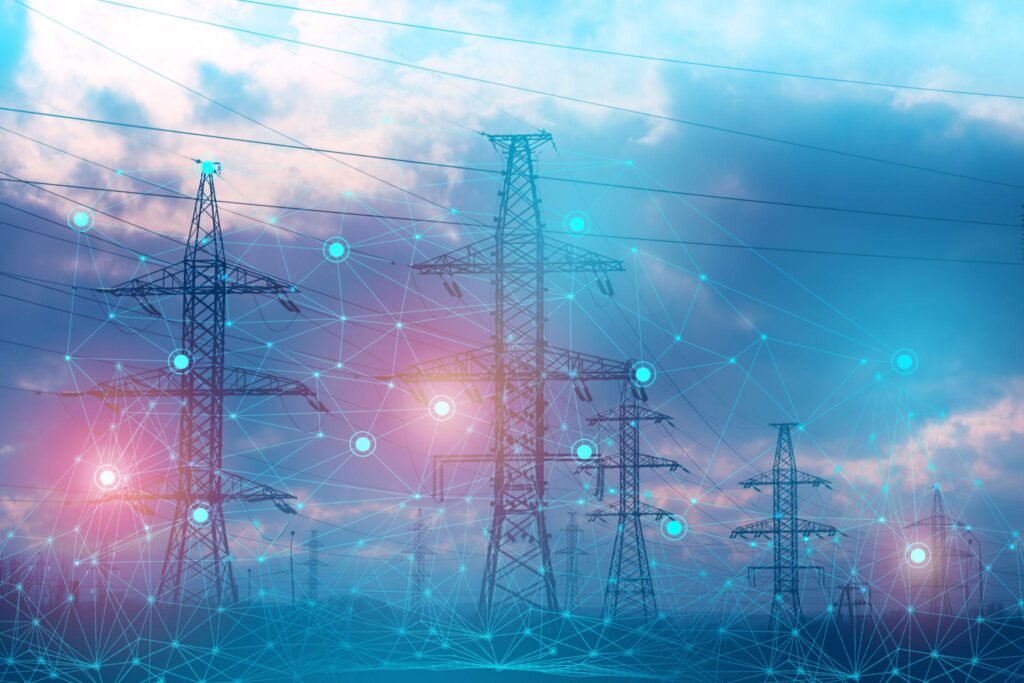
That is a serious increase for a grid already under pressure from:
- Electric vehicles
- Heat pumps
- Industrial electrification
- Population growth
- Renewable transition challenges
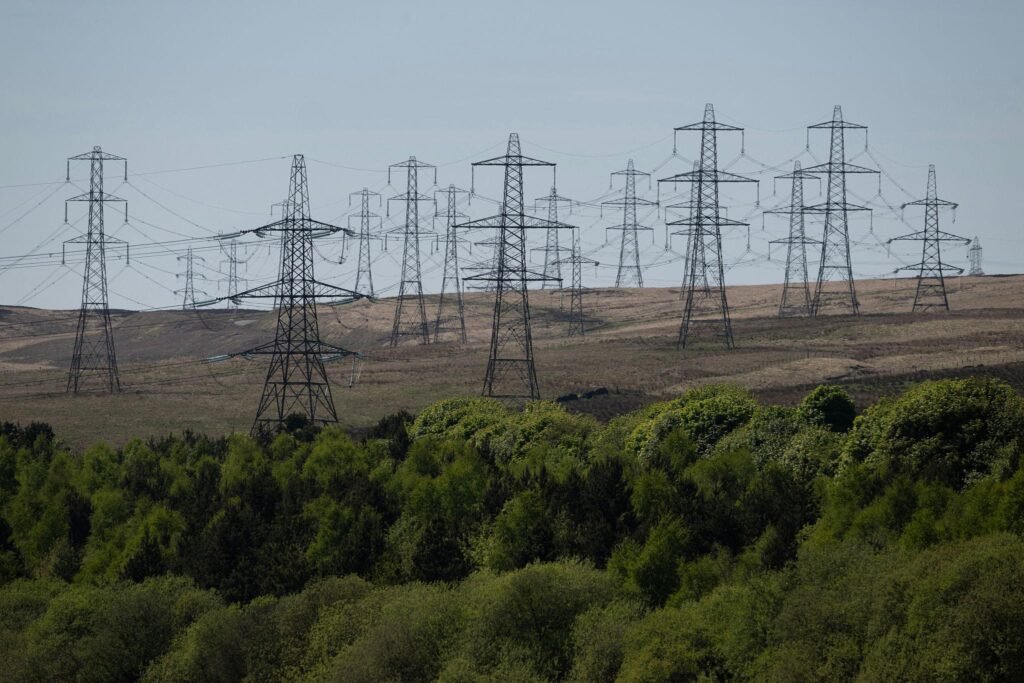
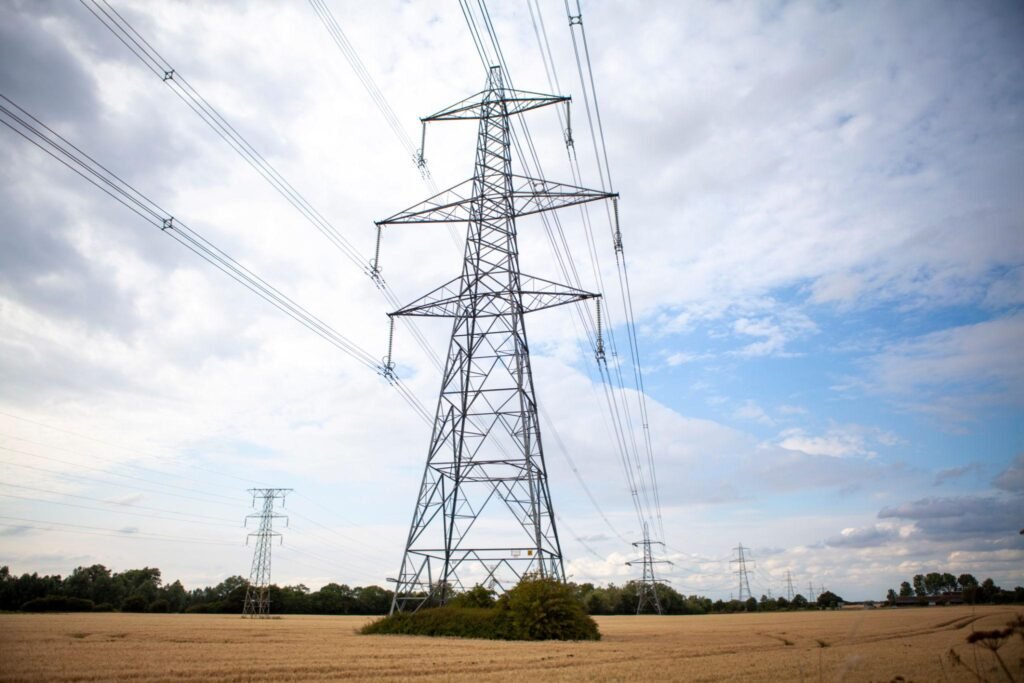
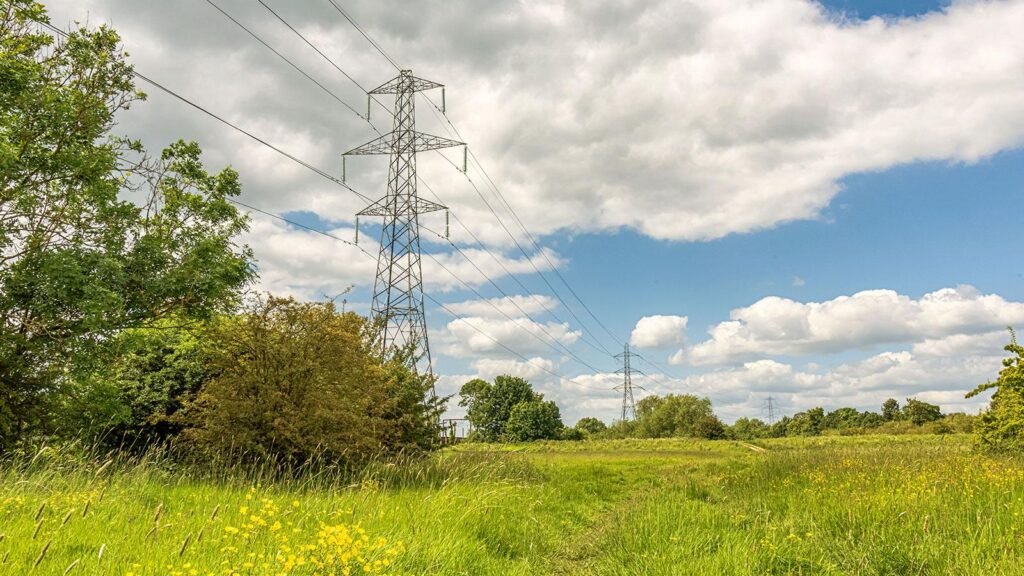
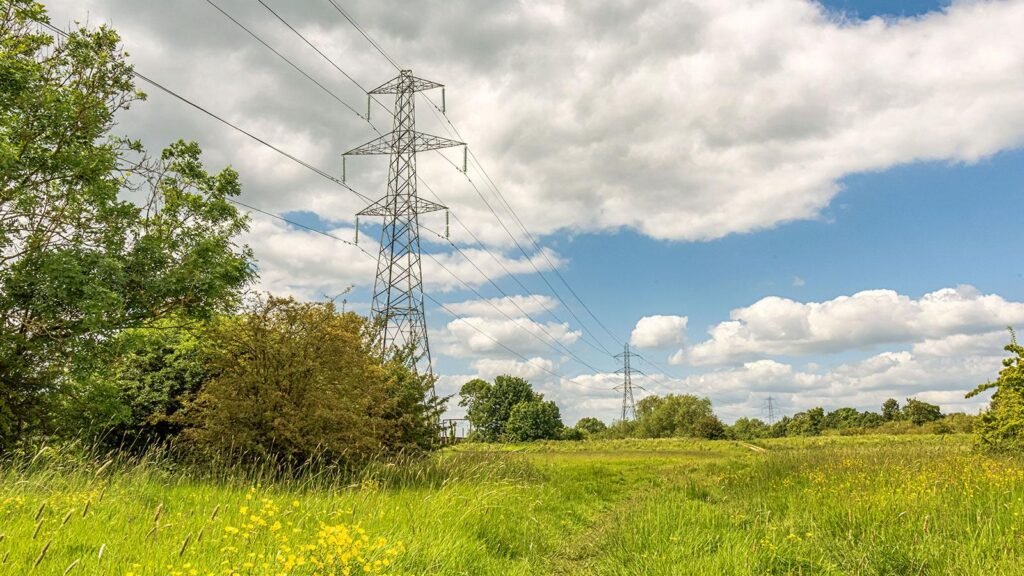
[Insert Image Here – UK National Grid and Power Lines]
Why AI Electricity Demand Is Different
AI Workloads Operate Constantly
Unlike factories or offices, AI systems often run continuously.
AI companies cannot simply switch systems off at 5pm because:
- AI model training can take weeks or months
- Cloud AI services operate globally
- Businesses expect instant AI responses
- AI infrastructure must remain available at all times
This creates constant baseload electricity demand.
The result is that AI infrastructure can heavily strain both local substations and the wider national grid.
Cooling Systems Add Another Layer
Electricity Is Only Part of the Story
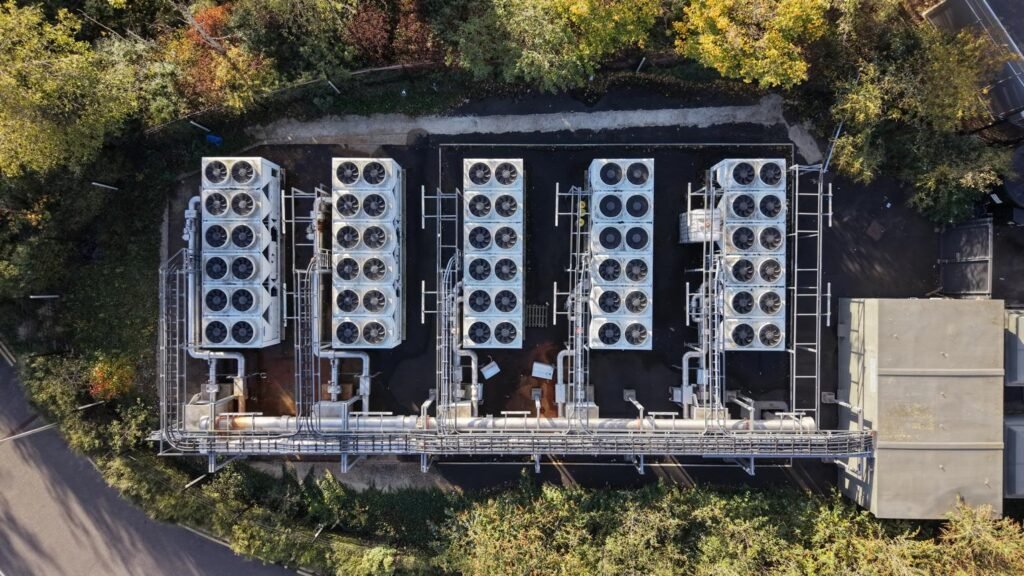
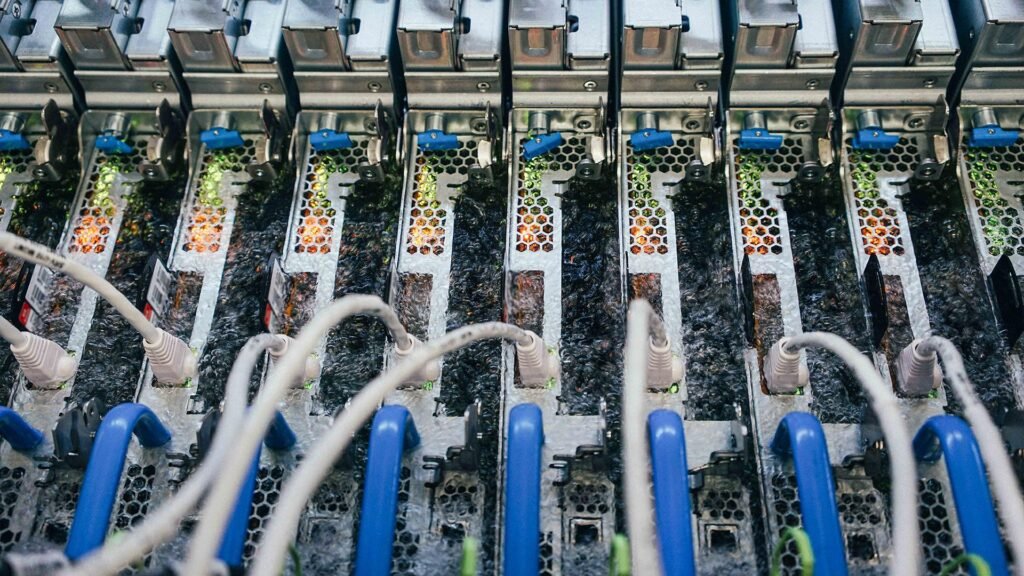
AI servers generate enormous amounts of heat.
Keeping these systems cool requires:
- Industrial air conditioning
- Liquid cooling systems
- Chilled water infrastructure
- Ventilation systems
- Backup cooling redundancy
Cooling can account for a large portion of a data centre’s total energy consumption.
This is why many future AI facilities are being designed near:
- Large renewable energy sources
- Water access
- Cooler climates
- Existing power infrastructure
Britain’s relatively cool climate actually gives it an advantage compared with hotter regions.
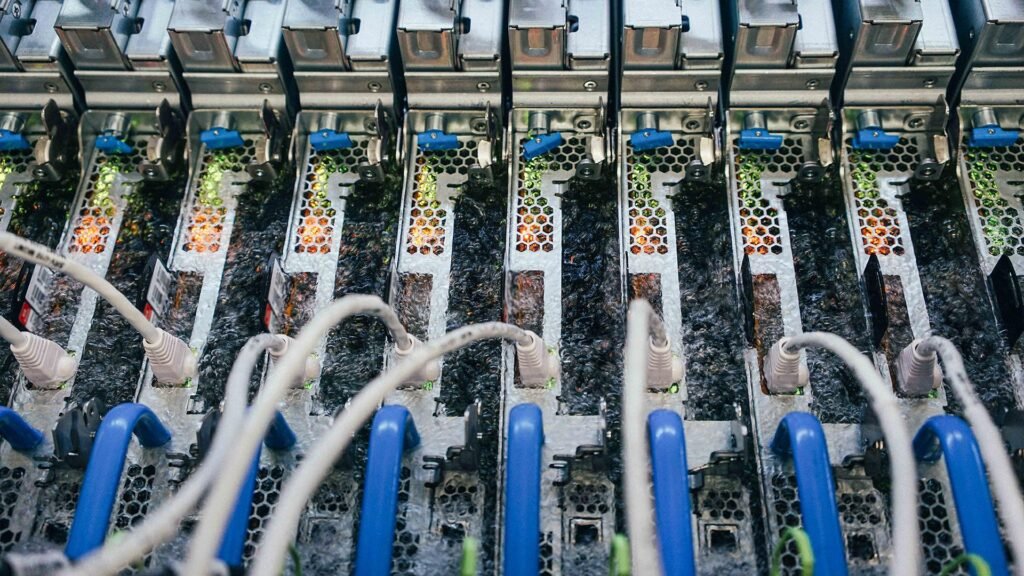
[Insert Image Here – AI Server Cooling Systems]
Where Will the UK Get the Power?
Nuclear Energy Is Becoming More Important
AI companies increasingly want guaranteed long-term electricity supplies.
Renewable energy alone creates challenges because AI workloads require stable, uninterrupted power.
This is why nuclear energy is returning to the conversation.
Companies across the world are exploring:
- Small Modular Reactors (SMRs)
- Direct nuclear-to-data-centre agreements
- Long-term energy purchase contracts
- Dedicated grid infrastructure
In the UK, projects involving:
- Sizewell C
- Rolls-Royce SMRs
- Advanced nuclear concepts
could eventually become highly relevant to AI infrastructure growth.
Technology firms do not want unstable energy pricing or unreliable supply. Investors especially dislike uncertainty. Financial markets panic if a spreadsheet cell changes colour unexpectedly.
- Learning function
Renewable Energy Will Still Play a Major Role
Wind and Solar Remain Essential
The UK is heavily investing in offshore wind and renewable energy expansion.
AI companies increasingly market themselves using renewable electricity commitments because:
- Investors demand sustainability reporting
- Governments are tightening emissions standards
- Customers expect environmental responsibility
Major cloud and AI firms are already signing renewable power purchase agreements across Europe.
However, renewable generation alone may not fully solve:
- Peak demand periods
- Grid congestion
- Energy storage limitations
- Backup generation needs
This means the UK likely needs a combination of:
- Renewables
- Nuclear
- Grid upgrades
- Battery storage
- Flexible energy management
[Insert Image Here – Offshore Wind Farm UK]
Regional Impact Across Britain
Some Areas Could See Major Growth
AI infrastructure will not spread evenly across the country.
Areas with strong connectivity and available grid capacity are likely to attract more investment.
Potential AI infrastructure hotspots include:
Manchester
Manchester is increasingly attractive due to digital infrastructure and northern economic investment.
Slough and West London
Already one of Europe’s largest data centre clusters.
Scotland
Renewable energy access and cooler climate make Scotland attractive for future facilities.
North East England
Industrial land and renewable power access create opportunities.
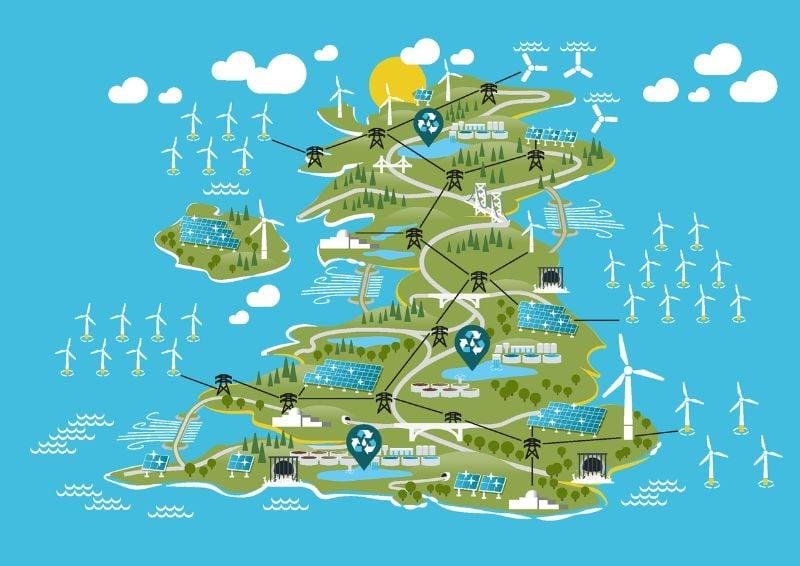
Wales
Potential growth due to renewable energy expansion and available space.
Can the UK Grid Cope?
The Grid Needs Massive Upgrades
One of the biggest challenges is grid infrastructure.
Many regions already face delays connecting new projects because substations and transmission lines are near capacity.
National Grid has repeatedly stated that:
- Major investment is needed
- Grid modernisation is urgent
- Connection queues are growing
- Electricity demand forecasts are increasing sharply
Without upgrades, AI growth could face bottlenecks.
Some reports suggest certain new data centre projects may wait years for full grid connections.
Humans invented the future and then forgot to build enough cables for it. Consistency has never really been civilisation’s strongest feature.
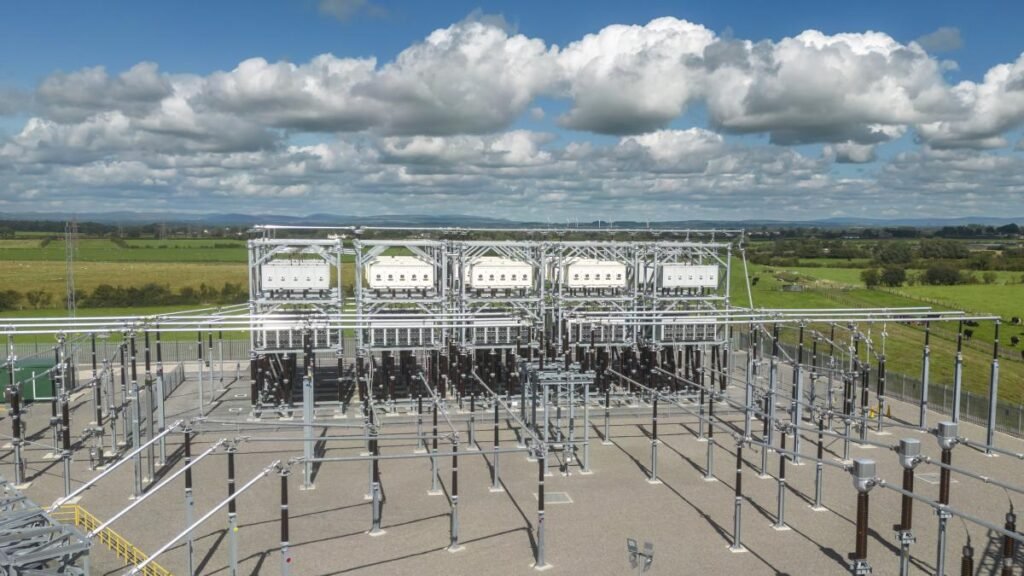
[Insert Image Here – UK Electrical Substation]
AI Companies Are Now Thinking Like Energy Companies
Energy Strategy Is Becoming Central
By 2030, large AI companies may effectively operate as hybrid technology and energy businesses.
Many are already investing in:
- Renewable generation
- Battery storage
- Energy trading
- Private power agreements
- On-site generation
- Grid balancing technologies
Energy availability is becoming just as important as computing power.
This changes the economics of AI entirely.
The winners in AI may not simply be the companies with the best algorithms, but the companies with the cheapest and most reliable electricity.
The Environmental Debate
Critics Are Raising Concerns
There is growing criticism over AI energy consumption.
Critics argue:
- AI could increase carbon emissions
- Water usage is becoming problematic
- Grid pressure could raise consumer costs
- Infrastructure expansion impacts local communities
At the same time, supporters argue AI may help improve:
- Energy forecasting
- Grid efficiency
- Renewable optimisation
- Industrial efficiency
- Building management
- Transport systems
The reality is likely somewhere in the middle.
AI will consume large amounts of electricity, but it may also help manage future energy systems more intelligently.

- Full control over your heating with the tado° app from anywhere, reduce your energy consumption and save money with the …
- Heating Boost: heat up all rooms for 30 minutes with one click in the app
- Smart Schedules for the perfect temperature individually in each room, at any time; only active when someone’s home; can…
What 2030 Could Realistically Look Like
A Real-World UK Scenario
By 2030, the UK could realistically see:
- Large AI data centre clusters expanding across Britain
- Electricity demand from AI doubling or tripling
- Dedicated renewable and nuclear agreements for AI firms
- Increased grid upgrade spending
- AI firms competing directly for energy access
- Rising political debates about power allocation
- New regulations on AI energy efficiency
Consumers may also notice indirect effects through:
- Energy pricing pressures
- Infrastructure construction
- Land use debates
- Increased local power projects
Final Thoughts
AI energy usage in the UK by 2030 is unlikely to be a niche technical issue. It is becoming a national infrastructure challenge.
Britain wants to lead in artificial intelligence while simultaneously electrifying transport, heating, and industry. That requires enormous amounts of reliable power.
The next few years will determine whether the UK can modernise quickly enough to support both AI growth and wider electrification goals.
The reality is simple:
AI runs on electricity.
And the countries with the strongest energy systems may end up dominating the next phase of the AI economy.
AI Playbooks
We have created Professional High Quality Downloadable PDF’s at great prices specifically for Personal or Business use in the UK. Which include help and advice on understanding what Artificial Intelligence is all about and how it can improve your business. Find them here.