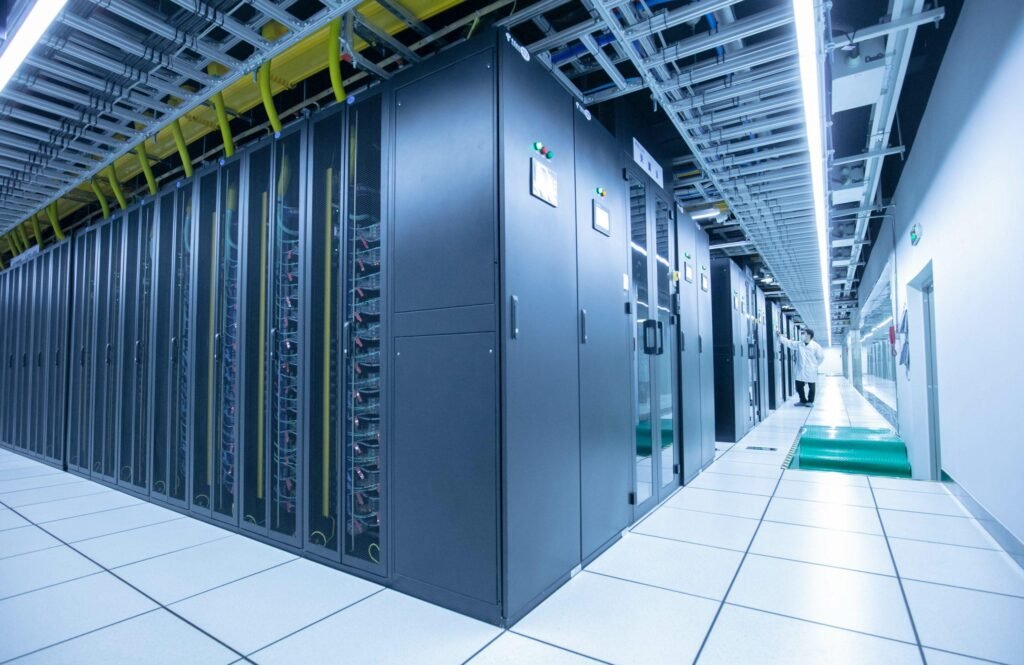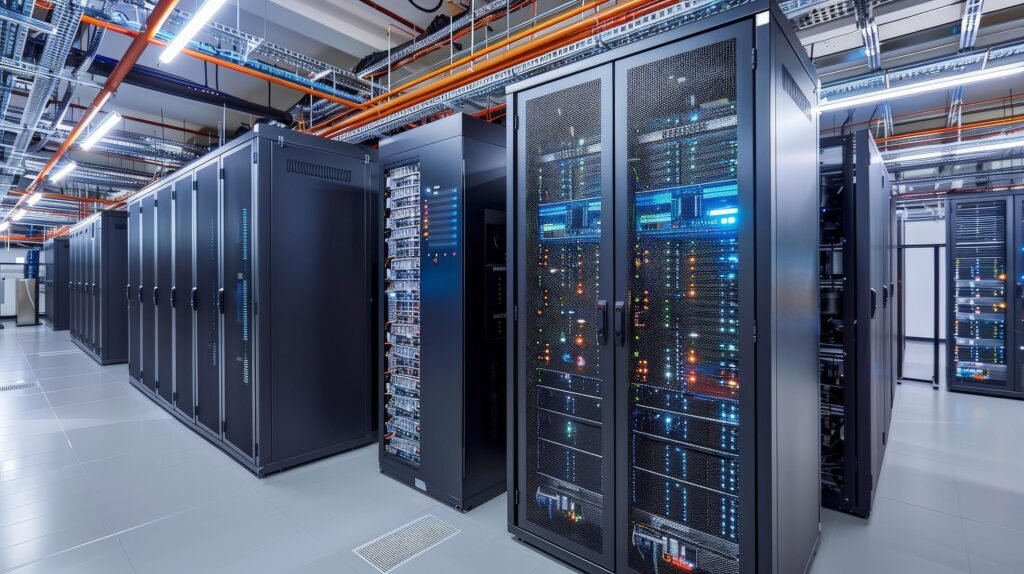
Artificial Intelligence is often described as “digital”, “cloud-based”, and “virtual”. That makes it sound as though AI exists in some magical weightless dimension where robots politely discuss spreadsheets while floating in the sky. Reality is less glamorous. AI runs inside enormous data centres packed with servers, cooling systems, backup generators and networking equipment. Those facilities consume huge amounts of electricity and, increasingly, huge amounts of water.
The surprising part is that many people worry about AI’s electricity use but never think about its water consumption. Yet water is becoming one of the biggest environmental questions surrounding AI growth.
Why Does AI Need Water?
AI systems generate vast amounts of heat.
When you ask an AI model a question, thousands of powerful processors work simultaneously to analyse information and generate a response. Multiply that by millions of users worldwide and the heat output becomes enormous.

To stop servers overheating, operators use cooling systems that often rely on water.
There are three main ways AI consumes water:
Direct cooling inside data centres
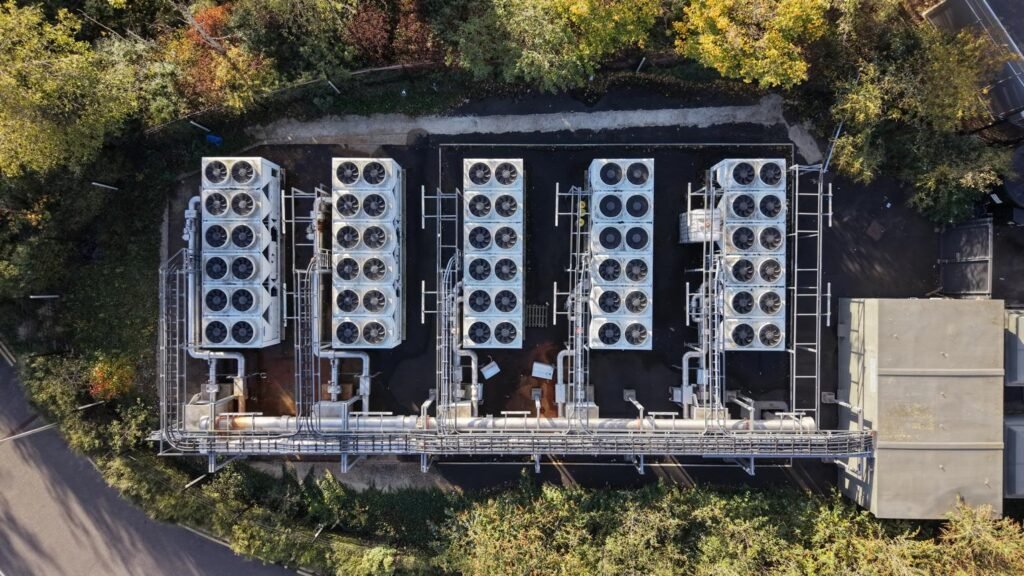
Many facilities use cooling towers where water absorbs heat before evaporating into the atmosphere.
This is often the largest visible water use.
Electricity generation
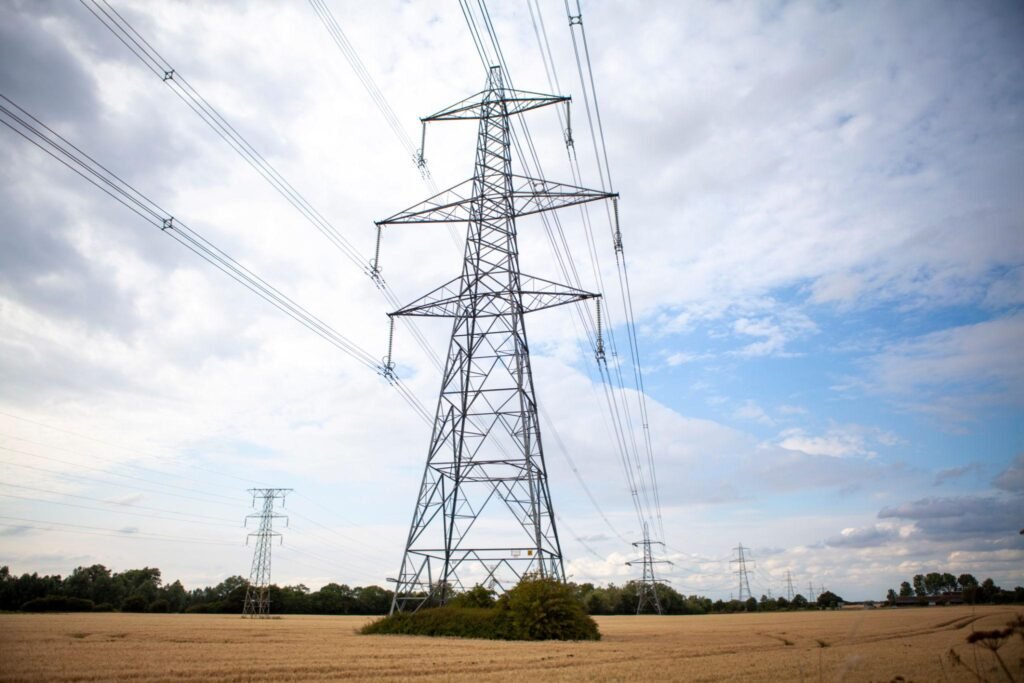
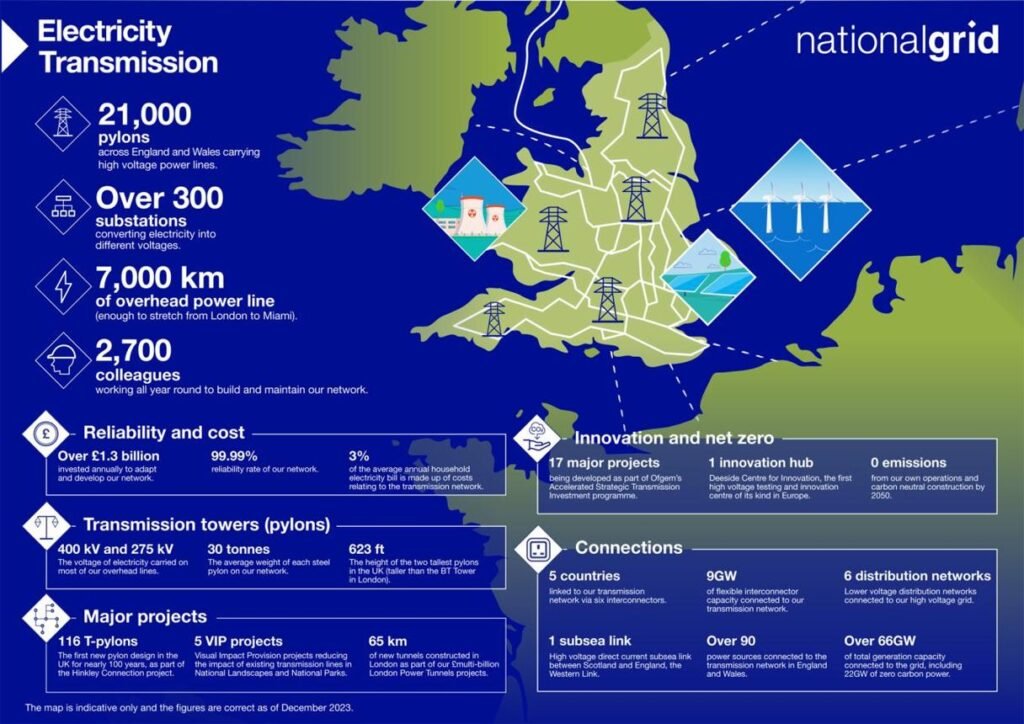
Even if a data centre uses less water on-site, the power stations generating electricity may consume large quantities of water for cooling.
This is known as indirect water consumption.
Manufacturing AI hardware
Producing advanced chips, processors and semiconductors requires significant amounts of ultra-pure water during manufacturing.
The water footprint starts long before a server is switched on.
Research shows all three factors contribute to AI’s growing water demand.

- Installs in circuit panel of most small businesses with clamp-on sensors. Supports Single phase, Single-split phase, and…
- 24/7 Energy Management and Monitoring: Automate and monitor your business’ real power anywhere, anytime to prevent costl…
- Lower Your Electric Bill: Configure settings in the Emporia Energy App to automate energy management for time of use, pe…
How Much Water Does A Single AI Question Use?
This is where things become complicated.
There is no universal figure because water use depends on:
- Which AI model is being used
- Where the data centre is located
- The cooling technology used
- Local climate conditions
- The electricity source
However, researchers have estimated that a single AI interaction can consume measurable amounts of water when both direct and indirect impacts are included.
Some studies suggest that lengthy AI-generated tasks can consume several hundred millilitres or more when cooling and electricity generation are considered together. Larger reports, image generation tasks and complex reasoning requests require more computing power and therefore more resources.
While one question may seem insignificant, billions of AI requests every day create a very different picture.
Humanity has a remarkable talent for saying “it’s only one click” roughly four trillion times and then acting surprised when entire power stations appear.
The Water Cost Of Training Large AI Models
Training an advanced AI model is far more resource intensive than using one.
Before a chatbot can answer questions, it must undergo training involving vast quantities of data and computing power.
Researchers estimated that training GPT-3 consumed approximately 3.5 million litres of water when direct and indirect usage were combined. Other estimates place similar large-scale models in the millions of litres range depending on location and energy sources.

To put that into perspective:
- 3.5 million litres equals roughly 1.4 Olympic swimming pools
- It is enough drinking water for thousands of people for years
- It represents only one model training cycle
Modern AI companies frequently retrain and improve their models, multiplying the impact.
How Much Water Do AI Data Centres Use?
Data centres vary enormously in size.
Some facilities consume relatively modest quantities, while hyperscale AI centres can rival small towns.
Research suggests:
- Medium-sized data centres may consume around 110 million gallons of water annually
- Large facilities can use up to 5 million gallons per day
- Some hyperscale operations consume water equivalent to communities of tens of thousands of people
These figures include cooling systems that operate continuously throughout the year.
In warmer climates, water demand often increases because cooling systems work harder.
Why AI Water Use Is Becoming A Global Issue
The biggest concern is not today’s consumption.
It is future growth.
AI adoption is accelerating across:
- Search engines
- Business software
- Customer service
- Healthcare
- Education
- Government services
- Financial systems
- Manufacturing
Every new AI feature requires more computing infrastructure.
Some forecasts suggest AI-related water consumption could reach between 4.2 and 6.6 billion cubic metres annually by 2027. That is equivalent to more than half of the UK’s total annual water consumption.
What About The UK?
The UK is rapidly expanding its data centre infrastructure.
Government strategies increasingly view AI as a major economic growth sector.
That means:
- More data centres
- Greater electricity demand
- More cooling requirements
- Increased local water usage

Water demand has already become part of planning discussions surrounding major UK data centre developments.
Some proposed facilities promote “water-free” cooling systems. However, critics argue that indirect water use from electricity generation still needs to be considered when calculating the true environmental impact.
Is AI Using More Water Than Other Industries?
This is where the debate becomes more nuanced.
Agriculture remains vastly larger in terms of total water consumption.
Industries such as:
- Farming
- Food production
- Manufacturing
- Power generation
still use significantly more water overall.
However, AI raises different concerns.
AI growth is happening extremely quickly
Agricultural water demand has grown over decades.
AI infrastructure growth is occurring over just a few years.
Data centres are often built in specific regions
Concentrated water use can place pressure on local supplies.
Transparency remains limited
Many technology companies do not publicly disclose detailed AI-specific water usage figures.
Researchers frequently have to estimate impacts using indirect methods.
- Full control over your heating with the tado° app from anywhere, reduce your energy consumption and save money with the …
- Heating Boost: heat up all rooms for 30 minutes with one click in the app
- Smart Schedules for the perfect temperature individually in each room, at any time; only active when someone’s home; can…
Can AI Become More Water Efficient?
Fortunately, yes.
Technology companies are investing heavily in reducing water consumption.
Methods include:
Liquid cooling systems
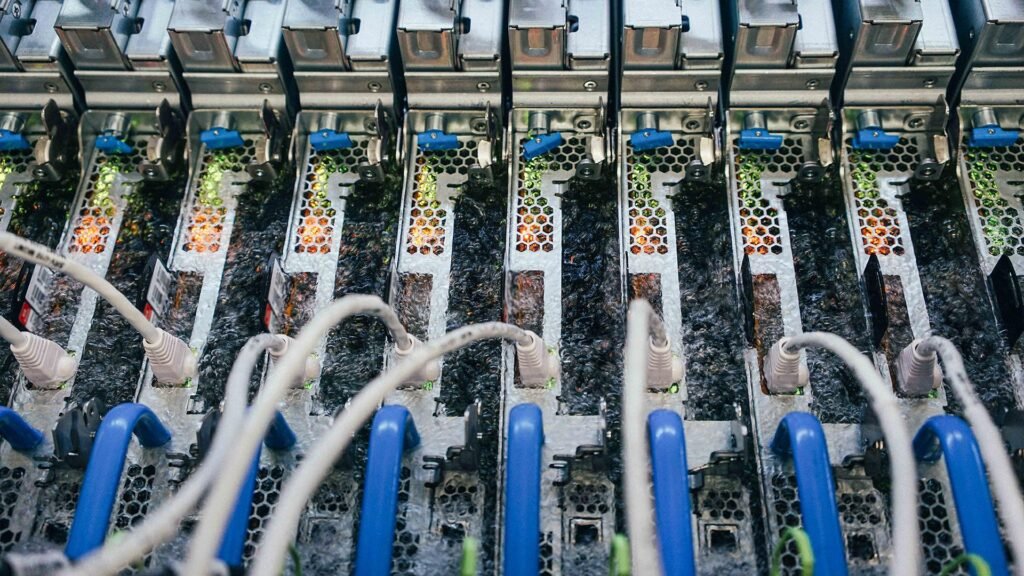
Direct-to-chip cooling can be more efficient than traditional cooling towers.
Water recycling
Some facilities recycle cooling water multiple times.
Better AI chips
More efficient processors generate less heat.
Renewable energy
Reducing dependence on water-intensive power generation lowers indirect water use.
Strategic locations
Building data centres in cooler climates reduces cooling requirements.
Many operators are now treating water efficiency as seriously as energy efficiency.
The Hidden Resource Behind Every AI Prompt
When people think about AI, they usually imagine software.
The reality is industrial infrastructure.
Every chatbot conversation, image generation request and AI-assisted search relies on physical buildings filled with hardware consuming electricity, cooling resources and water.
Current estimates suggest AI systems may already be consuming hundreds of billions of litres of water annually worldwide, with demand expected to rise sharply as adoption expands.
The challenge is not simply whether AI uses water.
The challenge is whether governments, technology firms and utility providers can expand AI infrastructure without placing unsustainable pressure on energy grids and water supplies.
Because while AI may be able to write poetry, generate images and answer questions at astonishing speed, it still has one very human weakness:
It cannot function without enormous amounts of physical resources hidden behind the screen. The future apparently involves asking a chatbot for holiday ideas while an industrial cooling system drinks its way through a reservoir somewhere. Peak civilisation.
References
- UK Government Sustainable ICT Report
- International Energy Agency (IEA)
- University of California Riverside Research
- VU Amsterdam Institute for Environmental Studies
- Brookings Institution
- World Economic Forum
- IEEE Spectrum
- Cornell University Research
- The Guardian Environmental Reporting
AI Playbooks
We have created Professional High Quality Downloadable PDF’s at great prices specifically for Personal or Business use in the UK. Which include help and advice on understanding what Artificial Intelligence is all about and how it can improve your business. Find them here.