For over a century, electricity transformed the world. Homes lit up, factories became more productive, transport evolved, and entire economies were built around growing power demand. Now a new force is arriving that could rival that transformation: artificial intelligence.
The difference is speed.
Electrification happened over decades. AI is scaling globally in just a few years. Governments, energy companies, grid operators and technology firms are all facing the same question:
Can we generate enough electricity fast enough to support the AI boom?
The answer is complicated. AI may not become the biggest energy challenge in history, but it is already becoming one of the fastest-growing energy demands ever seen in the modern economy.
AI Is Not Just Software Anymore
For years, software was seen as something almost invisible. A website or app felt weightless compared with a factory, steel mill or power station.
AI changes that perception.
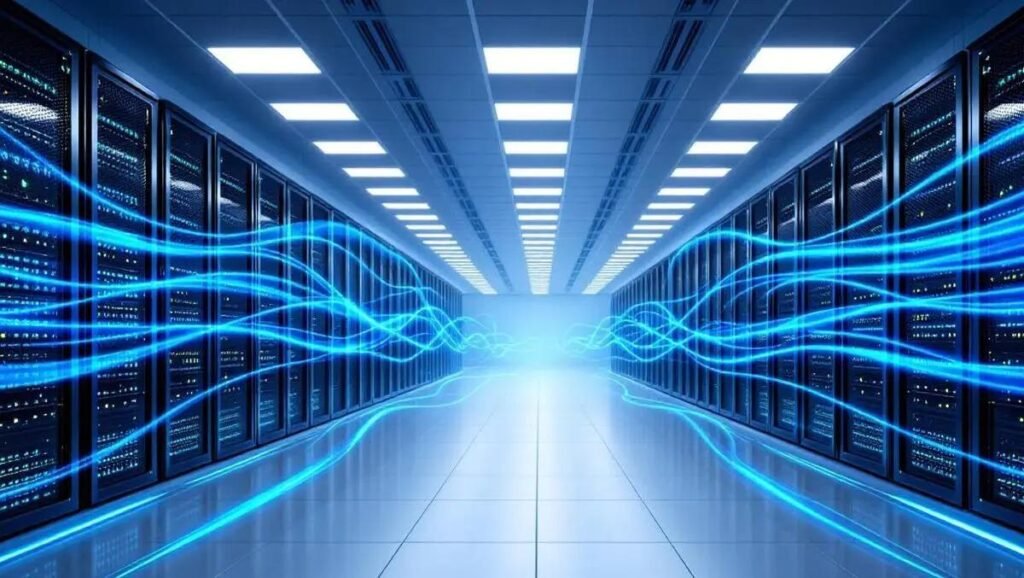
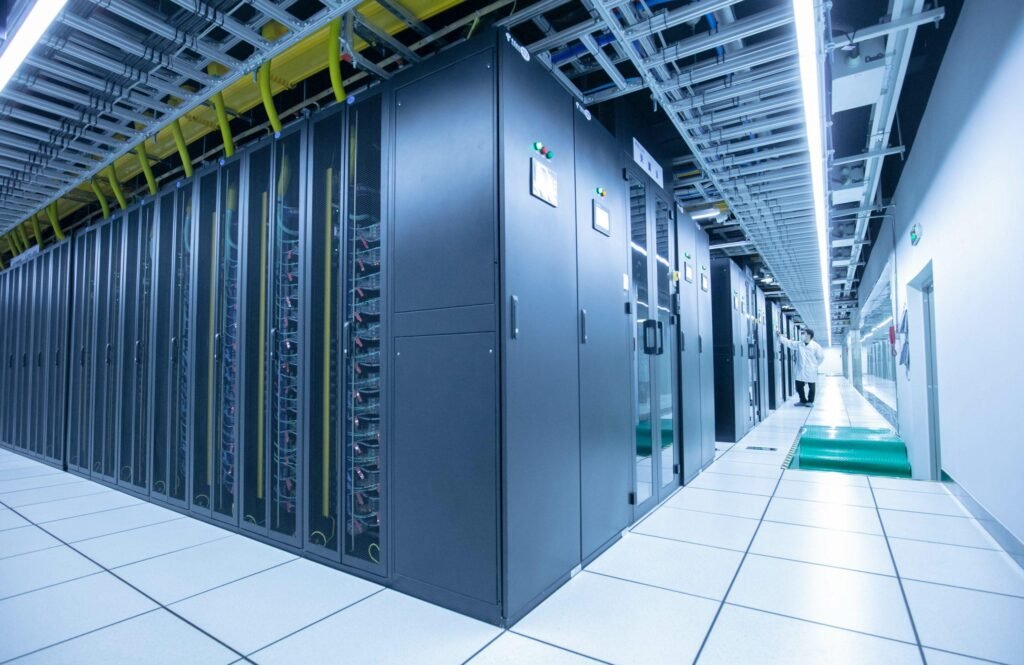
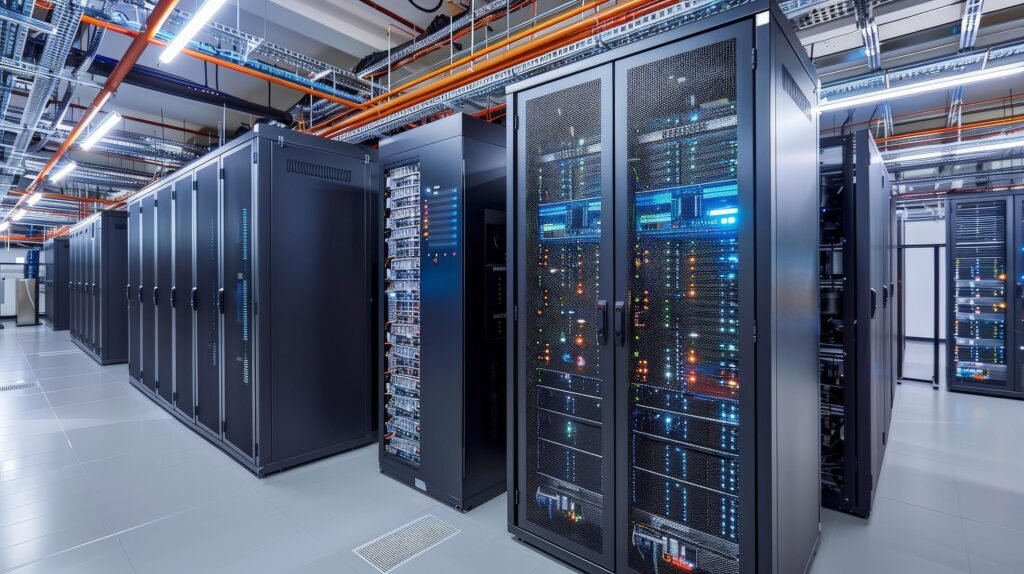
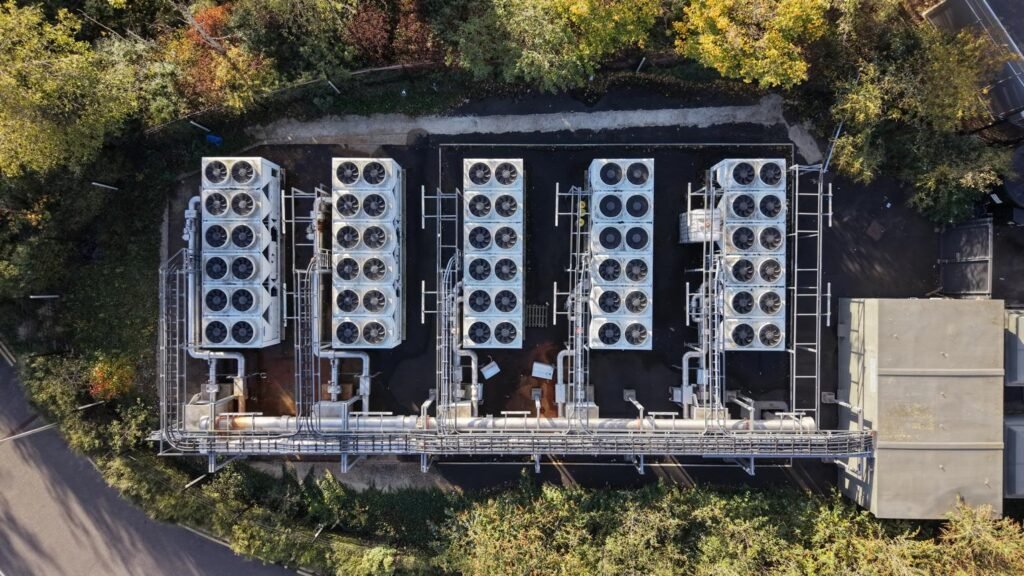
Every AI chatbot conversation, image generation request, video creation task and machine learning calculation requires computing power. That computing power comes from huge data centres packed with specialised processors operating around the clock.

The more advanced AI becomes, the more electricity it consumes.
The International Energy Agency (IEA) estimates that global electricity demand from data centres is expected to more than double by 2030, reaching around 945 terawatt-hours (TWh), roughly equivalent to Japan’s entire electricity consumption today. AI is expected to be the main driver of that growth.
That is not a minor increase.
That is an entirely new category of electricity demand appearing within a single decade. Human beings looked at the internet and somehow decided it was not using enough power, so now we have machines writing emails about meetings nobody wanted to attend in the first place.
Why AI Uses So Much Electricity
Training AI Models
Large AI systems such as those developed by companies like OpenAI, Google and Anthropic require enormous computing clusters.
Training a major AI model can involve thousands of graphics processing units (GPUs) operating continuously for weeks or months.
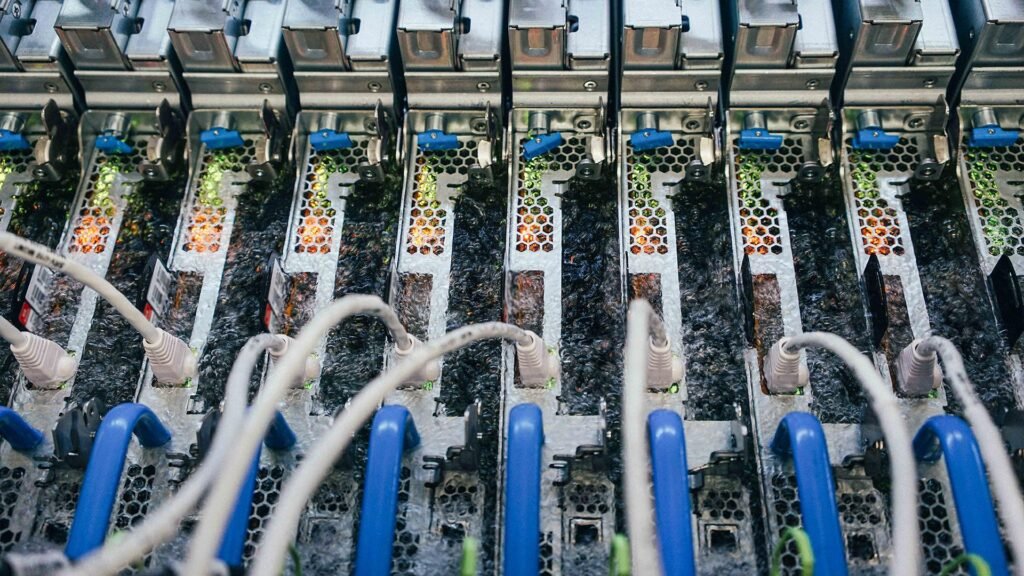
Those chips consume huge amounts of electricity and generate large amounts of heat.
Running AI Every Day
Training is only part of the story.
Once an AI model is released, millions of people begin using it every day.
Every question, image generation request and AI-assisted task requires servers to process information instantly.
This is known as inference, and it is becoming one of the largest long-term drivers of AI electricity demand.
The Scale Is Starting To Worry Energy Experts
The concern is not simply how much electricity AI consumes globally.
The real issue is where that demand appears.
Power grids are regional systems.
A country may have enough electricity overall but still struggle if several giant data centres suddenly connect in one area.
Recent research suggests AI infrastructure is becoming heavily concentrated in certain regions, creating localised pressure on electricity networks and grid infrastructure.
Ireland is often used as an example.
Data centres already account for a significant share of national electricity demand, raising questions about grid capacity, energy security and future expansion.

- Full control over your heating with the tado° app from anywhere, reduce your energy consumption and save money with the …
- Heating Boost: heat up all rooms for 30 minutes with one click in the app
- Smart Schedules for the perfect temperature individually in each room, at any time; only active when someone’s home; can…
The UK Could Face Similar Challenges
Britain is becoming increasingly attractive for AI investment.
The country offers:
- Strong digital infrastructure
- Major financial markets
- Skilled technology workers
- Expanding cloud services
- Government support for AI development
However, the UK grid is already dealing with:
- Electrification of transport
- Heat pump adoption
- Population growth
- Renewable integration challenges
- Ageing infrastructure in some regions
Adding large AI data centres into that mix creates additional pressure.

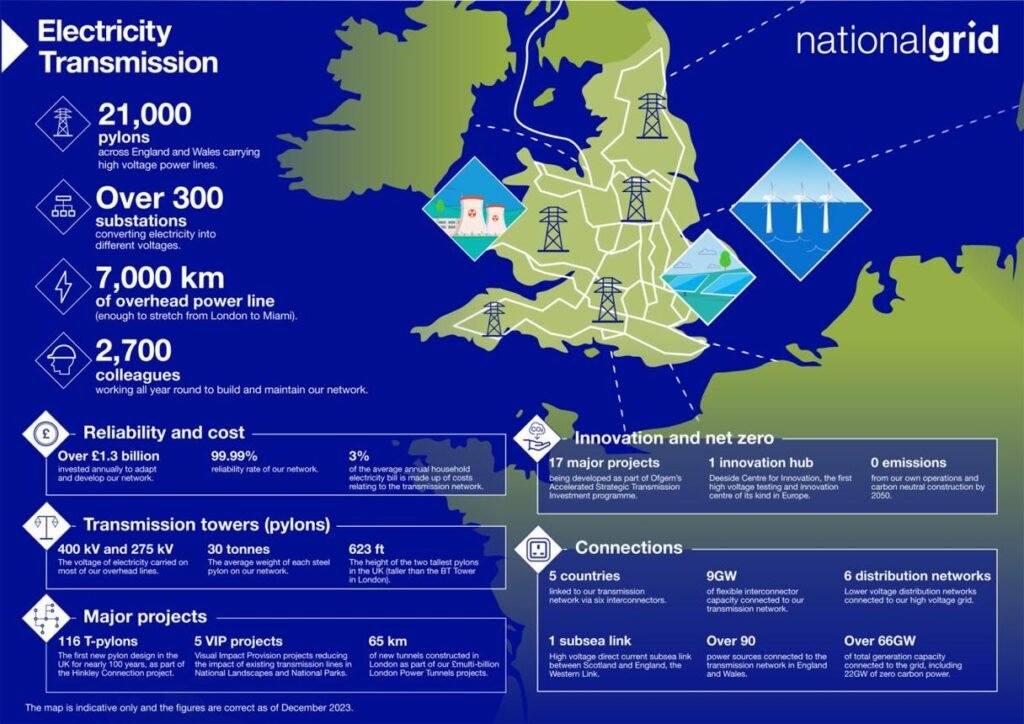
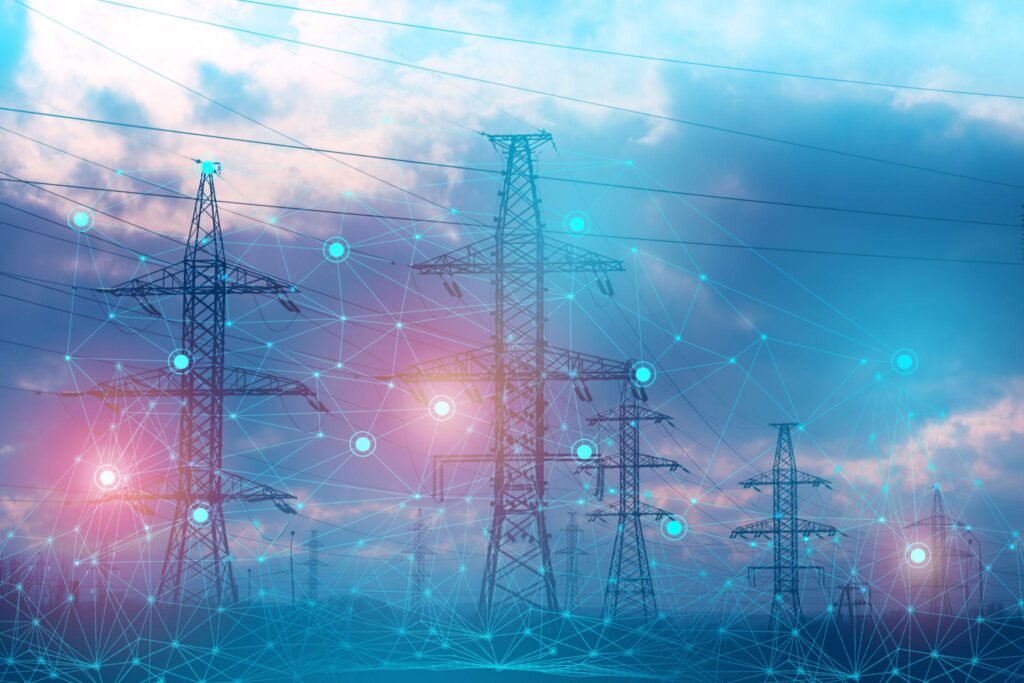
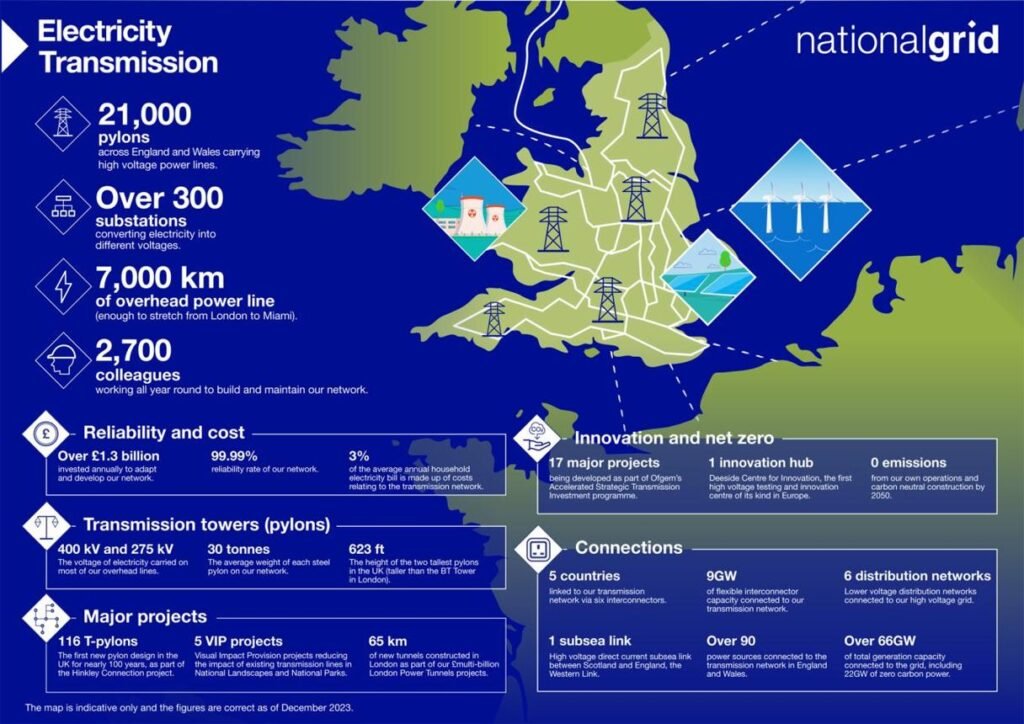
National Grid has already warned that future electricity demand could rise substantially as transport, heating and digital infrastructure become increasingly electrified.
AI may become one of the largest new contributors to that demand.
Is AI Bigger Than Electric Vehicles?
This is where things become interesting.
Electric vehicles receive most of the media attention because people can see them.
AI operates mostly behind closed doors inside data centres.
The IEA believes electricity demand from AI-driven data centres will grow faster than many other emerging electricity sectors during this decade.
In some countries, data centres are expected to account for a major share of overall electricity demand growth.
That means future energy planning increasingly revolves around:
- Data centres
- EV charging
- Heat pumps
- Industrial electrification
Rather than just traditional household consumption.

- Installs in circuit panel of most small businesses with clamp-on sensors. Supports Single phase, Single-split phase, and…
- 24/7 Energy Management and Monitoring: Automate and monitor your business’ real power anywhere, anytime to prevent costl…
- Lower Your Electric Bill: Configure settings in the Emporia Energy App to automate energy management for time of use, pe…
Why Tech Companies Are Buying Energy Assets
Technology firms are no longer acting like ordinary software companies.
They are beginning to behave more like utilities.
Major firms are signing long-term energy agreements and investing in nuclear, renewable and battery projects because electricity availability has become a strategic asset.
Without power, there is no AI.
The IEA has stated clearly that AI’s future growth is directly linked to electricity supply.
This explains why companies increasingly pursue:
- Nuclear power partnerships
- Renewable energy contracts
- Battery storage investments
- Direct energy procurement agreements
The race for AI leadership is increasingly becoming a race for electricity.
The Water Problem Nobody Talks About
Electricity is only part of the equation.
AI data centres also require cooling.
Many facilities use significant amounts of water to prevent servers overheating.
As data centre numbers increase, water consumption becomes another environmental concern.
Recent reports have warned that rapidly expanding data centre infrastructure could place substantial pressure on regional water supplies in some locations.

For countries already facing drought risks or population growth pressures, this could become a major political issue.
Could AI Actually Help Solve The Energy Problem?
Ironically, yes.
AI is also becoming one of the most powerful tools available for improving energy efficiency.
Potential benefits include:
Smarter Electricity Grids
AI can help utilities forecast demand, balance supply and reduce waste.
Renewable Energy Optimisation
AI can improve solar and wind forecasting, making renewable energy systems more reliable.
Faster Energy Innovation
Researchers are already using AI to accelerate battery development, materials science and energy system modelling.
Industrial Efficiency
Factories can use AI to optimise production and reduce unnecessary energy consumption.
The IEA argues that AI could eventually offset part of its own energy footprint through efficiency gains across the wider economy.
That remains one of the biggest unknowns.
Why Comparisons To Electrification Are Not Completely Crazy
The original electrification era transformed:
- Manufacturing
- Transport
- Homes
- Communication
- Economic growth
AI has the potential to influence:
- Knowledge work
- Research
- Healthcare
- Energy systems
- Finance
- Government services
- Manufacturing
The comparison is not really about total electricity demand.
It is about economic transformation.
Both technologies fundamentally change how societies operate.
The difference is that electrification took generations.
AI adoption is happening in real time.
- Learning function
The Real Risk Is Infrastructure Lag
The biggest threat is not necessarily running out of electricity.
The bigger problem is infrastructure struggling to keep pace.
New power stations take years to build.
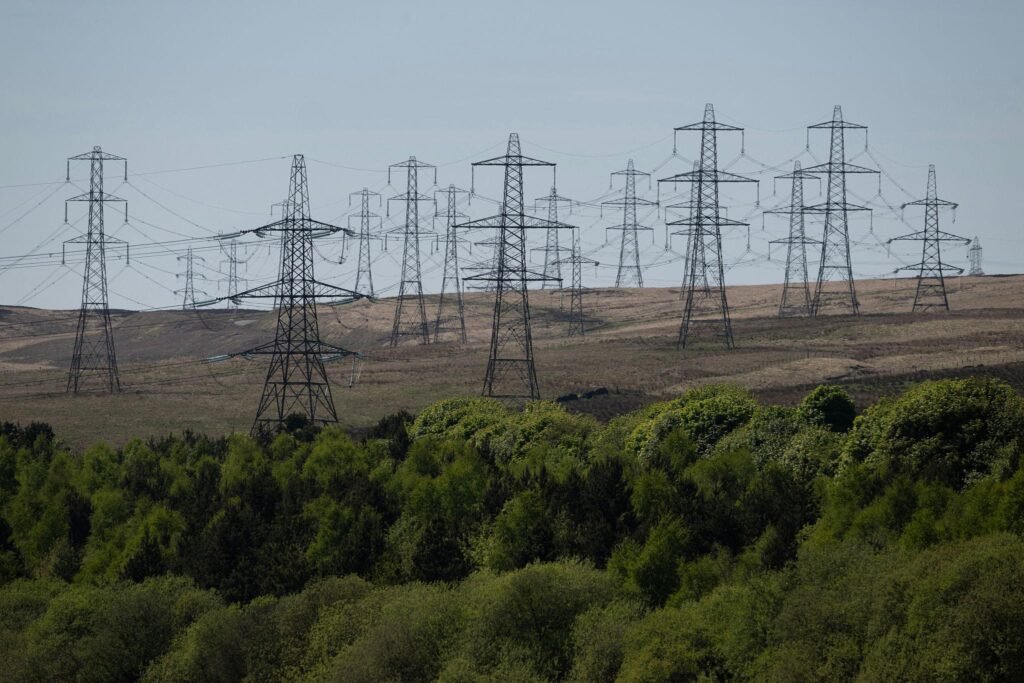
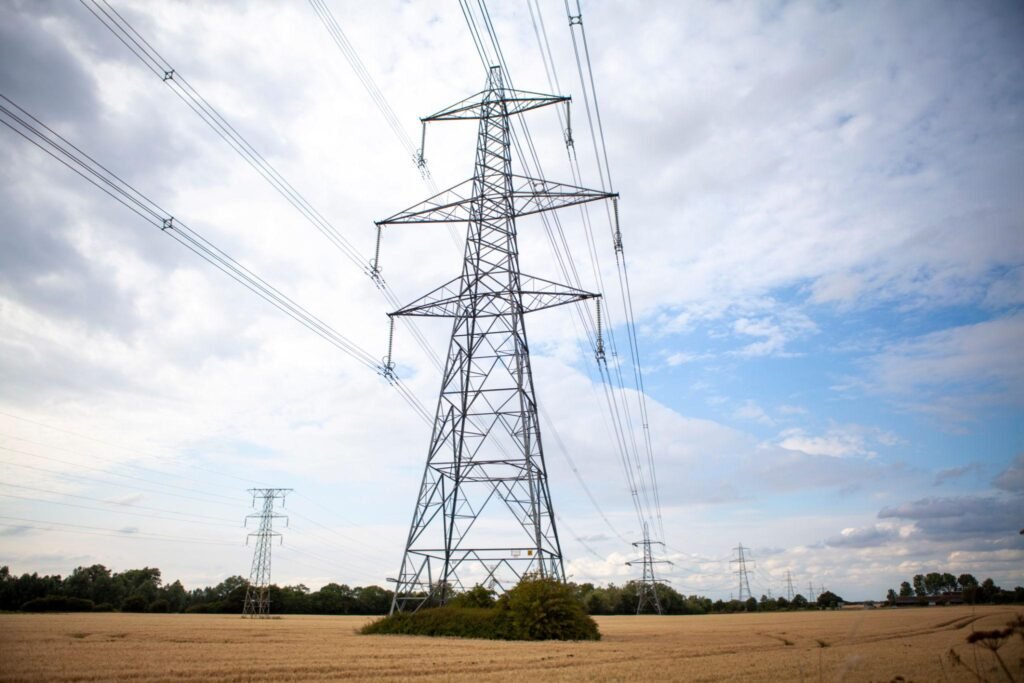
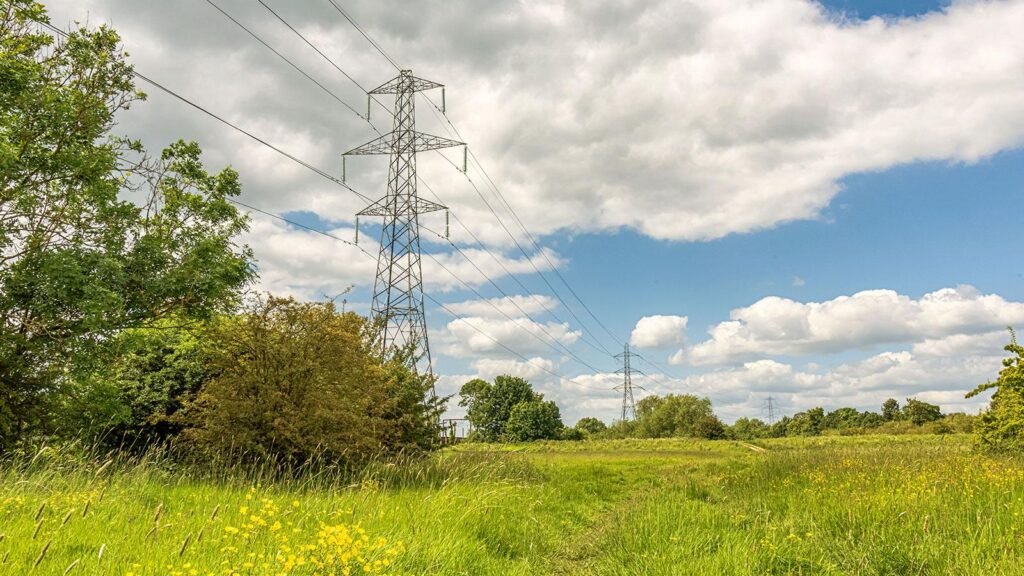
Transmission lines can take a decade or more.
Grid upgrades require planning approvals, investment and construction.
AI demand is growing far faster.
Recent IEA analysis suggests that data centre electricity demand could exceed 1,000 TWh globally by 2030, depending on growth scenarios.
That means governments must decide quickly:
- Build more renewables?
- Expand nuclear generation?
- Increase gas-fired generation?
- Invest heavily in storage?
- Upgrade transmission networks?
Every option involves difficult trade-offs.
Humanity spent decades arguing about where to build a bypass road. Now entire countries are debating how to power digital brains that generate pictures of Victorian cats working in accounting departments.
Final Verdict
Could AI become the biggest energy challenge since electrification?
There is a strong argument that it already is.
Not because AI consumes more electricity than everything else, but because it combines three difficult problems at once:
- Massive new electricity demand
- Extremely rapid growth
- Concentrated pressure on local grids
The challenge is not simply generating enough power.
It is generating it in the right places, at the right time, without causing major increases in costs, emissions or grid instability.
The next decade will likely determine whether AI becomes a catalyst for smarter, cleaner energy systems or a source of growing pressure on already stretched infrastructure.
One thing is increasingly clear: the future of artificial intelligence will depend just as much on power stations, transmission lines and energy policy as it does on software engineers and computer chips.
Because despite all the futuristic marketing, AI still has one stubborn weakness.
It cannot function when somebody pulls the plug.
References
- International Energy Agency (IEA) – Energy and AI Report
- IEA – AI Electricity Demand Forecasts
- Carbon Brief – AI Data Centre Energy Analysis
- Nature – Data Centres Will Use Twice As Much Energy By 2030
- International Energy Agency Official Website
AI Playbooks
We have created Professional High Quality Downloadable PDF’s at great prices specifically for Personal or Business use in the UK. Which include help and advice on understanding what Artificial Intelligence is all about and how it can improve your business. Find them here.