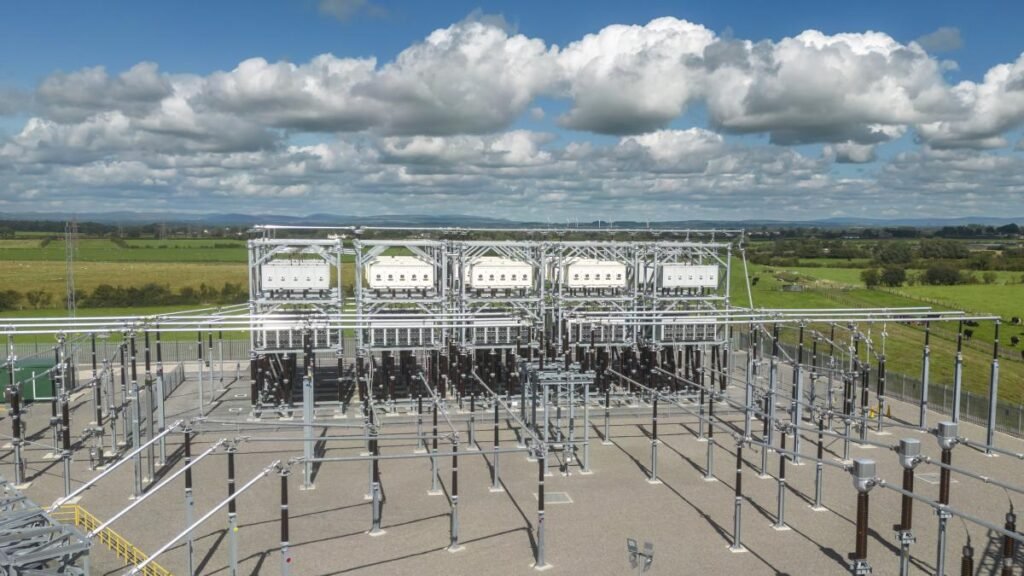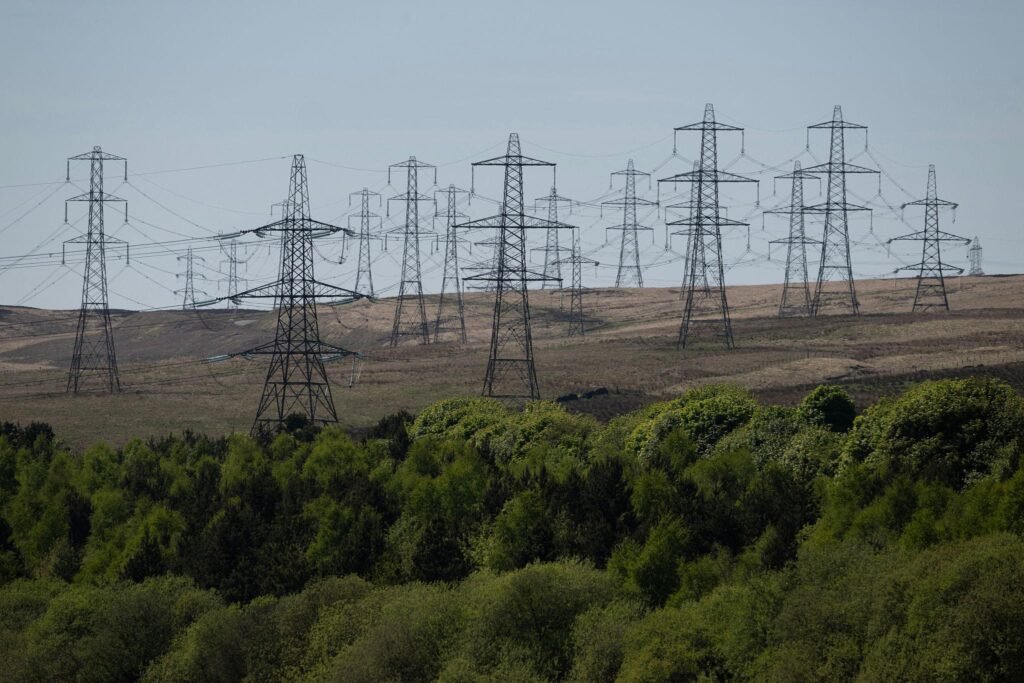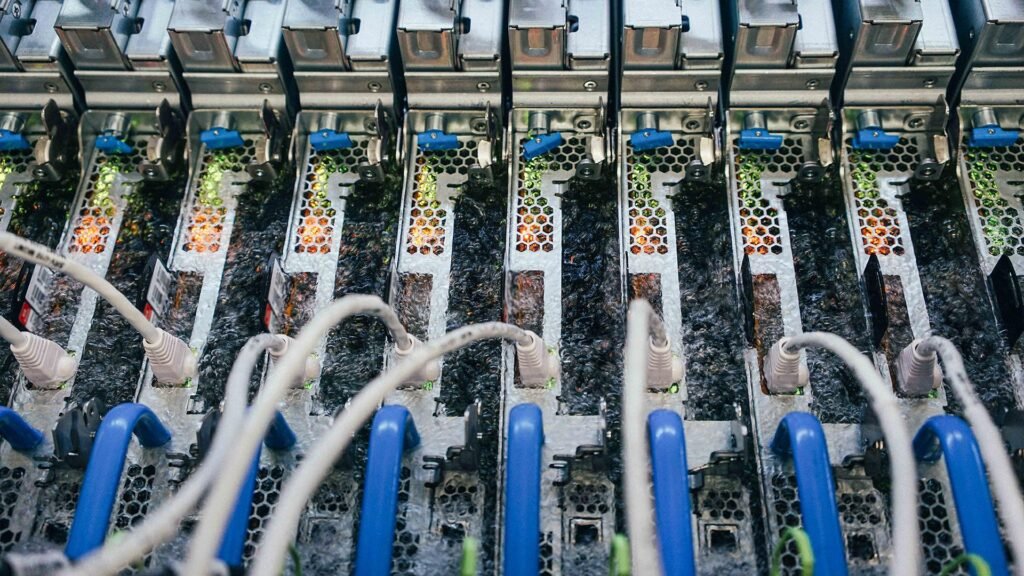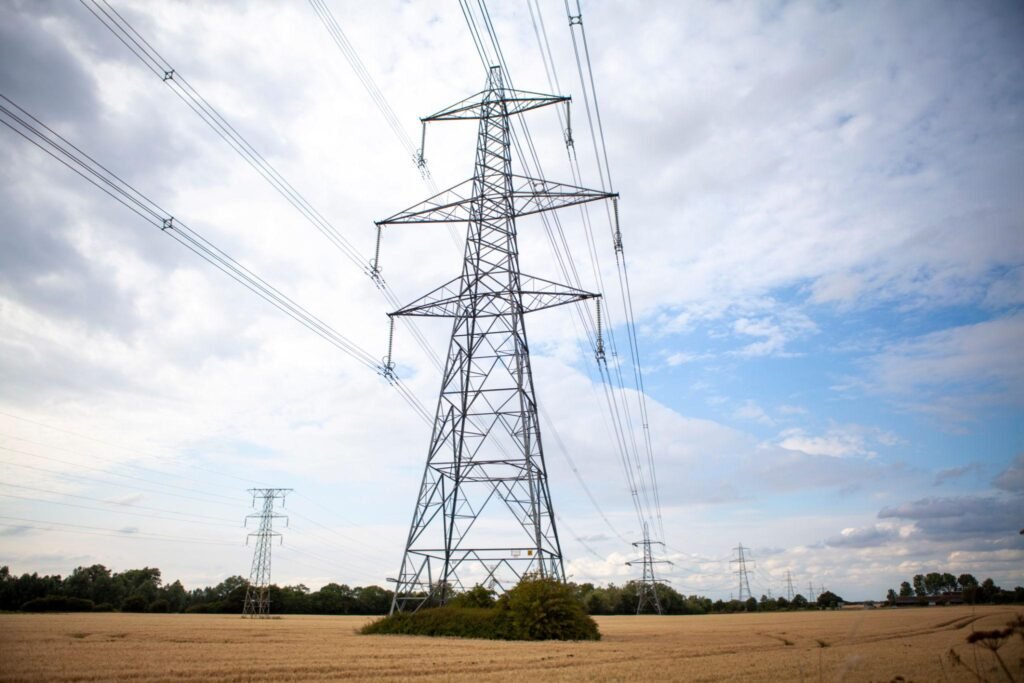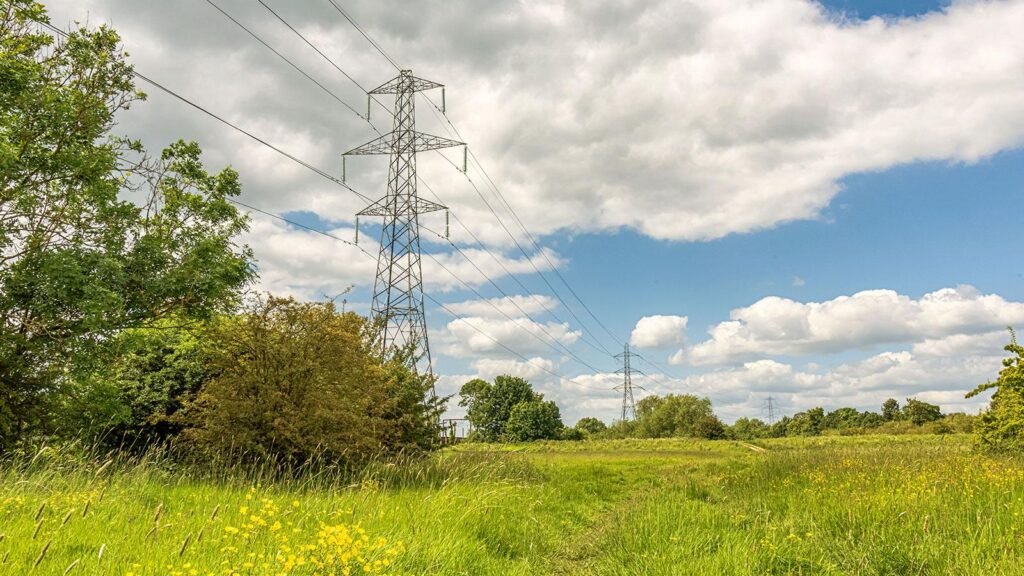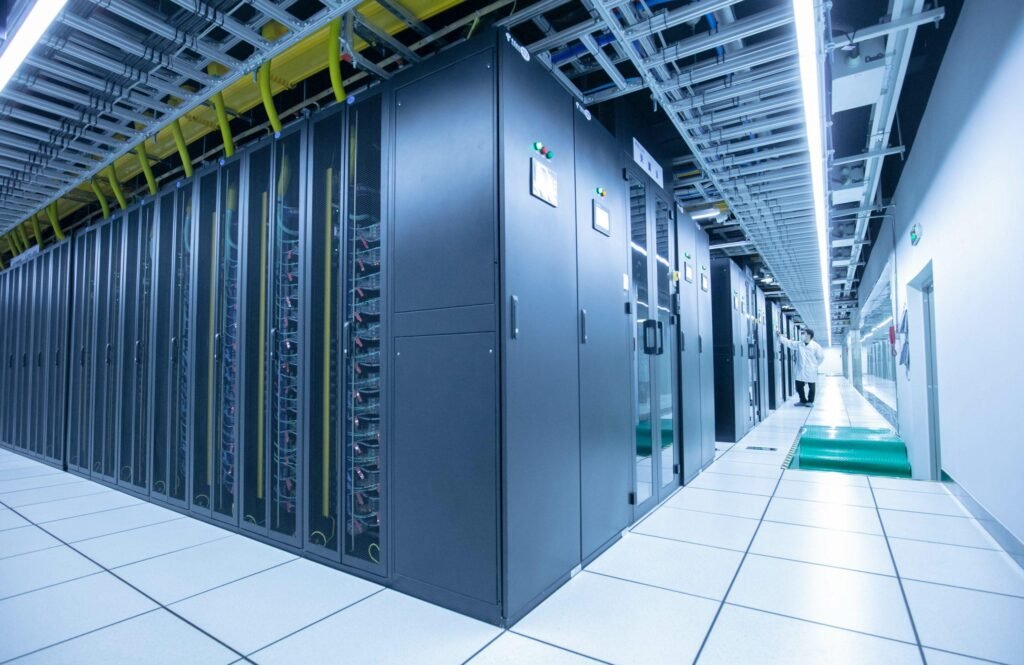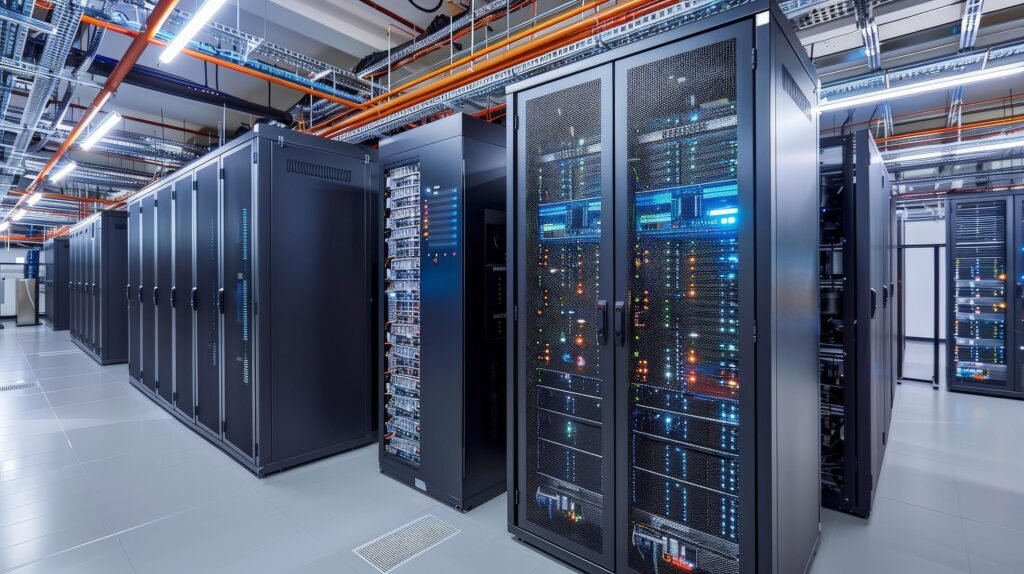
Artificial intelligence is rapidly becoming one of the biggest drivers of electricity demand in Britain. While many people think about AI as software running in the cloud, the reality is far more physical. Every AI query, image generation request, large language model training run and automated business process ultimately depends on huge data centres consuming vast amounts of power.
As Britain competes to attract AI investment, certain regions are emerging as major AI power hubs. These areas offer a combination of grid capacity, fibre connectivity, available land, skilled workers and access to renewable energy.
The result is a growing concentration of AI infrastructure that could reshape local economies, electricity networks and investment patterns for decades to come.
This trend links directly with our analysis of AI Energy Usage in the UK by 2030, which explores how rapidly AI-related electricity demand is expected to grow.
Why AI Power Hubs Matter
AI Requires Vast Amounts of Electricity
Traditional data centres already consume significant energy, but AI workloads require substantially more computing power.
Training advanced AI models can involve tens of thousands of specialised processors operating continuously for weeks or months. Once deployed, these systems continue consuming electricity every time users interact with them.
Major cloud providers are now searching for locations capable of supporting facilities requiring hundreds of megawatts of power.
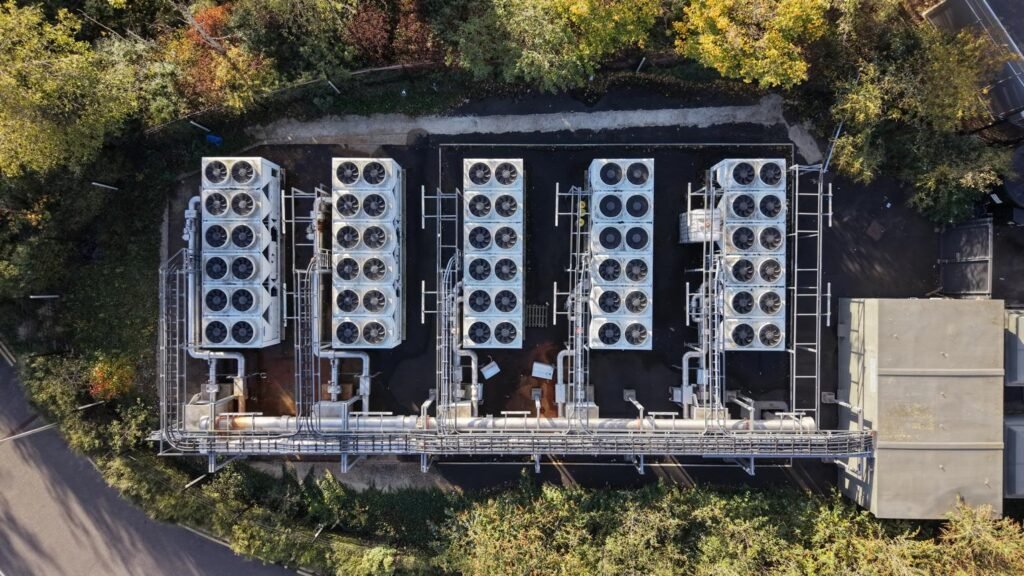
To put this into perspective, a single large AI-focused data centre can consume electricity equivalent to a medium-sized town.
London and the M25 Corridor

- Back-UPS BX provides guaranteed power and surge protection for desktop computers, wireless networks, gaming consoles and…
- 700 VA/390 Watts – Automatic Voltage Regulation (AVR)
- PowerShute shutdown software – USB Connector
Britain’s Largest AI Infrastructure Cluster
London remains the UK’s dominant digital hub.
The areas surrounding the M25 already host the country’s largest concentration of data centres, particularly in:
- Slough
- Hayes
- Hounslow
- Enfield
- Docklands
- Hemel Hempstead
These locations benefit from:
- Exceptional fibre connectivity
- Proximity to financial markets
- Large enterprise customers
- International internet exchange points
- Skilled technology workforces
Many of Britain’s AI services are currently hosted within facilities located around the capital.
Growing Power Constraints
Ironically, London’s success is creating challenges.
Grid connection delays have become increasingly common, with some developers facing long waits for new electricity capacity.
This issue directly relates to What Happens if AI Outgrows the Power Grid?, where the strain created by AI expansion is examined in greater detail.

The Thames Estuary and East London Growth Zone
Emerging Mega-Scale Opportunity
The Thames Estuary region is increasingly viewed as a strategic location for future AI growth.
Advantages include:
- Large development sites
- Existing transmission infrastructure
- Access to subsea cables
- Strong transport links
- Regeneration incentives
Several large-scale data centre projects have been proposed across East London, Essex and Kent.
Industry analysts increasingly see the Thames Estuary as one of Britain’s most significant future AI infrastructure zones.
The North West: Manchester and Cheshire
Becoming a Serious AI Contender
Manchester has quietly become one of Britain’s most important technology regions.
The area benefits from:
- Strong university research
- Growing AI businesses
- Lower land costs
- Excellent connectivity
- Expanding power infrastructure
Cheshire is also attracting significant attention because of its existing energy infrastructure and available development land.
Many investors view the North West as a more scalable alternative to the increasingly constrained South East.

- SAVES ENERGY AND HEATING COSTS: With the intelligent heater thermostat X from tado°, the experts for smart heating, user…
- EASY DIY INSTALLATION, EVEN OFFLINE: The included adapter allows the thermostat to be fitted to almost every radiator va…
- CONTROL VIA APP: The thermostat has numerous features for your heating system, such as smart scheduling, temperature con…
Yorkshire and Leeds
Digital Growth Meets Energy Availability
Yorkshire offers a compelling combination of factors:
- Strong business community
- Major fibre networks
- Growing technology sector
- Comparatively lower operating costs
Leeds has become a leading centre for fintech and digital innovation, creating demand for AI services and supporting infrastructure.
The region also benefits from proximity to substantial renewable generation assets across northern England.

Scotland
Renewable Energy Superpower
Scotland possesses one advantage that few regions can match: abundant renewable electricity.
The country generates significant amounts of:
- Onshore wind power
- Offshore wind power
- Hydroelectric power
As AI operators increasingly seek low-carbon energy sources, Scotland is becoming highly attractive.
Major technology companies are showing growing interest in locations capable of providing both power and sustainability credentials.
Challenges Remain
The main obstacle is transmission infrastructure.
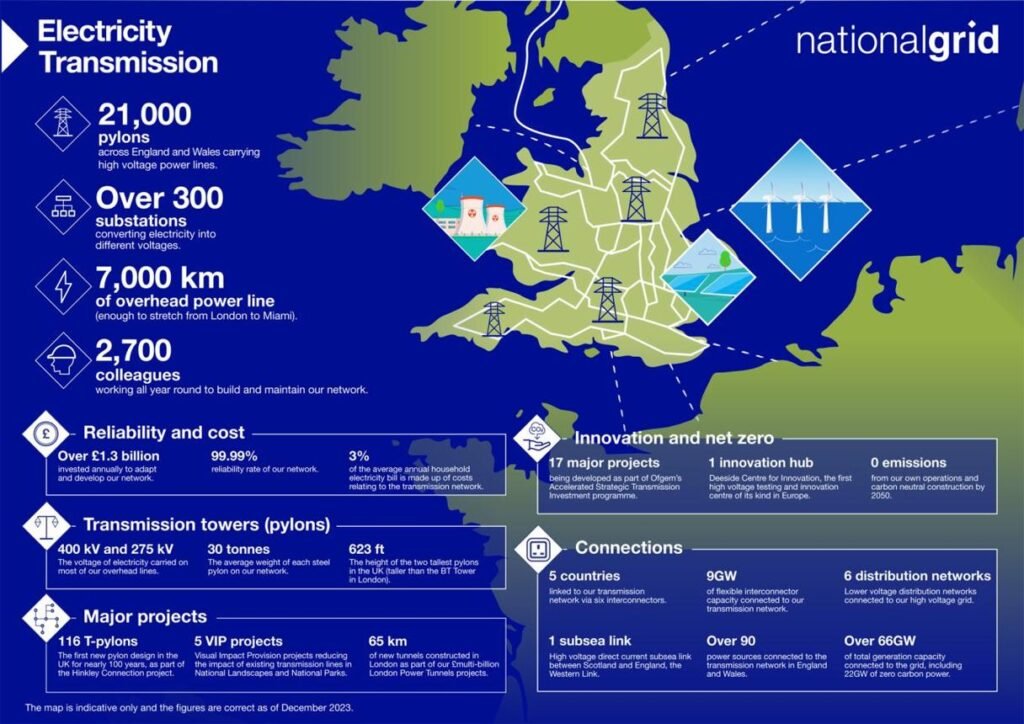
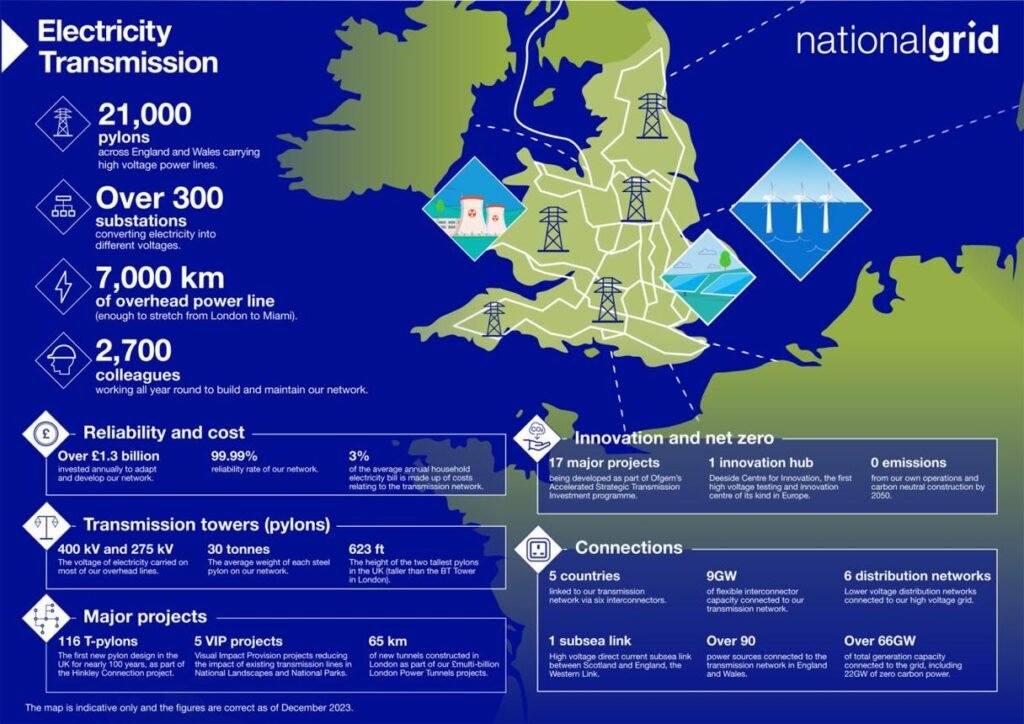
Large volumes of renewable electricity generated in Scotland must often be transported south to demand centres.
Future grid upgrades could make Scotland substantially more attractive for AI infrastructure investment.
This connects closely with our article Could AI Help Britain Reach Net Zero Faster?, which examines how AI and renewable energy may develop together.
The North East
Britain’s Emerging Energy Technology Corridor
The North East is increasingly attracting attention because of:
- Offshore wind development
- Port infrastructure
- Industrial land availability
- Lower property costs
- Energy-sector expertise
Areas around Newcastle and Teesside are positioning themselves as future centres for digital infrastructure investment.
Teesside in particular is benefiting from wider industrial decarbonisation projects and major energy investments.
South Wales
Hidden AI Infrastructure Potential
South Wales has quietly developed a strong digital infrastructure base.
Benefits include:
- Competitive land costs
- Renewable energy opportunities
- Existing fibre networks
- Proximity to major population centres
Several large-scale data centre developments have already been announced in the region.
As electricity demand from AI grows, South Wales could become increasingly important.

Why Energy Availability Is Becoming More Important Than Location
The New AI Site Selection Formula
Historically, data centres were built close to major cities.
AI is changing this logic.
Developers increasingly prioritise:
- Electricity availability
- Grid connections
- Renewable energy access
- Cooling opportunities
- Future expansion potential
In many cases, power availability now matters more than physical proximity to customers.
This explains why previously overlooked regions are suddenly attracting attention from global technology companies.
Could New AI Hubs Increase Local House Prices?
The Economic Impact
Large AI developments bring:
- Construction jobs
- Skilled technology roles
- Infrastructure investment
- Business growth
- Increased local spending
Some regions may experience upward pressure on property values as investment flows into local economies.
However, the impact is likely to vary significantly depending on the scale of development and existing housing supply.

- [Fastest Charging in the Industry] – Fully recharge using an AC outlet in only 70 minutes with EcoFlow’s X-Stream fast c…
- [Power 80% of Your Appliances] – With an output of up to 1600W, run 80% off all your appliances, even high wattage ones….
- [LFP Long-Life Battery] – Using LFP battery cells, use and recharge RIVER 2 Pro more than 3000 times before hitting 80%….
Environmental Questions
Not Everyone Supports Expansion
While AI investment can boost economic growth, concerns remain around:
- Electricity consumption
- Water usage
- Land use
- Carbon emissions
- Grid capacity
These concerns are explored further in Are AI Data Centres Good or Bad for the Environment?
The challenge for policymakers is balancing economic opportunity with sustainability and energy security.
The Real-World Outlook
Britain is entering the early stages of an AI infrastructure race.
London will remain the dominant hub for the foreseeable future, but future growth is increasingly likely to spread across:
- Thames Estuary
- Manchester and Cheshire
- Yorkshire
- Scotland
- North East England
- South Wales
The biggest winners may not necessarily be the regions with the strongest technology sectors today, but those able to provide large amounts of reliable electricity at competitive prices.
In the coming decade, access to power could become as important to regional economic development as access to roads, railways and ports once was.
For investors, businesses and local communities, understanding where these AI power hubs are emerging may prove critical, because the next generation of Britain’s digital economy will ultimately be built wherever the electricity is available.
References and Further Reading
- National Grid Future Energy Scenarios
- Ofgem Energy Network Planning Reports
- Department for Science, Innovation and Technology AI Infrastructure Strategy
- TechUK Data Centre and AI Infrastructure Reports
- Energy Networks Association Future Electricity Demand Analysis
This is one of the most important shifts happening in Britain right now. Humans tend to imagine AI as something floating around in cyberspace. Meanwhile, developers are quietly hunting for enough electricity to power what increasingly resembles a new industrial revolution wearing a hoodie.