Artificial Intelligence is rapidly becoming one of the largest new consumers of electricity in the modern world. Data centres powering AI systems such as chatbots, image generators, autonomous systems and advanced analytics require enormous amounts of electricity, and demand is growing at a pace few governments or energy companies predicted.
The question is no longer whether AI will increase energy demand. The real question is what happens if AI grows faster than the power grid can support it.
For the UK, this is becoming a significant challenge. National Grid, energy suppliers, government planners and technology companies are all trying to solve a problem that resembles the early days of electrification, when demand for power suddenly exploded across industry and households.
AI Is Consuming More Electricity Every Year
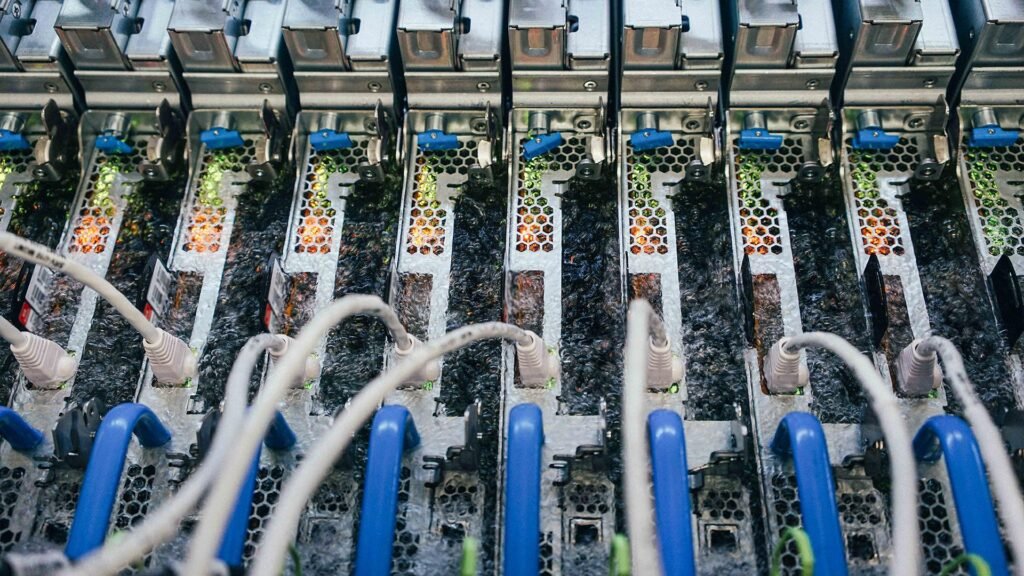
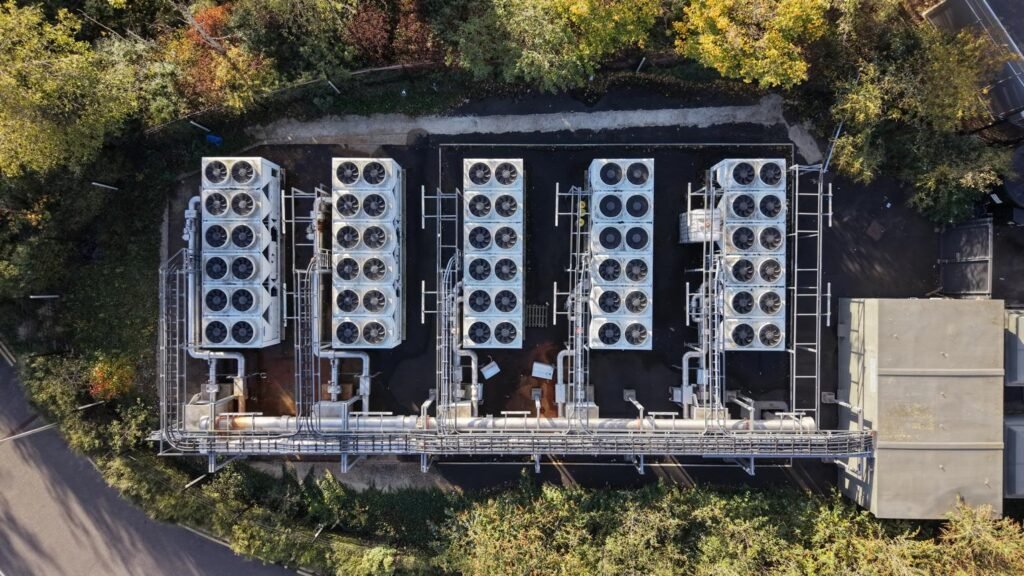
AI workloads require vast numbers of specialised processors running continuously inside data centres.
Unlike traditional office software, AI systems perform billions or trillions of calculations when training and operating large models.
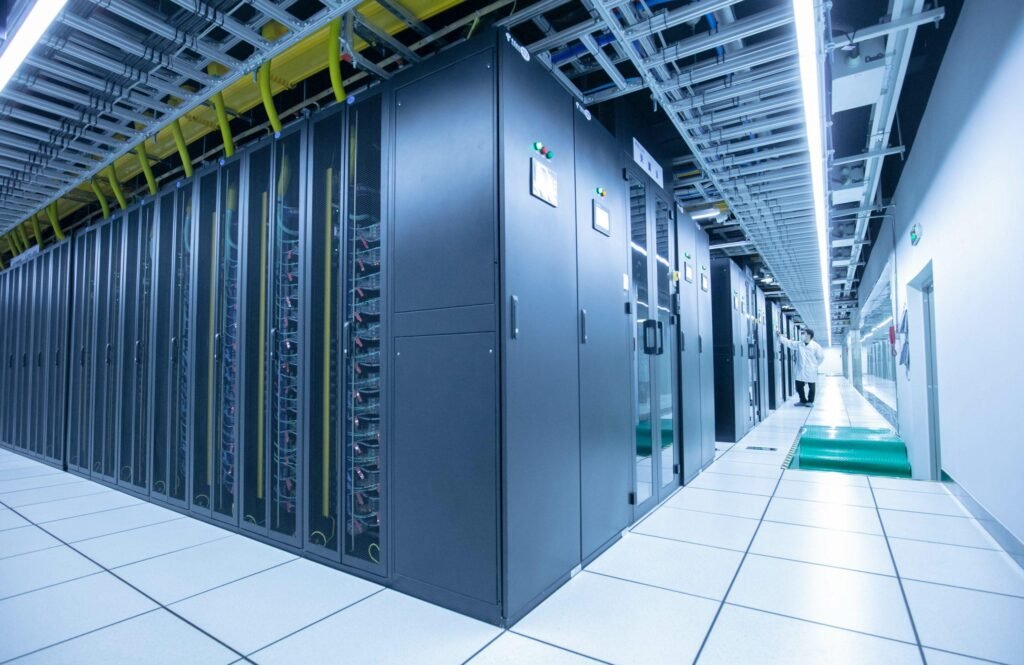
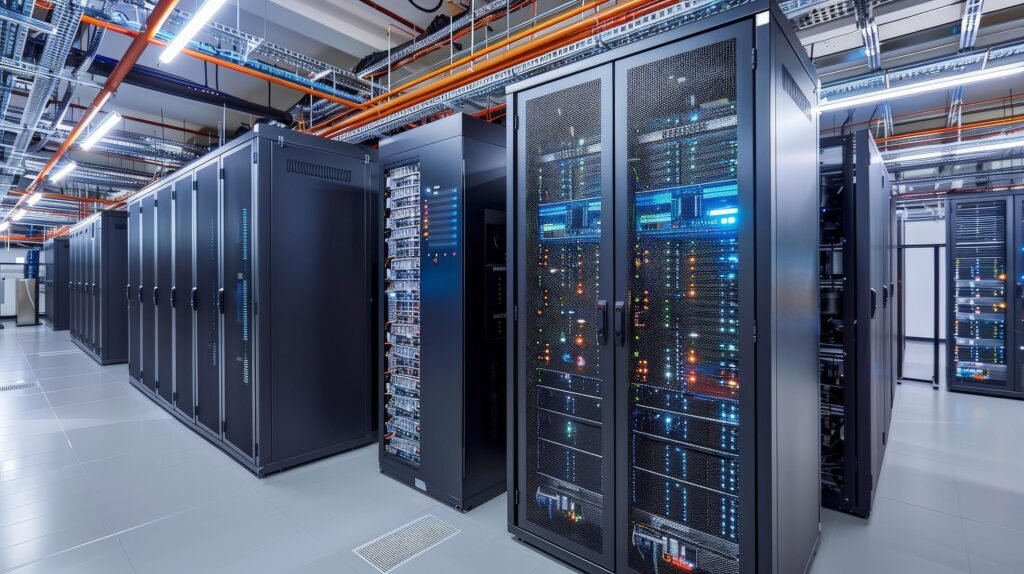
[INSERT IMAGE HERE – Modern AI Data Centre]

Some of the world’s largest technology firms are investing tens of billions of pounds into AI infrastructure.
Major AI data centres can consume as much electricity as a medium-sized town.
In the UK, data centre electricity demand is expected to rise significantly during the next decade as AI adoption increases across:
- Financial services
- Healthcare
- Manufacturing
- Defence
- Retail
- Government
- Transport
- Scientific research
The challenge is that electricity infrastructure cannot be expanded overnight.
Why The Grid Cannot Grow As Fast As AI
Building Power Infrastructure Takes Years
Developing new electricity generation capacity is a lengthy process.
A new:
- Nuclear power station
- Offshore wind farm
- Gas-fired power plant
- Major transmission line
can take between five and fifteen years from planning to operation.
AI demand, however, can increase dramatically within months.
Technology companies can build and fill a new data centre much faster than governments can construct power infrastructure.
This creates a growing mismatch between supply and demand.
Grid Connections Are Already Under Pressure
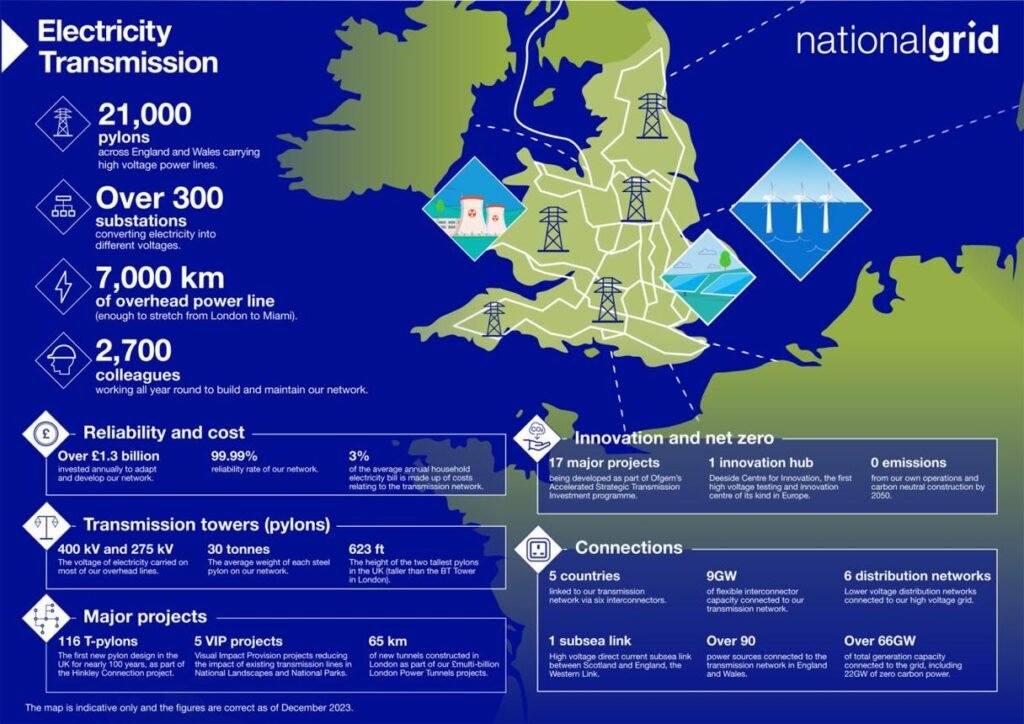
One of the biggest problems facing the UK is grid connection delays.
Many renewable energy projects and industrial developments are already waiting years for grid connections.
Adding large AI facilities creates further pressure on the system.
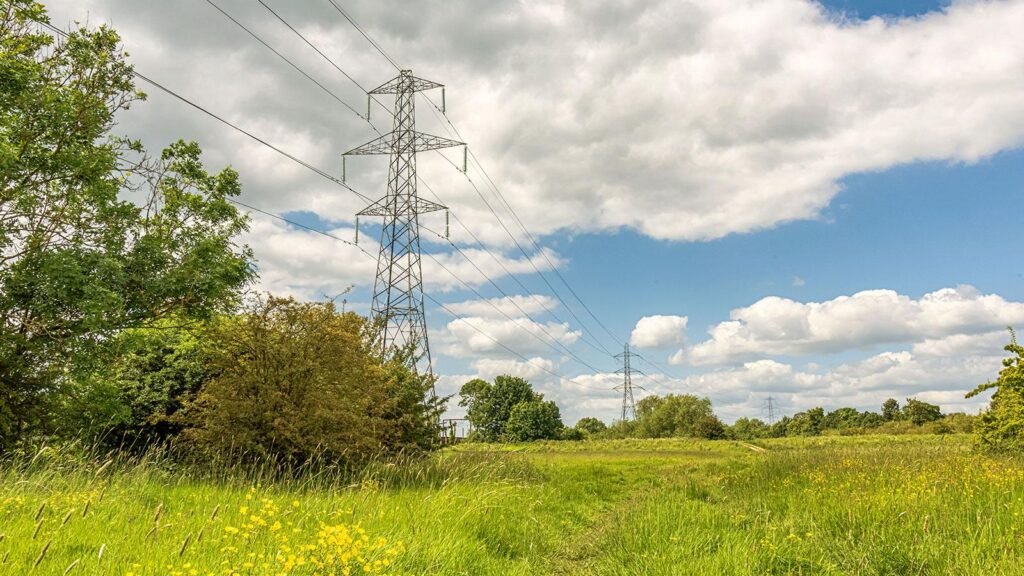
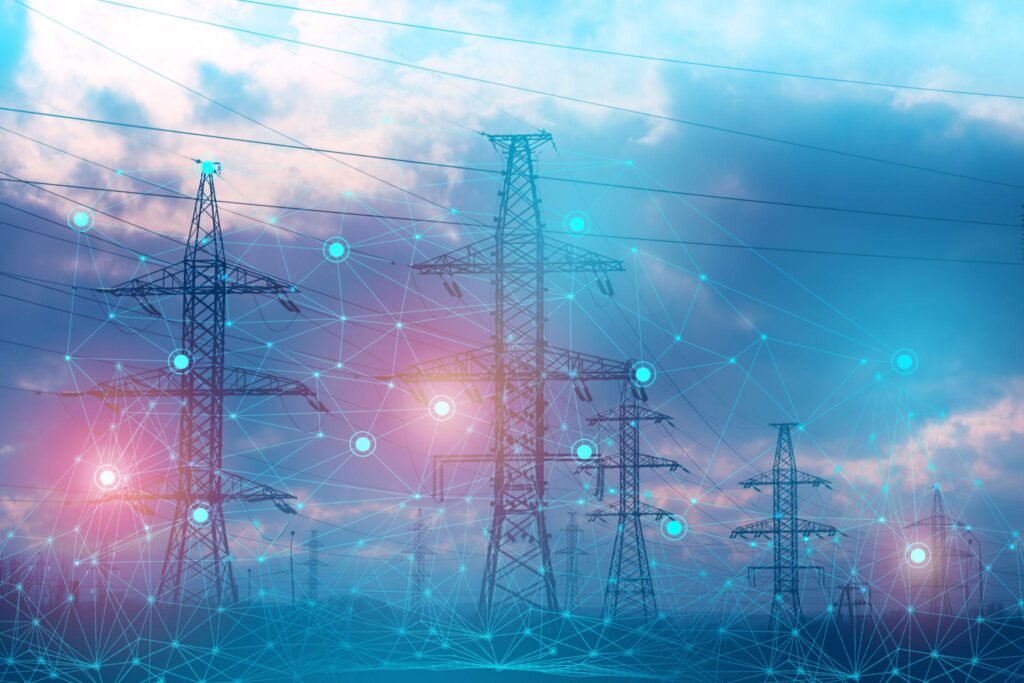
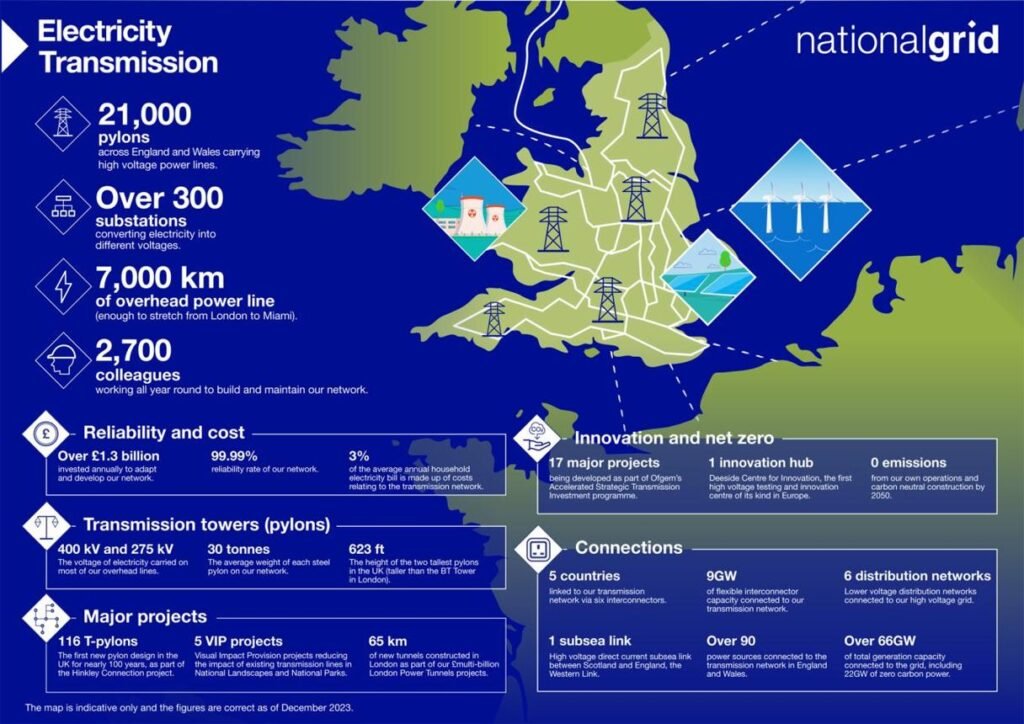
[INSERT IMAGE HERE – UK Electricity Grid]

In some regions, there is insufficient transmission capacity to support major new power users.
This means AI facilities may have to wait years before receiving the electricity capacity they need.
What Happens If Demand Exceeds Supply?
Electricity Prices Rise
The first impact is usually higher energy costs.
When electricity demand increases faster than supply, wholesale energy prices rise.
Businesses compete for available power.
Consumers often end up paying higher bills.
This is basic economics, but on a national scale.
The UK experienced similar effects during periods of energy market stress following the global energy crisis in 2022.
If AI demand accelerates significantly, it could add further upward pressure to electricity prices.

- Full control over your heating with the tado° app from anywhere, reduce your energy consumption and save money with the …
- Heating Boost: heat up all rooms for 30 minutes with one click in the app
- Smart Schedules for the perfect temperature individually in each room, at any time; only active when someone’s home; can…
Priority Users Receive Power First
National electricity systems are designed to protect critical infrastructure.
If electricity becomes scarce, priority is generally given to:
- Hospitals
- Emergency services
- Water companies
- Essential government services
- Key infrastructure
Large industrial users and commercial facilities may face restrictions before residential consumers.
AI data centres could potentially be asked to reduce consumption during periods of peak demand.
Data Centre Growth Slows
Technology firms may simply be unable to obtain enough electricity.
This is already occurring in some parts of the world.
Several regions in the United States have delayed or rejected new data centre projects because local grids could not provide sufficient capacity.
The same scenario could occur in parts of Britain.
Projects may be postponed until additional generation and transmission capacity becomes available.
Could AI Cause Blackouts?
This is one of the most common concerns.
The answer is generally no, but indirectly it could increase risks if infrastructure investment fails to keep pace.
Modern grids are designed with significant safeguards.
National Grid continuously balances supply and demand.
If demand becomes excessive, operators have various tools available:
- Demand response programmes
- Backup generation
- Battery storage
- Interconnectors with Europe
- Temporary industrial restrictions
[INSERT IMAGE HERE – Grid Control Centre]

Blackouts would usually occur only if multiple failures happened simultaneously:
- Insufficient generation
- Transmission bottlenecks
- Extreme weather
- Equipment failures
- Unexpected demand spikes
AI alone is unlikely to cause nationwide blackouts.
However, AI could contribute to increased stress on the system if energy infrastructure expansion falls behind demand growth.
- Learning function
Why Technology Companies Are Buying Energy Assets
Many AI firms have realised they cannot simply rely on existing grids.
As a result, some are investing directly in energy generation.
Examples include investments in:
- Nuclear power
- Small Modular Reactors (SMRs)
- Solar farms
- Wind projects
- Battery storage
- Long-term power purchase agreements
Technology companies increasingly view electricity as a strategic resource.
Some executives now describe access to energy as being as important as access to computer chips.
This would have sounded unusual a decade ago, but it is becoming normal in the AI era.
What Could The UK Do To Avoid The Problem?
Build More Generation
The most obvious solution is increasing electricity supply.
This includes:
- Offshore wind
- Nuclear power
- Solar generation
- Flexible gas generation
- Energy storage
Britain already has ambitious renewable energy plans, but deployment must accelerate if AI demand grows as projected.
Upgrade The Grid
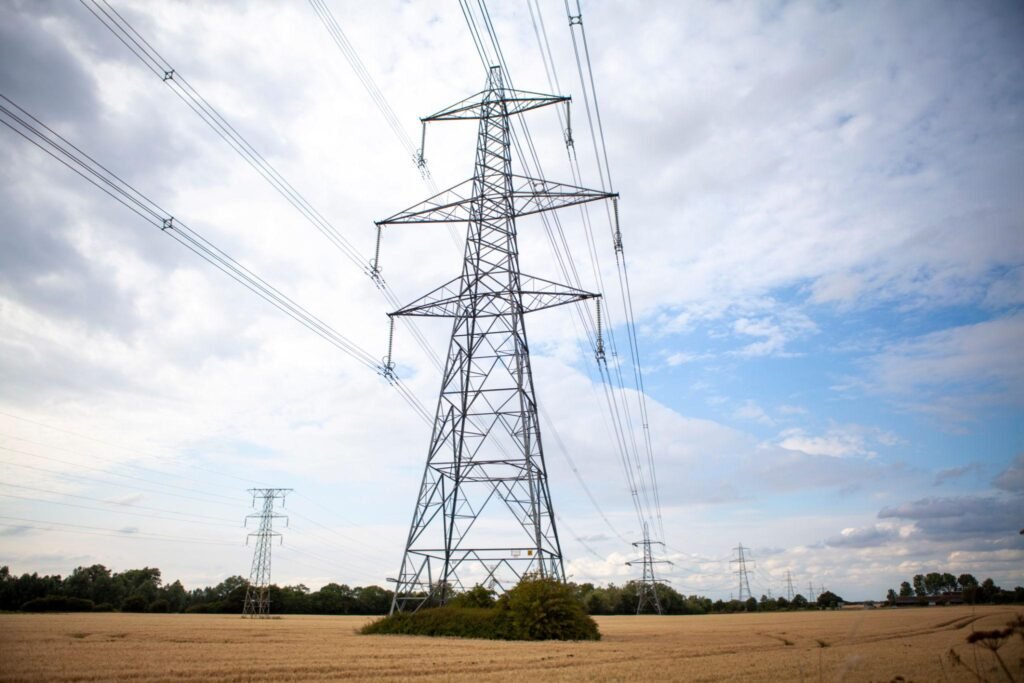
Transmission infrastructure is often overlooked.
Generating electricity is only part of the challenge.
The power must be transported efficiently from where it is generated to where it is needed.
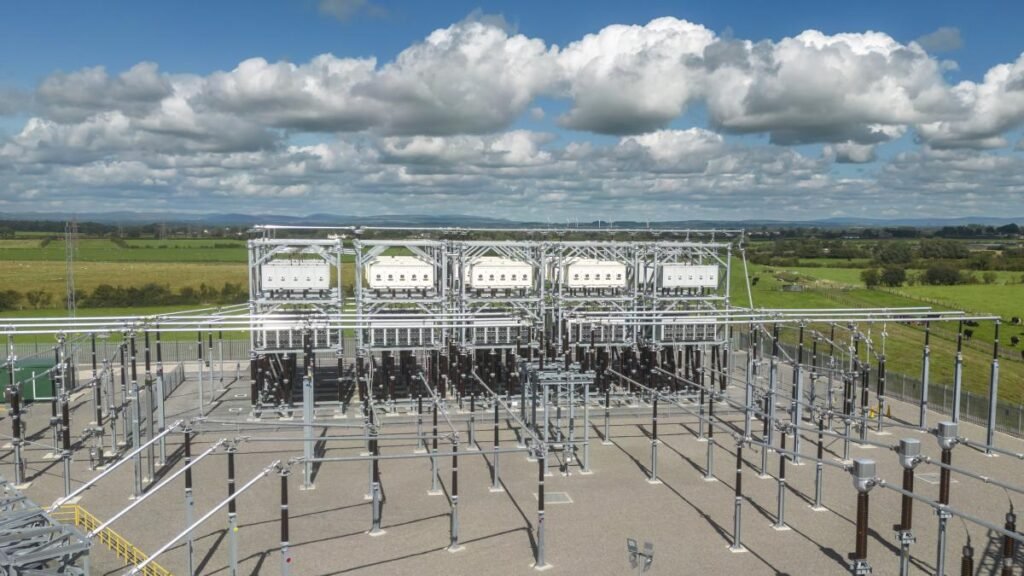
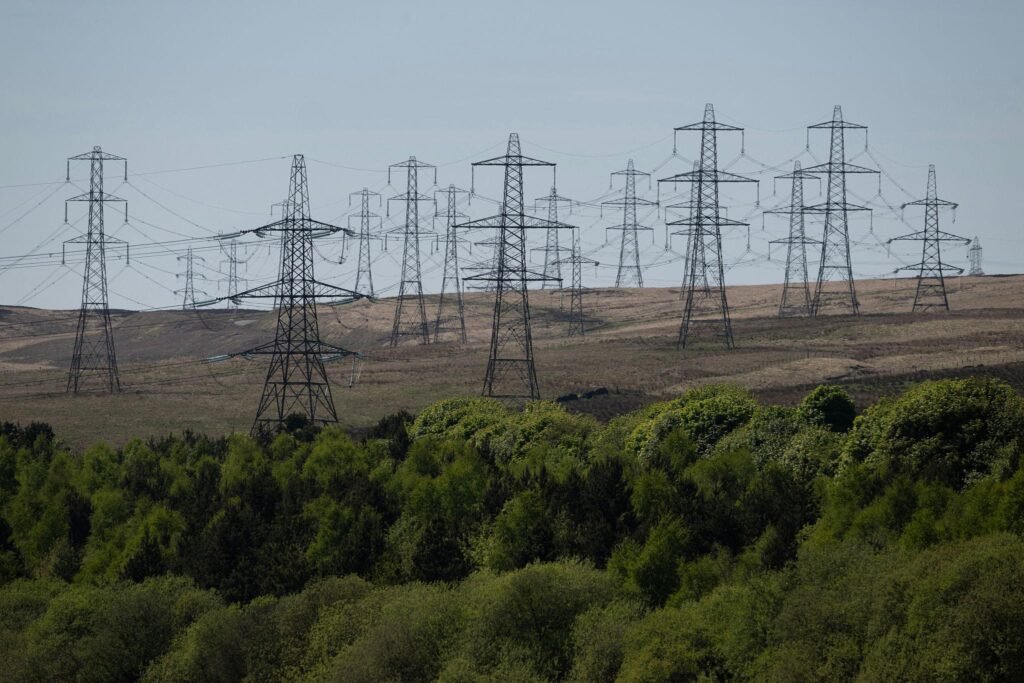
New transmission lines and substations will be essential.
Improve Energy Efficiency
Not all AI systems consume electricity equally.
New processors are becoming more efficient.
Advanced cooling systems also reduce power consumption.
Every improvement in efficiency reduces pressure on the grid.
Could AI Actually Help The Grid?
Interestingly, the technology creating the problem may also help solve it.
AI is increasingly being used for:
- Predicting electricity demand
- Managing renewable energy output
- Optimising battery storage
- Detecting equipment faults
- Improving grid stability
Many energy companies already use AI tools to improve operational efficiency.
The future grid may depend heavily on AI to manage increasingly complex energy networks.
- Full control over your heating with the tado° app from anywhere, reduce your energy consumption and save money with the …
- Heating Boost: heat up all rooms for 30 minutes with one click in the app
- Smart Schedules for the perfect temperature individually in each room, at any time; only active when someone’s home; can…
The Real-World Outlook
The most likely outcome is not that AI “breaks” the grid.
The more realistic scenario is that AI becomes one of the biggest drivers of new energy infrastructure investment since the Industrial Revolution.
Countries that build generation capacity quickly will attract AI investment.
Countries that fail to expand their grids may struggle to host future AI facilities.
For Britain, the challenge is not whether the power grid can support AI today.
The challenge is whether grid expansion, new power generation and infrastructure upgrades can keep pace with AI growth over the next decade.
Final Thoughts
If AI outgrows the power grid, the first consequences are likely to be higher electricity prices, grid connection delays, slower data centre development and increased pressure on infrastructure investment.
Widespread blackouts remain unlikely because electricity systems have numerous safeguards, but the risk of local constraints and capacity shortages would increase.
The countries that succeed in the AI era may not simply be those with the best technology. They may be the countries that can generate, store and deliver enough electricity to power it.
In many ways, the future of AI is becoming less about software and more about energy. Humanity spent decades worrying about computer chips. Now the limiting factor may be something far less glamorous: having enough electricity to keep the lights, and the algorithms, switched on.
AI Playbooks
We have created Professional High Quality Downloadable PDF’s at great prices specifically for Personal or Business use in the UK. Which include help and advice on understanding what Artificial Intelligence is all about and how it can improve your business. Find them here.