Artificial Intelligence is transforming industries across the UK, from healthcare and energy management to finance and transport. Behind every AI chatbot, image generator and predictive system sits a network of powerful data centres processing enormous amounts of information.
The environmental impact of AI data centres has become one of the most debated issues in technology. Supporters argue AI can help reduce emissions and improve efficiency. Critics point to rising electricity demand, water consumption and carbon emissions.
The reality, as is often the case with humans and their habit of creating solutions that generate entirely new problems, sits somewhere in the middle.
What Is an AI Data Centre?
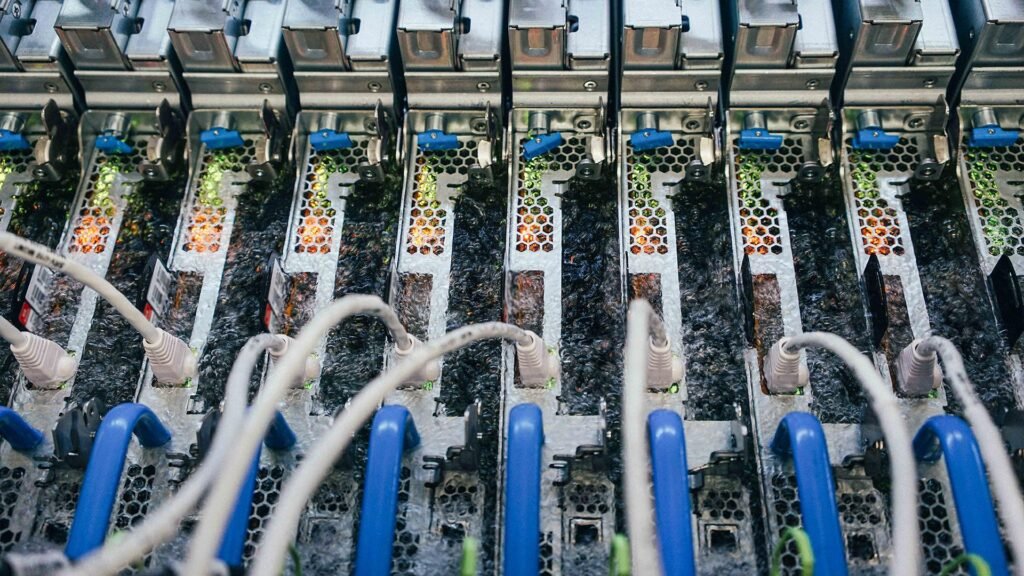
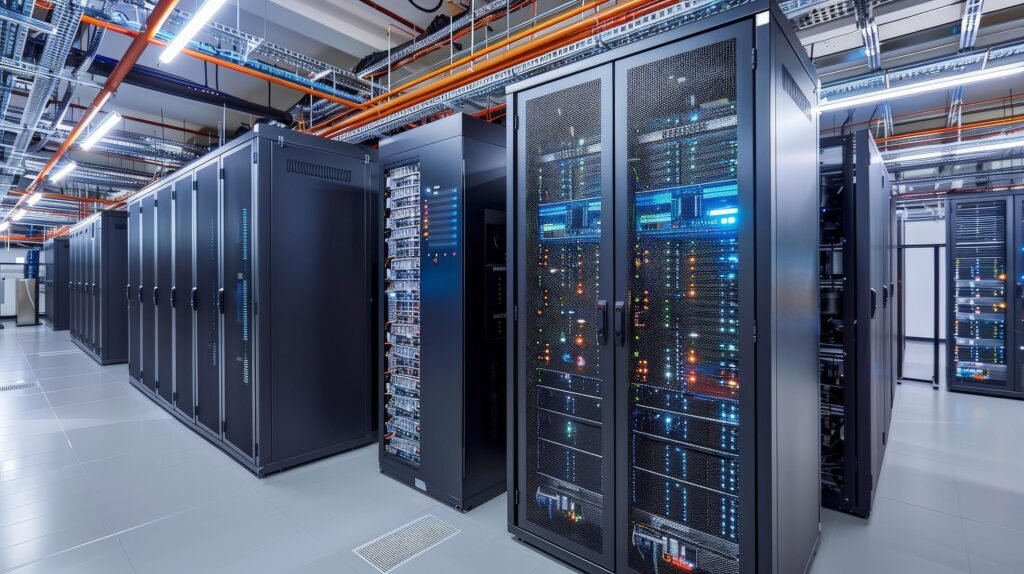
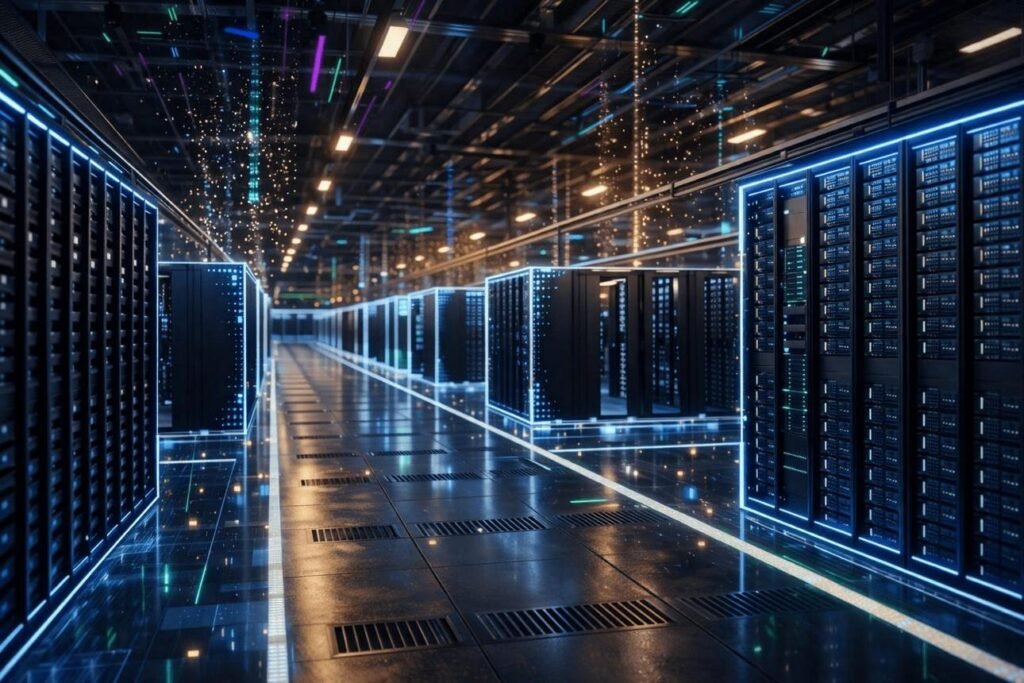
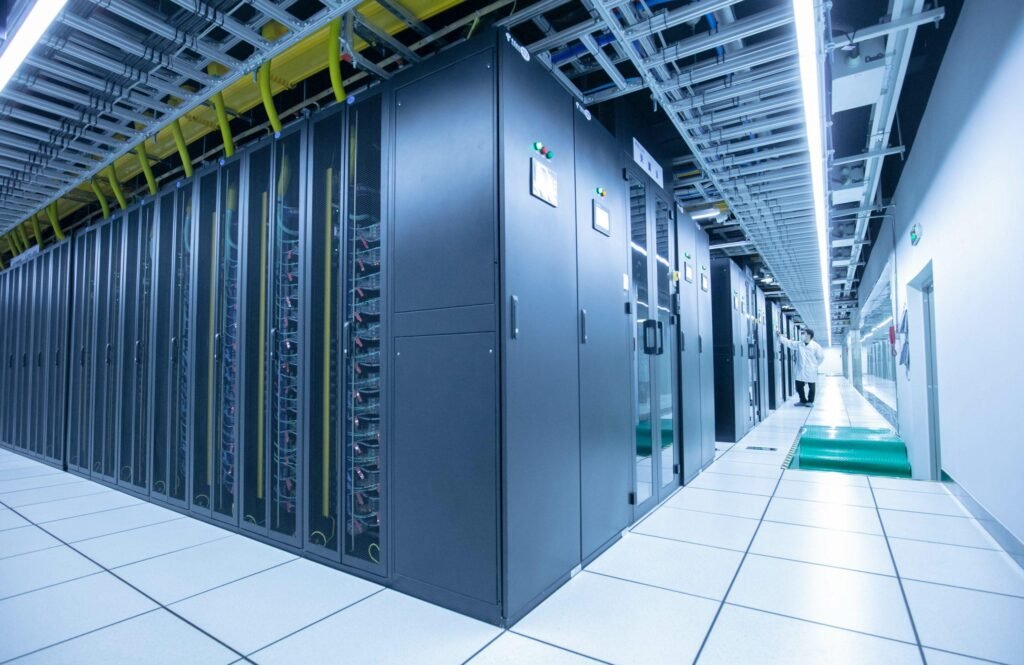
An AI data centre is a facility containing thousands of servers, processors and networking equipment designed to train and run artificial intelligence systems.
Unlike traditional data centres that mainly store and process information, AI facilities use specialised chips such as Graphics Processing Units (GPUs) that consume significantly more power.
Typical AI workloads include:
- Large Language Models (LLMs)
- Image generation
- Video processing
- Machine learning training
- Scientific simulations
- Predictive analytics
These facilities operate 24 hours a day, 365 days a year.
AI Data Centres Require Huge Amounts of Electricity


One of the biggest environmental concerns is electricity consumption.
Training a major AI model can require thousands of powerful processors running continuously for weeks or even months.
According to the International Energy Agency, global data centre electricity demand is expected to rise substantially during the next decade as AI adoption accelerates.
Why AI Uses So Much Power
AI systems perform billions or even trillions of calculations.
The energy demand comes from:
- Running processors
- Cooling systems
- Storage infrastructure
- Networking equipment
- Backup power systems
A traditional office computer may use around 100 watts.
An advanced AI server can use several thousand watts continuously.
Multiply that by tens of thousands of servers and the numbers become significant.

- Installs in circuit panel of most small businesses with clamp-on sensors. Supports Single phase, Single-split phase, and…
- 24/7 Energy Management and Monitoring: Automate and monitor your business’ real power anywhere, anytime to prevent costl…
- Lower Your Electric Bill: Configure settings in the Emporia Energy App to automate energy management for time of use, pe…
The UK Is Seeing Rapid AI Infrastructure Growth
The UK government wants Britain to become a global AI leader.
This means more:
- Data centres
- AI research facilities
- Cloud computing hubs
- High-performance computing sites
Major operators are investing billions of pounds in new facilities across Britain.
Areas attracting investment include:
- London
- Slough
- Manchester
- Leeds
- Scotland’s technology corridor
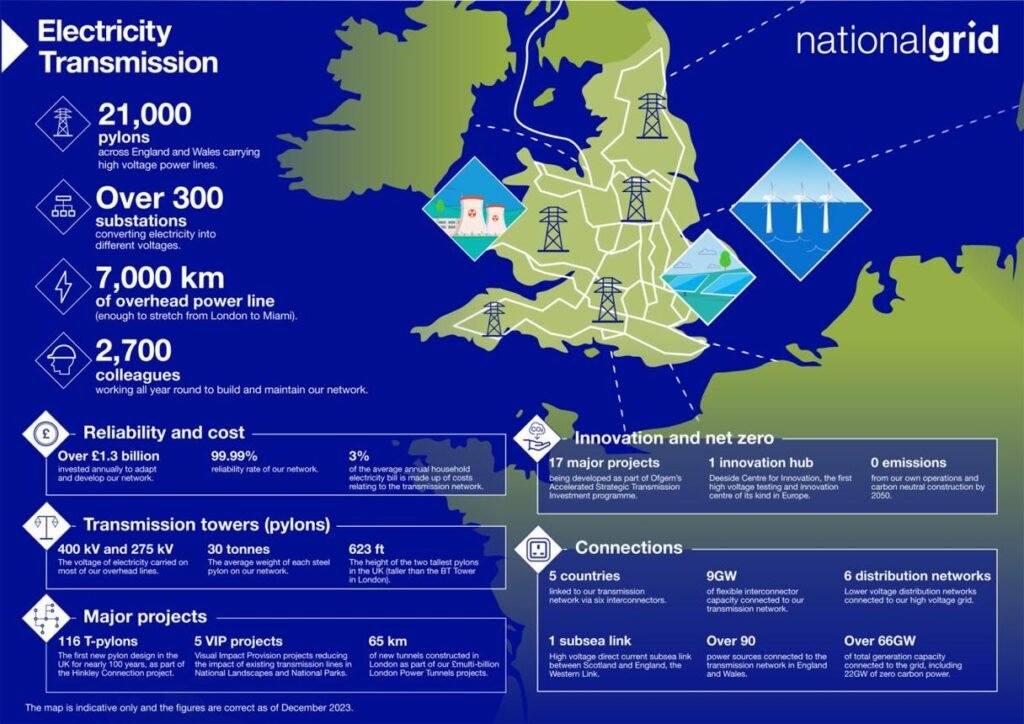
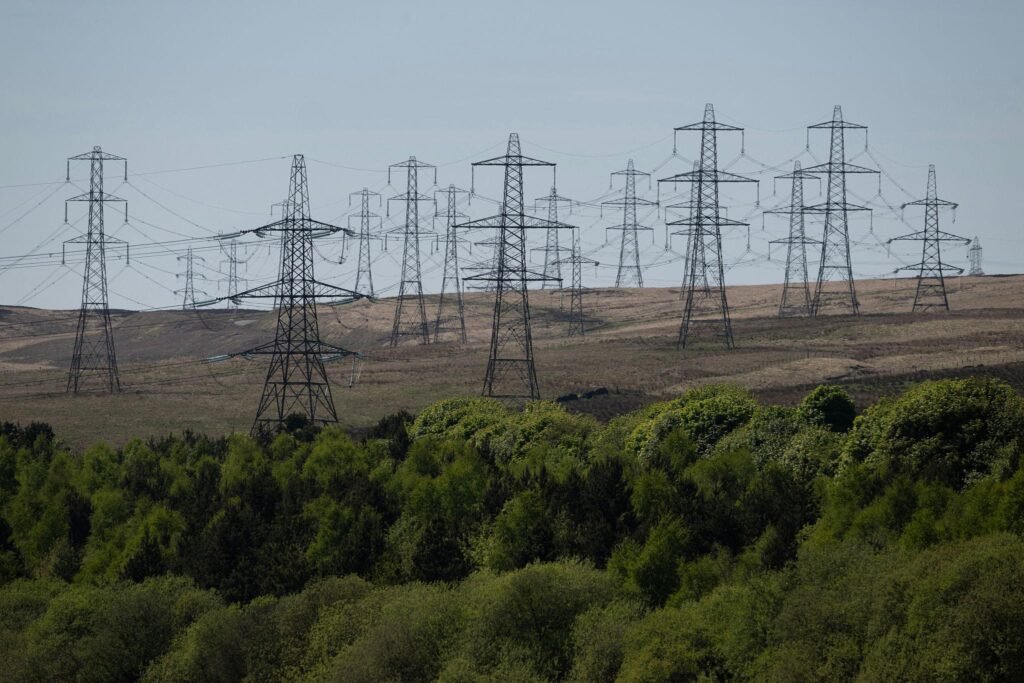
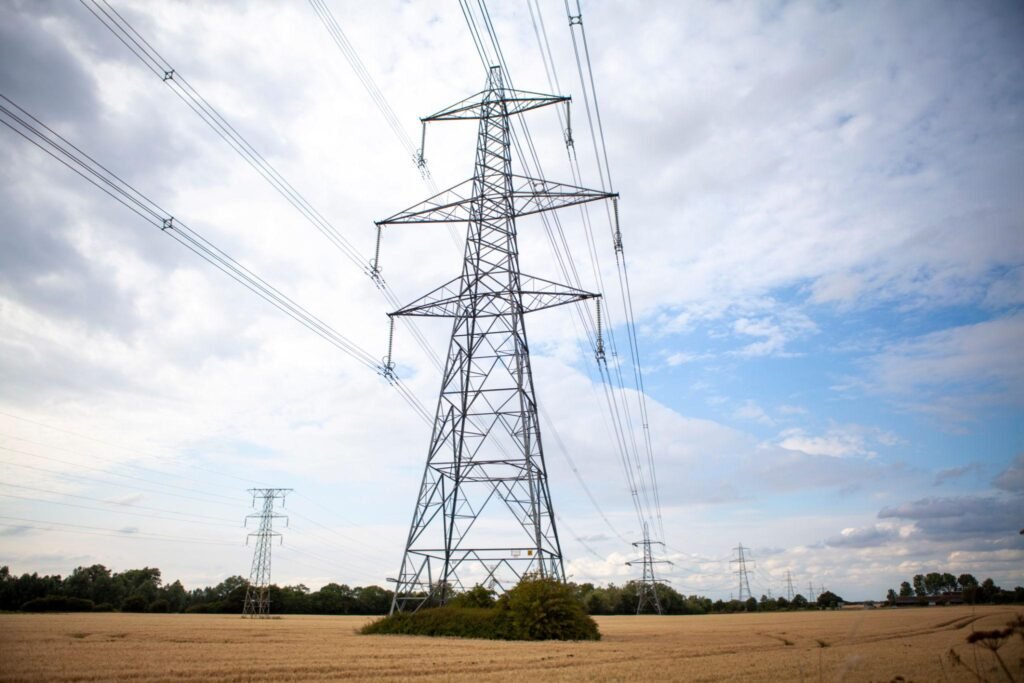
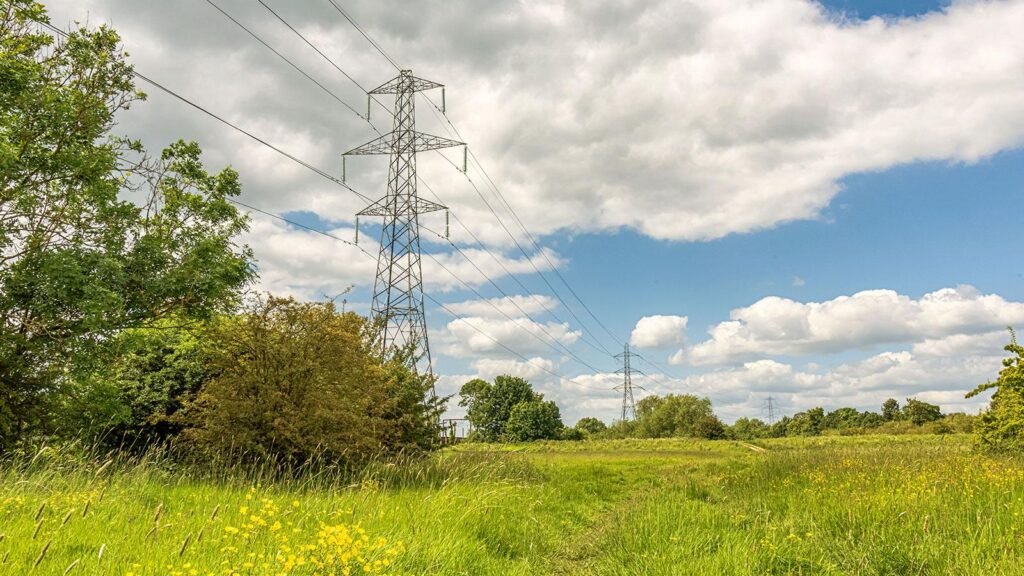
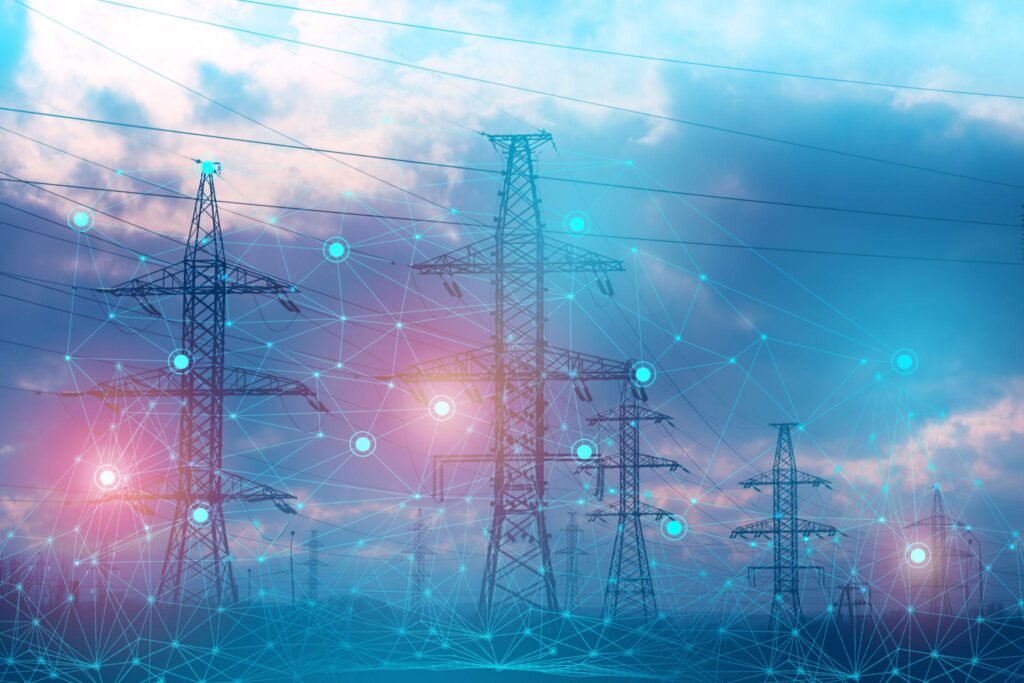
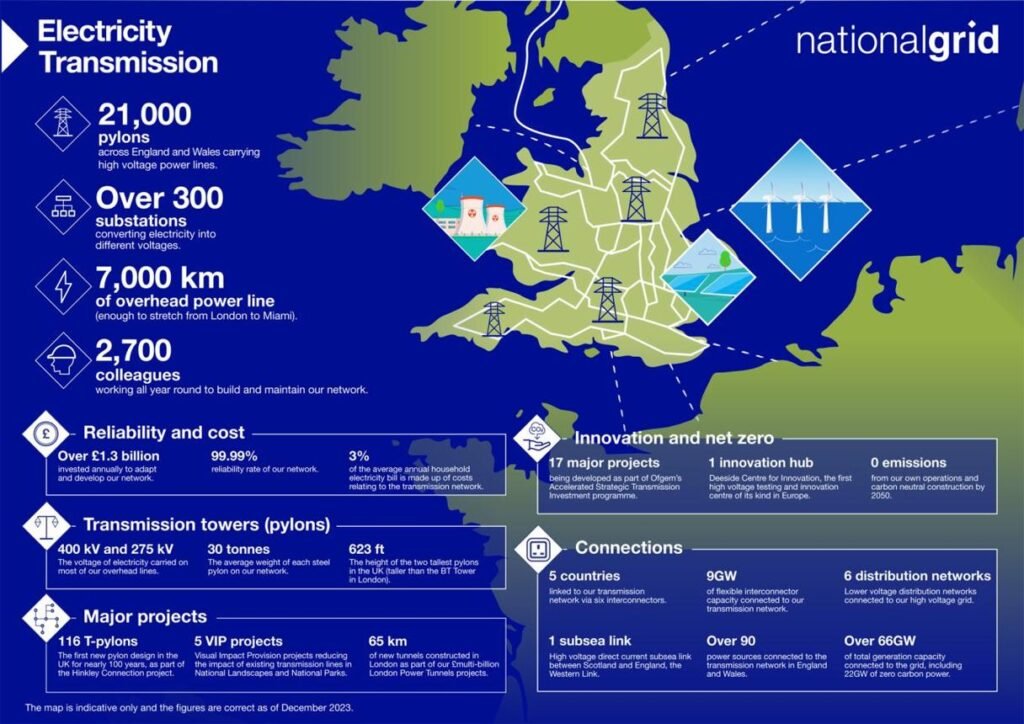
This growth creates jobs and economic benefits but also places greater demands on the electricity grid.
Water Usage Is Another Major Concern

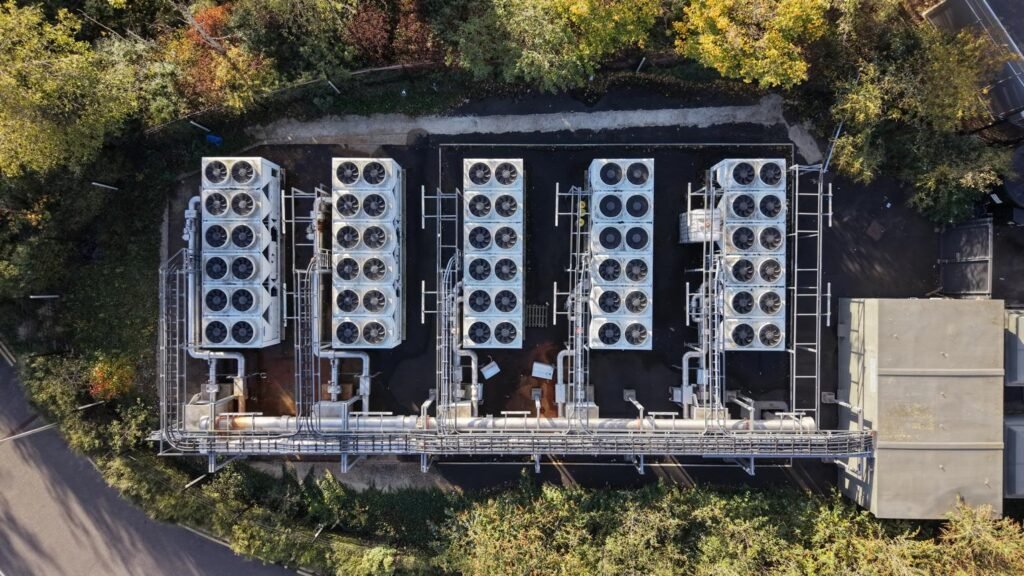
Many AI data centres use water-based cooling systems.
Servers generate enormous amounts of heat and must be cooled constantly.
How Much Water Is Used?
Large facilities can consume millions of litres of water annually.
Water may be used for:
- Evaporative cooling
- Cooling towers
- Temperature control systems
- Emergency backup systems
This becomes particularly controversial during periods of drought or water shortages.
Communities in some parts of the world have raised concerns about technology facilities competing with local water supplies.
AI Can Increase Carbon Emissions
If an AI data centre is powered by fossil fuels, its environmental impact increases significantly.
Facilities connected to electricity grids that rely heavily on:
- Natural gas
- Coal
- Oil
will produce higher carbon emissions.
- Learning function
The Carbon Challenge
Every AI query requires processing power.
Individually the impact may be small, but billions of AI interactions each day create substantial energy demand.
The environmental footprint depends heavily on:
- Grid electricity sources
- Energy efficiency
- Cooling technology
- Hardware design
- Renewable energy use
AI Could Also Help Reduce Emissions
This is where the debate becomes more interesting.
AI is not simply consuming energy.
It is also helping organisations use energy more efficiently.

AI Applications Reducing Environmental Impact
AI is already being used to:
- Optimise electricity grids
- Improve renewable energy forecasting
- Reduce industrial waste
- Improve transport efficiency
- Predict equipment failures
- Reduce energy consumption in buildings
For example, AI can forecast wind generation more accurately, helping grid operators balance supply and demand more effectively.
In some cases the emissions savings created by AI may outweigh the emissions generated by the computing systems themselves.
Renewable Energy Is Changing the Picture
Many technology companies are investing heavily in renewable power.
Major operators increasingly purchase electricity from:
- Wind farms
- Solar farms
- Hydroelectric facilities
- Nuclear energy
Some are building dedicated renewable energy projects specifically to support data centre operations.
Why Nuclear Power Is Becoming Attractive
AI companies require:
- Reliable power
- Continuous power
- Predictable power
Unlike wind and solar, nuclear generation operates continuously regardless of weather conditions.
This explains why several major technology firms globally are exploring long-term nuclear power agreements.
Modern AI Data Centres Are Becoming More Efficient
Technology companies know electricity is expensive.
Reducing power consumption is therefore both environmentally and financially beneficial.
Improvements Include
- More efficient processors
- Better cooling systems
- Heat recovery technologies
- AI-managed energy optimisation
- Advanced building designs
Some modern facilities can achieve significantly lower energy overheads than older sites.
Waste heat from data centres is increasingly being captured and reused for heating nearby buildings.
What About Local Environmental Impacts?
Environmental concerns are not limited to global emissions.
Local communities often raise questions about:
Land Use
Large facilities require significant space.
Development can impact local landscapes and habitats.
Noise
Cooling systems and backup generators can generate noticeable noise.
Infrastructure Demand
New facilities may require:
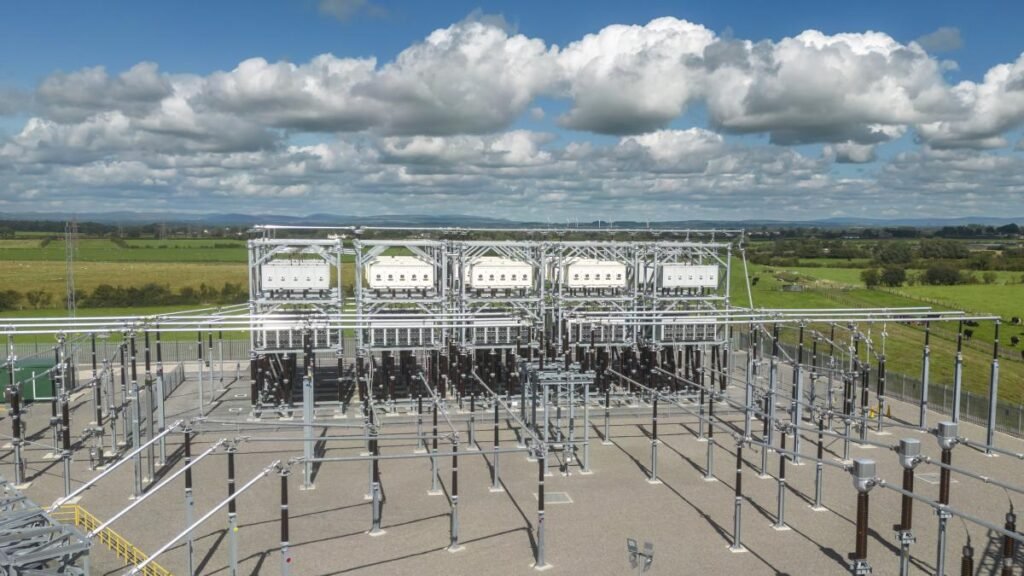
- Grid upgrades
- New substations
- Additional water infrastructure
These costs are often debated at local planning stages.
The Economic Benefits Cannot Be Ignored
AI infrastructure brings significant economic advantages.
Benefits include:
- Skilled employment
- Construction jobs
- Increased investment
- Improved digital infrastructure
- Research opportunities
The UK hopes AI will contribute billions of pounds to economic growth during the coming decade.
The challenge is balancing these benefits with environmental responsibilities.
Are AI Data Centres Good or Bad for the Environment?
The Case Against
AI data centres:
- Use substantial electricity
- Consume large volumes of water
- Increase pressure on electricity networks
- Can increase carbon emissions when powered by fossil fuels
The Case For
AI data centres:
- Enable technologies that improve efficiency
- Support renewable energy integration
- Drive innovation
- Create economic growth
- Are increasingly powered by cleaner energy sources
The Real-World Verdict
AI data centres are neither entirely good nor entirely bad for the environment.
Their impact depends largely on how they are built, powered and operated.
A data centre running on coal-generated electricity with inefficient cooling systems will have a very different environmental footprint from one powered by wind, solar or nuclear energy using modern cooling technology.
For the UK, the key challenge is ensuring AI growth is matched by investment in cleaner electricity generation, grid upgrades and sustainable infrastructure.
The future is unlikely to involve less AI. The more realistic question is whether society can build enough clean energy to support it.
At present, AI data centres represent both an environmental challenge and an environmental opportunity. The outcome will depend on decisions made over the next decade, not just by technology companies but by governments, regulators and energy providers across Britain.
References
- International Energy Agency
- National Grid
- Ofgem
- Department for Energy Security and Net Zero
- UK Research and Innovation
AI Playbooks
We have created Professional High Quality Downloadable PDF’s at great prices specifically for Personal or Business use in the UK. Which include help and advice on understanding what Artificial Intelligence is all about and how it can improve your business. Find them here.