Why AI Is Suddenly Being Linked To Nuclear Energy
Artificial intelligence is creating a new type of electricity demand that Britain has never experienced before.
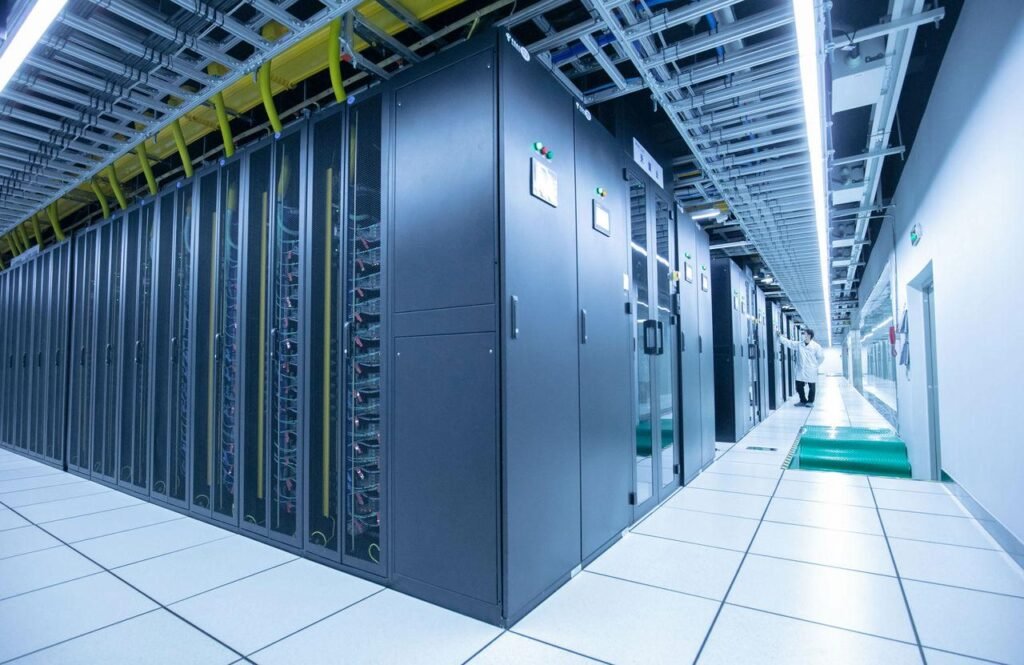
Traditional internet services such as websites, email systems and social media platforms consume significant energy, but AI systems require vastly more computing power. Every AI query, model training exercise and data processing task takes place inside energy-hungry data centres packed with thousands of specialised processors.
Companies including Microsoft, Google, Amazon and Meta are investing billions in AI infrastructure worldwide.
As AI adoption grows, so does the need for electricity.
This is one reason why many experts now see AI as a major contributor to future energy demand growth.
How Much Electricity Could AI Need?
The Global Picture
The energy requirements are substantial.
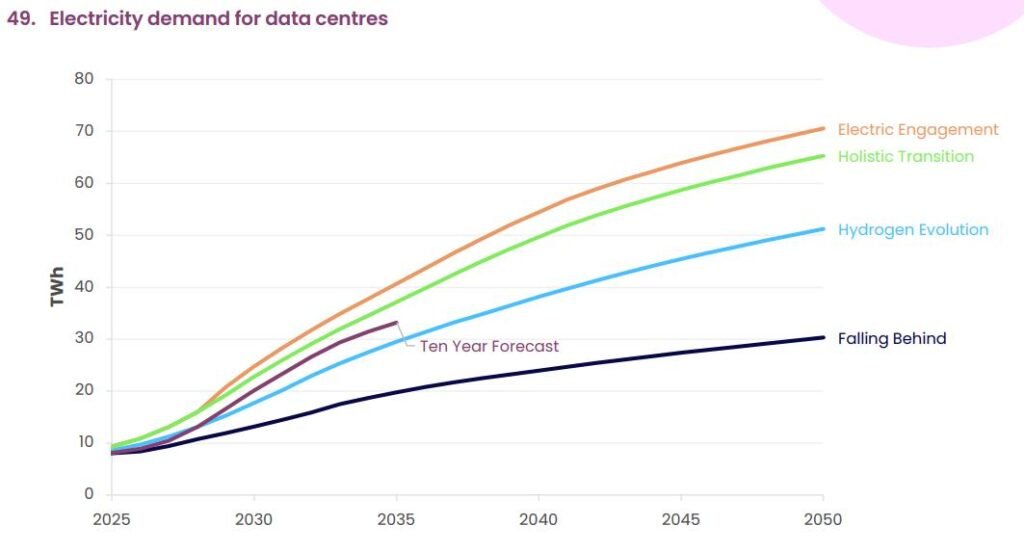
The International Energy Agency has warned that data centre electricity consumption could more than double over the coming decade as AI deployment accelerates.
Some large AI data centres can consume as much electricity as a medium-sized town.
New facilities being proposed in the United States are already discussing electricity demands measured in gigawatts rather than megawatts.
To put that into perspective:
- A typical UK home uses roughly 2,700 to 3,500 kWh annually.
- A large AI data centre can consume hundreds of millions of kWh every year.
- Future AI campuses could require power comparable to major industrial regions.
Britain’s Existing Electricity Challenge
Britain is already attempting one of the largest energy transitions in its history.
Electricity demand is expected to increase because of:
- Electric vehicles
- Heat pumps
- Industrial electrification
- Population growth
- Data centres
- Artificial intelligence
The National Grid is preparing for a future where electricity demand could be dramatically higher than today.
This means AI arrives at exactly the same time as several other electricity-intensive technologies.
Why Nuclear Is Getting Attention Again

The Problem With Intermittent Generation
Britain is investing heavily in wind and solar power.
These technologies are essential for reducing emissions, but they have one limitation:
They depend on weather conditions.
Wind farms produce less electricity during calm weather. Solar farms generate less during winter and none overnight.
AI data centres do not stop working when the wind stops blowing.
Large AI systems require continuous electricity supplies 24 hours a day, seven days a week.
Why Nuclear Fits AI Demand
Nuclear power offers several advantages:
- Constant generation
- Very low carbon emissions
- High reliability
- Long operating life
- Large-scale output
A single nuclear power station can provide electricity continuously for decades.
For operators of AI infrastructure, that reliability is extremely attractive.
Could Existing Nuclear Stations Meet AI Demand?
Probably not on their own.
Britain’s nuclear fleet has been shrinking for years.
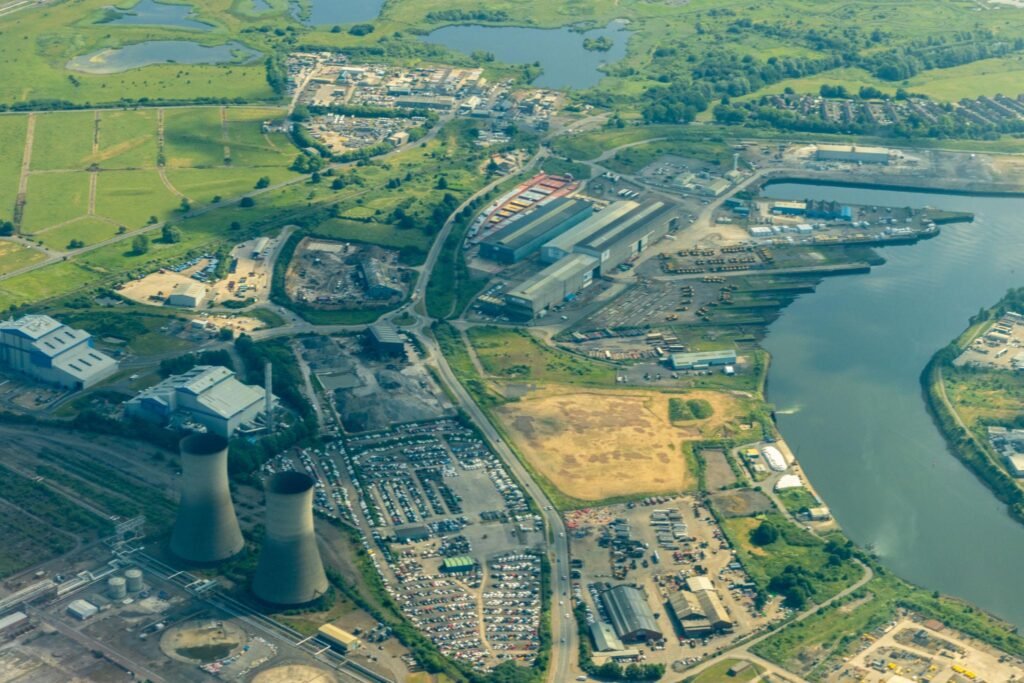
Older stations have closed, including facilities operated by EDF Energy.
The UK’s main future projects include:
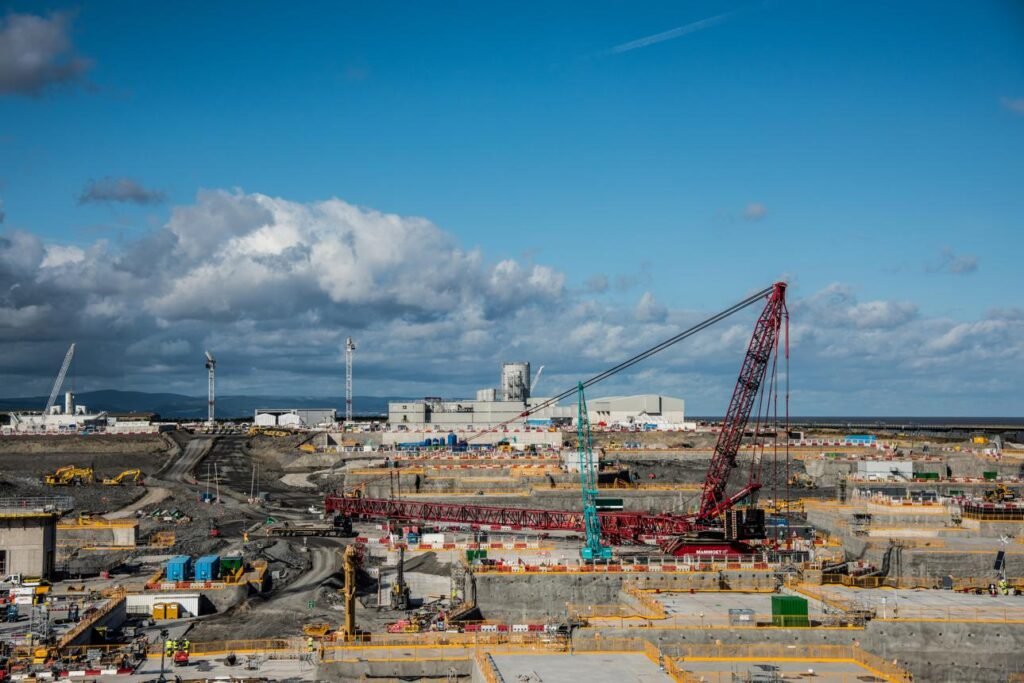
- Hinkley Point C
- Sizewell C
- Potential Small Modular Reactors (SMRs)
Even with these projects, future electricity demand projections suggest Britain may need considerably more generation capacity.
The Rise Of Small Modular Reactors
One of the most interesting developments is the growing interest in SMRs.
These are smaller nuclear reactors designed to:
- Be quicker to build
- Cost less than traditional reactors
- Be located closer to demand centres
- Support industrial facilities and data centres

Why AI Companies Like The Idea
Large technology firms increasingly want dedicated power supplies.
In the United States, several major technology companies are already exploring nuclear partnerships.
The attraction is simple:
- Stable electricity prices
- Reduced grid dependency
- Lower carbon emissions
- Guaranteed power availability
Britain could eventually see AI campuses paired directly with SMRs.
Could AI Alone Justify New Nuclear Stations?
Probably Not Alone
AI is only one part of a much larger trend.
If Britain were only supporting AI growth, renewable energy, batteries and grid upgrades might be sufficient.
The challenge is that AI arrives alongside:
- Electric vehicles
- Heat pumps
- Green hydrogen
- Industrial decarbonisation
- Population growth
- Digital infrastructure expansion
Combined, these demands create a powerful argument for additional generation capacity.
AI Could Be The Final Push
Many energy analysts increasingly believe AI may act as the catalyst that accelerates nuclear projects already under consideration.
In other words:
Britain may have needed more nuclear power anyway.
AI simply makes the decision more urgent.
What Could Britain Look Like By 2040?
Several realistic scenarios exist.
Scenario One: Renewable Dominance
Britain relies mainly on:
- Offshore wind
- Solar power
- Battery storage
- Interconnectors
- Limited nuclear expansion
This remains possible if storage technology improves rapidly.
Scenario Two: Major Nuclear Expansion
Britain builds:
- Sizewell C
- Additional large reactors
- Multiple SMRs
AI data centres become significant customers for nuclear-generated electricity.
Scenario Three: Mixed Energy System
Many experts believe this is the most likely outcome.
Britain combines:
- Offshore wind
- Solar
- Battery storage
- Flexible gas generation
- Nuclear power
- Imported electricity
This approach reduces reliance on any single technology.
What Does This Mean For Households?
Consumers often assume nuclear expansion only affects industry.
In reality, the outcome could influence:
- Energy bills
- Grid reliability
- Economic growth
- Job creation
- Energy security
If AI significantly increases electricity demand, Britain must either generate more power domestically or become more dependent on imports.
Most policymakers prefer domestic generation because it improves energy security.
Regional Impact Across Britain
Areas already attracting major data centre investment may become increasingly important.
This links closely to the trends discussed in Which UK Regions Are Becoming AI Power Hubs?
Regions with:
- Strong grid connections
- Available land
- Existing energy infrastructure
- Proximity to major cities
could attract substantial investment over the next decade.
The Real-World Verdict
AI is unlikely to be the sole reason Britain builds new nuclear power stations.
However, AI could become one of the most influential factors behind future nuclear expansion.
The UK’s electricity system is entering a period where electric vehicles, heat pumps, digital infrastructure and AI are all increasing demand simultaneously.
That combination makes nuclear power far more attractive than it appeared a decade ago.
Whether through large projects such as Hinkley Point C and Sizewell C or through a new generation of Small Modular Reactors, AI may ultimately help drive a nuclear renaissance in Britain.
The question is no longer whether AI uses significant electricity. The real question is whether Britain can build enough reliable generation capacity quickly enough to support an AI-powered economy without compromising energy security.
That is exactly the challenge explored in AI Energy Usage in the UK by 2030, What Happens if AI Outgrows the Power Grid?, and Could AI Be the Biggest Energy Challenge Since Electrification?. Humanity has somehow managed to make asking computers questions an infrastructure issue. Impressive, in a slightly alarming sort of way.
References
- International Energy Agency Energy and AI reports
- National Grid Future Energy Scenarios
- UK Department for Energy Security and Net Zero
- Hinkley Point C project documentation
- Sizewell C project documentation
- Rolls-Royce SMR reactor development programme