The internet is changing again. Because apparently the previous twenty years of algorithm chaos, social media dependency, cookie banners, GDPR pop-ups, affiliate spam and “Top 10 Vacuum Cleaners” articles written by people who have never seen a vacuum cleaner in person were not enough suffering for one civilisation.
Now comes AI search.
For many UK small websites, AI-driven search engines could become the biggest traffic threat since Google’s major algorithm updates wiped out thousands of independent publishers overnight. The difference this time is more serious. AI search does not just rank websites differently. It often removes the need for users to visit websites at all.
That changes everything for bloggers, niche publishers, review websites, local business directories, affiliate websites and independent media businesses across the UK.
What Is AI Search?
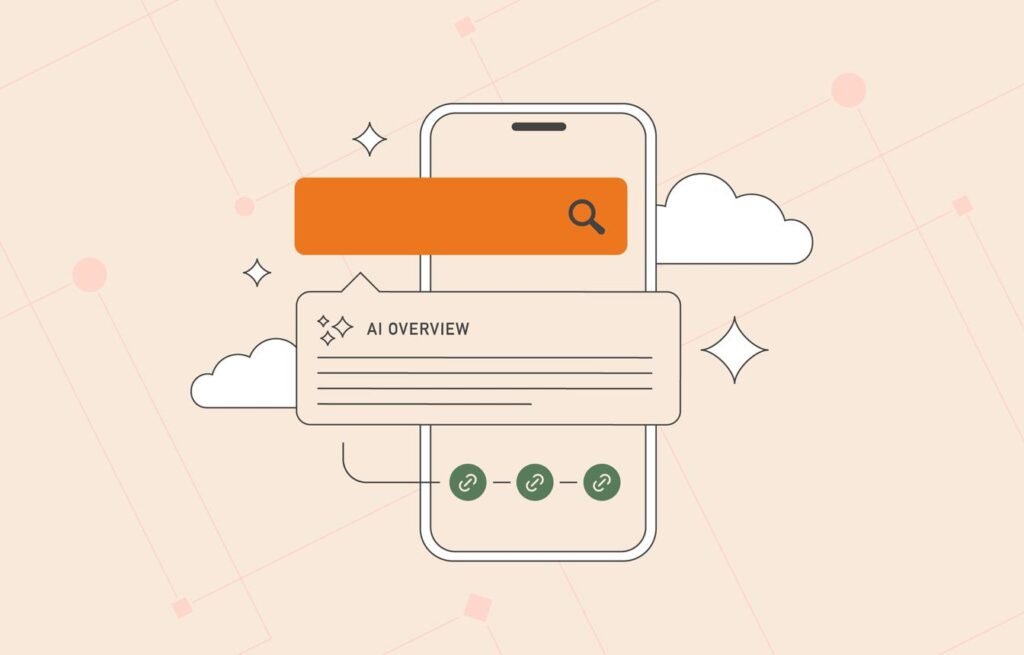
AI search refers to search engines and assistants that generate direct answers instead of simply listing website links.
Examples include:
Instead of users clicking through ten websites to compare information, the AI reads information from across the web and produces a combined answer instantly.
Convenient for users.
Potentially catastrophic for website owners.

- AI-POWERED TRANSCRIPTION & MULTI-DIMENSIONAL SUMMARIES: Plaud Note Pro is your professional voice transcriber, deliverin…
- ENHANCED CONTEXT WITH MULTIMODAL INPUT: Capture audio, type notes, add images, and press to highlight key moments for ri…
- CHAT WITH YOUR RECORDINGS USING “ASK Plaud”: Unlock deeper insights with this interactive AI. Ask questions, extract key…
How Traditional Search Helped Small Websites Survive
For years, small UK websites survived because Google acted like a traffic distributor.
Even tiny publishers could rank for:
- Local searches
- Niche advice
- Product reviews
- “How to” content
- Comparison articles
- Industry news
- Specialist expertise
A one-person website in Birmingham could outrank multinational companies for highly specific searches if the content was genuinely useful.
That created entire industries:
- Affiliate marketing
- Independent review blogs
- Local directories
- Niche information websites
- Regional news sites
- Comparison tools
Small publishers became dependent on search traffic because Google users still had to click links to get detailed answers.
AI search changes that relationship completely.
AI Search Could Remove Website Clicks Entirely
This is the core threat.
AI search systems increasingly answer questions directly inside the search engine interface.
Users may never visit the original website.
For example:
A user searches:
“What is the best budget security camera for small UK businesses?”
Previously:
- Google displayed website links
- User clicked reviews
- Website earned ad revenue or affiliate income
Now:
- AI generates a complete summary
- Product recommendations appear instantly
- User gets the answer without leaving the AI interface
The original publisher may receive:
- No click
- No ad revenue
- No affiliate commission
- No subscriber
- No brand awareness
People spent twenty years training themselves to avoid clicking websites because they feared pop-ups, autoplay videos and cookie notices. Now AI is completing the transformation by eliminating websites from the process altogether. Remarkable species.

The Real Problem Is Traffic Collapse
Most small websites rely on traffic for survival.
No traffic means:
- No advertising income
- No affiliate income
- No enquiries
- No sponsorships
- No authority growth
- No email subscribers
AI search threatens all of these at once.
Some publishers have already reported major declines after AI-generated search summaries appeared in Google results.
According to multiple SEO industry studies in 2024 and 2025, AI-generated summaries can significantly reduce click-through rates for informational searches.
The hardest hit areas include:
- General advice content
- Product comparison content
- Basic informational articles
- FAQ pages
- News summaries
Ironically, the exact content types many UK small websites spent years building.
Why Small UK Websites Are More Vulnerable Than Big Brands
Large companies have advantages that AI search may strengthen further.
Big Brands Already Have Recognition
Users trust familiar names.
When AI references:
people already know those brands.
Small publishers rarely have that advantage.

- Best picture quality: Capture every detail with the 1/2″ sensor and balanced, lifelike 4K image quality with HDR & best …
- Professional sound: Experience premium audio with advanced AI noise cancelling algorithms. Filters out unwanted backgrou…
- True Focus: Keep your audience on track with the faster and more accurate Phase Detection Auto Focus (PDAF). No more blu…
Big Companies Can Afford AI Optimisation
Larger organisations now employ:
- AI SEO specialists
- Structured data experts
- Content teams
- Data analysts
- Technical SEO agencies
Small website owners often:
- Write content themselves
- Manage WordPress updates
- Handle social media
- Design graphics
- Fix hosting issues
- Chase backlinks
- Answer emails
All while trying to remember why they thought “running a content website” sounded like passive income in the first place.
AI Systems Prefer Authority Signals
AI search models heavily rely on:
- Strong backlink profiles
- Established trust signals
- Recognised brands
- High authority domains
- Consistent citations
That tends to favour:
- Large media organisations
- Government websites
- Established corporations
- Major retailers
Not independent UK publishers running niche websites from home offices in Staffordshire or Leeds.
Affiliate Websites Could Be Hit Particularly Hard
Affiliate marketing websites may face severe disruption.
Traditionally:
- User searched product advice
- Read comparisons
- Clicked affiliate links
- Website earned commission
AI search can compress this entire process into one AI-generated answer.
The AI may:
- Summarise product reviews
- Compare features
- Recommend products directly
without users visiting the source websites.
For smaller UK affiliate publishers, this could remove the economic model entirely.

Local Business Directories Face Serious Risk
Many UK directory websites rely on search visibility.
Examples include:
- Trades directories
- Local service listings
- Business recommendation sites
- Local information hubs
AI search increasingly answers local queries directly:
- “Best electricians near me”
- “Top accountants in Birmingham”
- “Best cafés in Manchester”
Search engines may display:
- AI-generated summaries
- Google Business listings
- Maps integrations
- Review snippets
without users needing third-party directory websites.
Smaller independent directory projects could see traffic disappear rapidly.
AI Search Rewards Originality More Than Ever
There is one important twist.
AI systems increasingly ignore low-value content.
Generic articles rewritten endlessly by AI tools may become almost worthless.
That means:
- Thin SEO content could collapse
- Mass-produced articles may lose visibility
- Repetitive affiliate sites may disappear
But:
- Genuine expertise
- Original research
- Local reporting
- Personal experience
- Real testing
- Unique data
may become more valuable.
Ironically, AI could destroy low-quality SEO websites while rewarding genuinely useful independent publishers.
The challenge is surviving long enough to benefit.
Why “AI Slop” Is Becoming a Huge Problem
The web is now flooded with low-quality AI-generated content.
Search engines know this.
As a result, AI systems increasingly prioritise:
- Trusted sources
- Expert-written content
- First-hand experience
- Real case studies
- Original statistics
- Human insight
Small websites copying generic AI articles may vanish from visibility altogether.
This is especially dangerous because many website owners are unknowingly publishing content that sounds informative but says absolutely nothing meaningful. Entire paragraphs exist purely to occupy oxygen. Digital beige wallpaper.
UK News Publishers Could Lose Massive Revenue
Independent UK news publishers may be particularly exposed.
AI systems can:
- Summarise stories
- Rewrite reports
- Extract key facts
- Present live updates
without sending readers to the original publication.
If traffic falls:
- Ad impressions decline
- Subscription growth weakens
- Sponsorship revenue drops
Smaller regional publishers may struggle to survive.
This is already a growing concern across the media industry globally.

Could Google Destroy the Open Web?
Some critics argue AI search could unintentionally damage the wider internet ecosystem.
The logic is simple:
If websites stop receiving traffic:
- Publishers earn less money
- Independent content disappears
- Fewer people create useful resources
Eventually:
- AI systems have fewer quality sources to learn from
The internet risks becoming dominated by:
- Large corporations
- Major media companies
- Automated content farms
- Platform-owned ecosystems
Smaller independent voices could disappear.
Ironically, AI systems depend heavily on the very websites they may financially damage.
That is the digital equivalent of eating the seed potatoes because you are hungry today. Short-term efficiency. Long-term disaster.
Real-World Signs This Is Already Happening
Many website owners have already reported:
- Sudden drops in impressions
- Reduced click-through rates
- Lower affiliate revenue
- Declining organic traffic
following the rollout of AI-generated search summaries.
SEO forums, publisher communities and independent analytics providers increasingly discuss “zero-click search” problems where users get answers without visiting websites.
Some industries appear more exposed than others:
- Technology advice
- Travel information
- Product reviews
- Recipe websites
- Health information
- Finance explainers

- Keep your online accounts safe from hackers with the YubiKey. Trustworthy and easy-to-use, it’s your key to a safer digi…
- CONVENIENT & PORTABLE: Convenient to carry and use wherever you go, ensuring secure access to your accounts at all times…
- VERSATILE COMPATIBILITY: Supported by Google and Microsoft accounts, password managers and hundreds of other popular ser…
Can Small UK Websites Survive AI Search?
Possibly. But many will need to change strategy quickly.
Build a Recognisable Brand
Brand recognition matters more now.
People must actively seek your website rather than stumble across it accidentally through Google.
That means:
- Strong identity
- Consistent expertise
- Memorable content
- Loyal audiences
Focus on Original Information
AI struggles to replicate:
- Original research
- First-hand testing
- Local reporting
- Interviews
- Real-world case studies
- Proprietary data
Websites producing genuinely unique information may remain valuable.
Develop Email Lists and Communities
Relying entirely on Google traffic is increasingly dangerous.
Smart publishers now focus heavily on:
- Email newsletters
- Community forums
- Social audiences
- Memberships
- Direct visitors
Owning your audience matters more than renting visibility from search engines.
Become More Human
Oddly enough, the more AI-generated content floods the internet, the more valuable authentic people’s perspective becomes.
Readers increasingly want:
- Real opinions
- Real experience
- Real expertise
- Real testing
- Real personality
Not another soulless article claiming:
“In today’s rapidly evolving digital landscape…”
That sentence alone has probably killed more reader attention spans than TikTok.
The Future Could Be Brutal for Low-Quality Websites
Some websites may simply disappear.
Especially:
- Thin affiliate sites
- AI-generated spam blogs
- Generic SEO content farms
- Rewritten news aggregators
But high-quality independent publishers may still thrive if they:
- Adapt quickly
- Build loyal audiences
- Create unique value
- Diversify traffic sources
The era of easy search traffic is fading.
Final Thoughts
AI search is not just another SEO update.
It could fundamentally reshape how the internet works.
For UK small websites, the threat is very real:
- Reduced clicks
- Lower revenue
- Falling visibility
- Increased competition from AI-generated answers
Some businesses will adapt.
Others may vanish quietly as traffic slowly dries up.
The harsh reality is that search engines no longer necessarily want users to visit websites. Increasingly, they want users to stay inside their own ecosystems while AI delivers answers instantly.
Convenient for users.
Potentially devastating for independent publishers.
The next few years may determine whether the open web remains diverse and independent, or becomes dominated by giant platforms feeding AI-generated summaries to people who no longer remember what an actual website looks like.
A grimly efficient little future.
AI Playbooks
We have created Professional High Quality Downloadable PDF’s at great prices specifically for Personal or Business use in the UK. Which include help and advice on understanding what Artificial Intelligence is all about and how it can improve your business. Find them here.