AI & UK Infrastructure

The AI Infrastructure in the UK

electric grid

Could AI Cause Regional Electricity Shortages?

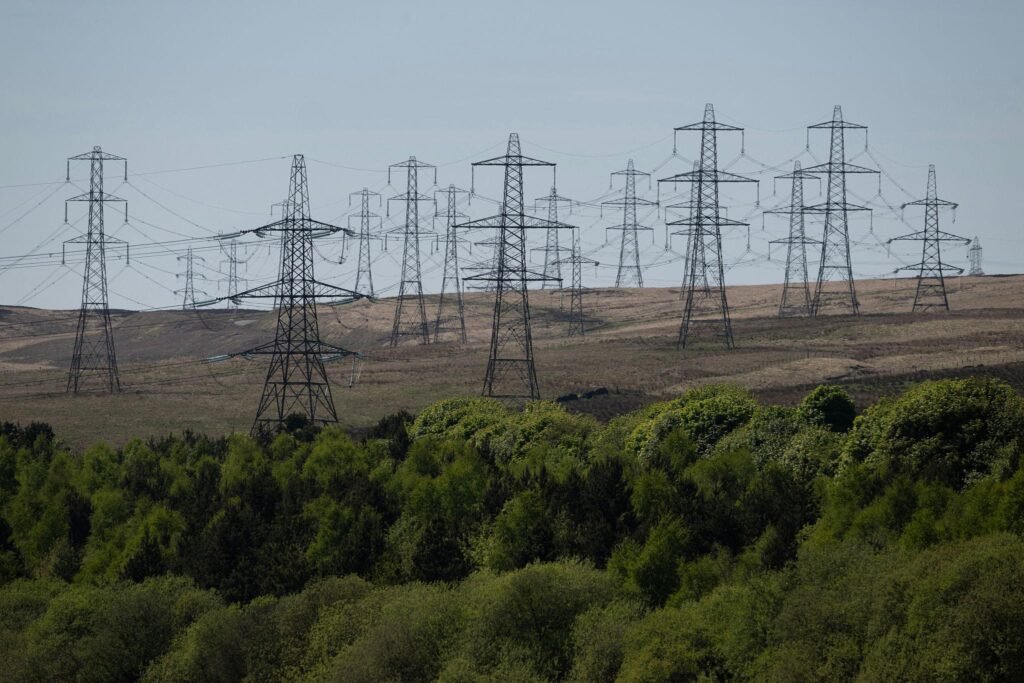
The rapid growth of artificial intelligence is creating a new challenge for electricity networks around the world. While AI itself exists in software, the enormous computing infrastructure behind it consumes vast amounts of electricity. The question is no longer whether AI will increase power demand. The real question is whether some regions could run short […]

Energy
data centre cooling high density

The Future of AI UK Electricity Demand 2026-2035

Artificial intelligence is rapidly becoming one of the most important drivers of future electricity demand in the United Kingdom. While AI is often discussed in terms of software, chatbots and automation, its real impact on the energy system comes from the enormous computing infrastructure required to train and operate advanced models. Between 2026 and 2035,

Energy
AI And Powerlines 1024x578

UK AI Electricity Consumption

The short answer is that the biggest electricity users are not necessarily the companies with the most employees or highest revenues. Electricity consumption is driven by: In Britain, the largest AI-related electricity consumers are likely to be companies running large-scale AI models, autonomous vehicle systems, energy optimisation platforms and AI infrastructure services. Why Electricity Use

Business,
pylons group

AI and Net Zero Britain

Britain is trying to achieve net zero greenhouse gas emissions by 2050. On paper, it sounds simple: build more renewable energy, electrify transport, improve efficiency and reduce fossil fuel use. In reality, it is a giant engineering challenge involving millions of homes, vehicles, businesses, power stations, wind farms and pieces of infrastructure. Human beings struggle

Energy
data centre cooling

AI Water Consumption Explained

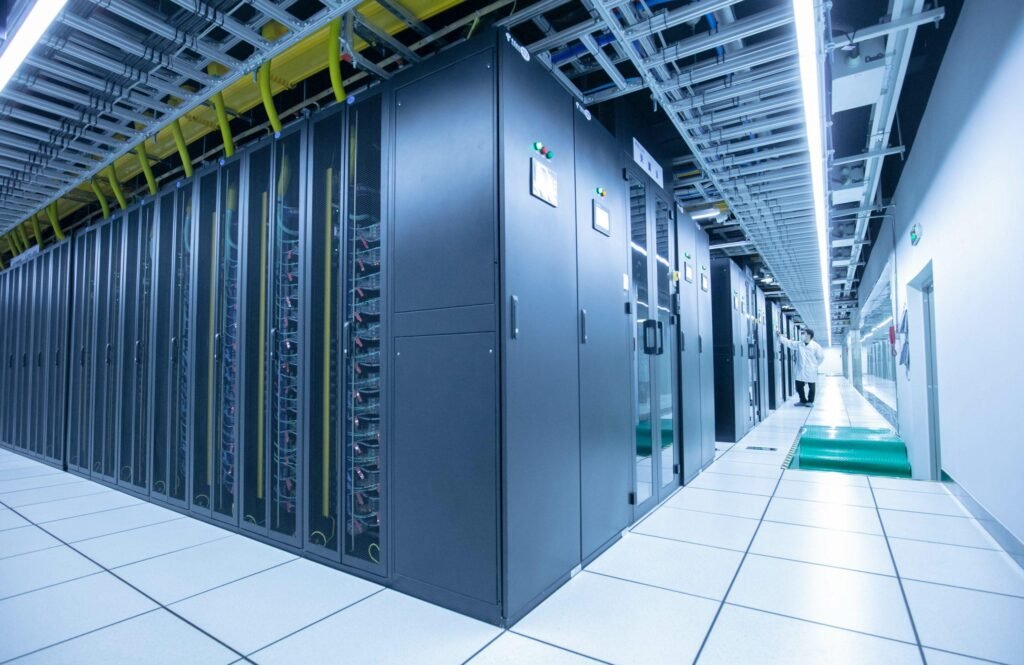
Artificial Intelligence is often described as “digital”, “cloud-based”, and “virtual”. That makes it sound as though AI exists in some magical weightless dimension where robots politely discuss spreadsheets while floating in the sky. Reality is less glamorous. AI runs inside enormous data centres packed with servers, cooling systems, backup generators and networking equipment. Those facilities

Energy
pylons 2

AI Power Grid Challenge

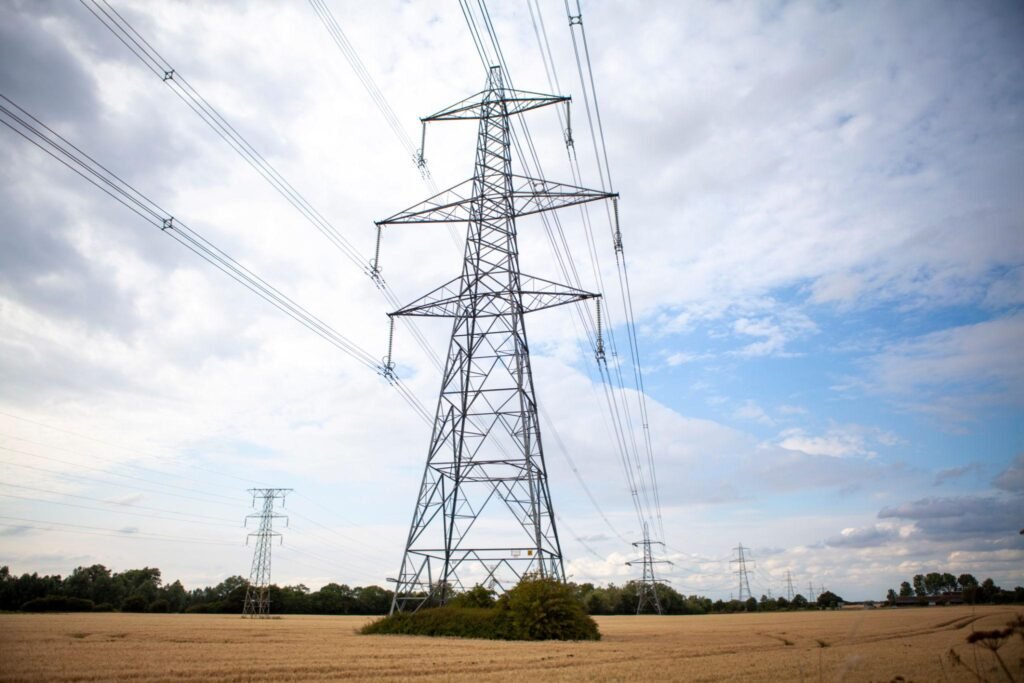
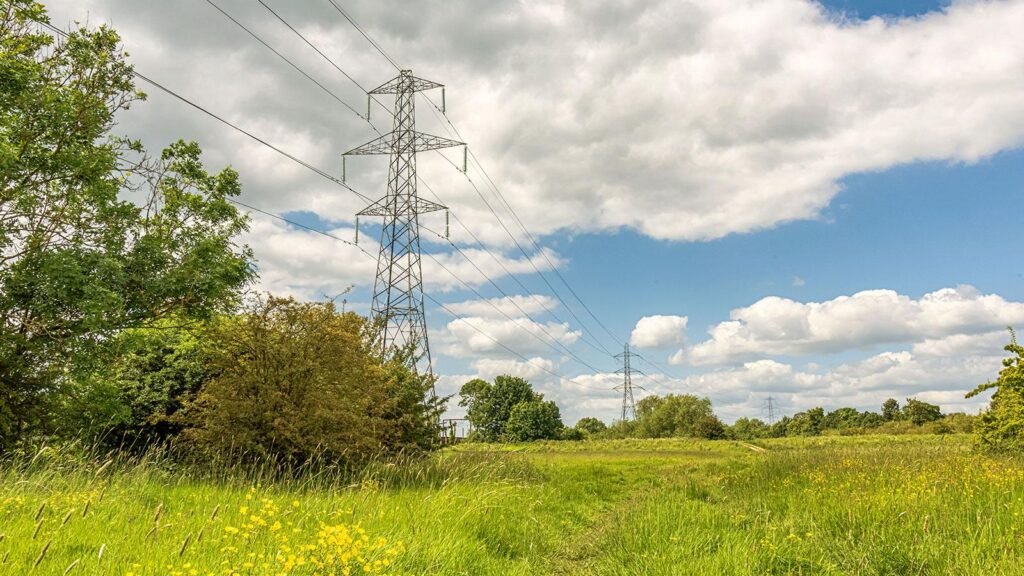
Artificial Intelligence is rapidly becoming one of the largest new consumers of electricity in the modern world. Data centres powering AI systems such as chatbots, image generators, autonomous systems and advanced analytics require enormous amounts of electricity, and demand is growing at a pace few governments or energy companies predicted. The question is no longer

Energy,
pylons

AI Energy Challenge

For over a century, electricity transformed the world. Homes lit up, factories became more productive, transport evolved, and entire economies were built around growing power demand. Now a new force is arriving that could rival that transformation: artificial intelligence. The difference is speed. Electrification happened over decades. AI is scaling globally in just a few

Energy
data centre manned

AI Data Centres Environment Impact

Artificial Intelligence is transforming industries across the UK, from healthcare and energy management to finance and transport. Behind every AI chatbot, image generator and predictive system sits a network of powerful data centres processing enormous amounts of information. The environmental impact of AI data centres has become one of the most debated issues in technology.

Energy
working in data centre

Why AI Infrastructure is Growing Across Britain

Artificial Intelligence infrastructure is rapidly expanding across Britain, and not because technology firms suddenly developed a deep emotional attachment to cloudy industrial estates near Slough. The reality is far more practical. AI systems require enormous amounts of computing power, electricity, cooling, fibre connectivity and physical buildings. Britain is increasingly becoming a strategic location for that

Energy,