Artificial intelligence is often presented as a tool that will make energy systems smarter, greener and more efficient. Utilities, governments and technology companies argue that AI can help balance electricity supply and demand, reduce waste and integrate more renewable energy into the grid.
What receives far less attention is whether those benefits will be distributed equally.
As AI becomes embedded into Britain’s electricity infrastructure, a genuine question is emerging. Could AI create a future where some consumers gain access to cheaper electricity while others pay increasingly higher prices?
The answer is not straightforward, but the foundations of such a system are already being built.
What Would A Two-Tier Electricity Market Look Like?
Not Different Electricity, Different Prices
Everyone would still receive electricity through the same wires.
The difference would be how much consumers pay and how much flexibility they have to reduce costs.
Today’s market is relatively simple. Most households choose between fixed tariffs, variable tariffs or time-of-use tariffs.
An AI-driven electricity market could become far more personalised.
Prices might increasingly depend on:
- When you use electricity
- Whether you own a smart meter
- Whether you have battery storage
- Whether you own an electric vehicle
- Whether your home can automatically respond to price signals
- How flexible your energy consumption is
Consumers able to adapt could benefit from significantly lower costs.
Consumers unable to adapt may pay more.
Why AI Makes This Possible
Managing Millions Of Decisions Simultaneously
Historically, electricity suppliers could not monitor and optimise every household individually.
AI changes that.
Modern AI systems can process huge volumes of information in real time, including:
- Grid demand
- Renewable generation output
- Weather forecasts
- Wholesale electricity prices
- Household consumption patterns
This allows suppliers to make pricing decisions almost instantly.
The technologies discussed in AI Electricity Costs Explained show how closely AI and electricity markets are becoming connected.
The Households Most Likely To Benefit
Smart Homes Gain A Significant Advantage
Consumers with connected energy technology are likely to benefit first.
Examples include:
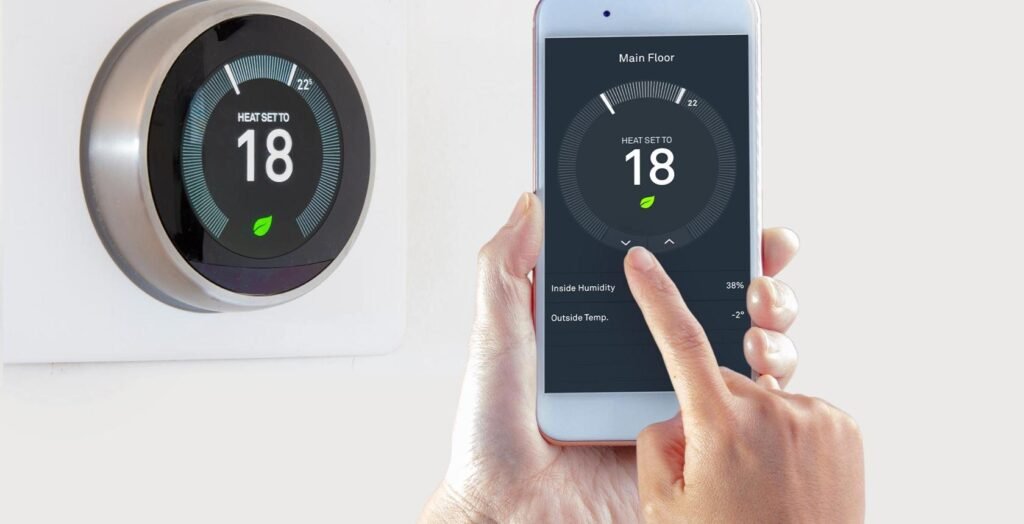
- Smart thermostats
- Home batteries
- Solar panels
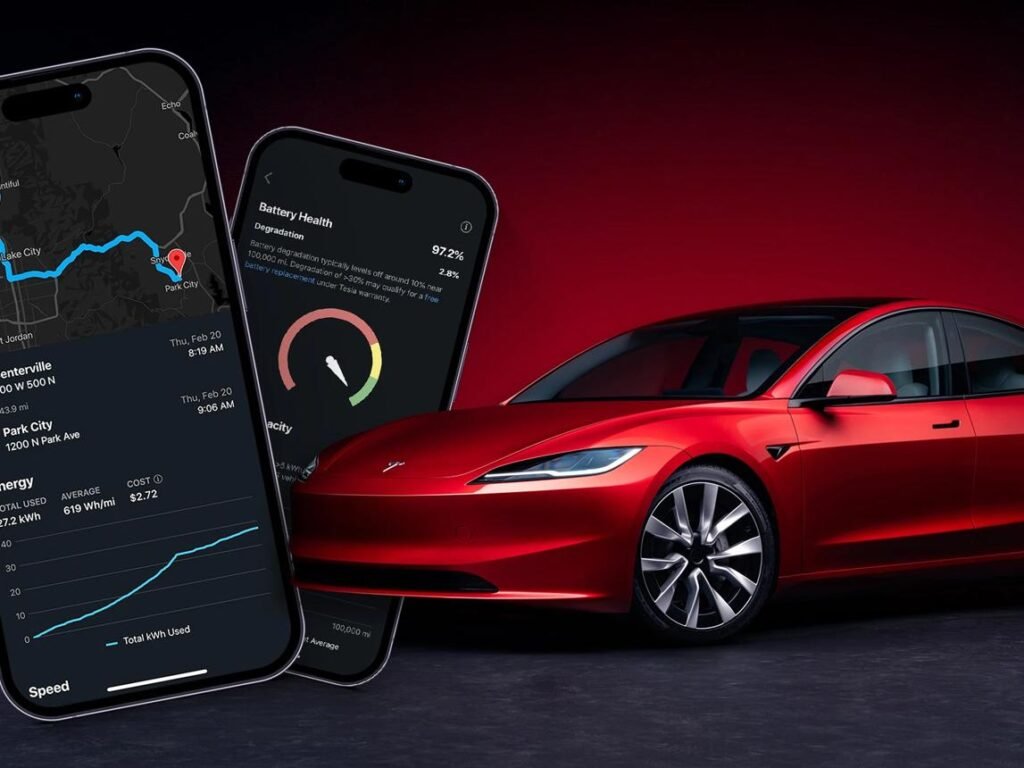
- Electric vehicles
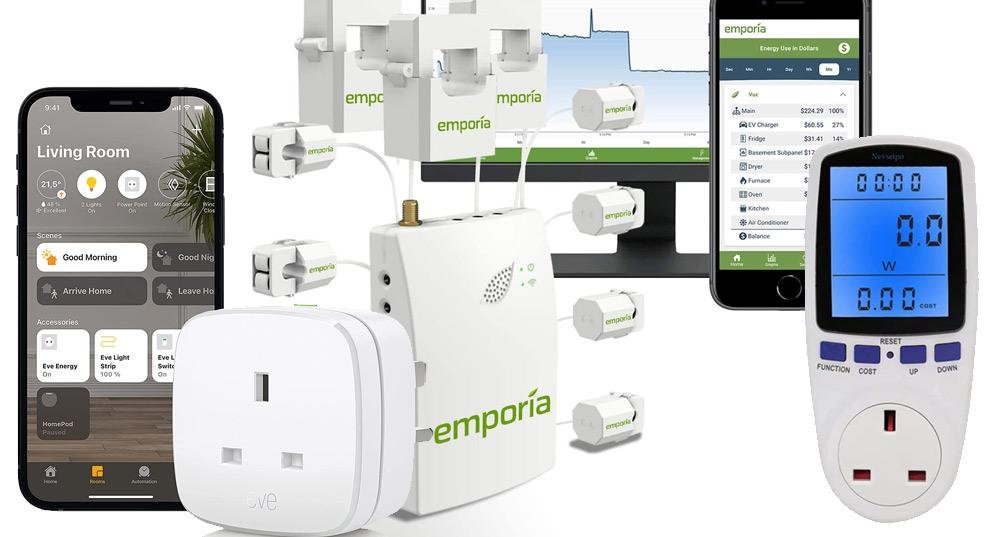
- AI-powered energy management systems
These systems can automatically react to market conditions.
A battery may charge when electricity prices collapse overnight.
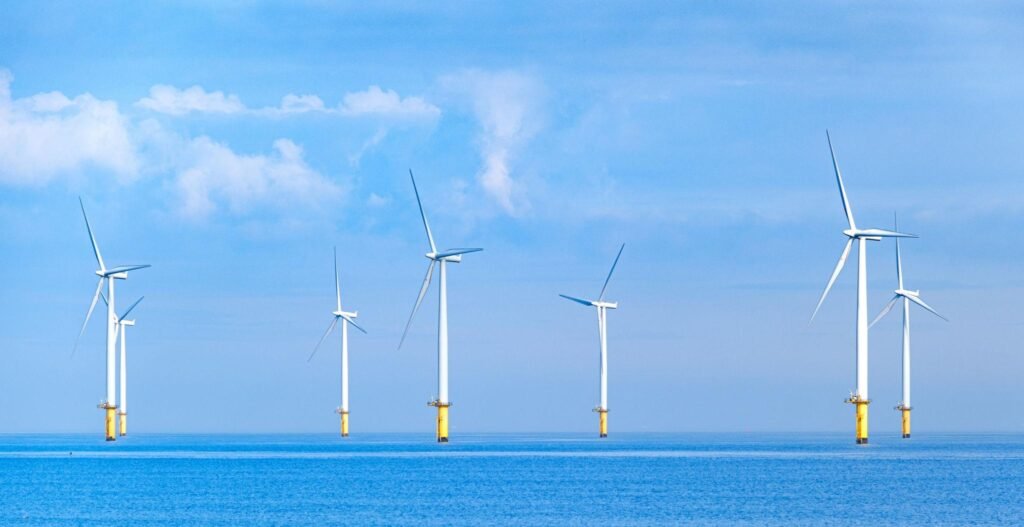
An EV may wait until surplus wind generation creates lower wholesale prices.
Heating systems may switch on when renewable generation is abundant.
The homeowner does nothing. The AI makes the decision.
Who Could Be Left Behind?
Flexibility Is Not Available To Everyone
Many households cannot easily participate in this type of energy market.
This includes:
- Renters
- Flat owners
- Lower-income households
- People without off-street parking
- Elderly residents
- Individuals reliant on medical equipment
These consumers often have less flexibility over when and how they use electricity.
As a result, they may miss many of the savings available through AI-driven tariffs.
This is where concerns about a two-tier market begin to emerge.
The AI Data Centre Effect
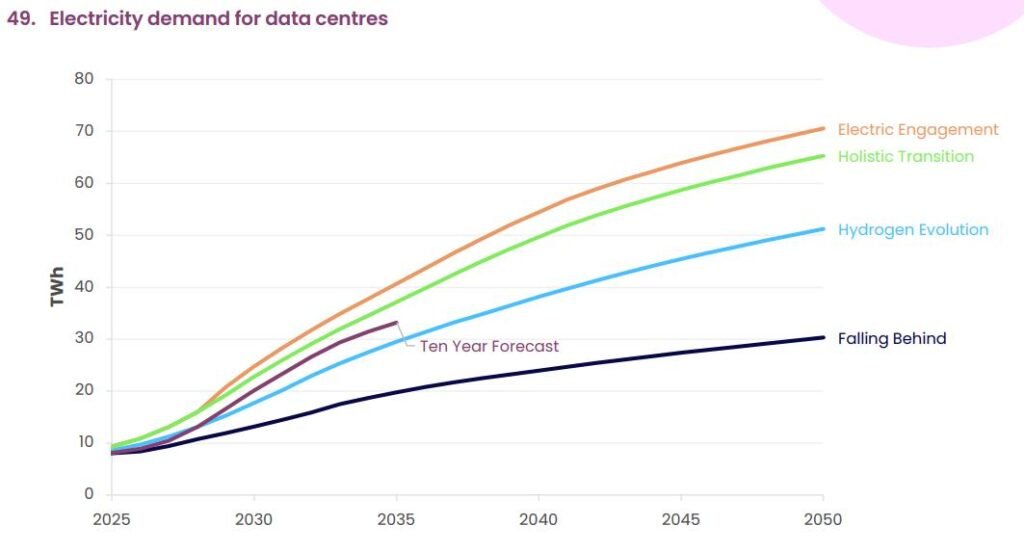
AI Itself Is Increasing Electricity Demand
The situation becomes even more complicated because AI is not only managing electricity consumption.
It is also becoming a major consumer of electricity.
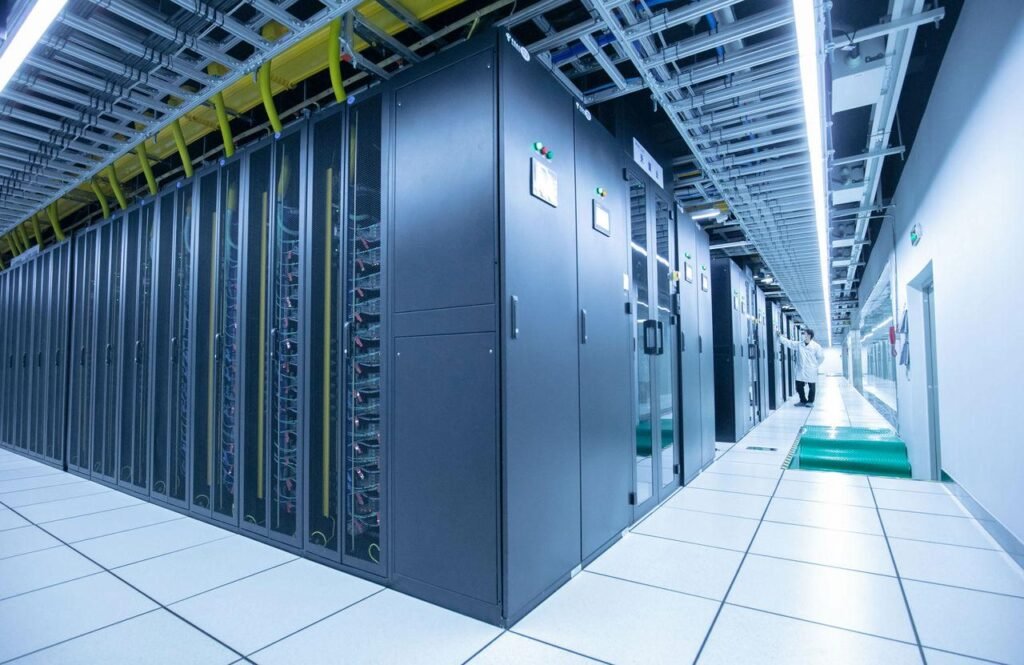
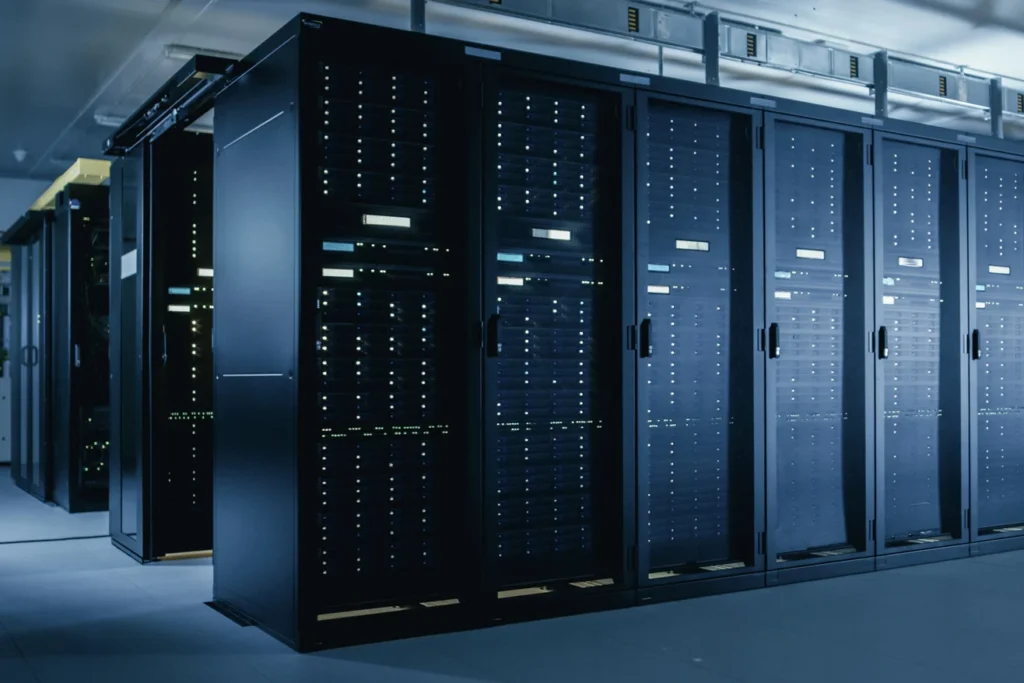
Large AI data centres require enormous amounts of power around the clock.
As explained in Does AI Increase Energy Bills in the UK?, growing AI demand is already contributing to higher electricity requirements across the UK and internationally.
If electricity demand rises faster than new generation capacity can be built, competition for available power may increase.
That could encourage suppliers to offer increasingly sophisticated pricing structures designed to influence customer behaviour.

Could Electricity Pricing Become Fully Dynamic?
The Airline Ticket Model
Many industries already use AI-driven pricing.
Airlines do it.
Hotels do it.
Ride-sharing services do it.
Electricity suppliers now possess the technology to do the same.
Future tariffs could potentially change every hour or even every few minutes based on market conditions.
When renewable generation is plentiful, prices could fall.
When demand surges and generation tightens, prices could rise.
For consumers with automated systems, this creates opportunities.
For everyone else, it creates uncertainty.
Regional Differences Could Increase
Location May Matter More Than Ever
Britain’s electricity infrastructure is not evenly distributed.
Some regions possess:
- Strong renewable generation
- Modern grid infrastructure
- Lower network congestion
Others face significant transmission constraints.
Some energy economists have suggested zonal pricing systems where electricity costs vary more significantly between regions.
If AI is used to optimise these markets, some areas could consistently enjoy lower electricity prices than others.
This introduces another possible layer of market inequality.

- Remote Control – Instantly turn connected devices on/off wherever you are through the Tapo app; Tapo P110 4-pack Alexa s…
- Schedule – Preset a schedule to automatically manage devices; P110 Alexa plug will facilitate your needs and you can sch…
- Timer – Create countdown timer lists for connected electronics with the Tapo smart plug
Could AI Actually Reduce Costs For Everyone?
The Optimistic Scenario
Supporters of AI argue that these concerns overlook the bigger picture.
AI can:
- Reduce waste
- Improve forecasting
- Increase grid efficiency
- Integrate renewables more effectively
- Reduce peak demand
- Delay expensive infrastructure upgrades
If these savings are passed through to consumers, average electricity costs could fall across the board.
The critical question is whether those savings remain within the energy industry or reach households and businesses.
Human history offers mixed results on that particular issue.
What Will Regulators Need To Do?
Protecting Fair Access
Regulators such as Ofgem will likely face increasing pressure to ensure AI-driven pricing remains fair.
Potential safeguards could include:
- Protected tariffs for vulnerable consumers
- Limits on pricing volatility
- Universal access to smart technology
- Incentives for energy efficiency upgrades
- Consumer protections around automated tariffs
Balancing innovation and fairness may become one of the defining energy policy challenges of the next decade.
The Long-Term Outlook
A Two-Tier Market Is Possible But Not Inevitable
Britain is unlikely to end up with two completely separate electricity systems.
However, it is entirely plausible that AI creates two categories of consumers.
The first group will actively participate in intelligent energy markets using automation, storage and flexible demand.
The second group will continue consuming electricity traditionally and may miss many of the savings available to the first group.
The result would not be a two-tier electricity supply.
It would be a two-tier electricity experience.
As explored in How Will AI Reshape Britain’s Energy Strategy?, the decisions made over the next decade regarding AI, infrastructure investment and market regulation may determine whether AI becomes a force for broader affordability or another technology that rewards those already best positioned to benefit from it.