Many people assume AI companies must be making huge profits. Millions of users pay monthly subscriptions, businesses are integrating AI into everyday operations, and investment continues to flow into the sector.
The reality is more complicated.
Some AI queries are profitable. Some may barely break even. Others almost certainly lose money when all costs are considered. The economics of artificial intelligence are still evolving, and the industry remains focused on growth as much as profit.
Why AI Queries Have A Real Cost
Every Question Uses Physical Resources
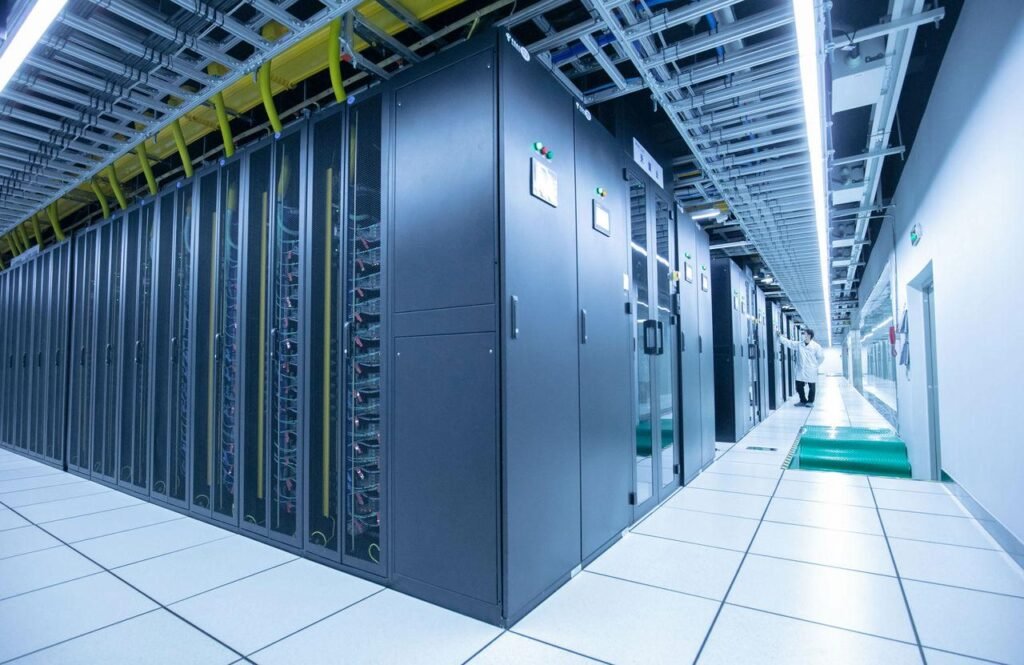
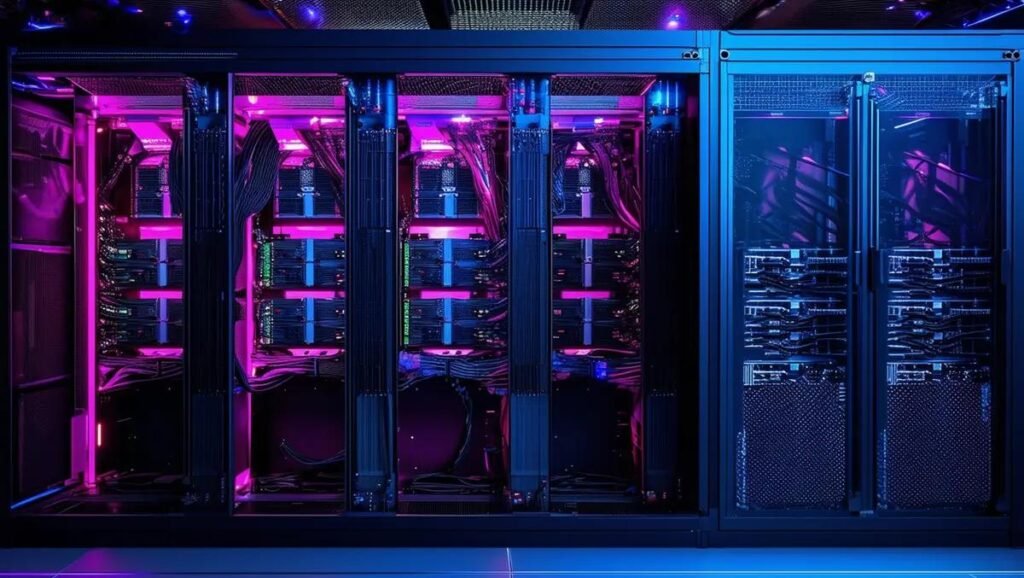
AI can feel intangible because it operates through a simple web interface or mobile app. Behind that simplicity sits a huge amount of hardware.
Every query requires:
- Processing power
- Data centre infrastructure
- Network capacity
- Cooling systems
- Electricity
- Maintenance and support
When a user asks a simple question, the cost may be tiny. However, when millions of users ask billions of questions every day, even tiny costs become significant.
The challenge for AI companies is that users rarely see these underlying expenses.
The Hidden Costs Beyond Electricity

- Coverage up to 4,000 sq. ft. and for up to 100 devices. Extend coverage up to 2,000 sq. ft. with each additional satelli…
- Ultrafast AX6000 gigabit speed with WiFi 6 technology for uninterrupted streaming, HD video gaming, and web conferencing
- Compatible with any internet service provider up to 2.5Gbps including cable, satellite, fiber and DSL. Connects to your …
Power Is Only One Part Of The Equation
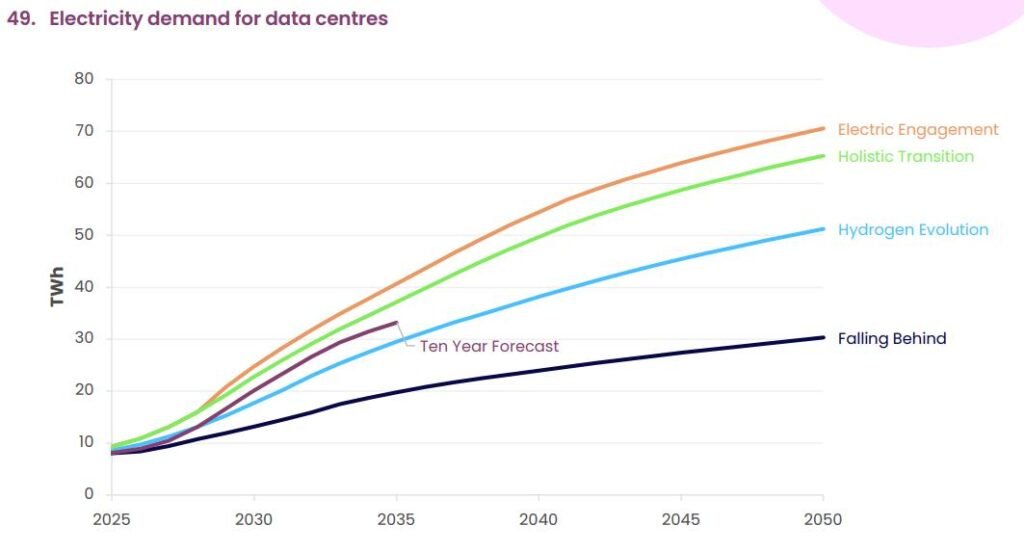
Electricity attracts most of the headlines, particularly as AI data centres consume increasing amounts of energy.
However, AI companies must also pay for:
- Advanced graphics processors (GPUs)
- Data centre construction
- Networking equipment
- Research teams
- Software development
- Cyber security
- Regulatory compliance
- Continuous model training
Some AI chips cost tens of thousands of pounds each. A modern AI facility may contain tens of thousands of these processors operating around the clock.
That means the true cost of answering a question extends far beyond the electricity meter.
Why One Query Is Not The Real Problem
Scale Changes Everything
A single query might cost a fraction of a penny.
The problem appears when that query is repeated billions of times.
Imagine a service handling hundreds of millions of requests every day. Even small operating costs become enormous when multiplied across global demand.
This is one reason AI providers constantly work on:
- Faster hardware
- More efficient software
- Lower energy consumption
- Better cooling systems
- Reduced processing requirements
Efficiency improvements are often worth millions of pounds annually.

Why AI Companies Can Lose Money Even When Users Pay
Subscription Models Create Challenges
Most consumers pay a fixed monthly fee.
The problem is that not all users consume the same amount of computing power.
One user may ask:
- Twenty questions per month
Another may ask:
- Two thousand questions per month
- Complex coding requests
- Long document analysis
- Advanced reasoning tasks
- Image generation jobs
Yet both may pay the same subscription fee.
Heavy users can therefore cost significantly more to support than light users.
In effect, some customers subsidise others.
Enterprise Customers Often Support The Economics
Business Contracts Generate Larger Revenues
Consumer subscriptions attract attention, but enterprise customers are often where serious revenue is generated.
Large organisations may pay:
- Per-user licensing fees
- Usage-based charges
- API access fees
- Custom AI development costs
- Dedicated infrastructure contracts
These customers frequently generate substantially higher revenues than consumer subscriptions.
As a result, profitability often depends on the overall customer portfolio rather than individual queries.
Why Investors Continue Funding AI
Growth Is Still The Priority
Many AI companies are operating under a familiar technology-industry model.
The objective is not necessarily to maximise profit today.
Instead, companies focus on:
- Expanding market share
- Building user bases
- Developing enterprise products
- Creating industry standards
- Securing long-term customers
Investors are willing to tolerate short-term losses if they believe future profits will be significantly larger.
This strategy has been used previously by search engines, social media platforms and cloud computing providers.
The difference is that AI requires far more physical infrastructure and energy.

- Back-UPS BX provides guaranteed power and surge protection for desktop computers, wireless networks, gaming consoles and…
- 700 VA/390 Watts – Automatic Voltage Regulation (AVR)
- PowerShute shutdown software – USB Connector
Could AI Pricing Change In The Future?
Energy Costs May Influence Pricing Models
As AI demand continues to rise, providers face increasing pressure from:
- Electricity costs
- Hardware costs
- Infrastructure investment
- Grid constraints
- Data centre expansion
Future pricing models could include:
- Usage-based charging
- Premium reasoning tiers
- Energy-linked pricing structures
- Higher subscription costs for heavy users
The current low-cost subscription model may not be sustainable forever if infrastructure expenses continue rising.
What Does This Mean For Consumers?
The Costs May Appear Indirectly
Most consumers are unlikely to receive a bill specifically labelled “AI Energy Charge”.
However, costs may appear through:
- Higher AI subscription fees
- Increased cloud software prices
- More expensive business services
- Infrastructure investment costs
If AI significantly increases electricity demand, consumers may also see indirect impacts through future energy infrastructure spending.
This is where PowerGuardian’s UK Energy Forecast would provide useful supporting context for readers interested in how rising electricity demand could affect the wider energy market.
Are AI Companies Losing Money On Every Query?
Not Every Query, But Certainly Some
The idea that every AI query loses money is an oversimplification.
Simple requests can be processed relatively cheaply and may be profitable.
More complex tasks can cost significantly more and may generate little or no profit on an individual basis.
The real question is not whether one query makes money.
The real question is whether the overall business model generates enough revenue to cover the enormous costs of hardware, electricity, infrastructure and future expansion.
At present, many AI companies appear to be betting that scale, efficiency improvements and enterprise revenue will eventually make the economics work.
Whether that bet succeeds remains one of the most important questions in the future of artificial intelligence.
Reference Material
- International Energy Agency (IEA) reports on AI and electricity demand
- Goldman Sachs research on AI infrastructure and data centre growth
- McKinsey reports on generative AI economics
- National Grid ESO publications on future electricity demand
- UK Government AI Opportunities Action Plan
- Uptime Institute data centre industry reports
- Semiconductor Industry Association reports on AI hardware demand
- Ofgem electricity market publications
- Energy Systems Catapult research into future UK electricity consumption
- Major cloud provider investor reports and infrastructure disclosures