Artificial intelligence is currently sold in a way most consumers understand. You pay a monthly subscription and gain access to chatbots, image generators, research tools and coding assistants. The pricing feels simple, predictable and familiar.
Behind that simplicity sits a very different reality.
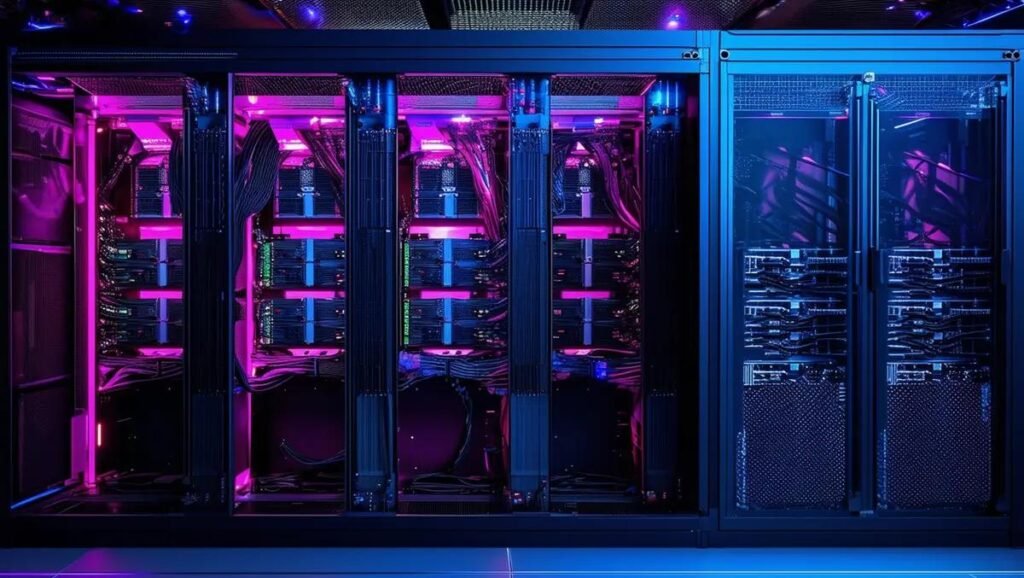
Every AI prompt requires electricity. Every image generated uses processing power. Every complex request activates thousands of processors inside energy-hungry data centres. As AI adoption accelerates, the question is no longer whether AI consumes significant electricity. The question is whether users will eventually be charged according to that consumption.
While nobody can predict the future with certainty, the possibility is becoming increasingly realistic.

- Back-UPS BX provides guaranteed power and surge protection for desktop computers, wireless networks, gaming consoles and…
- 700 VA/390 Watts – Automatic Voltage Regulation (AVR)
- PowerShute shutdown software – USB Connector
Why Subscription Pricing May Not Last Forever
The Current Model Hides Real Costs
Most AI providers currently absorb enormous infrastructure costs while focusing on growth and market share.
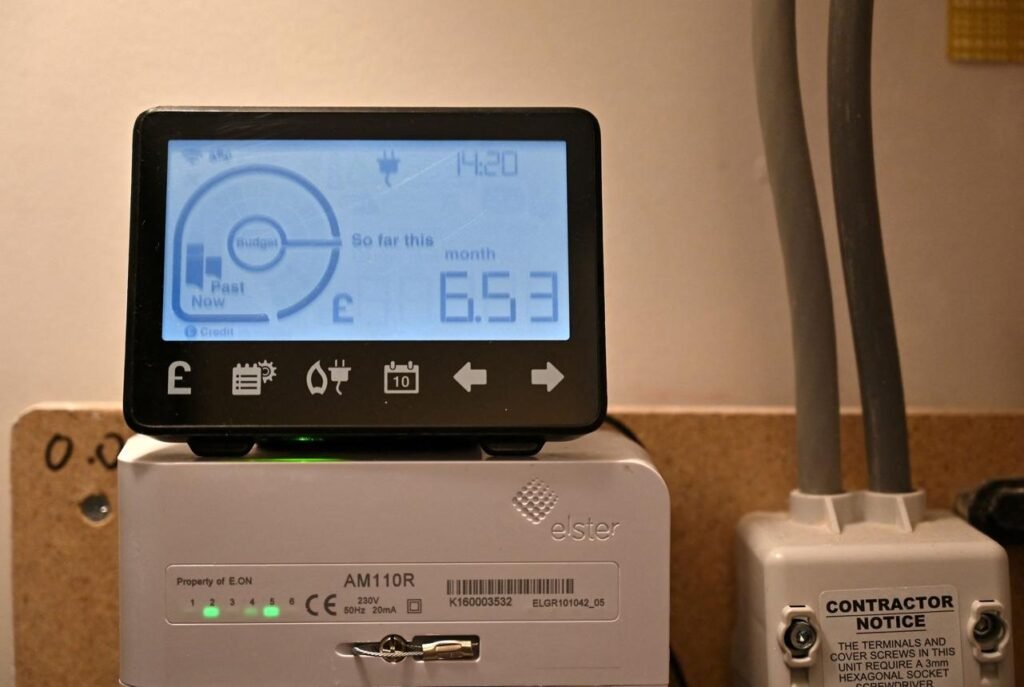
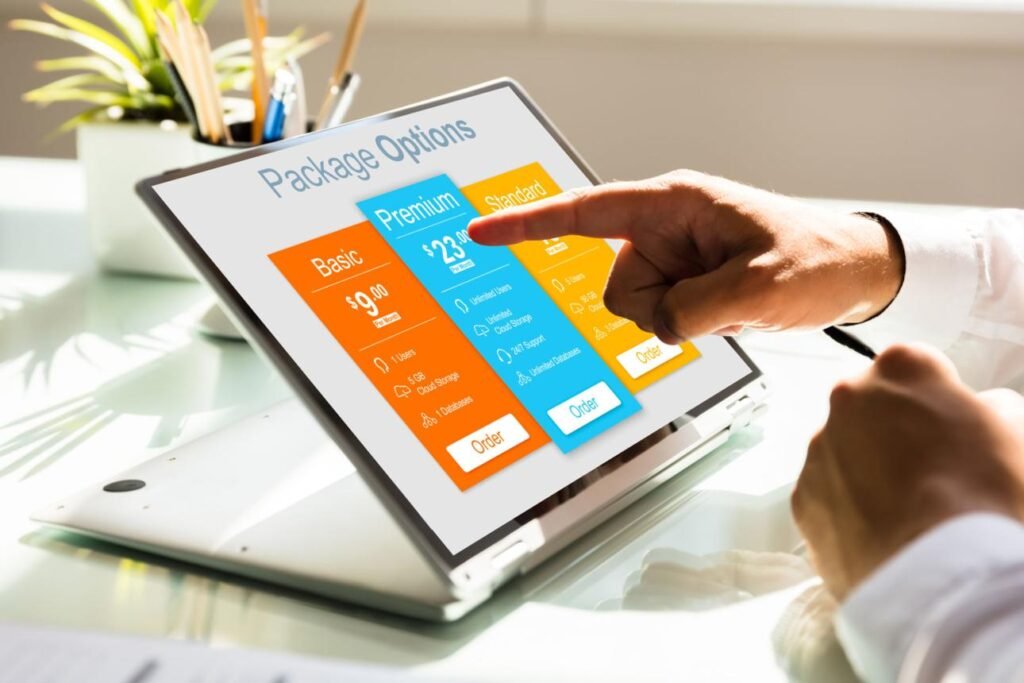
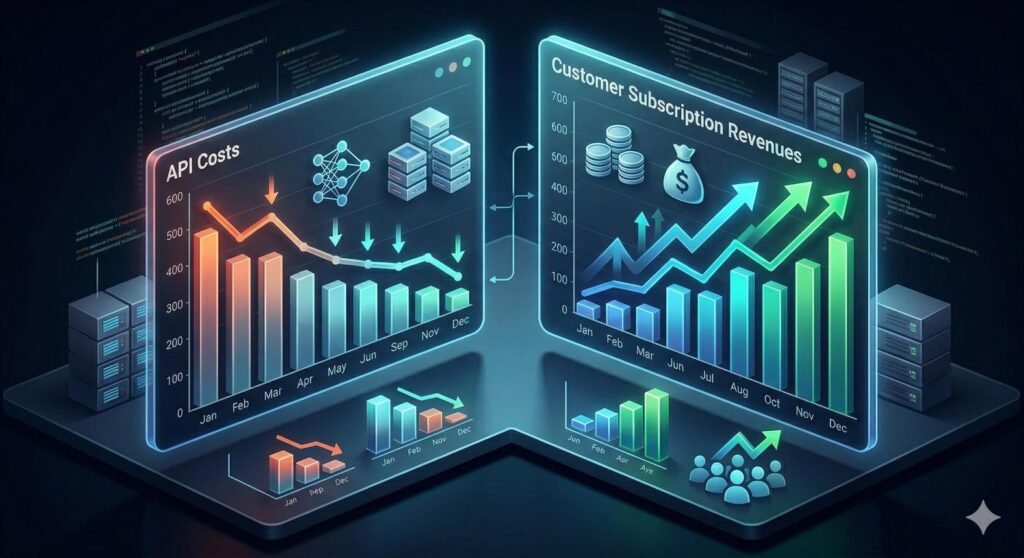
A user paying £20 per month may generate hundreds or even thousands of requests. The actual cost of delivering those requests depends on the complexity of the model, the amount of computing power required and, ultimately, the electricity consumed.
This is one reason why the article AI Subscriptions vs Real UK Energy Costs is becoming increasingly relevant. The price consumers see often bears little resemblance to the energy resources being consumed behind the scenes.
As investor expectations shift from growth towards profitability, AI providers may look for pricing structures that more accurately reflect operating costs.
Heavy Users Consume Far More Resources
Not every AI user places the same demands on infrastructure.
Someone asking a handful of questions each day creates a very different energy burden compared to a company generating thousands of images, processing documents or running AI-driven workflows around the clock.
Flat-rate subscriptions work well when usage patterns remain relatively similar. They become more difficult to sustain when a small percentage of users consume a disproportionately large share of available resources.

- SAVES ENERGY AND HEATING COSTS: With the intelligent heater thermostat X from tado°, the experts for smart heating, user…
- EASY DIY INSTALLATION, EVEN OFFLINE: The included adapter allows the thermostat to be fitted to almost every radiator va…
- CONTROL VIA APP: The thermostat has numerous features for your heating system, such as smart scheduling, temperature con…
The First Signs Already Exist
Businesses Already Pay Based on Usage
Many enterprise AI services already charge according to usage metrics.
These often include:
- Processing volume
- Number of requests
- AI tokens consumed
- Image generation volume
- API usage
Although providers rarely advertise this as energy pricing, electricity consumption sits behind nearly all of these measures.
The trends explored in AI and Electricity Pricing suggest that usage-based charging could gradually become more common as infrastructure costs continue to rise.

Why Energy-Based Pricing Could Make Economic Sense
Electricity Is Becoming a Strategic Resource
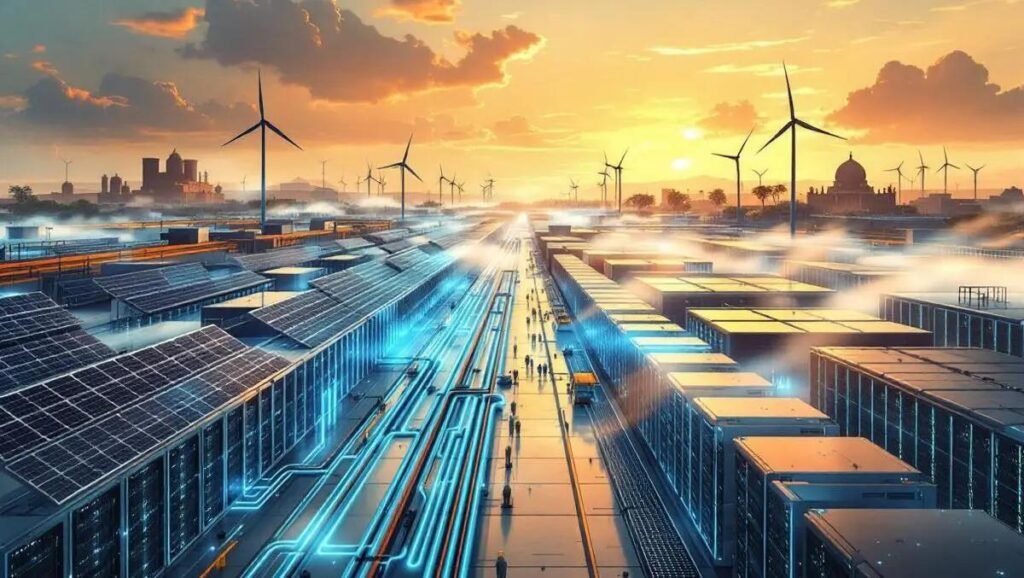
For many AI companies, electricity is rapidly becoming one of the largest operational expenses.
Building the next generation of AI systems requires:
- More computing power
- More cooling systems
- More data centres
- More electricity infrastructure
As demand increases, energy costs become increasingly difficult to ignore.
Unlike software development costs, electricity bills arrive every month and insist on being paid. A stubborn characteristic shared by most utility companies.

- Coverage up to 4,000 sq. ft. and for up to 100 devices. Extend coverage up to 2,000 sq. ft. with each additional satelli…
- Ultrafast AX6000 gigabit speed with WiFi 6 technology for uninterrupted streaming, HD video gaming, and web conferencing
- Compatible with any internet service provider up to 2.5Gbps including cable, satellite, fiber and DSL. Connects to your …
Efficient Users Could Pay Less
One argument in favour of energy-based pricing is fairness.
Users who consume relatively small amounts of computing power could potentially pay lower fees than users operating AI systems continuously.
A resource-based model could encourage efficiency while reducing cross-subsidisation between casual and heavy users.
Whether consumers would actually welcome such a system is another matter entirely.
Who Pays For AI Electricity?
The Consumer May Already Be Paying
Even without direct energy-based AI pricing, consumers may still absorb many of the costs.
The article Does AI Increase Energy Bills in the UK? explores how growing AI electricity demand could contribute to future investment in generation, transmission and distribution infrastructure.
As AI expands, somebody must pay for:
- New power generation
- Grid reinforcement
- Data centre connections
- Network upgrades
The debate is not whether these costs exist.
The debate is who ultimately carries them.
What Future Pricing Models Might Look Like
Tiered Performance Pricing
The most likely outcome is not a direct electricity meter attached to your AI account.
Instead, providers may introduce increasingly sophisticated pricing tiers.
Examples could include:
- Standard AI access
- Advanced reasoning models
- Premium research tools
- High-performance image and video generation
The pricing would effectively reflect energy consumption without explicitly displaying kilowatt-hour usage.

Dynamic AI Pricing
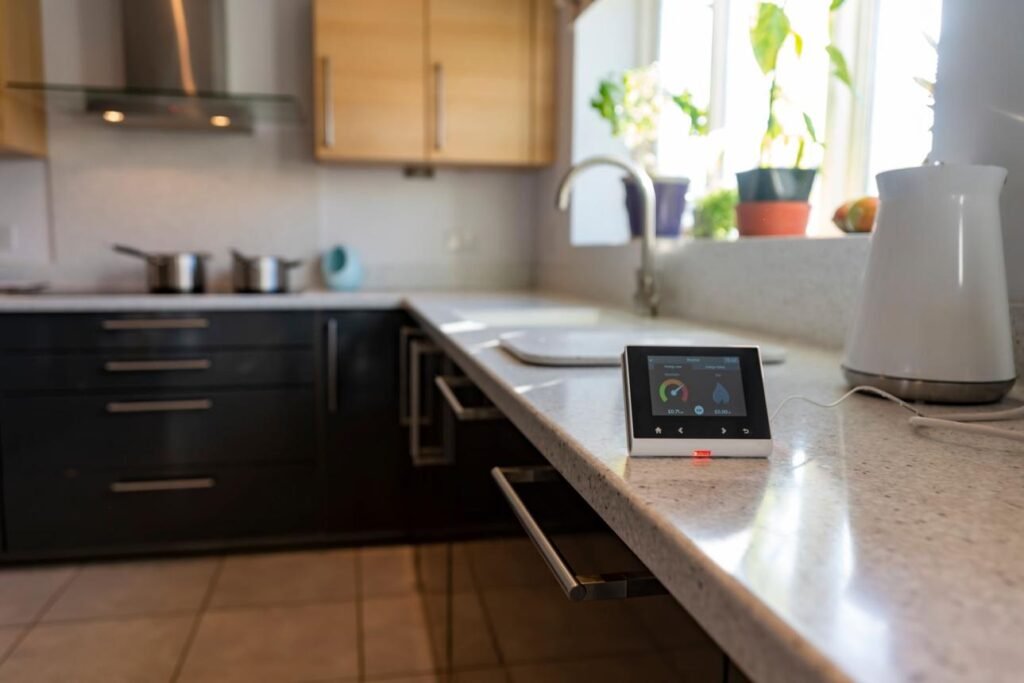
Another possibility is dynamic pricing linked indirectly to energy markets.
During periods of abundant electricity supply, AI processing could become cheaper.
During periods of constrained electricity availability, costs could increase.
Cloud computing providers already use similar principles. Extending them into consumer AI services would not be a radical leap.
Could AI Become Part Of Your Energy Tariff?
The Long-Term Scenario
A more interesting possibility is the convergence of energy and AI services.
Future energy suppliers could potentially bundle:
- Home energy optimisation tools
- AI assistants
- Smart home automation
- Dynamic electricity tariffs
An energy supplier might eventually offer discounted AI usage during periods of low electricity demand or high renewable generation.
The distinction between technology company and energy company may become increasingly blurred over the next decade.
Final Thoughts
Energy-based pricing for AI is not guaranteed, but the economic pressures pushing towards it are becoming stronger every year.
As AI systems become larger, more powerful and more electricity-intensive, providers will continue searching for pricing models that better reflect actual infrastructure costs.
For most consumers, the future is likely to involve some form of resource-based pricing rather than a literal electricity meter attached to every AI conversation.
The monthly subscription model dominating today’s AI market may eventually prove to be a temporary phase in the industry’s development.
Just as internet pricing evolved from unlimited dial-up to sophisticated usage models, AI pricing may eventually follow a similar path. The only certainty is that somebody will be paying for the electricity, and history suggests companies rarely volunteer to be that somebody forever.
Reference Material
UK Government and Energy Policy
- Department for Energy Security and Net Zero (DESNZ)
- National Infrastructure Commission
- Office for National Statistics (ONS)
UK Electricity Networks and Grid Planning
Artificial Intelligence and Data Centre Research
Academic Research
- MIT Energy Initiative
- Oxford Institute for Energy Studies
- Imperial College London Energy Futures Lab