Artificial intelligence is often sold for less than the price of a takeaway meal each month. A premium AI subscription might cost £20, £30 or £50 per month, while the data centres powering it consume electricity on a scale that would make some industrial facilities blush.
At first glance, the numbers do not seem to add up.
If AI requires enormous amounts of electricity, cooling infrastructure, specialist chips and billion-pound data centres, why is the average user paying so little?
The answer lies in a combination of investor funding, economies of scale, competition, infrastructure sharing and a business model that prioritises growth over immediate profit.
The Public Sees A Subscription

- Installs in circuit panel of most small businesses with clamp-on sensors. Supports Single phase, Single-split phase, and…
- 24/7 Energy Management and Monitoring: Automate and monitor your business’ real power anywhere, anytime to prevent costl…
- Lower Your Electric Bill: Configure settings in the Emporia Energy App to automate energy management for time of use, pe…
Most users interact with AI through a simple subscription.
They see:
- £20 per month
- Unlimited conversations
- Instant responses
- Image generation
- Document analysis
- Coding assistance
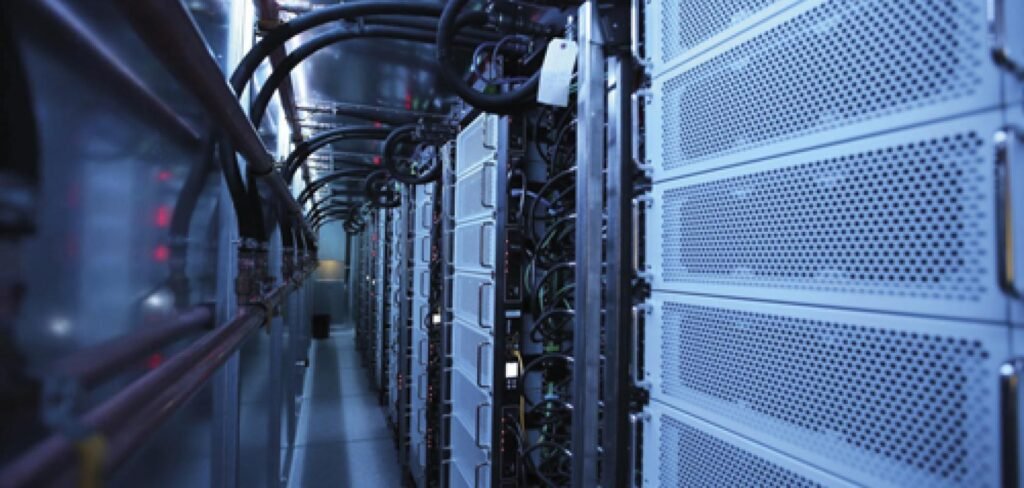
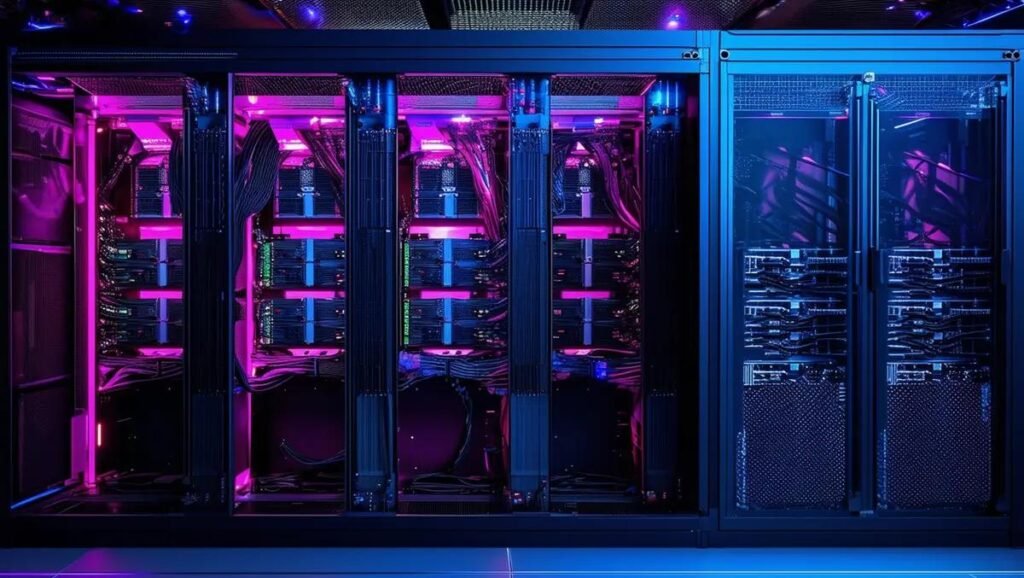
What they do not see is the infrastructure behind every request.
As explained in The Real Electricity Cost Behind AI, every prompt travels through vast networks of specialised processors, storage systems, networking equipment and cooling infrastructure.
The user experiences convenience.
The provider experiences an industrial-scale electricity bill.
The Energy Cost Is Shared Across Millions Of Users
Scale Changes Everything
One of the biggest reasons AI appears cheap is that costs are spread across enormous user bases.
Imagine an AI provider operating:
- Millions of paying subscribers
- Millions of free users
- Thousands of enterprise customers
- Large API customers
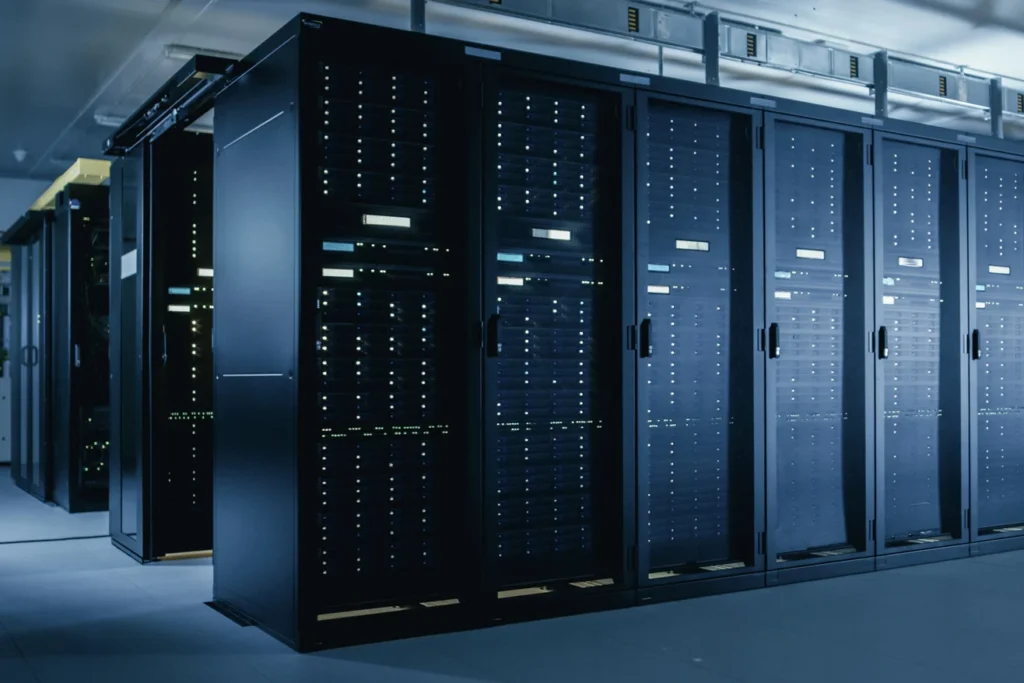
The electricity cost of a single data centre may be huge.
The electricity cost per user becomes relatively small when divided among tens or hundreds of millions of accounts.
This is similar to how streaming services distribute infrastructure costs.
Nobody builds a data centre for one customer.
They build it for millions.
Investors Are Still Subsidising AI Growth
Market Share Matters More Than Profit
Many AI companies are currently focused on expansion rather than maximising profits.
The technology industry has used this model repeatedly:
- Social media platforms
- Streaming services
- Ride-sharing apps
- Cloud computing providers
The goal is simple:
- Attract users.
- Build dependence.
- Increase market share.
- Monetise later.
Many AI providers are spending billions on infrastructure while charging relatively low subscription fees because user growth remains a strategic priority. The immediate objective is often adoption rather than extracting the maximum possible revenue from each customer.
AI Providers Buy Electricity Differently

- SAVES ENERGY AND HEATING COSTS: With the intelligent heater thermostat X from tado°, the experts for smart heating, user…
- EASY DIY INSTALLATION, EVEN OFFLINE: The included adapter allows the thermostat to be fitted to almost every radiator va…
- CONTROL VIA APP: The thermostat has numerous features for your heating system, such as smart scheduling, temperature con…
They Do Not Pay Domestic Prices
Consumers often compare AI subscriptions with household energy bills.
That comparison can be misleading.
Large technology companies:
- Negotiate industrial energy contracts
- Secure long-term power agreements
- Build dedicated renewable generation
- Invest directly in energy infrastructure
The electricity price paid by a major AI operator is often significantly lower than the price paid by a household consumer.
This does not eliminate costs.
It simply reduces them.
Not Every User Is Equally Expensive
Heavy Users Are Balanced By Casual Users
Many subscribers barely use their accounts.
Some might:
- Ask a few questions weekly
- Generate occasional images
- Analyse a handful of documents
Others generate thousands of requests every month.
The business model works because light users subsidise heavy users.
Gyms use the same approach.
They happily sell memberships knowing many people will enthusiastically attend three times in January before disappearing until next New Year.
Peoples optimism remains one of the world’s most reliable renewable resources.
Enterprise Customers Pay The Real Money

Businesses Carry A Large Share Of Costs
While consumers focus on £20 monthly subscriptions, enterprise customers often spend:
- Thousands per month
- Tens of thousands per month
- Hundreds of thousands per month
Large businesses purchasing AI services through APIs, automation platforms and cloud infrastructure generate much higher revenues than individual users.
Consumer subscriptions help build adoption.
Enterprise spending often helps pay the bills.
Hardware Investments Are Long-Term Assets
GPUs Are Expensive But Reusable
The specialised chips used for AI training and inference cost vast sums.
However, they are not consumed after a single query.
A GPU cluster can serve millions of requests over several years.
The capital investment is spread across:
- Multiple products
- Multiple customers
- Multiple years
This significantly lowers the apparent cost of each individual AI interaction.
The Current Pricing May Not Last Forever
Electricity Demand Is Rising
As discussed in AI Electricity Costs Explained, electricity costs ultimately find their way into pricing structures somewhere along the chain.
Several pressures are building:
- Rising AI adoption
- Expanding data centre demand
- Higher electricity consumption
- More expensive GPU hardware
- Grid connection costs
Many analysts expect AI pricing models to evolve over time.
Future possibilities include:
- Usage-based charging
- Premium processing tiers
- Energy-linked pricing
- Peak-demand pricing
The current subscription model may not remain unchanged indefinitely.
Who Is Really Paying Today?
The Hidden Cost Distribution
The real answer is that AI’s energy costs are currently distributed across multiple groups:
- Investors funding expansion
- Enterprise customers
- Cloud infrastructure partners
- Technology companies
- Consumers through subscriptions
- Society through grid investment and infrastructure upgrades
This distribution makes AI appear cheaper than the raw electricity consumption might suggest.
As explored in AI Subscriptions vs Real UK Energy Costs, consumers often see only the subscription price while the underlying infrastructure costs remain largely invisible.

- Back-UPS BX provides guaranteed power and surge protection for desktop computers, wireless networks, gaming consoles and…
- 700 VA/390 Watts – Automatic Voltage Regulation (AVR)
- PowerShute shutdown software – USB Connector
Could AI Become More Expensive In The Future?
Very Possibly
The current AI market resembles earlier stages of cloud computing.
Competition remains fierce.
Companies are racing for market dominance.
Once growth slows and markets mature, providers may become more focused on profitability.
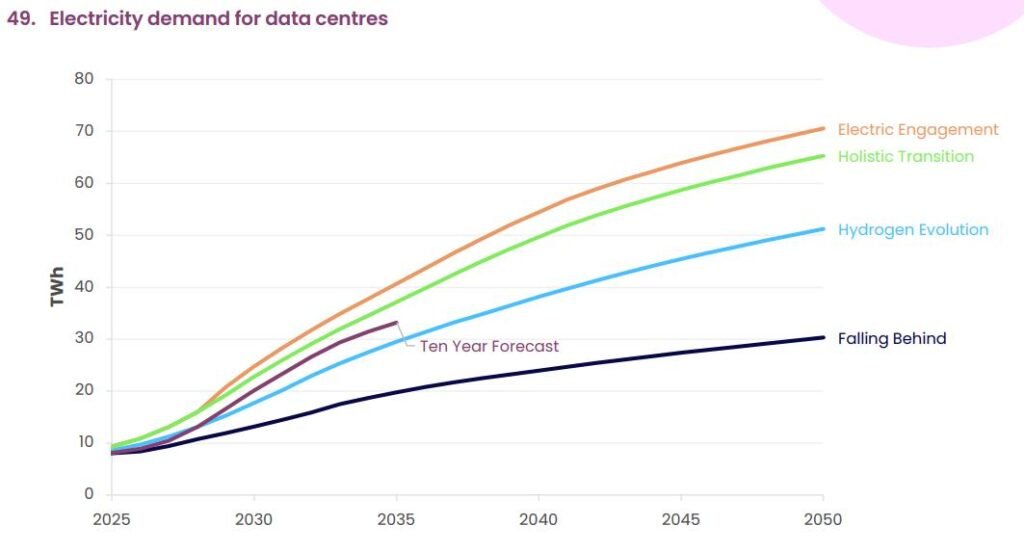
If electricity demand continues rising and data centres consume a larger share of national power supplies, pricing pressure is likely to increase. UK data centre electricity demand has already become a growing concern within the wider energy system.
Final Verdict
AI appears remarkably cheap because users are not paying the full energy cost directly.
Instead, costs are diluted across millions of users, supported by enterprise spending, subsidised by investment capital and spread across years of infrastructure use.
The £20 monthly subscription is not the true cost of running AI.
It is simply the price currently charged to encourage mass adoption.
The real electricity bill sits behind layers of data centres, industrial energy contracts, investors, cloud providers and corporate customers.
For now, AI remains one of the few products where consumers receive access to industrial-scale computing power for less than many households spend on coffee each month.
Whether that remains true in five years’ time is a very different question.