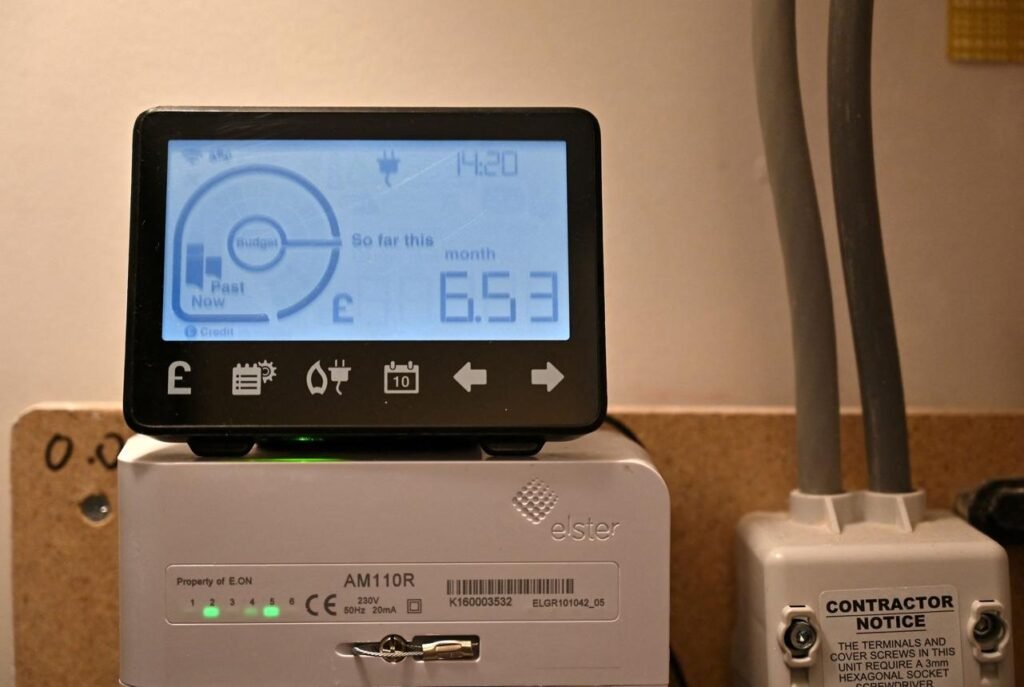
For most UK households today, electricity pricing is still fairly simple.
You use power.
Your supplier charges you a fixed rate per kilowatt-hour (kWh).
You pay a standing charge.
The bill arrives.
Everyone complains.
However, AI, smart meters, home batteries, electric vehicles and renewable energy are starting to create a completely different energy system.
Instead of paying the same price all day, every day, many households could eventually pay different prices every hour, or even every few minutes, depending on supply, demand and grid conditions.
AI is likely to become the invisible system managing those prices in the background.
Why The Current Electricity Pricing Model Is Under Pressure
The traditional energy model was built around predictable power generation.
Coal stations, gas plants and nuclear facilities generated electricity steadily throughout the day.
Renewable energy changes that equation.
Wind power might generate huge amounts of electricity at 3am.
Solar power floods the grid at midday.
Cloud cover or calm weather can reduce generation rapidly.
The challenge is that electricity must be used almost immediately after it is generated.
Unlike water, electricity is difficult and expensive to store at scale.
This creates periods where electricity can become extremely cheap or extremely expensive depending on supply and demand.
AI helps energy companies predict these fluctuations far more accurately than traditional systems.
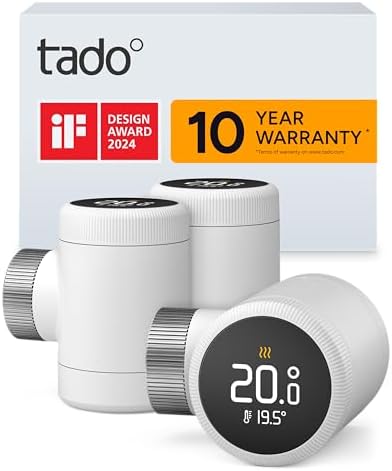
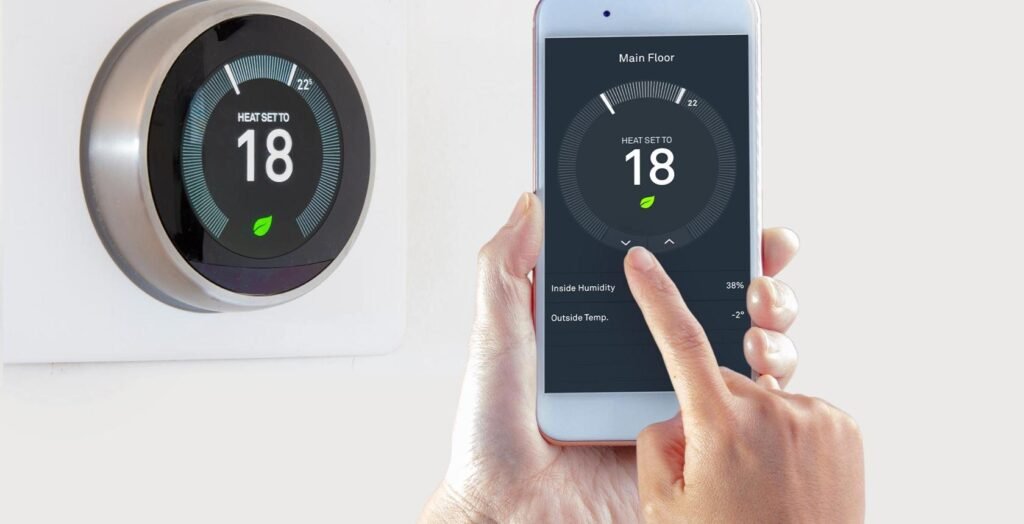
- SAVES ENERGY AND HEATING COSTS: With the intelligent heater thermostat X from tado°, the experts for smart heating, user…
- EASY DIY INSTALLATION, EVEN OFFLINE: The included adapter allows the thermostat to be fitted to almost every radiator va…
- CONTROL VIA APP: The thermostat has numerous features for your heating system, such as smart scheduling, temperature con…
How Smart Meters Are Changing Energy Billing
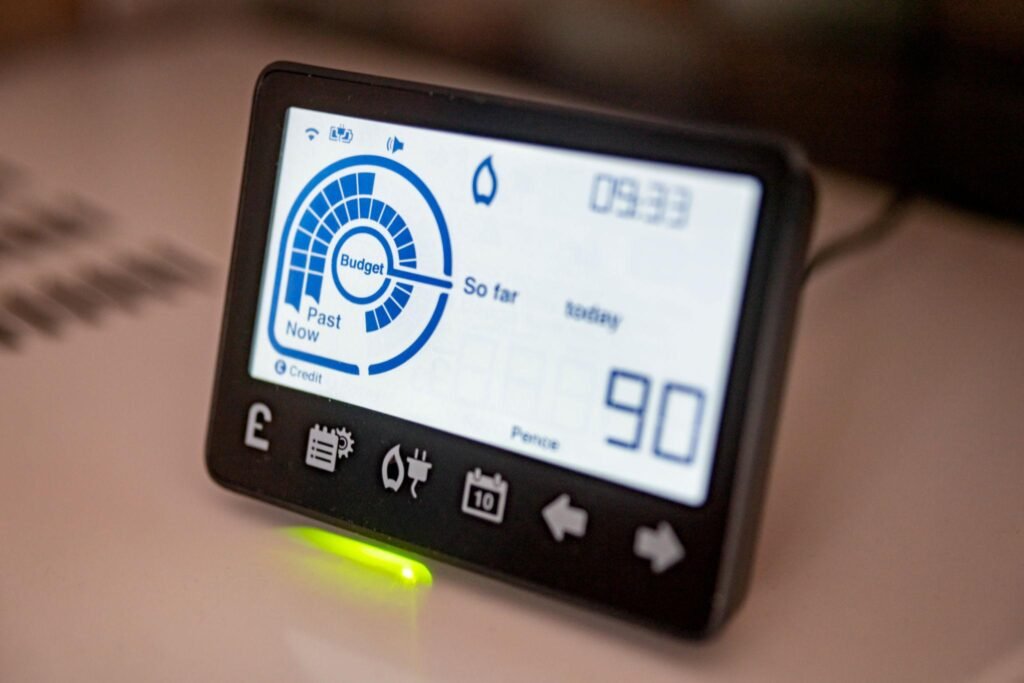
The UK’s smart meter rollout is laying the foundation for AI-driven pricing.
Traditional meters only show how much electricity you used.
Smart meters show:
- When you used it
- How much you used each hour
- Patterns in household behaviour
- Peak demand periods
This data allows suppliers to offer much more flexible tariffs.
According to Ofgem, AI can use smart meter information to track usage patterns, generate personalised tariffs and improve billing accuracy.
In practical terms, your supplier could learn that:
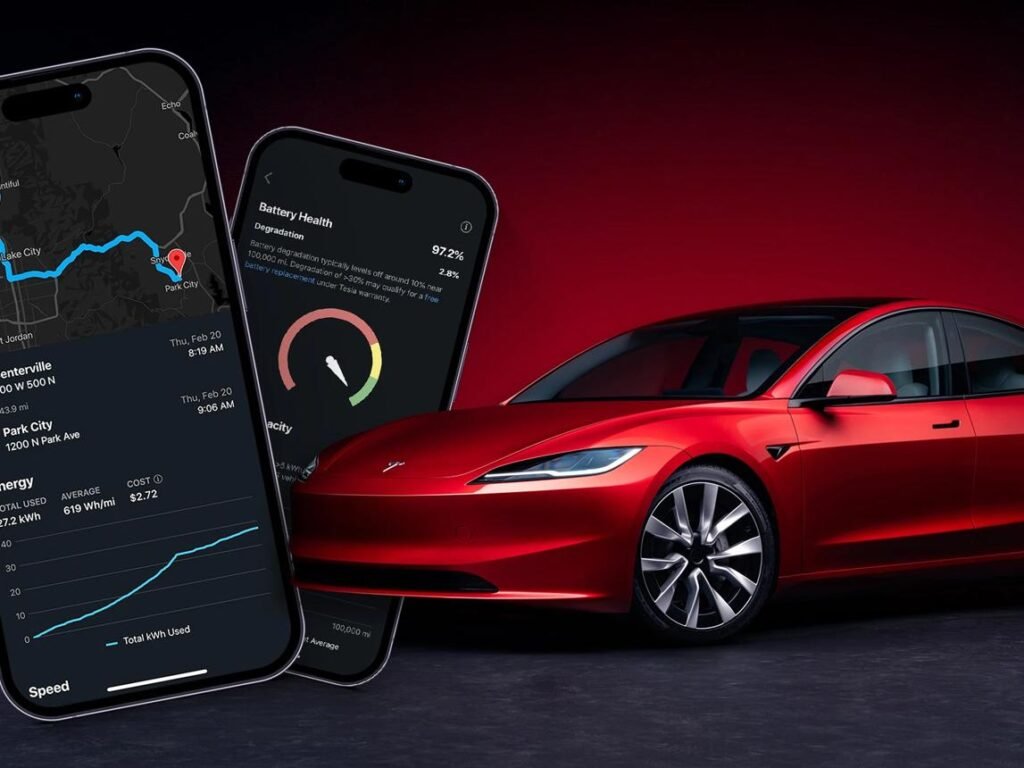
- You charge an EV every night
- You run a dishwasher after midnight
- Your heating peaks at 6pm
Future tariffs may be built around those habits.
The Rise Of Dynamic Electricity Pricing
One of the biggest changes AI may bring is dynamic pricing.
This means electricity prices change throughout the day based on market conditions.
Examples already exist in the UK through certain smart tariffs.
Electricity might cost:
| Time | Example Price |
|---|---|
| 2am | 7p per kWh |
| 10am | 18p per kWh |
| 6pm | 35p per kWh |
| Midnight | 9p per kWh |
Instead of everyone paying one standard rate, prices reflect actual grid conditions.
This helps reduce pressure on the electricity network and encourages people to shift demand away from peak periods.
[Image: Dynamic electricity pricing chart showing changing rates throughout the day]

AI Could Create Personalised Electricity Tariffs
Perhaps the most controversial possibility is personalised electricity pricing.
Research from the energy sector increasingly explores AI-driven tariffs tailored to individual household behaviour.
Imagine two households:
Household A:
- Charges EV overnight
- Uses washing machine after midnight
- Has battery storage
Household B:
- Uses large amounts of electricity during evening peaks
- Has no flexibility
AI may eventually offer each household different pricing structures.
Supporters argue this rewards efficient behaviour.
Critics worry it could create unfair outcomes if vulnerable households cannot easily change their energy usage.
This is one reason Ofgem is paying close attention to how AI is used in the energy sector.

- Installs in circuit panel of most small businesses with clamp-on sensors. Supports Single phase, Single-split phase, and…
- 24/7 Energy Management and Monitoring: Automate and monitor your business’ real power anywhere, anytime to prevent costl…
- Lower Your Electric Bill: Configure settings in the Emporia Energy App to automate energy management for time of use, pe…
Your Home Could Automatically Buy Electricity
Many people still manually decide when to use electricity.
That may not last.
Future homes may contain:
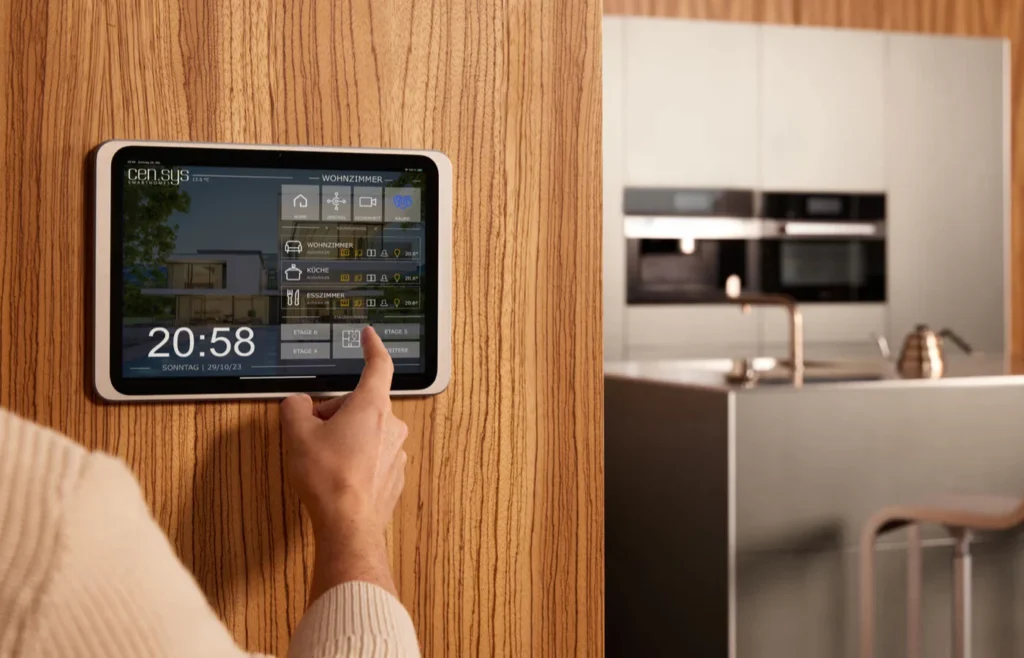
- AI energy management systems
- Smart EV chargers
- Smart heat pumps
- Home battery systems
- Connected appliances
These systems could automatically buy electricity when prices are lowest.
For example:
At 1am:
- Electricity price drops
- AI charges battery
- EV begins charging
- Hot water tank heats
At 6pm:
- Prices rise
- Home runs from stored battery power
The homeowner may barely notice.
The AI handles everything.
Some households are already experimenting with this model using smart tariffs and battery systems.
Could We Be Paid To Use Electricity?
It sounds ridiculous until you realise it is already happening in parts of Europe.
When wind and solar generation exceed demand, wholesale electricity prices can occasionally fall close to zero or even become negative.
Under future AI-managed tariffs:
- Electricity could become extremely cheap during surplus periods
- Consumers might be rewarded for increasing demand
- EV charging could become almost free at certain times
- Home batteries could earn money supporting the grid
As renewable generation expands, these situations may become increasingly common.
[Image: Electric vehicle charging overnight from cheap renewable electricity]

How AI Could Help Reduce Electricity Bills
Potential benefits include:
Better Demand Forecasting
AI predicts electricity demand more accurately.
This reduces waste and lowers balancing costs.
Reduced Grid Stress
Shifting consumption away from peak periods reduces pressure on infrastructure.
Faster Renewable Integration
AI helps balance wind and solar generation more efficiently.
More Consumer Control
Apps could recommend:
- Best charging times
- Cheapest appliance schedules
- Battery charging strategies
Some households already save hundreds of pounds annually using smart tariffs and automated energy management.
The Risks Nobody Talks About Enough
AI-based electricity pricing is not automatically good news.
Several risks remain.
Complexity
Many consumers already struggle to understand current tariffs.
Dynamic AI pricing could become confusing.
Digital Exclusion
Not everyone owns:
- Smart phones
- Smart meters
- Home batteries
- EVs
Those consumers could miss savings opportunities.
Privacy Concerns
Smart meter data can reveal:
- Occupancy patterns
- Lifestyle habits
- Daily routines
Regulators will need strong protections around data usage.
Unfair Pricing
There is a risk that households with less flexibility pay more.
This could disproportionately affect:
- Elderly residents
- Disabled consumers
- Families with young children
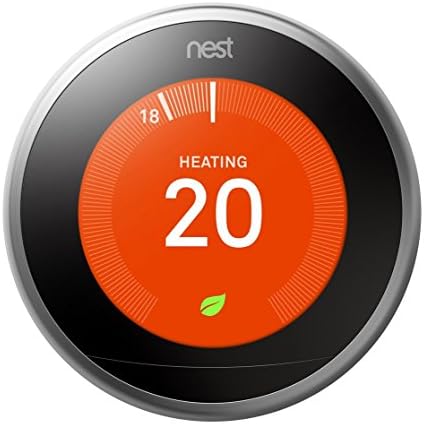
- Learning function
Could AI Replace The Energy Price Cap?
Probably not entirely.
The UK’s energy price cap remains an important consumer protection mechanism.
However, AI may gradually reduce reliance on traditional fixed tariffs by encouraging more consumers onto flexible smart pricing plans.
Instead of one national pricing structure, Britain could eventually operate with millions of semi-personalised energy plans running alongside regulated protections.
What This Means For The Average UK Household
Over the next five years, most households are likely to see:
- More smart tariffs
- Greater use of smart meters
- EV-focused pricing plans
- AI-powered energy apps
- Dynamic electricity rates
- Automated home energy management
Over the next ten years, many households may stop thinking about electricity prices altogether.
AI could simply buy, store and use electricity automatically at the cheapest possible times.
The bill would still arrive, naturally. Humans have not yet evolved beyond monthly direct debits and mild financial irritation.
Final Thoughts
AI is unlikely to completely replace the way electricity is billed, but it will almost certainly change how electricity is priced, managed and consumed.
The future energy system is moving away from static pricing and towards intelligent, real-time pricing driven by data, forecasting and automation.
For consumers who embrace smart technology, that could mean lower bills and greater control.
For regulators, the challenge will be ensuring AI-driven energy pricing remains transparent, fair and understandable.
Because if electricity tariffs become as incomprehensible as some mobile phone contracts, Britain may finally discover a new national sport: arguing with an algorithm about why the kettle cost 43p to boil at 6:17pm.
References
- Ofgem AI and Energy Sector Guidance
- Ofgem Artificial Intelligence Hub
- Oxford Institute for Energy Studies Research on AI Tariffs
- Frontier Economics Dynamic Electricity Pricing Report
- Ofgem Energy Price Cap Information
- EDF Energy Price Cap Guide
AI Playbooks
We have created Professional High Quality Downloadable PDF’s at great prices specifically for Personal or Business use in the UK. Which include help and advice on understanding what Artificial Intelligence is all about and how it can improve your business. Find them here.