Artificial intelligence is often marketed as “digital magic”. A clean little chatbot floating harmlessly in the cloud. Very elegant. Very futuristic. Very detached from reality.
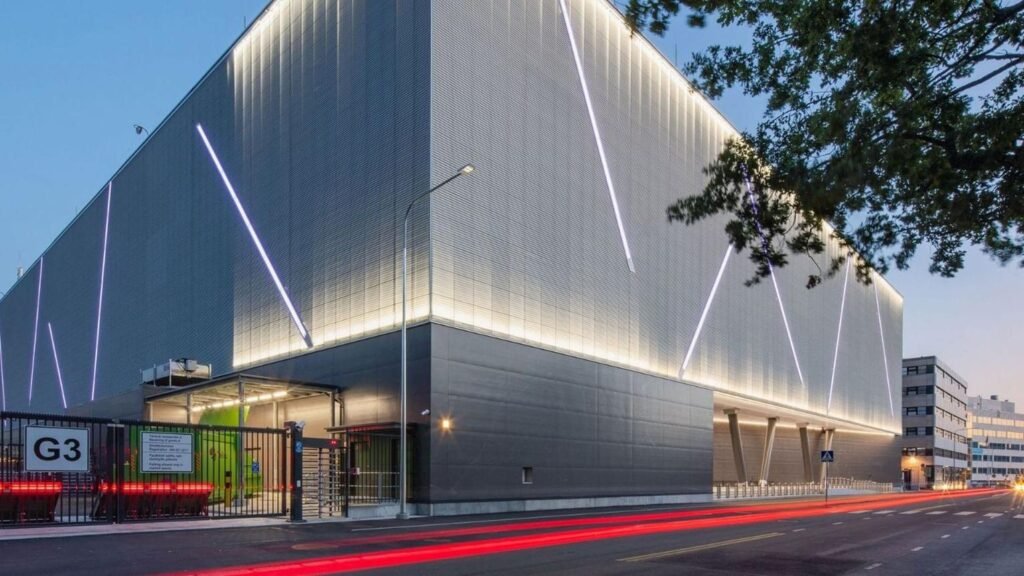
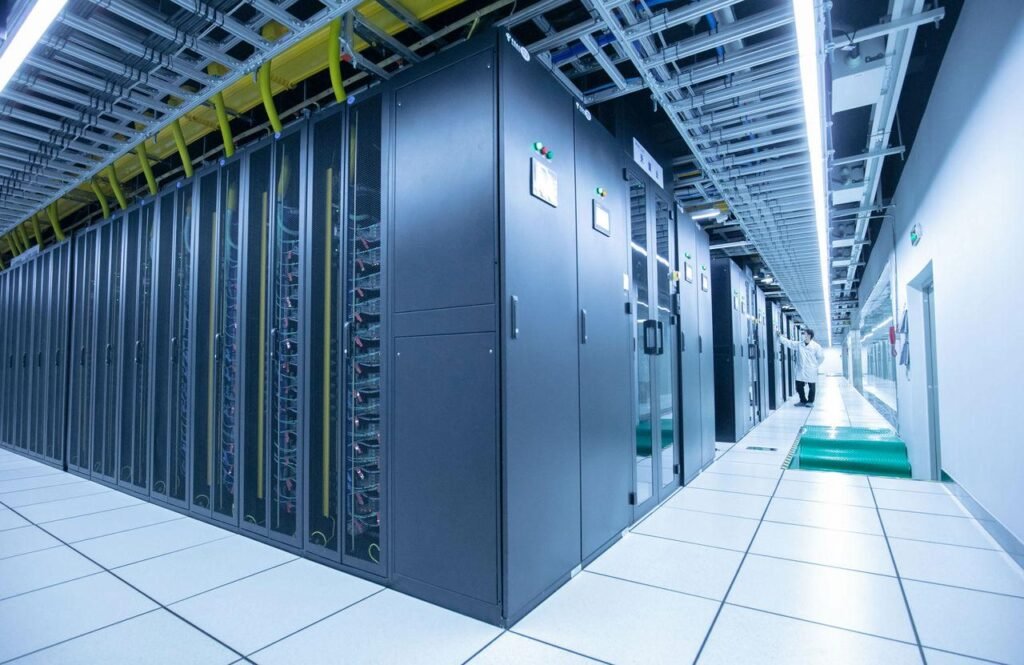
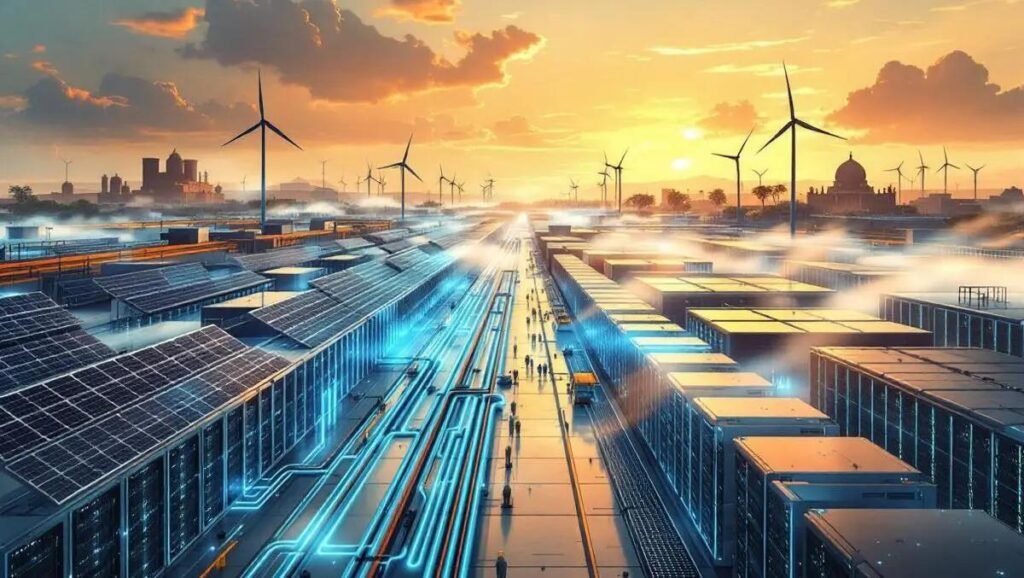
The reality is less glamorous. AI runs on vast physical infrastructure consuming extraordinary amounts of electricity, water and cooling capacity. Behind every chatbot response, AI image, video generator or automated business tool sits a network of energy-hungry datacentres packed with GPUs operating around the clock.
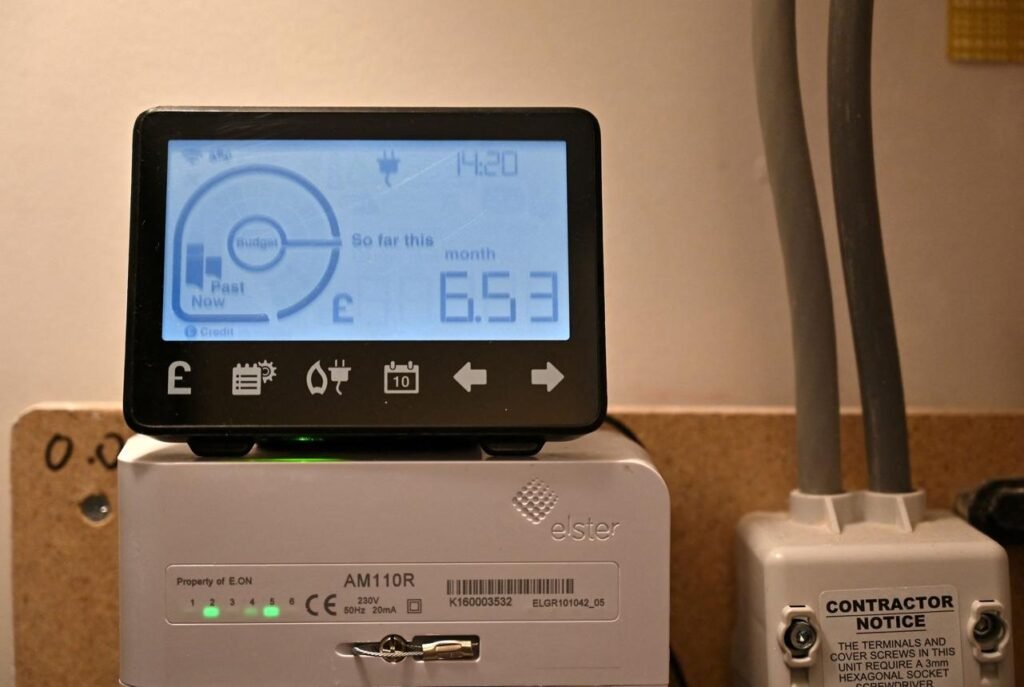
The electricity cost behind AI is no longer a niche engineering issue. It is becoming a major economic, political and environmental discussion in the UK and globally.
And the uncomfortable truth is this: the smarter AI becomes, the more power it usually needs.
AI Is Not “Floating in the Cloud”
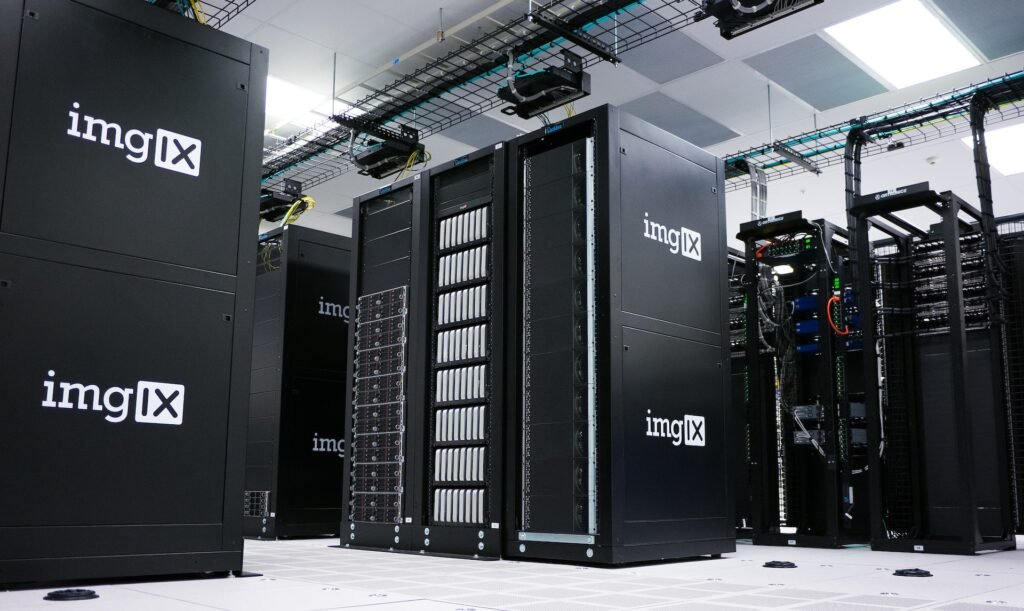
The phrase “cloud computing” has always been slightly misleading. The cloud is not some invisible digital mist hovering over humanity’s collective optimism. It is warehouses full of computers consuming industrial levels of electricity.
Modern AI systems depend on:
- hyperscale datacentres
- GPU clusters
- high-speed networking
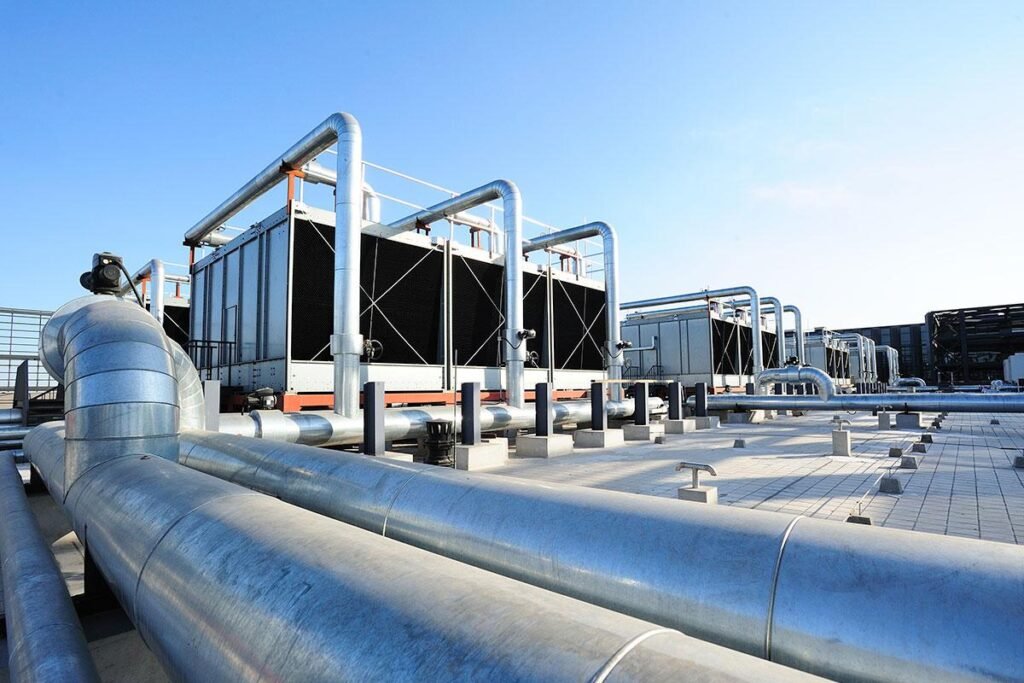
- cooling systems
- battery backup systems
- constant power redundancy
Major AI companies such as OpenAI, Google, Microsoft and Meta are investing billions into AI infrastructure because standard servers are no longer sufficient.
Training and running modern large language models requires thousands of specialist processors operating simultaneously.
If you want a deep dive into Energy costs and calculators to save money go to: https://powerguardian.co.uk
The Datacentre Boom Is Accelerating
The UK is seeing rapid growth in datacentre demand due to AI expansion.
London already acts as one of Europe’s largest datacentre hubs, with facilities concentrated around:
- Slough
- Docklands
- Hemel Hempstead
- Manchester
- South Wales
The issue is that AI workloads consume far more power than traditional cloud hosting.
A normal business application server may use modest computing resources. AI inference servers handling large language models can consume dramatically more electricity because GPUs are constantly processing massive mathematical calculations.
Some AI-focused datacentres now require energy supplies comparable to small towns.
According to the International Energy Agency (IEA), global electricity demand from datacentres could more than double over the next few years largely due to AI workloads.
That creates pressure on:
- national electricity grids
- renewable generation capacity
- electricity pricing
- cooling water supplies
- local infrastructure planning
Humans invented machines to save labour, then accidentally created an industry requiring the electrical appetite of a medium-sized country just so someone can generate a motivational LinkedIn post in 0.8 seconds. Remarkable species.
Why GPUs Consume So Much Power
GPUs Are Designed for Parallel Work

AI workloads rely heavily on GPUs rather than traditional CPUs.
A CPU handles sequential tasks efficiently.
A GPU handles thousands of calculations simultaneously.
That makes GPUs ideal for:
- machine learning
- neural network training
- image generation
- AI inference
- language model processing
The downside is energy consumption.
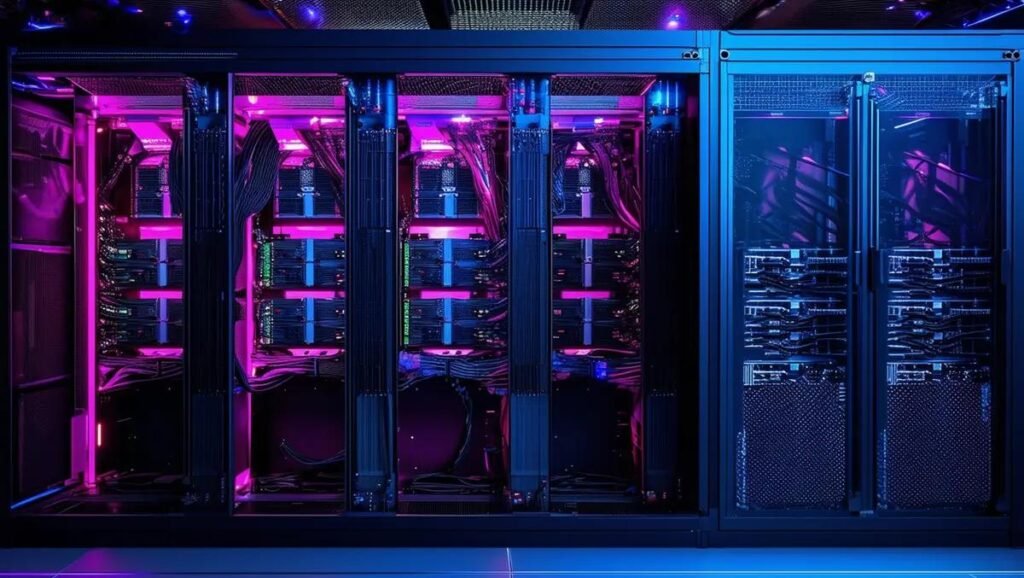
A single advanced AI GPU can consume several hundred watts continuously under load. Large AI clusters may contain:
- thousands of GPUs
- high-speed interconnect hardware
- advanced cooling systems
- redundant power systems
Power usage scales extremely quickly.
For example:
- consumer gaming GPUs may use 250–450 watts
- enterprise AI accelerators may exceed 700 watts each
- full AI racks can consume tens of kilowatts
- hyperscale AI facilities can require hundreds of megawatts
And that is before cooling overhead is added.
Cooling AI Systems Is Hugely Expensive
The electricity used directly by AI chips is only part of the story.
AI hardware generates enormous heat.
That means datacentres must invest heavily in:
- industrial cooling
- liquid cooling systems
- chilled water loops
- ventilation systems
- humidity management
Cooling itself consumes substantial electricity.
Some AI datacentres now use liquid immersion cooling or direct-to-chip cooling because conventional air cooling struggles to cope with dense GPU deployments.
This creates a secondary energy problem:
more computing power means more cooling infrastructure, which means even more electricity usage.
It becomes a compounding cycle.
AI Training vs AI Inference
Training Is Expensive

Training a large AI model is one of the most electricity-intensive activities in computing.
During training:
- enormous datasets are processed repeatedly
- trillions of parameters are adjusted
- thousands of GPUs run continuously for weeks or months
This process can consume vast quantities of electricity.
Training frontier AI models reportedly costs:
- millions of pounds in electricity
- millions more in hardware depreciation
- additional cooling and infrastructure costs
Only the largest companies can realistically afford it at scale.
Inference Is Becoming the Bigger Long-Term Problem
Inference means actually running the model after training.
Every time someone:
- asks a chatbot a question
- generates an image
- creates a video
- uses AI search
- automates a workflow
…the model performs inference calculations.
One user request may seem tiny. But multiplied across hundreds of millions of daily interactions, the electricity demand becomes enormous.
This is called inference scaling.
The more AI gets integrated into:
- search engines
- office software
- customer support
- coding tools
- smartphones
- operating systems
…the more persistent the energy demand becomes.
Training is expensive occasionally.
Inference is expensive constantly.
That distinction matters enormously.
If you want a deep dive into Energy costs and calculators go to: https://powerguardian.co.uk
UK Energy Costs Make AI More Expensive
The UK already faces relatively high industrial electricity costs compared with some other regions.
That affects:
- UK AI startups
- domestic hosting providers
- local datacentre expansion
- AI infrastructure competitiveness
Electricity pricing influences where companies build infrastructure.
This is one reason many large AI datacentres are located in:
- the United States
- Nordic countries
- regions with cheaper renewable power
- areas with strong hydroelectric generation
The UK faces challenges because:
- land is expensive
- grid capacity is constrained
- electricity costs are relatively high
- planning approval can be slow
At the same time, demand for AI services continues to grow rapidly.
That creates a difficult balancing act between:
- AI innovation
- energy security
- environmental targets
- infrastructure investment
Checkout powerguardian.co.uk to save on your personal energy bills and much more https://powerguardian.co.uk
Renewable Energy Alone May Not Solve It

Many technology firms promote “green AI” initiatives powered by renewable energy.
That helps, but the situation is more complicated than marketing headlines suggest.
Renewables are intermittent.
AI workloads are continuous.
Datacentres require:
- stable baseload electricity
- constant uptime
- redundancy
- backup systems
This means AI infrastructure often still relies on:
- grid balancing
- gas generation
- diesel backup systems
- energy storage solutions
Some experts believe AI growth could significantly increase national electricity demand over the next decade.
The concern is not necessarily that AI will “break the grid”, but that it may intensify:
- electricity price pressure
- infrastructure bottlenecks
- regional power shortages
- carbon reduction challenges
The Business Cost of AI Is Often Underestimated
Many UK businesses experimenting with AI focus only on subscription costs:
- ChatGPT licences
- AI image tools
- automation software
- API usage
What they often miss is the hidden infrastructure economics behind those services.
AI pricing today may not remain artificially cheap forever.
If:
- electricity prices rise
- GPU shortages continue
- datacentre demand expands
- regulation increases
- infrastructure costs climb
…then AI services may become significantly more expensive over time.
Some AI providers are already introducing:
- usage caps
- token limits
- premium processing tiers
- enterprise pricing
- GPU prioritisation fees
The era of “unlimited AI for £20 a month forever” may not survive contact with physics and electricity markets. Nature has this irritating habit of charging for thermodynamics.

- Perfect Home Power Station:The setup includes an MPPT hybrid inverter and two batteries. One inverter supports 120V and …
- 48V 100AH LiFePO4 Battery for Solar Systems:The ECO-WORTHY 48V (51.2V) 100AH LiFePO4 battery supports CAN/RS485 communic…
- Multi-Layer Safety Protection:Robust all-metal casing + 125A circuit breaker for physical safety.The inverter has protec…
Could AI Become an Energy Crisis Issue?
Some analysts believe AI electricity demand could eventually rival major industrial sectors.
Governments are increasingly paying attention to:
- AI infrastructure planning
- grid resilience
- energy allocation
- semiconductor supply chains
- datacentre regulation
The discussion is shifting from:
“Can we build smarter AI?”
to:
“Can we power it sustainably and economically?”
That is a very different conversation.
What Happens Next?
More Efficient AI Models
AI firms are aggressively pursuing:
- smaller models
- more efficient inference
- reduced parameter counts
- specialised AI hardware
- optimisation techniques
Efficiency improvements are essential because current scaling trends are extremely energy intensive.
Dedicated AI Infrastructure
Countries are beginning to treat AI infrastructure as strategic national infrastructure.
Expect:
- more datacentres
- direct energy partnerships
- nuclear discussions
- dedicated renewable projects
- government incentives
Higher Scrutiny of AI Energy Use
Businesses and governments are increasingly asking:
- how much energy AI consumes
- whether usage is justified
- which tasks genuinely benefit from AI
- how sustainable large-scale deployment really is
The conversation is maturing beyond hype.
Final Thoughts
AI is not merely a software revolution.
It is an infrastructure revolution.
Every chatbot response, AI-generated image and automated workflow depends on real-world electricity, physical hardware and industrial-scale computing systems.
The more AI integrates into daily life, the more visible its energy footprint becomes.
For the UK, this creates both opportunity and risk:
- investment
- jobs
- innovation
- infrastructure pressure
- rising electricity demand
- strategic energy challenges
The future of AI may depend not only on better algorithms, but on who can generate, store and deliver enough electricity to power them economically.
Underneath all the futuristic marketing and smiling stock photos of people touching holograms, the AI race increasingly looks like a global competition over power stations, cooling systems and semiconductor supply chains. Civilization remains gloriously consistent: every technological revolution eventually turns back into an argument about energy.
References & Further Reading
- International Energy Agency (IEA) – Electricity and AI
- National Grid ESO
- Ofgem
- NVIDIA Datacentre Technologies
- UK Government AI Opportunities Action Plan
AI Playbooks
We have created Professional High Quality Downloadable PDF’s at great prices specifically for Personal or Business use in the UK. Which include help and advice on understanding what Artificial Intelligence is all about and how it can improve your business. Find them here.