AI isn’t coming — it’s already quietly everywhere

AI in the UK isn’t some future sci-fi event. It’s already baked into daily life:
- customer service chatbots
- banking fraud detection
- online shopping recommendations
- navigation apps and delivery routing
Recent data shows:
- 54% of UK adults now use AI tools regularly
So even if you think you’re avoiding AI…
you’re already interacting with it multiple times a day without noticing.
How AI is changing normal life right now
Work is being reshaped, not wiped out

AI isn’t just “taking jobs.” It’s changing what jobs actually are.
- Around 70% of UK workers are in roles where AI can assist or replace tasks
- Estimates suggest 10–30% of jobs are highly automatable
But here’s the nuance people miss:
- Jobs don’t disappear overnight
- Tasks within jobs get automated first
Even recent research suggests AI is more like a “gradual shift” than a sudden collapse
What that means in real life
- less admin, more decision-making
- fewer junior roles, more skilled roles
- constant need to adapt
Not chaos. Just slow, relentless change.
Daily convenience is increasing (and so is dependency)
AI is making life easier in ways people barely notice:
- smarter search results
- personalised shopping and ads
- faster services
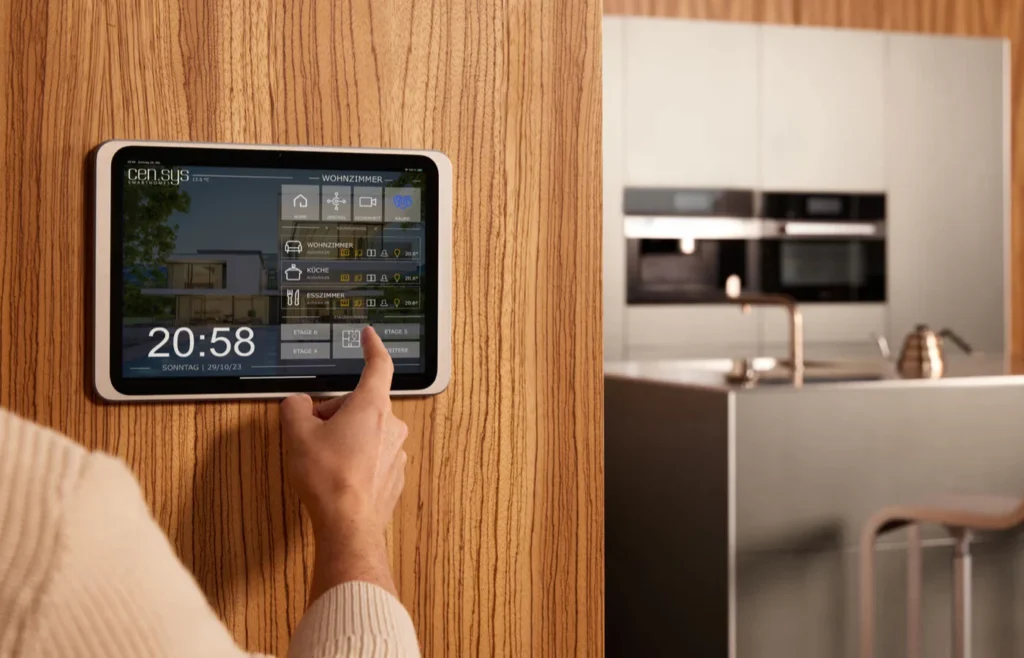
- automated household tech
Studies suggest AI could save up to a quarter of workforce time if fully adopted
That same principle applies to daily life:
- less thinking
- more automation
Convenient? Yes.
Slightly worrying? Also yes.
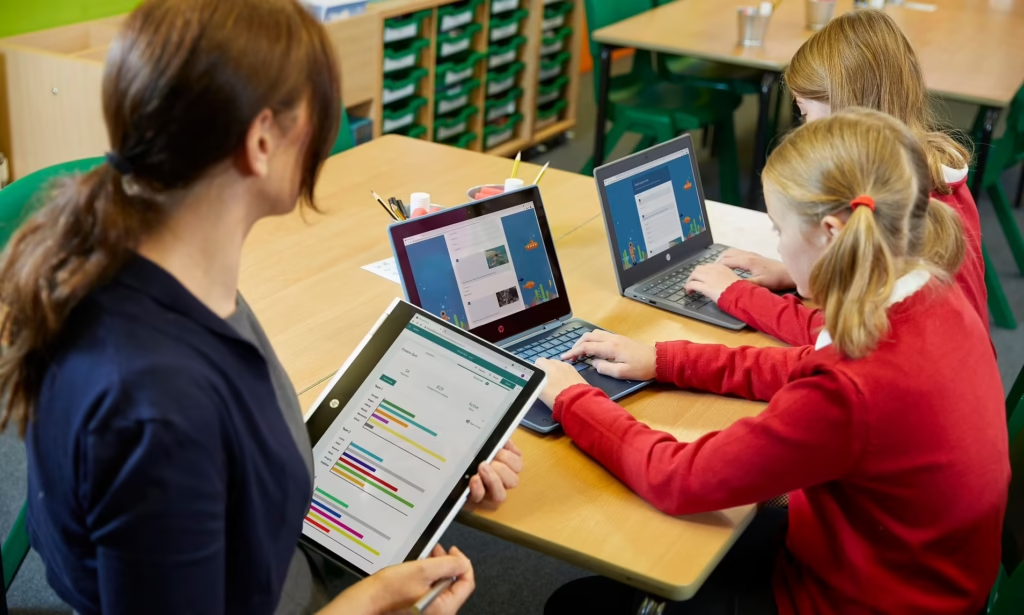
Education and thinking habits are already shifting

This one’s uncomfortable.
Teachers in England report:
- declines in critical thinking and writing skills due to AI reliance
At the same time:
- AI tutoring could expand access to education
So you get both:
- smarter tools
- potentially lazier thinking
Humans love efficiency right up until it starts replacing effort.
Advertisement

- SWITCH TO SMART LIGHTING – Start enjoying the benefits of smart lighting straight away: simply screw in your new LED lig…
- CREATE AMBIANCE WITH COLOR – Find the right ambient lighting for any mood with millions of colors and a packed library o…
- SMOOTH DIMMING – Easily dim your energy efficient bulb from full brightness all the way down to 2% using the Hue app to …
Public services and healthcare will change significantly
AI is already being tested across:
- NHS diagnostics
- council services
- policing and fraud detection
Research shows AI could reduce bureaucracy in public services by:
- up to one full working day per week
What that means
- faster services
- fewer delays
- more automated decision-making
Also:
- more concerns about fairness and transparency
Because people love efficiency… until a machine makes a decision about them.
What the future likely looks like in the UK
More AI in everything (whether you like it or not)
- AI embedded in most jobs
- AI handling routine decisions
- AI personal assistants becoming standard
The UK already has:
- 5,800+ AI companies and growing fast
That doesn’t slow down. It accelerates.
Work will split into two clear groups
- People who use AI effectively
- People replaced by those who do
There’s no polite way to phrase that.
Even now:
- some firms report job reductions in AI-exposed roles
Advertisement

- 🖨️ Print on Stickers Instantly! – Snap, print and decorate in seconds.
- 🎂 4 years+ – Perfect for children 4 years and over.
- 🔵 4x Fun Pink or Blue Sticker Rolls – Loads of printing fun included.
But also:
- new roles and industries are emerging
Same story as every major technological shift. Just faster this time.
Public opinion is still uneasy (and that matters)
- 39% of UK adults see AI as a risk
- only 20% see it as an opportunity
So while adoption is rising…
trust is lagging behind.
That tension will shape regulation, policy, and how far AI is allowed to go.
Can you avoid AI and live a “normal life”?

Short answer
Not really.
Longer, more honest answer
You can reduce your exposure, but you can’t escape it entirely.
What you can avoid
- using AI tools directly
- smart devices and assistants
- heavy digital integration
You can live:
- more offline
- more manual
- more deliberately

What you cannot avoid
- AI in banking and fraud systems
- AI in healthcare decisions
- AI in government services
- AI in businesses you interact with
Even if you never touch AI:
AI will still touch you.
The real trade-off
Avoiding AI means:
- less convenience
- slower services
- fewer opportunities
Using AI means:
- efficiency
- dependence
- constant adaptation
Pick your poison. Humans love that game.
The honest conclusion (without the hype)
AI will:
- reshape work
- change education
- alter daily habits
- embed itself into society
But it won’t:
- suddenly destroy everything
- instantly replace everyone
- remove human relevance
What it will do is quietly redefine what “normal life” means.
And here’s the part nobody likes:
There isn’t really a “back to normal” option.
There’s only:
- adapt
- or gradually fall behind
Charming, I know.
Sources & further reading
- UK Government – AI labour market impact
https://www.gov.uk/government/publications/assessment-of-ai-capabilities-and-the-impact-on-the-uk-labour-market - Royal Society – AI and jobs
https://royalsociety.org/news-resources/projects/ai-and-work/ - UK AI adoption research
https://www.gov.uk/government/publications/ai-adoption-research - Institute for Government / labour projections
https://www.gov.uk/government/publications/ai-skills-for-life-and-work-labour-market-and-skills-projections - Institute for Public Policy Research (IPPR)
https://www.ippr.org - Economics Observatory
https://www.economicsobservatory.com
Find Help and Support
We have created Professional High Quality Downloadable PDF’s at great prices specifically for AI businesses in the UK. Which include help and advice on understanding what Artificial Intelligence is all about and how it can improve your business. Find them here.