The short answer is that the biggest electricity users are not necessarily the companies with the most employees or highest revenues.
Electricity consumption is driven by:
- AI model training
- AI inference workloads
- Data centre usage
- GPU clusters
- Cloud computing contracts
- Cooling systems
In Britain, the largest AI-related electricity consumers are likely to be companies running large-scale AI models, autonomous vehicle systems, energy optimisation platforms and AI infrastructure services.
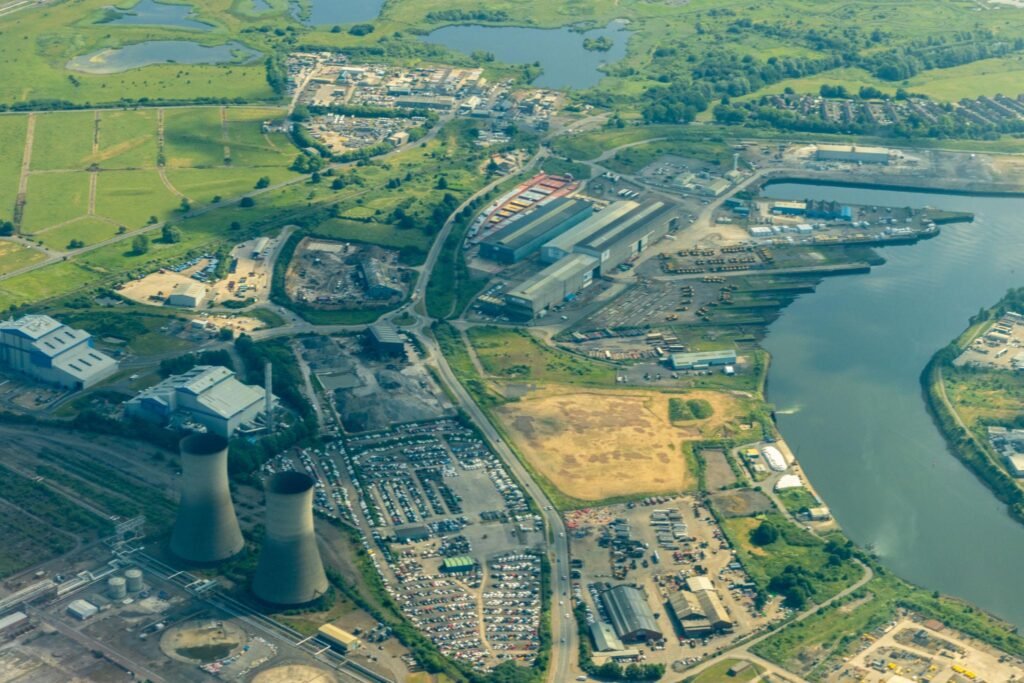
[IMAGE: Large UK AI data centre with server racks and cooling systems]

Why Electricity Use Matters More Than Company Size
A modern AI system can require thousands of graphics processing units (GPUs) running continuously.
Training a major AI model can consume as much electricity as hundreds or even thousands of UK homes use over an extended period. The real cost is not just computing power but cooling. Every server generates heat and must be kept at stable operating temperatures.
According to the International Energy Agency, global data centres currently consume around 415 terawatt-hours of electricity annually, representing roughly 1.5% of worldwide electricity consumption, and demand continues to rise rapidly due to AI expansion.
The UK government and industry groups have warned that AI-driven data centres are becoming a significant factor in national electricity demand growth.
DeepMind
One of Britain’s most famous AI companies is Google DeepMind.
Originally founded in London, DeepMind develops some of the world’s most advanced artificial intelligence systems.
Although DeepMind itself does not publicly disclose precise electricity consumption figures, its models run on massive computing infrastructure owned by Google.
Training large language models and scientific AI systems requires thousands of high-performance GPUs operating around the clock.
Why DeepMind Uses So Much Energy
DeepMind’s work includes:
- Large language models
- Protein folding research
- Advanced reasoning systems
- Robotics research
- Scientific simulation
Each of these areas requires enormous computing resources.
While the electricity technically appears under Google’s wider infrastructure, DeepMind remains one of the UK’s largest AI-related energy consumers.
[IMAGE: AI engineers working with large computing systems]

Wayve
Another major UK AI company is Wayve.
Wayve develops autonomous vehicle technology using AI.
Unlike traditional software firms, Wayve’s systems must process huge amounts of driving data.
Why Wayve Requires Significant Electricity
Wayve trains AI using:
- Road video footage
- Sensor data
- Simulation environments
- Real-world driving information
Training self-driving systems involves millions of virtual driving scenarios.
The company operates some of the largest AI training workloads in the UK automotive sector.
Stability AI
Stability AI became globally known for image generation models.
Generative AI systems are particularly energy-intensive because they require:
- Massive training datasets
- GPU clusters
- Constant model refinement
- Large-scale image generation
Every image request requires processing power, and millions of requests quickly add up.
Image generation models are among the most electricity-hungry forms of AI currently deployed commercially.
BenevolentAI
BenevolentAI applies AI to pharmaceutical research.
Drug discovery AI may sound less demanding than chatbots, but the underlying computational workloads are enormous.
Energy Requirements
The company uses AI to:
- Analyse biological datasets
- Simulate drug interactions
- Identify treatment targets
- Process scientific literature
The scale of scientific computation can rival many commercial AI applications.
Graphcore
Graphcore deserves a special mention.
Graphcore designs AI processors rather than operating consumer AI services.
However, its hardware is used in high-performance AI computing environments where electricity demand becomes a critical factor.
The company was founded partly because traditional computing hardware struggled with the growing power requirements of AI.
Ironically, one of the biggest challenges in AI today is not software but getting enough electricity to power the hardware.
Octopus Energy’s Kraken Platform
This is where things get interesting.
Octopus Energy uses AI extensively through its Kraken platform.
Kraken manages energy demand, forecasting, customer services and grid balancing across millions of accounts worldwide.
Why Kraken Uses Significant Computing Resources
Kraken continuously processes:
- Smart meter data
- Energy demand forecasts
- Grid balancing information
- Renewable generation data
- Customer interactions
Unlike model training workloads, Kraken’s electricity use comes from continuous real-time processing.
The irony is almost beautiful. Humanity invents AI to help save energy, then builds data centres that need enough electricity to power small towns.
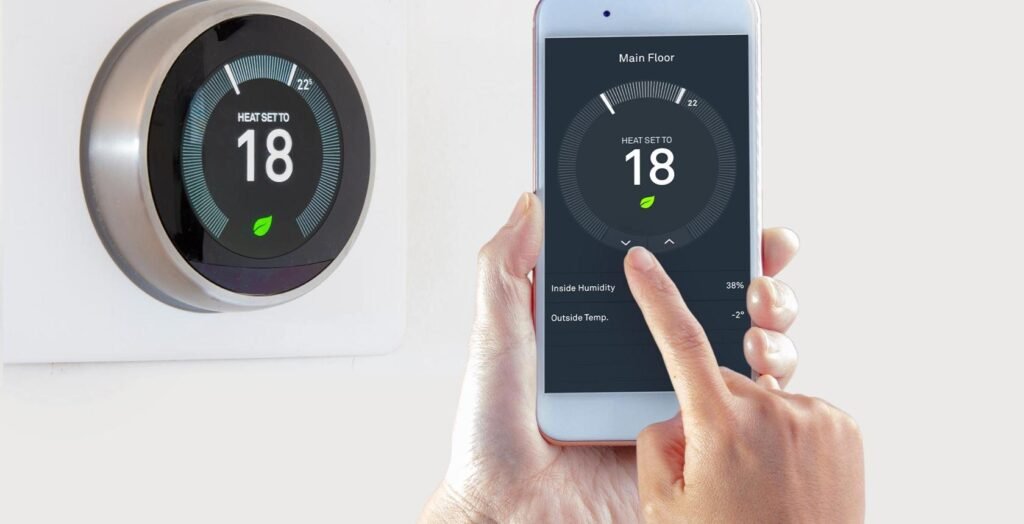
[IMAGE: Smart energy grid and AI control systems]

AI Infrastructure Companies Behind The Scenes
Many of the largest electricity consumers are not AI companies that ordinary people recognise.
These include:
- Cloud providers
- Data centre operators
- GPU hosting companies
- AI infrastructure firms
Companies supporting AI workloads often consume more electricity than the AI software companies themselves.
For example, Britain’s growing AI data centre sector is becoming one of the largest drivers of future electricity demand. Data centres currently account for around 2.5% of UK electricity consumption, with some forecasts suggesting a fourfold increase by 2030.
The National Energy System Operator estimates UK data centres consumed around 5 TWh of electricity, equivalent to roughly 2% of national demand.
The Rise Of AI Data Centres In Britain
The UK’s AI boom is increasingly tied to large-scale data centre developments.
Projects are being planned across:
- London
- Slough
- Manchester
- Teesside
- South Wales
Government-backed AI growth zones are also encouraging major infrastructure investment.
Research suggests UK data centre electricity demand could exceed 26 TWh annually by 2030, potentially approaching 9% of total UK electricity demand.
Which Company Probably Uses The Most Electricity?
Based on available evidence, the most likely ranking looks something like:
1. DeepMind (through Google’s infrastructure)
Largest AI research workloads.
2. Wayve
Major autonomous vehicle AI training operations.
3. Stability AI
Large generative AI image workloads.
4. BenevolentAI
High-performance scientific AI computation.
5. Kraken Technologies / Octopus Energy
Continuous AI-powered energy management.
The important caveat is that exact figures are rarely disclosed publicly, so these rankings reflect computing intensity rather than published electricity bills.
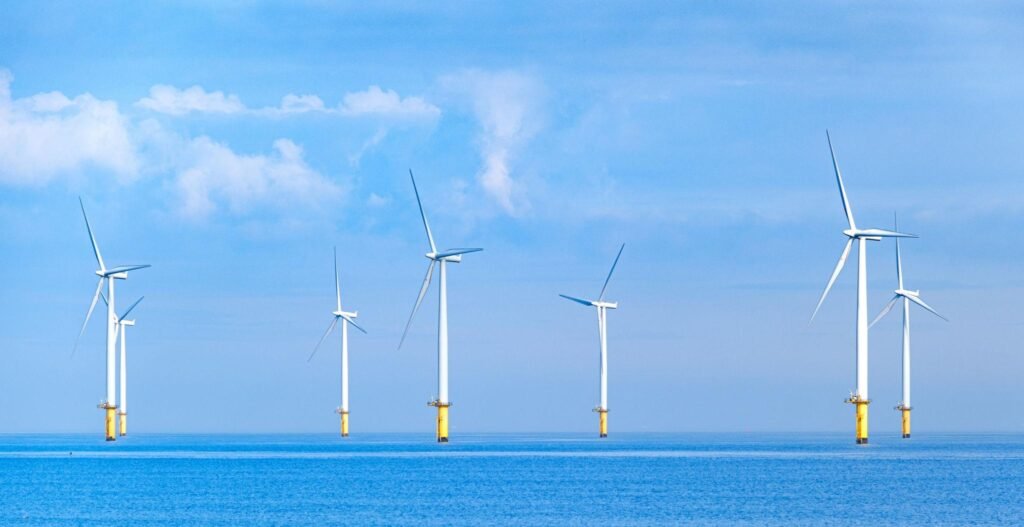
[IMAGE: UK electricity grid supporting AI infrastructure]

Could AI Become A Major UK Electricity Consumer?
The evidence increasingly points to yes.
Recent reports suggest data centres already consume between 2% and 6% of electricity in some advanced economies, with AI being a major driver of growth.
The challenge for Britain is that AI growth, electric vehicles, heat pumps and industrial electrification are all increasing electricity demand simultaneously.
That means future AI expansion is becoming as much an energy story as a technology story.
For energy companies, this creates huge opportunities.
For grid operators, it creates a planning headache measured in gigawatts.
For everyone else, it means the next time someone asks an AI chatbot for a recipe or a picture of a cat wearing medieval armour, somewhere a data centre quietly inhales another small puff of electricity. Civilisation marches on, one GPU at a time.
References
- UK Department for Energy Security and Net Zero: Impact of Growth of Data Centres on Energy Consumption
- International Energy Agency: Energy Demand From AI
- Energy UK: Powering The Cloud Report
- UK Parliament Research Briefing on Data Centres
- National Infrastructure Analysis: Powering The UK Data Boom
- Oxford Economics Data Centre Forecasts
- Octopus Energy Kraken Analysis
- UK AI Growth Zone Reporting
AI Playbooks
We have created Professional High Quality Downloadable PDF’s at great prices specifically for Personal or Business use in the UK. Which include help and advice on understanding what Artificial Intelligence is all about and how it can improve your business. Find them here.
Spread the word