Remote working has become a permanent feature of British life. Millions of people now spend at least part of their week working from home, creating a new challenge that many households had not previously faced: higher electricity consumption during working hours.
Computers, monitors, broadband routers, lighting, heating and cooling systems all contribute to rising energy bills. At the same time, artificial intelligence is beginning to appear inside everyday consumer devices, helping households reduce waste and lower electricity consumption.
The reality is that AI will not magically slash your energy bills overnight. However, a growing range of smart devices can make measurable reductions in energy usage by automatically optimising heating, lighting, appliance use and electricity consumption.
The technologies discussed below represent some of the most practical ways AI is already helping UK home workers cut costs.

Why Home Working Increases Energy Consumption
The Hidden Costs Of Working From Home
Many employees underestimate the additional energy consumed during a typical working day.
A home office often requires:
- Laptop or desktop computers
- Multiple monitors
- Wi-Fi routers
- Mobile phone charging
- Desk lighting
- Space heating
- Printers and peripherals
The biggest cost is usually heating rather than computing equipment.
A modern laptop may use only 30-70 watts, while an electric heater can consume 1,500-2,000 watts. In many UK homes, keeping a spare room warm throughout winter costs considerably more than running a computer all day.
This becomes particularly relevant when discussing Will AI Increase Energy Bills for Households?, because smarter home energy management may offset some of the increased electricity demand created by AI technologies themselves.
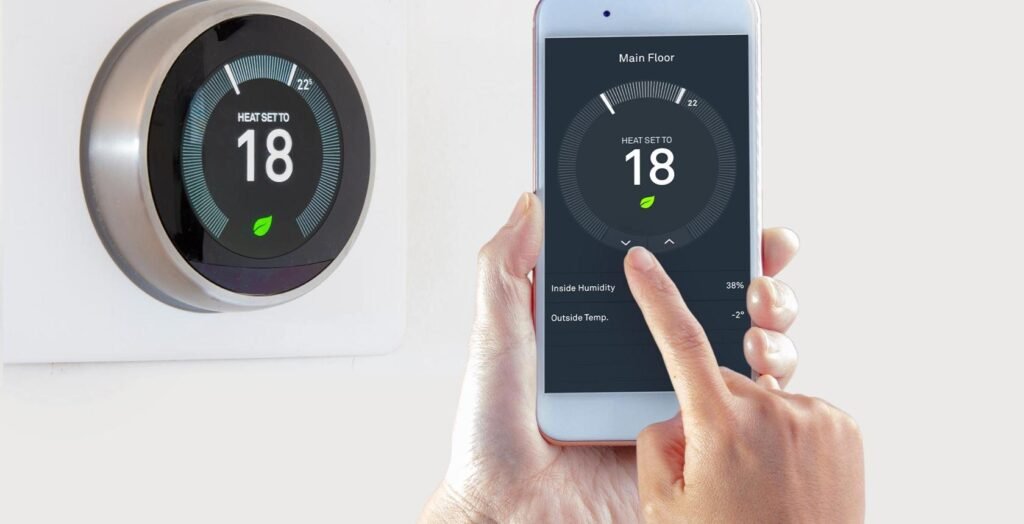
AI Smart Thermostats
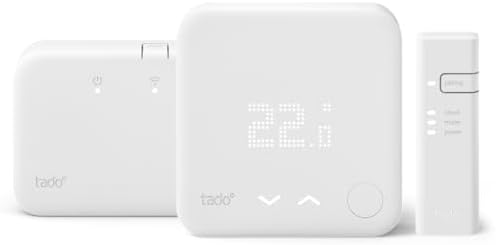
- Full control over your heating with the tado° app from anywhere, reduce your energy consumption and save money with the …
- Heating Boost: heat up all rooms for 30 minutes with one click in the app
- Smart Schedules for the perfect temperature individually in each room, at any time; only active when someone’s home; can…
One Of The Most Effective Energy-Saving Technologies
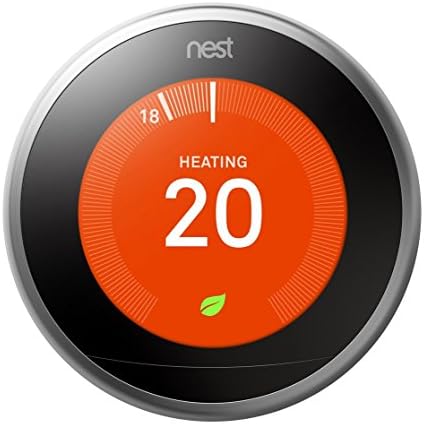
AI-powered smart thermostats remain one of the most effective devices available to UK households.
Popular examples include:
- Google Nest
- Hive
- tado°
These systems learn:
- Occupancy patterns
- Daily routines
- Preferred temperatures
- Weather forecasts
- Seasonal behaviour
Rather than heating an entire property all day, they automatically adjust temperatures based on actual occupancy.
Potential Savings
According to industry studies, smart thermostat users typically reduce heating consumption by between 10% and 25%.
For households spending £1,500 annually on heating, this could represent savings of £150 to £375 per year.
For home workers, zoned heating can be especially valuable because it allows a single office space to remain comfortable without heating unused rooms.
AI Energy Monitoring Systems

Understanding Where Electricity Is Being Used
Many consumers have little understanding of where their electricity is actually being consumed.
AI-powered monitoring systems analyse:
- Appliance behaviour
- Usage patterns
- Peak consumption periods
- Standby power waste
- Seasonal trends
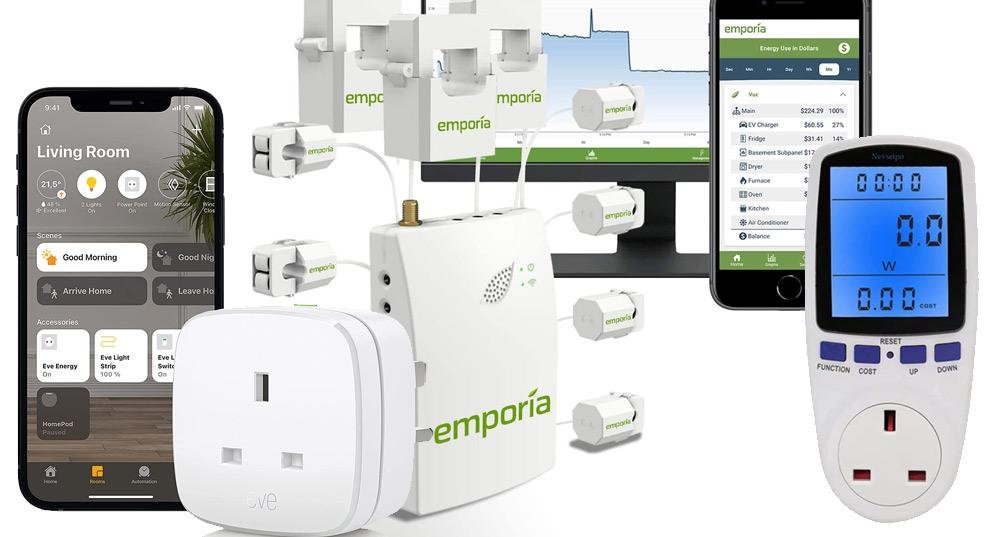
Products such as those from Sense and other smart energy management providers can identify individual appliances from electrical signatures.
This allows homeowners to spot hidden energy drains.
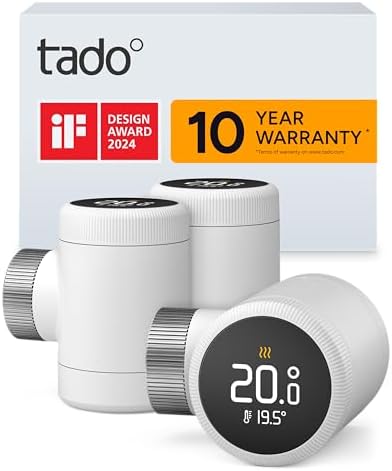
- SAVES ENERGY AND HEATING COSTS: With the intelligent heater thermostat X from tado°, the experts for smart heating, user…
- EASY DIY INSTALLATION, EVEN OFFLINE: The included adapter allows the thermostat to be fitted to almost every radiator va…
- CONTROL VIA APP: The thermostat has numerous features for your heating system, such as smart scheduling, temperature con…
The Standby Power Problem
Many home offices contain devices that remain powered continuously:
- Monitors
- Speakers
- Chargers
- Printers
- Smart assistants
AI monitoring platforms can identify devices consuming electricity unnecessarily and recommend behavioural changes.
Smart AI Lighting Systems
Lighting Only When Needed
AI-powered lighting systems use:
- Motion detection
- Occupancy sensing
- Daylight monitoring
- Usage learning
Rather than leaving lights switched on throughout the day, intelligent systems adjust automatically.
For households with multiple home workers or larger properties, these small reductions accumulate over time.
Adaptive Brightness
Modern AI lighting systems can:
- Adjust brightness based on natural daylight
- Reduce power consumption automatically
- Learn preferred settings
- Switch off unused rooms
Although lighting represents a smaller proportion of energy bills than heating, every reduction contributes to lower overall costs.
AI-Optimised Smart Plugs
Turning Traditional Appliances Into Smart Devices
Smart plugs are among the simplest AI-related energy technologies available.
They allow users to:
- Schedule operation
- Monitor electricity consumption
- Automate shutdown periods
- Eliminate standby waste
Combined with AI home management systems, smart plugs can automatically switch devices off when no activity is detected.

- Installs in circuit panel of most small businesses with clamp-on sensors. Supports Single phase, Single-split phase, and…
- 24/7 Energy Management and Monitoring: Automate and monitor your business’ real power anywhere, anytime to prevent costl…
- Lower Your Electric Bill: Configure settings in the Emporia Energy App to automate energy management for time of use, pe…
Home Office Applications
Useful examples include:
- Printers
- External monitors
- Speakers
- Coffee machines
- Chargers
Many home workers leave these devices powered unnecessarily for long periods.
See more about Smart Devices and energy savings at powerguardian.co.uk
AI-Powered Home Energy Management Platforms

The Next Stage Of Household Energy Efficiency
The most advanced systems combine:
- Smart thermostats
- Smart meters
- Solar panels
- Home batteries
- Electric vehicle chargers
- Appliance monitoring
AI algorithms continuously analyse household energy consumption and optimise usage automatically.
Dynamic Electricity Tariffs
Increasing numbers of UK households are moving towards time-of-use electricity tariffs.
AI management platforms can:
- Charge batteries during cheaper periods
- Delay appliance use
- Optimise EV charging
- Reduce consumption during peak pricing
These systems effectively act as automated energy managers.
AI Devices And Home Working Productivity
Saving More Than Electricity
Many AI-powered devices offer additional benefits:
- Improved comfort
- Better temperature control
- Enhanced productivity
- Reduced distractions
- Automated home management
For remote workers, maintaining a comfortable working environment without excessive energy consumption is often more valuable than simply reducing electricity use.
Are The Savings Worth The Cost?
- Learning function
The Financial Reality
Consumers should approach AI energy-saving claims with realistic expectations.
Approximate UK costs:
| Device | Typical Cost |
|---|---|
| Smart Plug | £10-£40 |
| Smart Lighting Starter Kit | £50-£200 |
| Smart Thermostat | £150-£350 |
| Advanced Energy Monitoring System | £150-£500+ |
The greatest return on investment typically comes from:
- Smart thermostats
- Energy monitoring systems
- Smart plugs
Heating remains the largest household energy expense, making thermostat optimisation the most impactful technology for most home workers.
The Future Of AI Home Energy Management
Autonomous Energy Optimisation
The next generation of AI systems will likely become increasingly autonomous.
Future systems may:
- Predict occupancy with greater accuracy
- Optimise energy usage based on grid conditions
- Coordinate solar generation and battery storage
- Manage EV charging automatically
- Respond to real-time electricity pricing
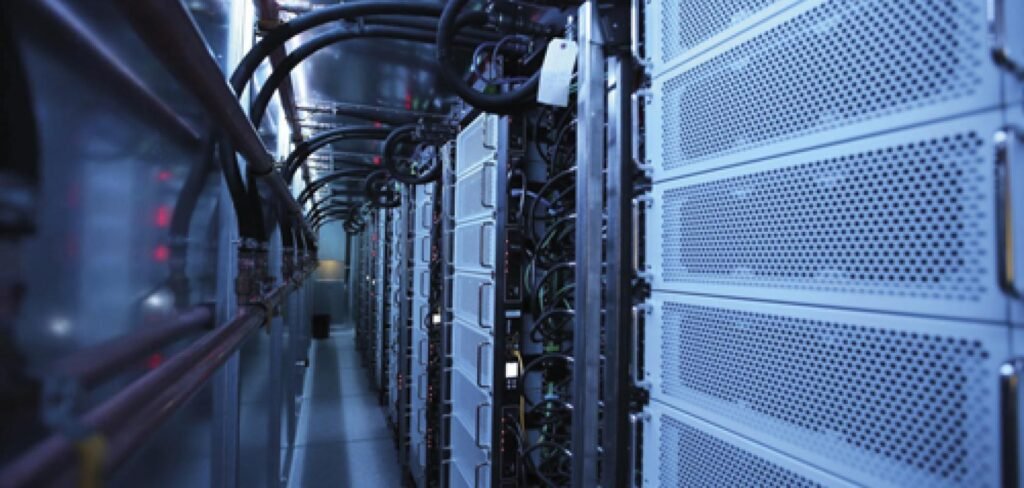
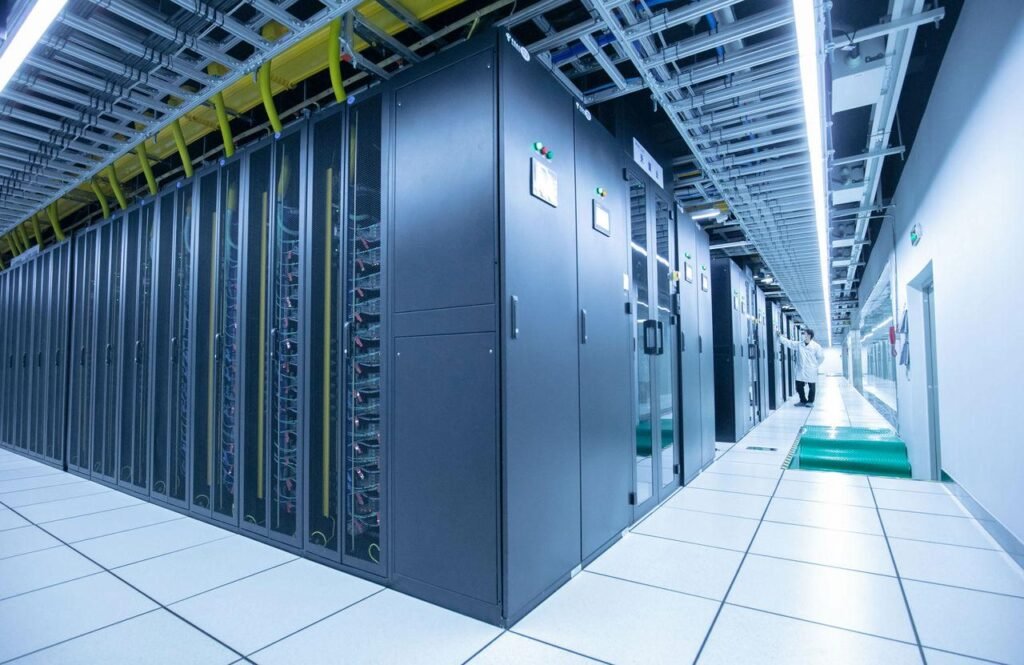
While AI itself consumes significant amounts of electricity in large data centres, many consumer AI applications may help households become more energy efficient.
Final Thoughts
For UK home workers, the biggest opportunities for reducing energy costs remain surprisingly simple.
AI-powered thermostats, smart plugs, energy monitors and intelligent lighting systems can all contribute to lower consumption, but heating optimisation delivers the largest savings in most homes.
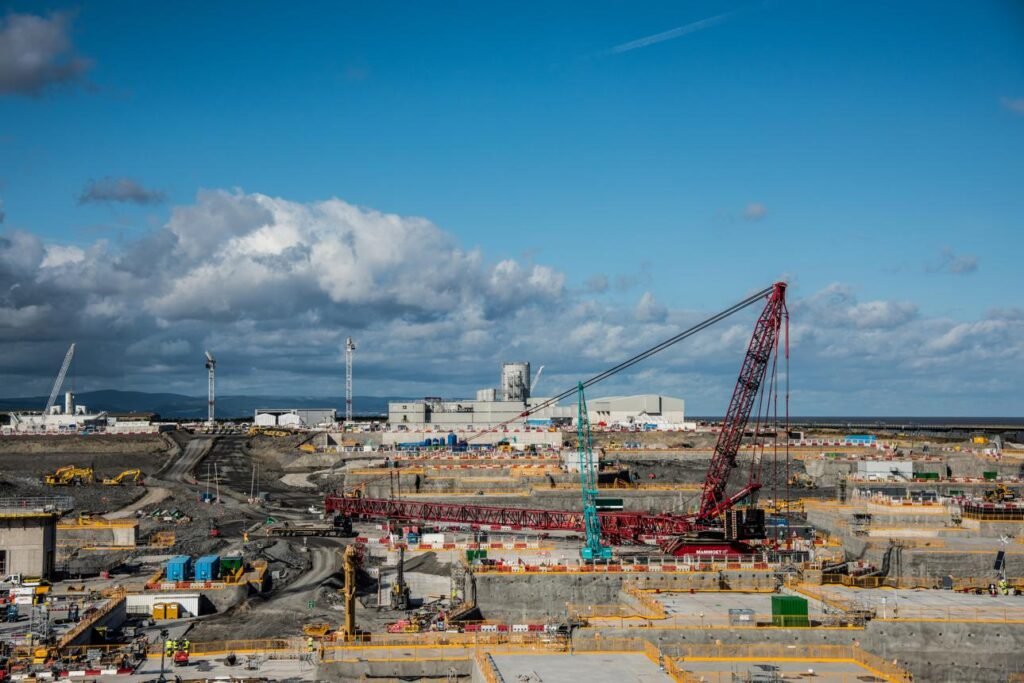
The irony is difficult to ignore. Vast AI data centres consume enormous quantities of electricity to train sophisticated algorithms, only for those same algorithms to spend their time reminding humans to switch off a lamp they forgot about. Yet if that lamp is joined by millions of others across Britain, the savings become meaningful.
The most effective strategy is not buying every AI gadget available. It is choosing technologies that directly target your home’s largest energy expenses and allowing automation to eliminate waste that humans inevitably overlook.