Artificial Intelligence (AI) has quietly become a part of everyday living, including how people manage their health from home. What was once limited to basic step counters and blood‑pressure monitors is now evolving into intelligent, learning technology that tracks well‑being, detects problems early, and even connects users to healthcare services automatically.
AI isn’t replacing doctors or public health systems; instead, it’s becoming a home‑based assistant, bringing some NHS functions and preventative care into the household — from early diagnostics to lifestyle management.
1. Early Detection and Monitoring
Smart Devices that “Listen” and “Learn”
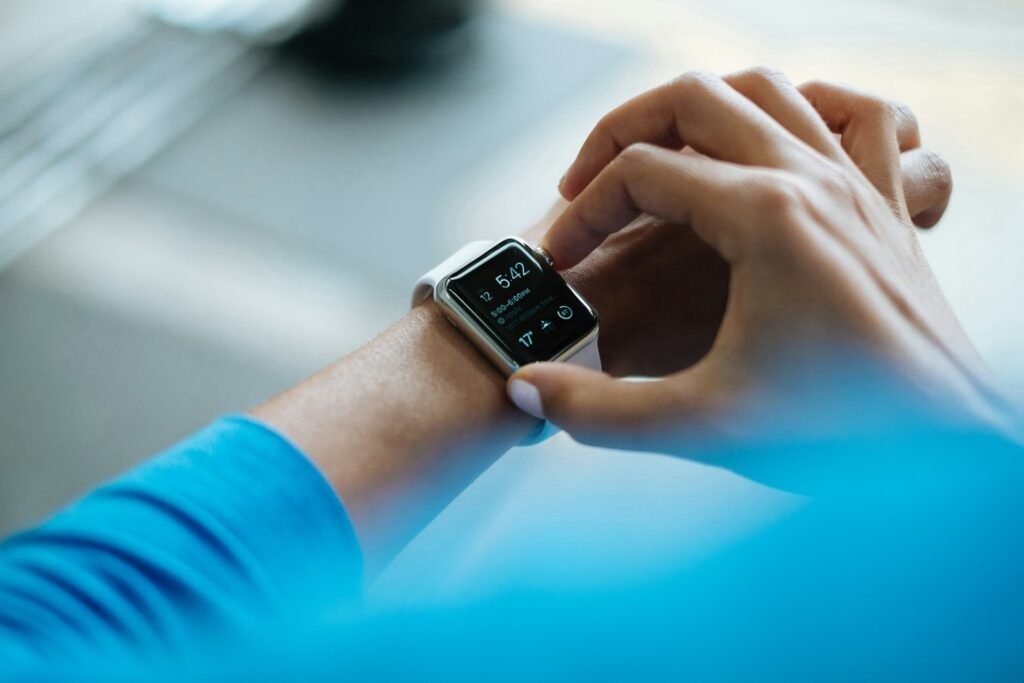
Modern health devices are no longer passive recorders. Smartwatches and home sensors use AI algorithms to track heart rhythms, breathing patterns, and even subtle voice changes linked to illness.
For example:
- The Withings ScanWatch and Apple Watch Series 9 (approved for use in the UK) use AI‑built algorithms to detect irregular heart rates or low blood oxygen — sometimes before symptoms appear.
- Scientists at Imperial College London have developed AI models that analyse a person’s cough or speech to spot conditions such as asthma, anxiety or the early onset of Parkinson’s.
Before AI integration, at‑home devices could only measure symptoms; they couldn’t interpret what those readings meant.
Advertisement

- 23.8″ FULL HD DISPLAY – 1920 x 1080 resolution in 16:9 format with 100Hz refresh rate and IPS technology for vibrant col…
- SMOOTH VISUALS – The 100Hz refresh rate reduces flicker for seamless scrolling and clear motion visuals – perfect for wo…
- TÜV RHEINLAND 3-STAR + COMFORTVIEW PLUS – Built-in ComfortView Plus reduces harmful blue light without compromising colo…
Predictive Health Warnings
AI collates long‑term patterns from wearable or home devices to predict potential health risks.
If a user’s average resting heart rate or sleep pattern deviates from baseline over several weeks, the AI system can alert them to book an NHS check‑up — acting as an early intervention system rather than a crisis response.
2. Personalised Lifestyle Management
AI Nutrition and Fitness Guidance
Traditional diet and exercise plans used one‑size‑fits‑all templates. AI enables individualised health tracking, where nutrition apps cross‑reference calorie intake, habits, and physiological data to suggest better routines.
Apps like Lumen or Healthily UK use AI to recommend meal plans tailored to metabolism type, allergies and daily energy outputs, offering practical changes based on data trends rather than general advice.
Having an “AI coach” means home‑based motivation and accountability without needing a private fitness consultant.
Mental Well‑Being at Home
AI wellness platforms such as Wysa and MindLabs (both based in the UK) provide 24‑hour mental‑health support through conversational AI.
These tools can:
- Check users’ tone and mood through speech or text.
- Offer mindfulness exercises or escalation to professional care when needed.
- Track progress over months, giving users measurable feedback.
Before AI chat tools, most mental‑health support at home was limited to leaflets, hotline numbers, or time‑delayed therapy sessions. AI has created on‑demand companionship and structure without replacing actual clinicians.
3. Medication and Chronic Disease Management
AI Reminders and Virtual Aides
For patients managing diabetes, hypertension, or long‑term medication, AI apps such as MySugr and MedBuddy now track doses, alert users when they miss tablets, and interpret blood‑sugar readings to optimise future decisions.
They can even predict when a prescription is running low and fetch a refill through automated GP systems.
This automation improves adherence: the NHS England AI Innovation Lab (2025) found that AI‑based medication reminders improved compliance by up to 22% compared with manual note‑taking or smartphone timers.
Telehealth and Remote NHS Integration
AI is the backbone of telehealth. During remote consultations, AI triage chatbots (used by services such as NHS 111 Online) interpret symptoms and direct patients to the correct clinician or self‑care guidance, reducing unnecessary GP visits.
This doesn’t simply save time — it saves capacity in an overstressed NHS, while providing reassurance to patients from home.

4. Sleep and Rest Optimisation
AI Sleep Analytics
AI doesn’t just track sleep; it learns why sleep quality is poor.
AI‑driven home sleep monitors, such as Sleepio (endorsed by NICE), assess movement, breathing, ambient light and sound over time to provide behavioural recommendations.
Instead of vague tips like “sleep more,” the system identifies causes: maybe a certain bedtime triggers elevated heart rate or the room is too bright at 6 a.m. These systems can improve the quality and consistency of rest by 15–25% according to Oxford Health NHS Foundation Trust’s 2025 digital wellness review.
5. Home Safety and Elder Care
Fall Detection and Emergency Response
AI‑enabled cameras and motion sensors recognise patterns of movement — particularly in elderly residents.
Systems like CareOS and Tunstall Healthcare’s smart home platform can differentiate between normal motion and accidents, automatically alerting a caregiver or ambulance if a fall or collapse is detected.
Before AI monitoring, such systems relied purely on panic buttons or wearable pendants, which many vulnerable users forget or fail to use in emergencies.
Voice Recognition for Assistance
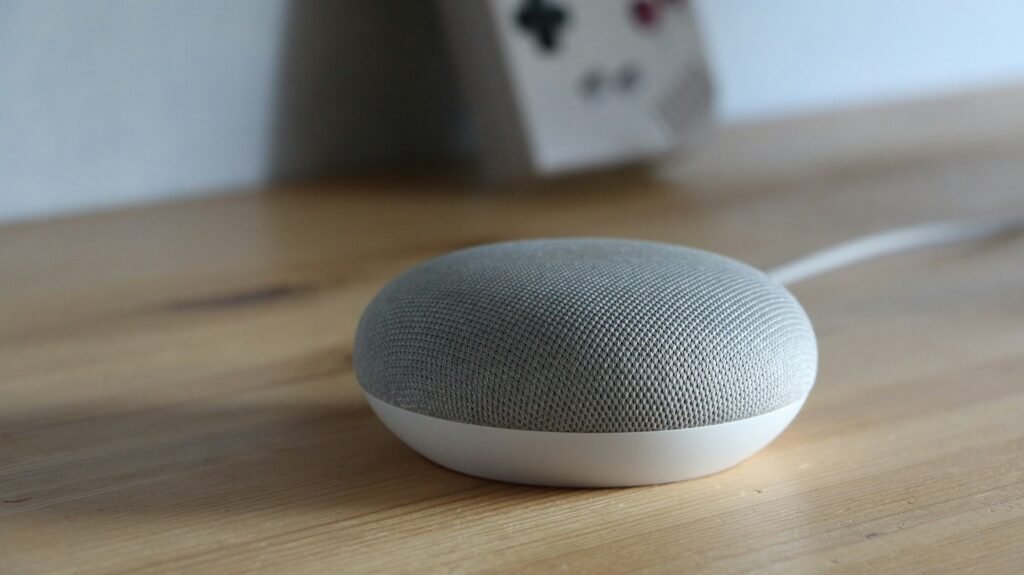
AI home speakers (Amazon Alexa, Google Home, but also NHS‑approved AI assistants) can interpret voice commands even under stress. “Help!” or “Call my daughter” can trigger emergency routines instantly.
This approach combines dignity and independence — allowing users to live safely without permanent supervision or institutional care.
How AI Is Better Than What Came Before
| Area | Before AI | With AI |
|---|---|---|
| Monitoring | Manual readings, human interpretation | Real‑time automatic tracking and evaluation |
| Health data use | Fragmented, reactive | Continuously analysed patterns predicting illness |
| Mental health | Intermittent therapy, long waiting lists | Constant digital support and self‑care tools |
| Chronic disease management | User‑dependent reminders | AI‑driven, adaptive schedules and insights |
| Emergency alerts | Basic alarms or carers | AI distinguishes false alerts from true emergencies |
| Accuracy & accessibility | Depended on medical staff time | Scalable assistance at home 24/7 |
The overarching benefit is continuity of care — the ability to create a daily log of health data that supports human clinicians rather than replacing them.
A Real‑World View: Opportunities and Limitations
Benefits
- Fewer hospital visits: AI can catch early warning signs, saving NHS time and cost.
- Preventative over reactive care: Data analysis helps people take action earlier.
- Accessibility: Elderly and rural patients receive more consistent care monitoring.
- Cost‑effectiveness: Once devices are purchased, maintenance and guidance cost far less than repeated appointments.
Limitations and Concerns
- Privacy – constant health monitoring raises data‑protection issues under UK GDPR laws.
- Accuracy – devices can misinterpret readings or overlook unusual health variations.
- Digital exclusion – people without internet access, or unfamiliar with digital tools, may be left behind.
- Over‑reliance – users might delay seeing a doctor, thinking the AI “will spot it.”
The real‑world improvement depends as much on education and regulation as on the technology itself.
Advertisement
- BIG VIBRANT SOUND: Experience improved audio – clearer vocals, richer bass – for an immersive Echo Dot experience.
- MUSIC AND PODCASTS: Enjoy music, audiobooks, and podcasts from Amazon Music, Audible, Apple Music, Spotify and more, via…
- HAPPY TO HELP: Ask Alexa for weather updates, timers, answers, and playful interactions.
Financial and Social Value to the UK
AI’s potential to manage chronic conditions could save the NHS substantial funding.
A 2025 report by the King’s Fund suggested that widespread digital monitoring could reduce unnecessary hospital admissions by up to 10%, equating to £1.2 billion annually.
Combined with energy‑efficient home tech and AI diagnostics, this improves both quality of life and health‑system sustainability.
References (UK‑Focused)
- NHS England – AI Innovation Lab Progress Report, 2025
- Oxford Health NHS Foundation Trust – Digital Wellness and Sleep Review, 2025
- Energy Systems Catapult – Smart Homes and Preventative Health (2024)
- Imperial College London – AI Speech and Diagnostic Research (2025)
- The King’s Fund – AI, Home Care and NHS Integration Report (2025)
Summary
| Category | AI Contribution | Tangible Benefit to UK Households |
|---|---|---|
| Monitoring | Detects irregularities early | Fewer emergencies, faster treatment |
| Lifestyle Coaching | Personalised plans and insights | Better diet, sleep and exercise adherence |
| Mental Health | 24/7 assistance and support | Reduced anxiety and waiting times |
| Chronic Care | Smart reminders and real‑time tracking | Improved medication adherence |
| Elder Safety | Intelligent fall detection & hands‑free alerts | Greater independence and lower care cost |
In conclusion:
AI is quietly transforming how the British public maintain their health at home. It provides early warnings, personal support, and continuous oversight in ways the pre‑AI world simply couldn’t.
While privacy and accessibility remain genuine concerns, the technology is turning the “reactive healthcare system” into a preventative, data‑driven service — one that might one day save not just billions for the NHS, but countless lives before illness even begins.
Find Help and Support
We have created Professional High Quality Downloadable PDF’s at great prices specifically for Personal or Business use in the UK. Which include help and advice on understanding what Artificial Intelligence is all about and how it can improve your business. Find them here.