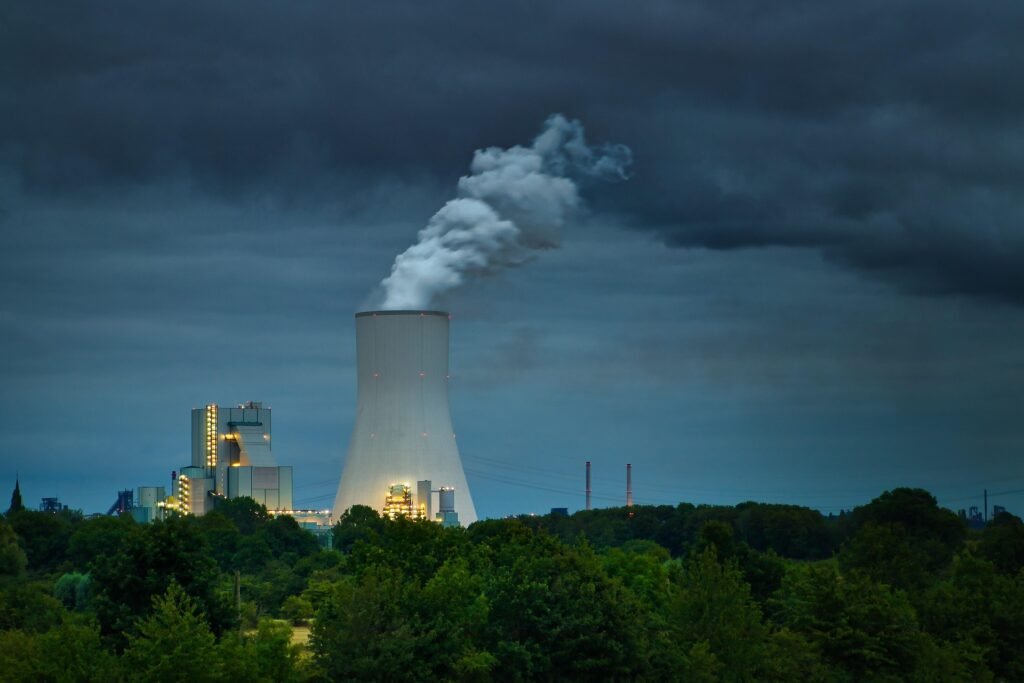
Let’s be honest — for many in Britain, the government’s obsession with net zero and “AI-led decarbonisation” sounds like an expensive way to achieve very little, other than filling corporate pockets and producing press releases full of buzzwords. Yet, beneath the green spin and the AI jargon, there are a few practical outcomes worth examining — even from a sceptical standpoint.
What’s Actually Happening: AI, Energy and Net Zero
The Government’s Big Sell
The UK government — particularly since late 2025 — has made AI a central pillar of its energy and industrial policy. Policies such as the gov.uk, backed by billions in incentives, claim to “turbocharge” economic growth by cutting grid connection times, reducing energy prices in certain regions, and making Britain a global hub for AI computing and data centres.
At the same time, programmes like the es.catapult.org.uk promote the use of AI to optimise national energy use, lower carbon footprints, and boost industrial output.
It all sounds noble — but let’s keep our cynical hats on.
The Economics: Spending Big to “Save” Money Later
Massive Upfront Costs
Make no mistake: this is not cheap. The government’s own forecasts note that global investment in computing infrastructure could hit USD 7 trillion by 2030, as reported by bakermckenzie.com. The UK’s share of that won’t be small.
Add in the cost of subsidising electricity for data centres (£24/MWh discounts in some regions), grid reforms, and planning fast-tracks, and you’re talking multi‑billion pound commitments before any tangible benefit is felt by the average household.
Advertisement

- 23.8″ FULL HD DISPLAY – 1920 x 1080 resolution in 16:9 format with 100Hz refresh rate and IPS technology for vibrant col…
- SMOOTH VISUALS – The 100Hz refresh rate reduces flicker for seamless scrolling and clear motion visuals – perfect for wo…
- TÜV RHEINLAND 3-STAR + COMFORTVIEW PLUS – Built-in ComfortView Plus reduces harmful blue light without compromising colo…
What We Might Get Back
Theoretically, AI could make the energy system cheaper to run. For instance, AI‑driven forecasting models developed with the energy-uk.org.uk have improved solar and wind prediction accuracy by 33%. This might sound dry, but it means fewer backup generators fired up unnecessarily — cutting costs by tens of millions a year.
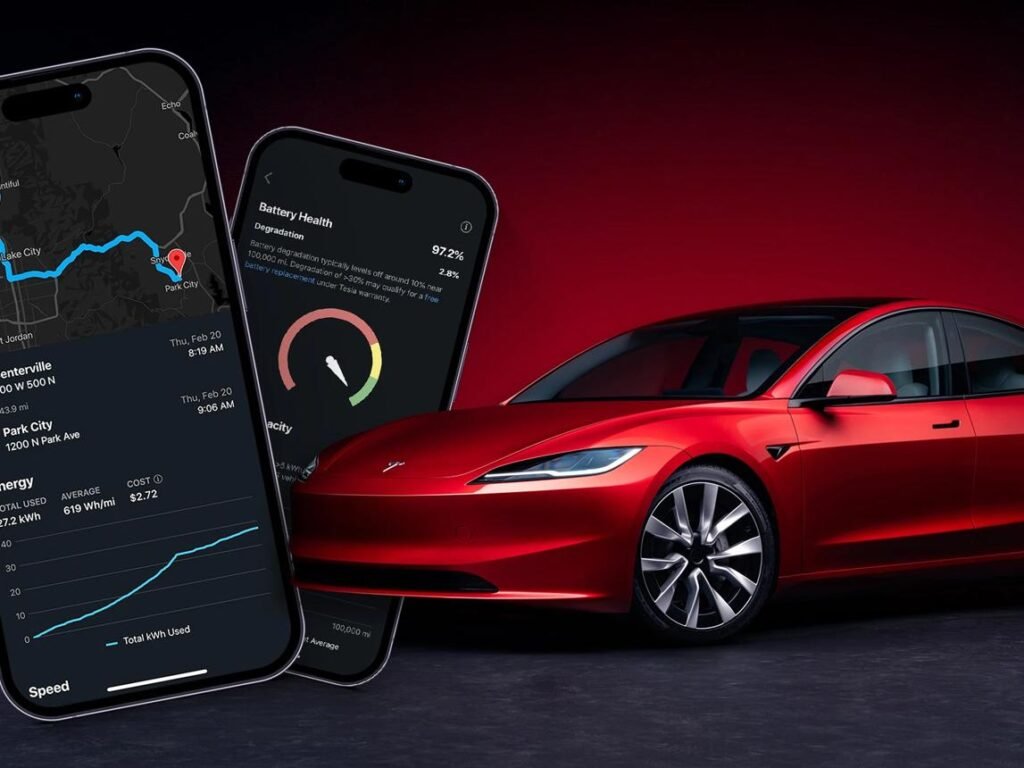
Similarly, the es.catapult.org.uk reported that AI optimisation at wind farms can add 3–5% extra energy output without building new turbines, and smart EV charging can reduce household electricity bills by around £340 a year.
But — and it’s a large “but” — these are margins, not miracles. The benefits are incremental, spread thin, and often swallowed by the wider cost of keeping the AI infrastructure itself running.
Where the Scepticism is Justified
The Energy Paradox
AI needs staggering computing power. Those same “AI Growth Zones” will house vast, power‑hungry data centres — consuming gigawatts of electricity. If that electricity isn’t genuinely renewable (and it isn’t, yet), the whole “AI for Net Zero” argument starts to collapse under its own hypocrisy. AI may optimise energy use, but it also requires enormous energy itself.
The Return on Investment Problem
Claimed financial savings — reduced waste, cheaper forecasting, better maintenance — sound fine on paper. Yet, these “savings” don’t always trickle down to consumers. They’re often absorbed by utilities, suppliers, or infrastructure operators. It’s the classic trickle‑down theory in a green disguise.
Jobs and Automation
AI brings efficiency, but it also automates. While government headlines trumpet “15,000 new jobs” in gov.uk, they seldom mention how many traditional technical, energy sector and administrative roles could be displaced in the process.
The Harsh Reality: Necessary or Not, It’s Happening
AI will streamline processes, reduce grid instability, and enhance forecasting — all clever, technical victories that economists and ministers can boast about. But to the cynical British taxpayer, the “AI for Net Zero” vision still looks like an expensive game of technological theatre:
a lot of upfront spending justified by promised future efficiencies that may never be fully realised.
So yes, AI could make Britain’s energy system leaner and more efficient — saving perhaps hundreds of millions in operational costs over time. But when weighed against the billions invested and the political capital spent, one can’t help but wonder if this is less about saving money and more about being seen to “lead the AI revolution.”
In Short
- AI helps make energy systems smarter, more stable, and more efficient.
- We pay now, a lot, to maybe save later.
- True gains — cheaper bills, better reliability — will take years to filter through.
- Main beneficiaries: big data firms, tech contractors, and a handful of politicians seeking a legacy.
A cynical conclusion, certainly — but not an unfounded one. AI may one day prove essential to Britain’s energy future, but for now, it serves just as much as a political performance as an economic one.
Find Help and Support
We have created Professional High Quality Downloadable PDF’s at great prices specifically for Personal or Business use in the UK. Which include help and advice on understanding what Artificial Intelligence is all about and how it can improve your business. Find them here.