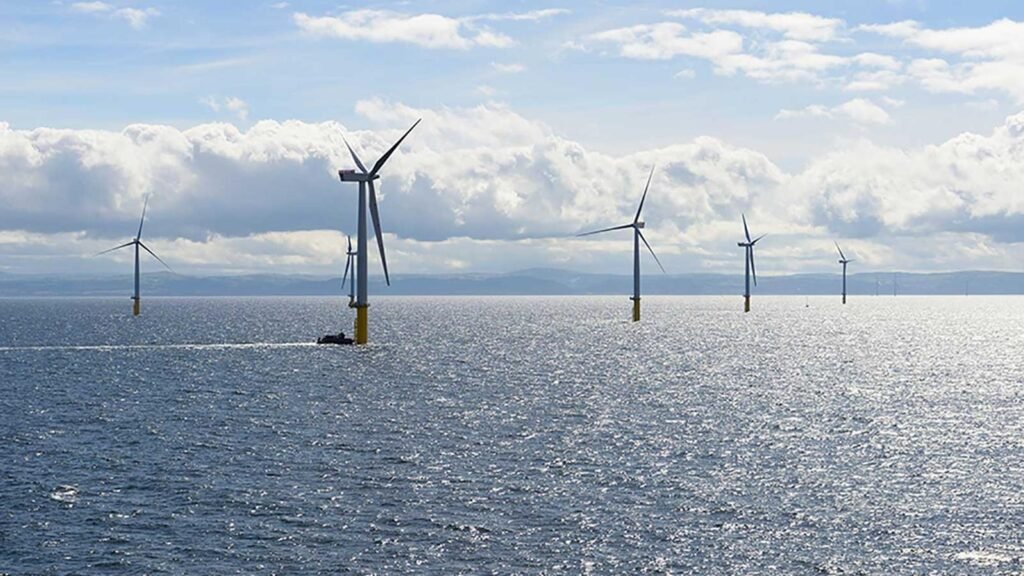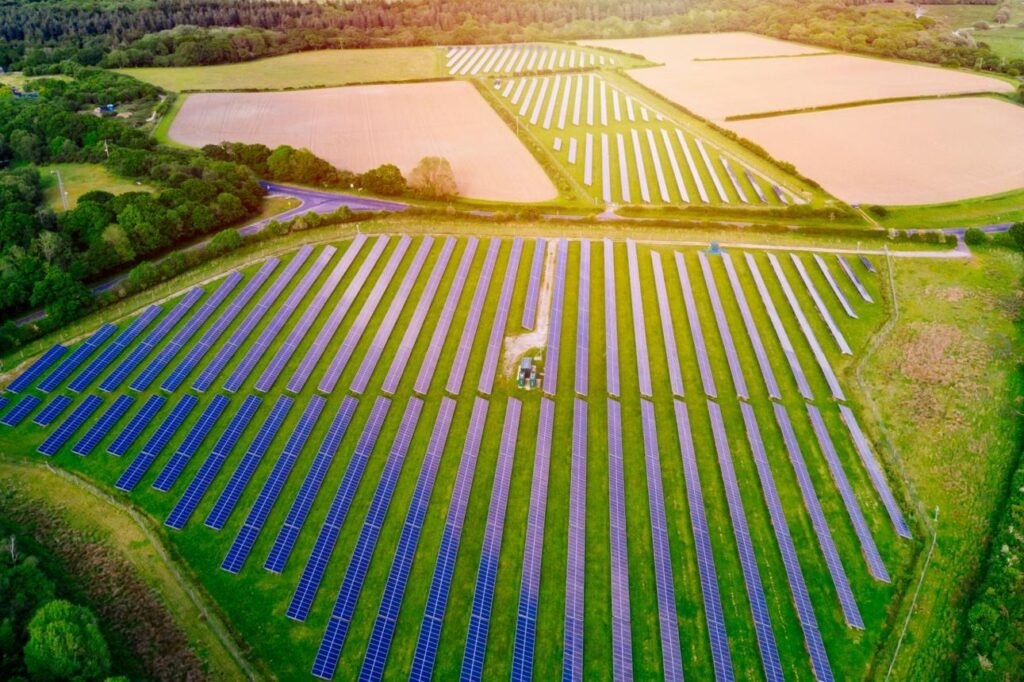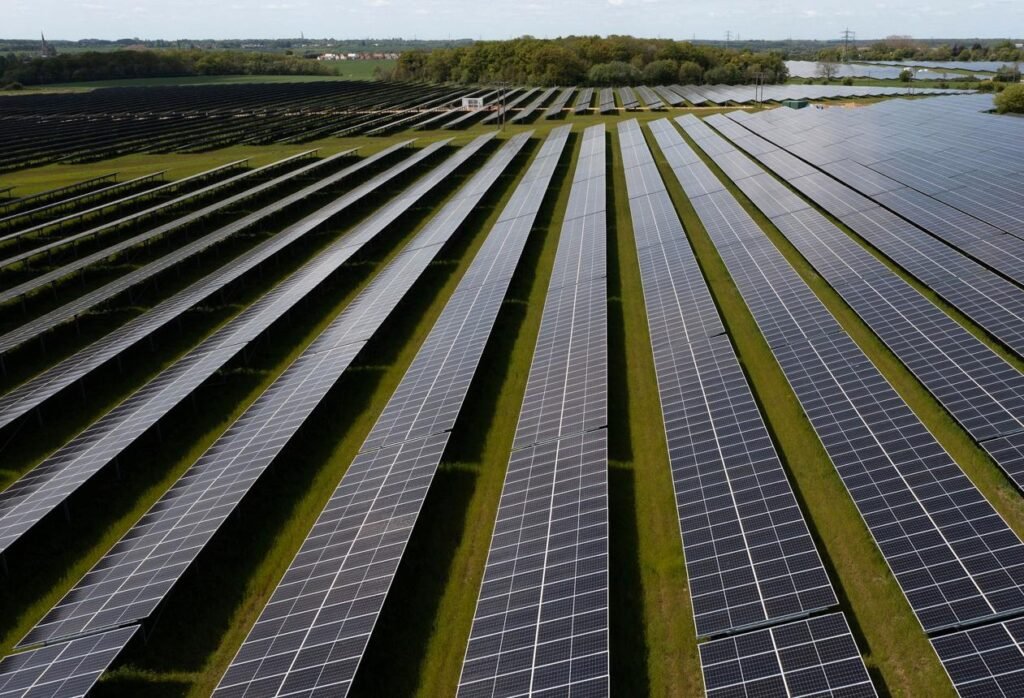
The UK’s ongoing effort to meet Net Zero emissions targets by 2050 has become one of the most debated projects in modern policy.
By 2025–26, critics accused the Labour government of overselling the speed and simplicity of the green transition — promising savings and jobs that haven’t yet materialised, while households face higher costs under new environmental schemes.
Yet Artificial Intelligence (AI), when properly deployed, remains one of the few technologies with clear, measurable potential to improve efficiency, reduce waste, and recover value from such costly programmes.
How AI Can Help the UK’s Energy Transition
Smarter Energy Infrastructure
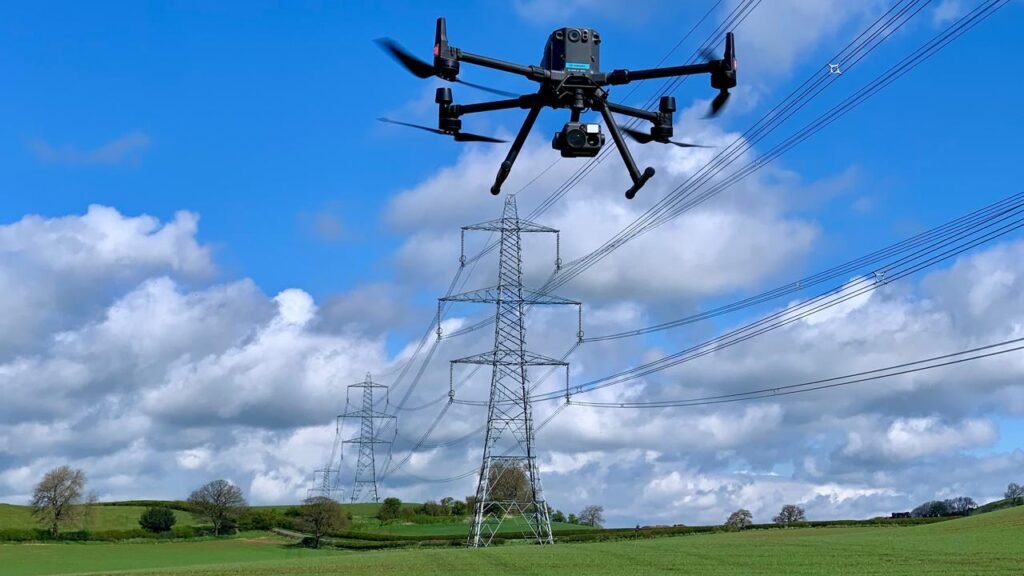
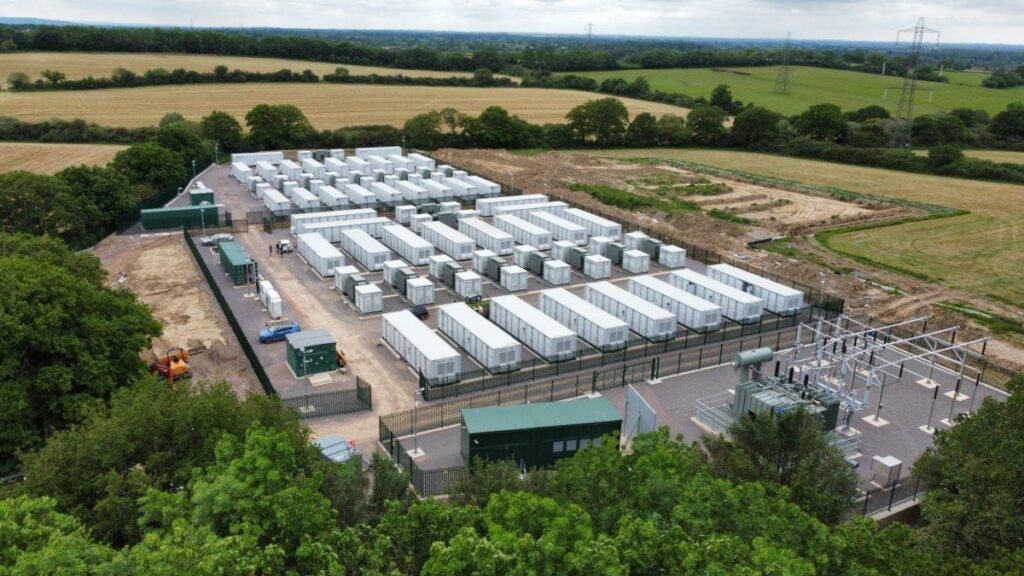
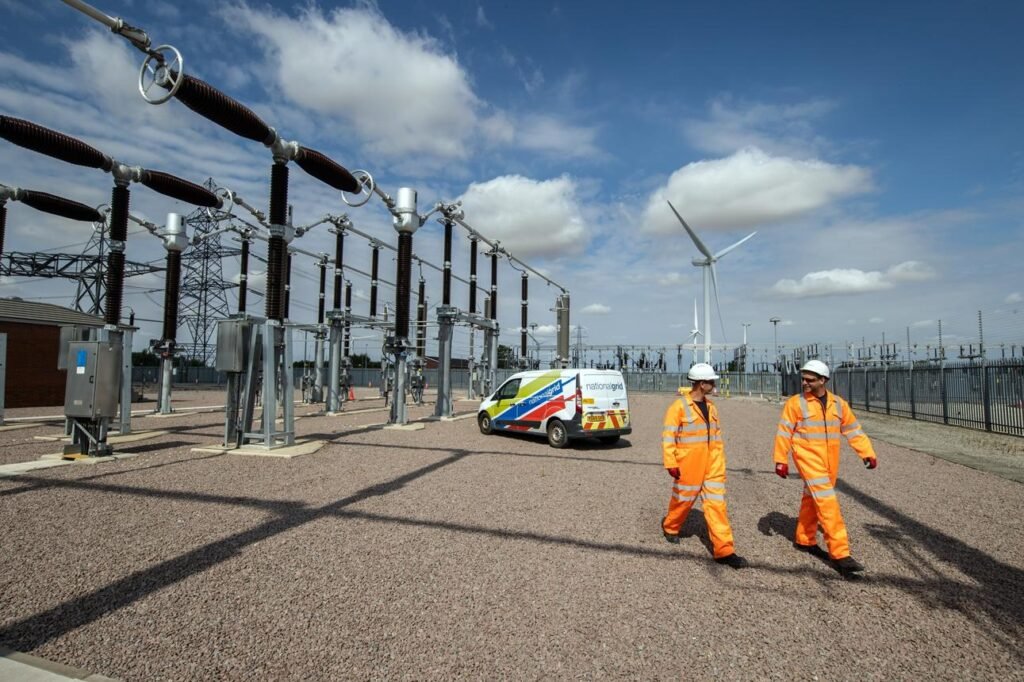
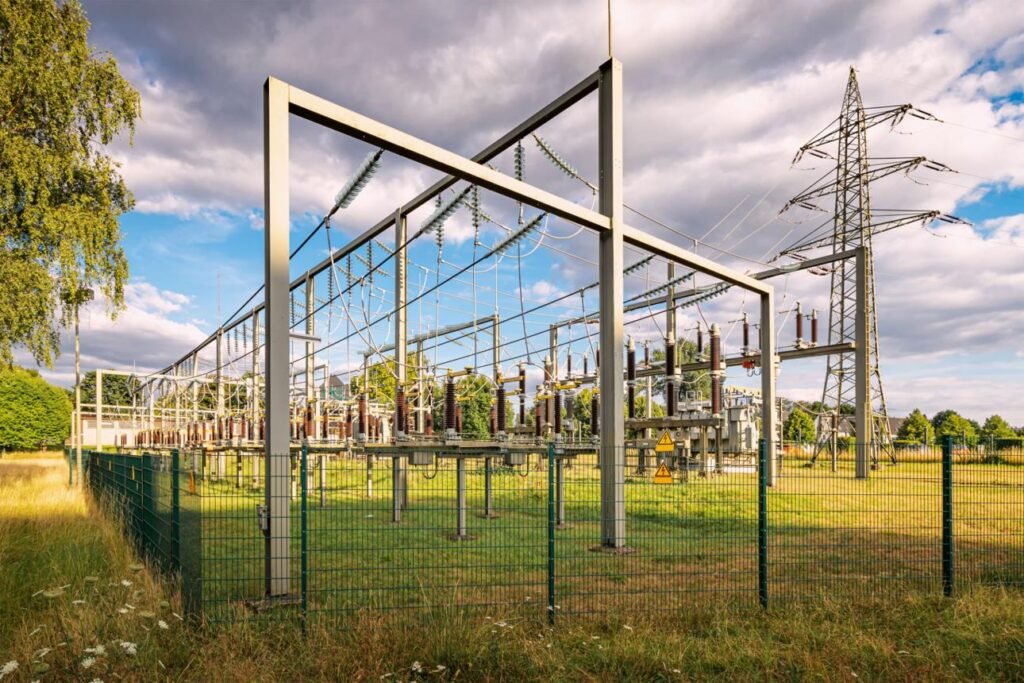
AI allows the national grid and local utilities to work more intelligently.
Instead of applying the same power output across all regions, AI systems use predictive modelling and weather forecasting to balance supply and demand dynamically.
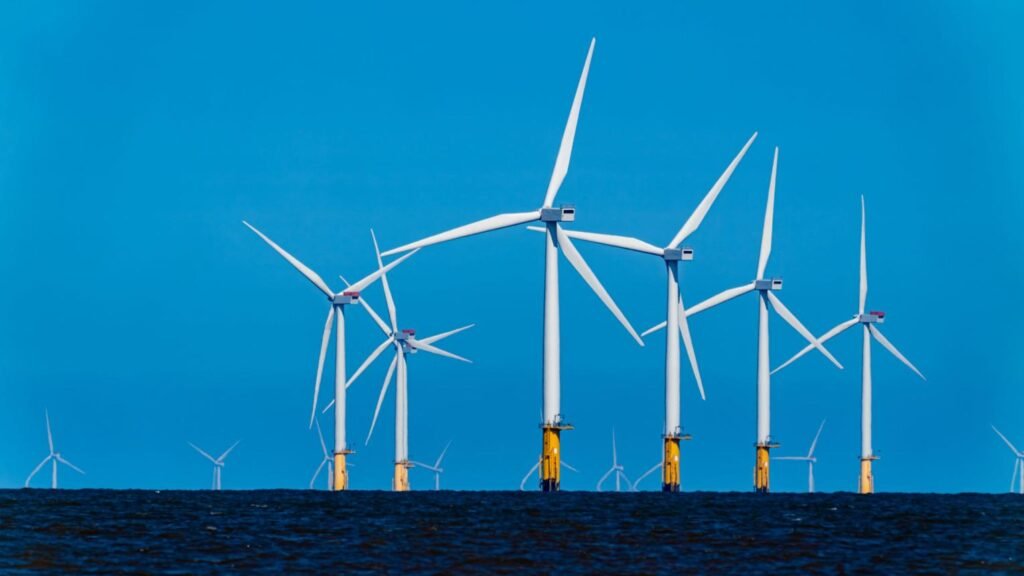
- According to National Grid ESO (2025), machine‑learning models forecasting renewable output (wind and solar) have reduced balancing costs by up to 20%, saving millions each quarter.
- By 2030, these upgrades could cut £500 million a year from grid operating costs – savings that eventually filter down to consumer bills.
AI doesn’t make more energy; it ensures less is wasted, which is the cheapest form of generation of all.
AI in Building Management
Homes and offices in the UK waste around 25–30% of their energy through poor insulation, overheating, or unnecessary lighting.
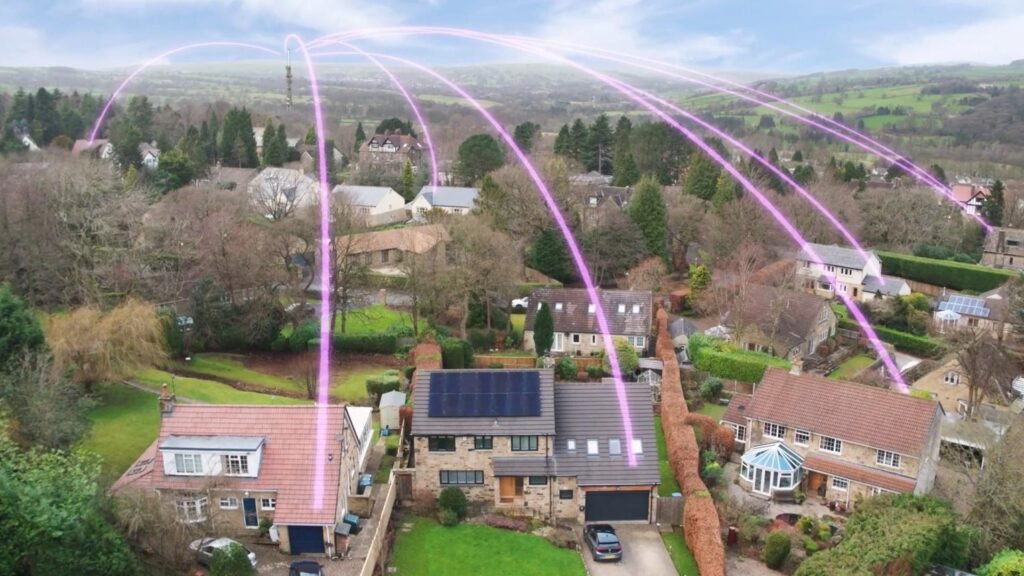
AI‑driven systems such as smart thermostats, predictive heating controls, and learning HVAC (heating, ventilation and air conditioning) models can automatically regulate temperature and electricity usage based on occupancy and local weather.
These systems, already tested by British Gas Smart Solutions and the Energy Systems Catapult, show energy savings of up to 15% per household.
For businesses, this translates directly to cost reductions and lower carbon emissions — the kind of tangible outcome that offsets expensive government subsidy programmes.
Reducing Industrial Waste
AI also excels at optimising complex industrial systems — chemical plants, steel mills, logistics hubs and manufacturing.
For example:
- Rolls‑Royce uses AI in factory operations to cut energy waste through predictive maintenance and process automation.
- The Manufacturing Technology Centre (MTC) found that AI‑controlled machinery scheduling saved 8–12% in electricity use compared with human‑set routines.
This incremental efficiency adds up across the economy, making future UK energy targets more achievable without constant tax rises or green levies.
What the UK Gets Back Financially
Short‑Term: Limited Relief, Long‑Term: Compounding Savings
In the near term (2025–2030), returns on AI‑driven energy policy will be modest but measurable — largely centred on reduced operating costs for national infrastructure and incremental savings for households already using smart tech.
Over time, as more sectors link to AI‑based energy systems, those savings compound:
- Smart grid coordination could save £10 billion in system balancing by 2050 (UK Department for Energy Security and Net Zero, 2025).
- AI building automation may reduce total UK household energy demand by 6–8% by 2035, the equivalent of powering three million homes.
Consumer Impact
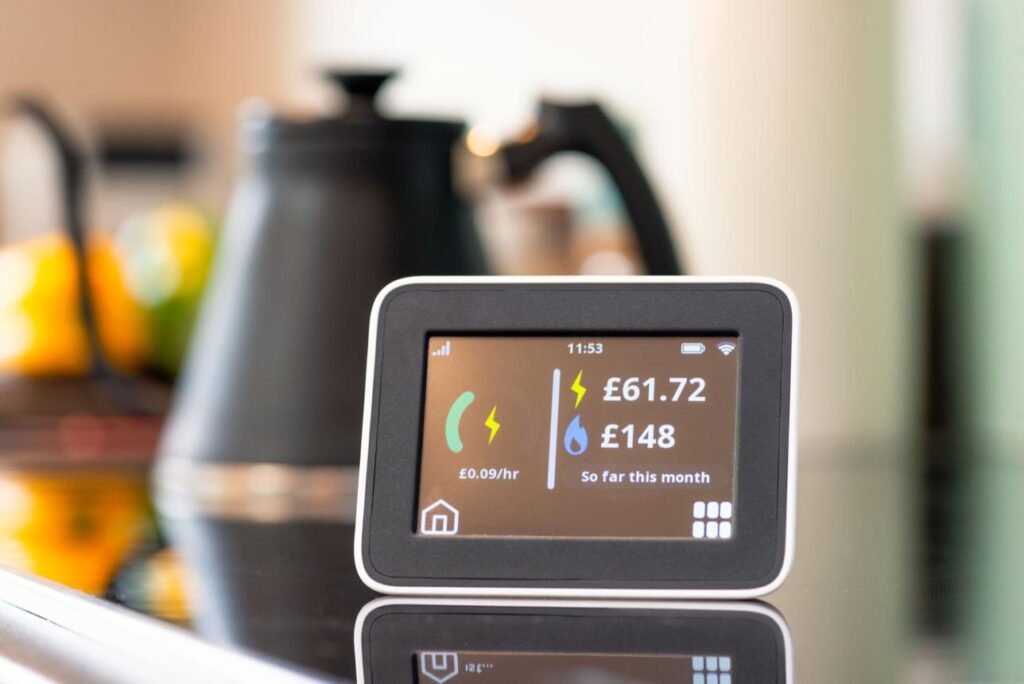
Although households often face initial higher prices for new AI‑connected heating systems or smart meters, these technologies tend to pay off over 3–5 years.
As AI models fine‑tune usage, bills drop and carbon efficiency rises — creating economic value rather than abstract environmental virtue signalling.
Where Critics Have a Point
Over‑Promised Timelines
Government messaging has framed AI and renewables as instant solutions, but reality is far slower.
Infrastructure, skills shortages and the need for digital security mean widespread benefits won’t fully register until the early 2030s.
High Upfront Costs
The broader concern is the cost of deployment — the UK’s £20 billion AI and green‑tech investment fund, announced by Labour in 2025, is financed largely by borrowing. Critics argue that those funds might have been better spent on insulating existing housing or upgrading grid cables rather than experimental AI pilot projects.
However, AI’s ability to make every layer of the energy chain more efficient — from power stations to kitchen plugs — gives it an eventual payback window that few other technologies can match.
Regional Inequality
AI tends to concentrate benefits in better‑connected regions — southern England, major cities, and industrial clusters where data networks are strong.
The danger is a ‘green digital divide’, where rural and poorer communities see minimal returns while still paying for national carbon policies.
Without equal infrastructure investment, AI’s efficiency could deepen economic inequality rather than reduce it.

The Role of AI in Cutting National Energy Wastage
Predictive Maintenance
AI models maintain utilities and machinery before they fail — reducing downtime and slashing the waste often caused by power surges and repair cycles.
The Energy Saving Trust estimates predictive maintenance alone may save British industries 1–2 terawatt‑hours (TWh) of energy per year by the mid‑2030s.
AI‑Driven Transport Efficiency
Smart traffic management systems using AI, tested in Manchester and Oxford, have cut fuel consumption by up to 10% through optimised signal timing and congestion management.
This lowers both fuel waste and consumer costs, proving how AI can quietly achieve environmental and financial goals together — a contrast to the exaggerated political rhetoric of “transformative green miracles.”
A Real‑World View
AI as Repair, Not Revolution
For all the hype, AI is not a magical solution to Britain’s energy and climate costs — it is a sophisticated repair tool.
Wherever human inefficiency, old infrastructure, or data gaps exist, AI can narrow those gaps, making progress smoother and cheaper.
In practical terms, that means:
- Fewer energy spikes.
- Smarter appliances that switch off automatically.
- Fewer blackouts and lower wasted fuel imports.
These are practical, visible wins — small in scale but significant when multiplied across millions of users.
You can try our AI Grid Capacity Checker to understand how AI growth may affect electricity networks.
Cynical Reality: Efficiency Becomes an Excuse
There is a political risk that the success of AI in making systems leaner will allow complacency elsewhere. Policymakers may rely on digital optimisation instead of addressing core energy issues like grid capacity, nuclear investment, or fair pricing for households.
AI could become a justification for avoiding harder, more physical reforms.
Total Potential Savings — A Conservative Estimate
| Area of Application | Estimated Annual Saving by 2035 | Equivalent Value |
|---|---|---|
| Smart grids & energy balancing | 3.5 – 5 TWh | £400 – £600 million |
| AI‑driven building energy efficiency | 6 TWh | £800 – £1 billion |
| Industrial & predictive AI | 1.5 – 2 TWh | £150 – £200 million |
| AI‑optimised transport & logistics | 2 TWh | £300 – £400 million |
| Total annual saving | 13 – 15 TWh | Up to £2 billion/year |
That’s roughly equivalent to the energy used by 4–5 million homes, or about 5% of Britain’s entire electricity demand — a meaningful return on investment if achieved steadily and equitably.
References (UK‑Focused)
- gov.uk
- National Grid ESO – AI and Predictive Forecasting Study (2025)
- es.catapult.org.uk
- Energy Saving Trust – Smart Infrastructure and Predictive Maintenance Research (2024)
- ox.ac.uk
Summary
| Factor | Political Promise | Real‑World Outcome | Financial Return |
|---|---|---|---|
| AI adoption in energy | Net Zero “revolution” | Gradual, sector‑specific efficiency | £1 – £2 billion/year |
| Public benefit | Lower bills within five years | Modest short‑term, increasing later | Energy bills down ~8–10% by 2035 |
| Cost vs return | High upfront borrowing | Reasonable long‑term savings | Net positive by early 2030s |
| Risk | Oversold government claims | Uneven rollout and digital divide | Regional inequality persists |
In conclusion:
The Labour government’s Net Zero programme in 2025/6 may have overpromised quick paybacks, but AI remains the most practical way to extract real value from those costly transformations.
It won’t turn Britain green overnight — but it will make each kilowatt work harder, each building run smarter, and each policy deliver more for less.
If managed pragmatically rather than politically, AI could turn the UK’s “unnecessary” green spending into a quiet success of cumulative savings and smarter sustainability.
AI Playbooks
We have created Professional High Quality Downloadable PDF’s at great prices specifically for Personal or Business use in the UK. Which include help and advice on understanding what Artificial Intelligence is all about and how it can improve your business. Find them here.