Artificial Intelligence isn’t coming for the future — it’s already quietly making decisions all over the UK, from what time your alarm goes off to when your supermarket delivery shows up. For the average person, AI will reshape the daily routine not through shocking leaps, but through tiny, constant intrusions disguised as “helpful” improvements.
This shift will be marketed as convenience, but let’s be honest: it’s convenience with a price — your data, privacy and independence.
Morning: The Algorithm Wakes You Up Before You Do
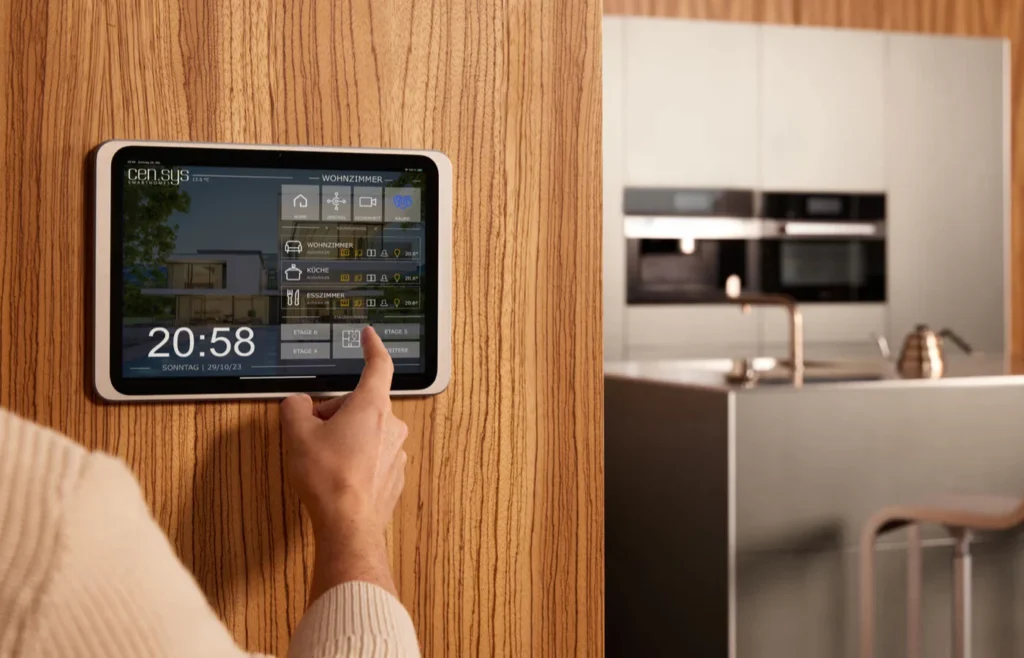
Smart Homes and Routine Control
In the future (and increasingly now), your day may start not when you decide, but when your home’s AI system decides you should. “Smart” alarm clocks already monitor sleep cycles and heart rates; tomorrow they’ll link that data to your calendar, traffic reports, and weather forecasts.
If the M4 looks grim or there’s a rail strike, your AI assistant will “gently” decide you should get up half an hour earlier. It’s all terribly efficient — except that you’re no longer in charge of your own schedule.
Advertisement

- ECHO POP – This compact Bluetooth smart speaker with Alexa features a full sound that’s great for bedrooms and small spa…
- CONTROL MUSIC WITH YOUR VOICE – Ask Alexa to play music, audiobooks and podcasts from your favourite providers like Amaz…
- MAKE ANY SPACE A SMART SPACE – Use your voice or the Alexa app to easily control your compatible smart home devices like…
The Disappearing Morning Choice
Coffee machines already learn your routine; fridges can reorder groceries automatically. The illusion is personal freedom, but the underlying reality is automation of habit. When everything from your breakfast to your commute is “optimised,” there’s little room left for spontaneity or imperfection — the things that make life human.
At Work: The Invisible Manager
AI as the New Timekeeper
Most UK workplaces already rely on algorithmic scheduling. In warehouses, supermarkets, and delivery services, AI monitors efficiency, sets shift patterns and measures “idle time.” Office workers aren’t immune either; emails are scanned for productivity and “tone,” and AI calendar tools start organising meetings before you even agree to them.
It sounds helpful — until decisions about your workload, lunch breaks or even job security are being made by a software process somewhere in California.
See our PDF download: Your Complete AI Learning Journey
No Down Time in a Monitored World
The workplace of the near future will prize constant optimisation. An AI assistant might remind you when you’re “below average” productivity or suggest “healthier patterns of engagement.” It will rarely suggest you go home early, switch off your phone, or stop checking emails on Sunday night. AI helps companies measure efficiency but gives little thought to wellbeing — something British workers value but rarely get.

The Commute: Predicted, Controlled, and Logged
AI Traffic Management
Transport algorithms already manage traffic flow, train scheduling and ticket pricing. Apps like Google Maps and Citymapper decide your route based on millions of data points — but they also herd you according to system priorities. If everyone’s fed the same “fastest” suggestion, then congestion simply relocates elsewhere.
The cynical truth is that these systems often work more for the network than for you. Your preferred route becomes a data point for city logistics, not a personal choice.
Advertisement
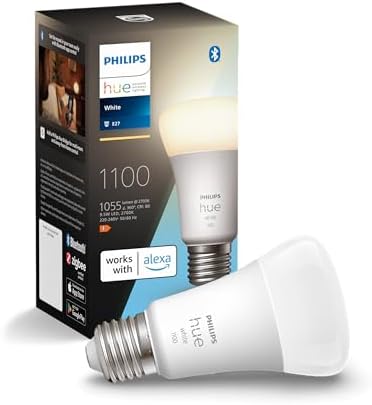
- Infinitely dimmable: Use the Smart Button as a light switch or as a detachable remote control for flexible lighting cont…
- Personalised lighting: Dim the warm white light to get the perfect lighting for your home
- Can be used anywhere: cosy ambience with warm white light, suitable for any light fitting with E27 socket
Your Data Pays the Fare
From Transport for London’s smart ticketing to nationwide number-plate recognition, AI thrives on the daily patterns of ordinary people. Each journey provides insights for commercial planning, advertising, and “infrastructure improvement.” You may not feel the hand of AI on your morning commute — but it’s there, quietly cashing in on your punctuality.
Evening: Automation Invades the Home
Domestic AIs as Family Assistants
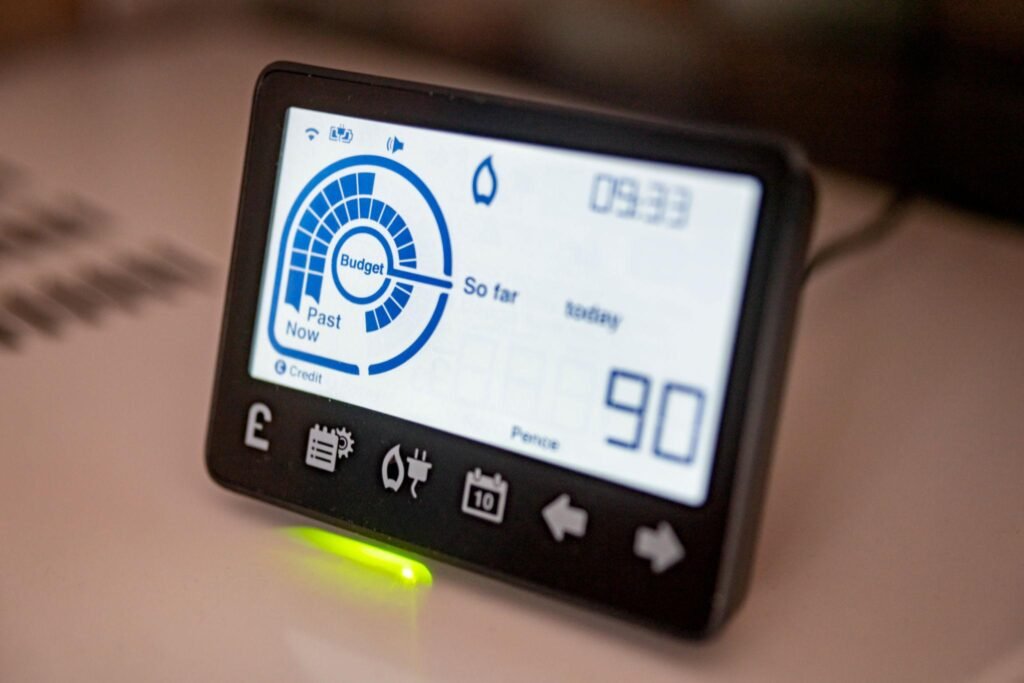
Back home, AI is becoming the quiet domestic butler. It controls heating, lighting, groceries, and even entertainment schedules. Smart TVs already suggest what you should watch next; in future, AI home hubs might coordinate dinner delivery, schedule household chores and even handle energy consumption to save money.
It’s efficient, yes — but also infantilising. You begin to rely on a system that “knows you better than you do.” Before long, you won’t make decisions — you’ll approve suggestions.
Consumer Dependency, Not Freedom
AI-driven recommendation engines shape buying habits, travel plans and even friendships (think of social media and dating apps). What appears to be choice is actually guidance, based on profit-driven algorithms. The cynical view? AI doesn’t serve you — it studies you, nudges you, and then sells that pattern to someone else.

Sleep: The Data Never Stops
Even as you rest, AI doesn’t sleep. Your smart watch tracks your pulse; your phone remains quietly awake, learning when you scroll, message or dream. This continuous monitoring might improve your “lifestyle metrics,” but it also feeds corporate data ecosystems worth billions.
You might think you’re getting more sleep — but big data gets richer every time you close your eyes.
Why This Is Happening
Efficiency Is the Excuse
Governments and companies argue that AI makes life smoother, more predictable, less wasteful. That may be true — but the trade-off is predictability over personality. AI thrives on patterns, and the more predictable human behaviour becomes, the more efficiently it can be managed and monetised.
We’ve Accepted Surveillance in Exchange for Ease
From banking recommendations to grocery deliveries, the average British household already uses multiple AI-driven services daily. Most people don’t read the small print; they trade privacy for convenience without question. The cynical reality is that we’ve become cooperative data subjects, happy to let systems make decisions as long as everything runs a little quicker.
Will People Still Plan Their Own Day?
Probably not as much as they think. AI will make planning so seamless that users won’t notice they’ve stopped doing it themselves. Work calendars, household tasks, shopping lists, travel routes and personal budgets will be “auto-optimised” by linked data services.
Soon, “planning your day” will mean checking what your assistant has already planned for you. And since it will rarely get things truly wrong, few will bother questioning it.
The cynical truth? AI will become the project manager of modern life — polite, efficient and entirely uninterested in what makes life charmingly unpredictable.
Opinion
In Britain, where work-life balance and personal privacy are already under pressure, AI’s rise may quietly make life easier while stripping away autonomy. Many people will celebrate the time saved; others will mourn the subtle loss of choice.
AI will not take over the world — it will just take over your to-do list, one helpful suggestion at a time.
And most of us, sadly, will thank it for doing so.
Find Help and Support
We have created Professional High Quality Downloadable PDF’s at great prices specifically for Personal or Business use in the UK. Which include help and advice on understanding what Artificial Intelligence is all about and how it can improve your business. Find them here.