Why Are Data Centres Competing With UK Homes For Electricity Connections?
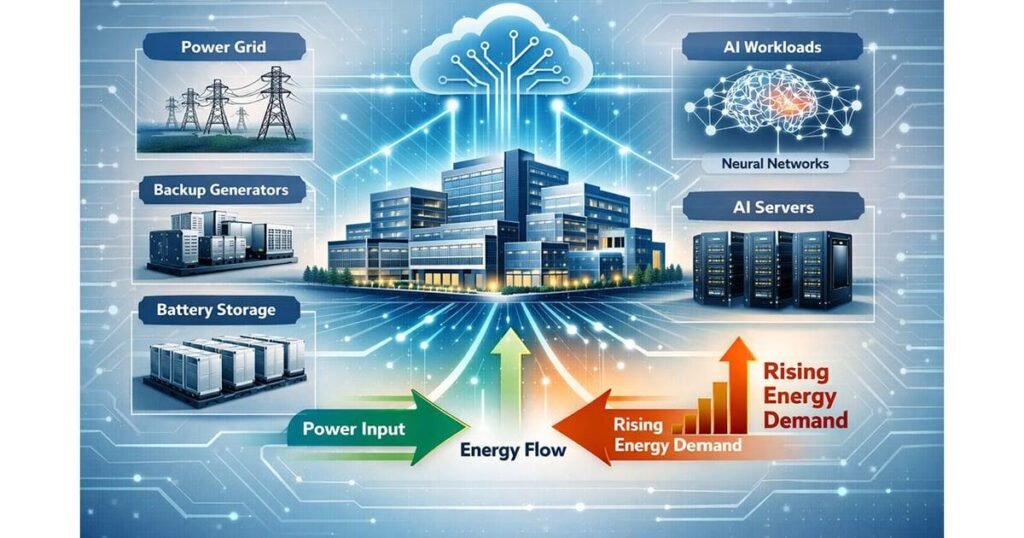
The rise of artificial intelligence is creating an unexpected battle across Britain’s electricity network. New homes, factories, renewable energy projects and AI data centres are increasingly competing for the same electricity connections.
For decades, electricity demand grew at a relatively predictable pace. Then AI arrived and started demanding the power equivalent of entire towns. Suddenly, the challenge is no longer simply generating electricity. The challenge is getting enough of it to the right places.
Britain’s Electricity Network Was Never Built For AI
The Grid Was Designed For A Different Economy
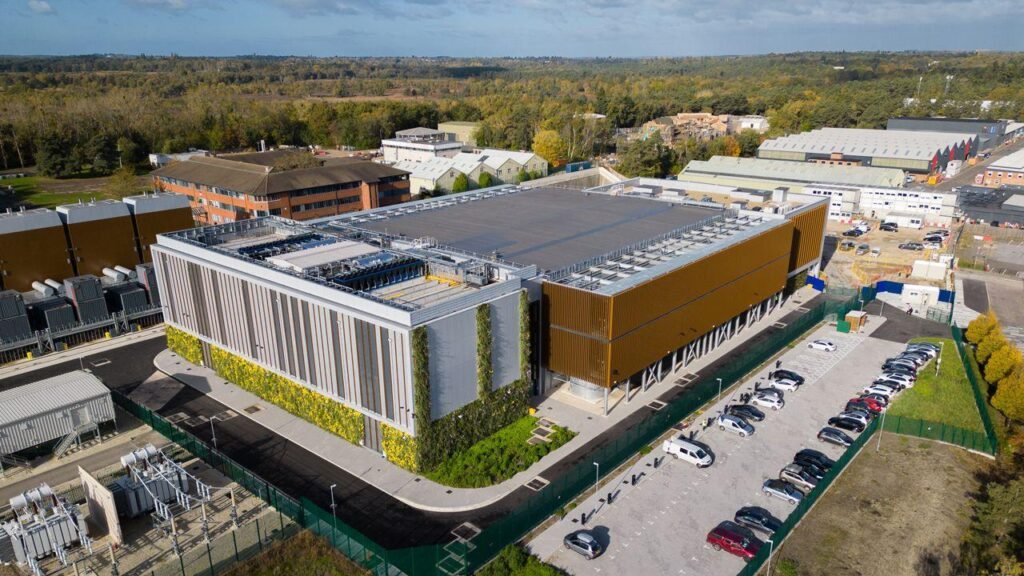
Most of Britain’s electricity infrastructure was designed long before anyone imagined AI models, cloud computing platforms or warehouses filled with thousands of graphics processors running around the clock.
Today, some proposed AI facilities require hundreds of megawatts of power.
That is comparable to the electricity demand of a medium-sized town.

- SAVES ENERGY AND HEATING COSTS: The intelligent wireless Thermostat X Starter Kit from tado, the experts for smart heati…
- EASY DIY INSTALLATION, EVEN OFFLINE: When connected to a boiler, this smart heater thermostat can regulate hot water – s…
- CONTROL VIA APP: The thermostat has numerous features for your heating system, such as smart scheduling, temperature con…
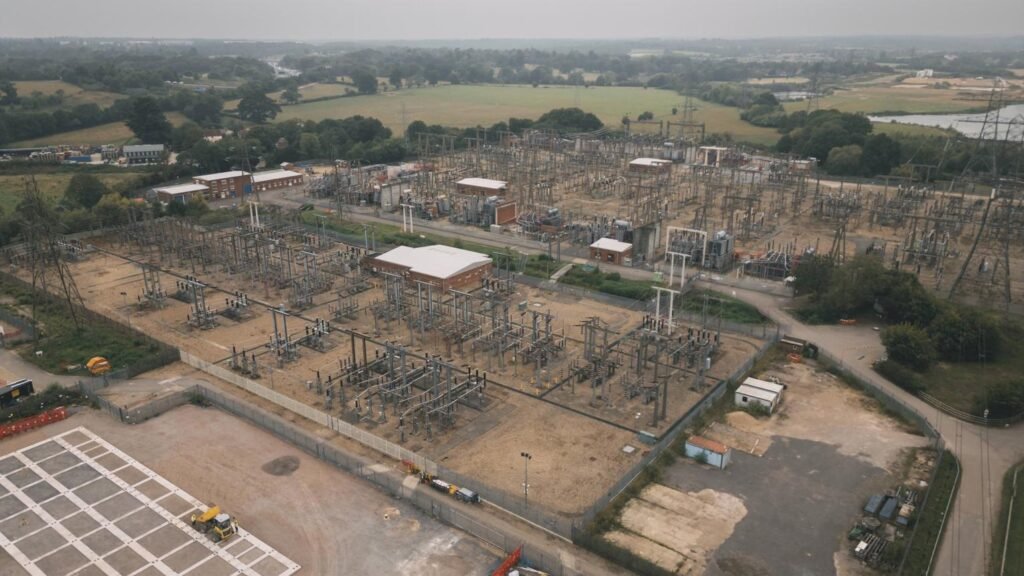
The problem is that local substations, transformers and transmission lines have finite capacity.
When that capacity is exhausted, new projects must wait.
Why Connection Queues Are Growing
Everyone Wants More Power
The UK is simultaneously attempting to:
- Build more homes
- Expand electric vehicle charging
- Install heat pumps
- Develop new industries
- Grow AI infrastructure
- Electrify transport
All of these require additional electricity.
The result is growing connection queues throughout parts of the country.
In some locations, developers have been warned that major upgrades may be required before new capacity becomes available.
- Full control over your heating with the tado° app from anywhere, reduce your energy consumption and save money with the …
- Heating Boost: heat up all rooms for 30 minutes with one click in the app
- Smart Schedules for the perfect temperature individually in each room, at any time; only active when someone’s home; can…
Why Data Centres Need So Much Electricity
AI Has Changed The Rules
Traditional data centres consumed substantial electricity, but AI has taken demand to another level.
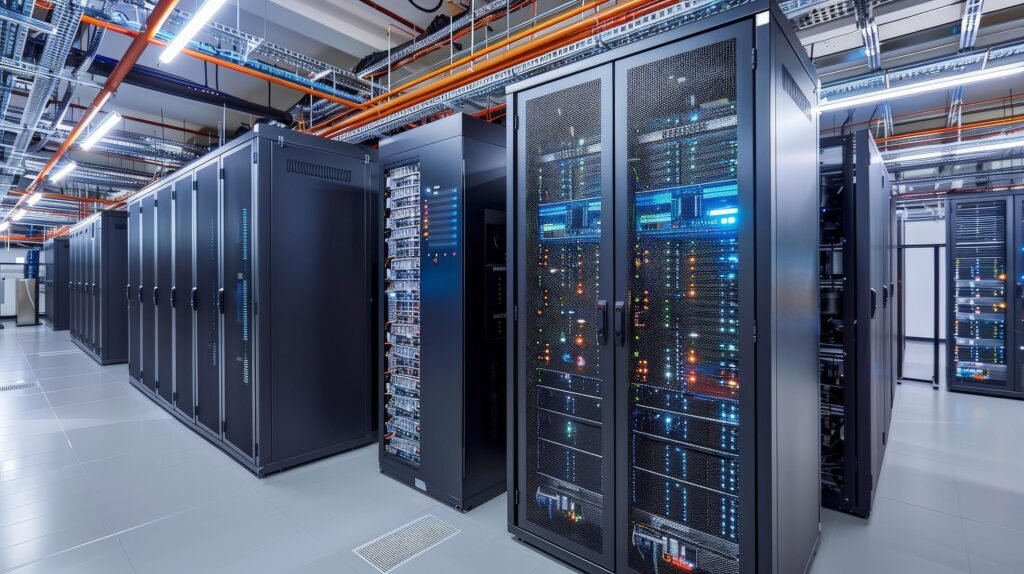
Training advanced AI systems can require tens of thousands of specialised processors operating continuously for weeks.
Even after deployment, every AI query consumes computing power.
This is one reason why the topic discussed in UK Electricity Demand 2026-2035 has become increasingly important.
Large AI campuses being planned across Europe can consume more electricity than some industrial estates.
Why Housing And Data Centres Want The Same Locations
The Geography Problem
Data centres are not built in remote locations simply because land is available.
They need:
- Fast fibre connectivity
- Reliable electricity
- Access to major population centres
- Transport infrastructure
- Skilled workers
Unfortunately, these are often the exact same requirements driving housing development.

As a result, both sectors often target the same regions.
Are Data Centres Taking Electricity Away From Homes?
Not In The Way Most People Imagine
Existing households are not suddenly having their electricity diverted into AI servers.
The issue is future capacity.
If a local network can only support a limited amount of additional demand before upgrades are required, decisions must be made about how that capacity is allocated.
In practice, this often means delays rather than shortages.
Projects may wait years for connection approvals while infrastructure improvements are completed.
Could Consumers End Up Paying?
The Infrastructure Has To Be Funded
Expanding Britain’s electricity network requires major investment.
New substations, transmission lines and distribution networks cost billions of pounds.
Eventually those costs are recovered through a mixture of:
- Network charges
- Commercial connection fees
- Business energy costs
- Consumer electricity bills
The answer is not straightforward.
Consumers may face some costs, but they may also benefit from a stronger and more resilient electricity network.

- Remote Control – Instantly turn connected devices on/off wherever you are through the Tapo app; Tapo P110 4-pack Alexa s…
- Schedule – Preset a schedule to automatically manage devices; P110 Alexa plug will facilitate your needs and you can sch…
- Timer – Create countdown timer lists for connected electronics with the Tapo smart plug
Why Government Supports Data Centre Expansion
AI Is Now Considered Strategic Infrastructure
Governments increasingly view AI infrastructure in the same way previous generations viewed railways, ports and motorways.
AI is expected to influence:
- Economic growth
- Scientific research
- Defence capability
- Healthcare innovation
- Industrial productivity
The challenge is ensuring infrastructure keeps pace.

Could Britain Need More Power Stations?
Demand Growth Is Accelerating
AI is arriving at the same time as electric vehicles, heat pumps and wider electrification.
National Grid forecasts suggest electricity demand could rise substantially over the coming decades.
Meeting that demand will likely require:
- More offshore wind
- More solar generation
- More battery storage
- Grid reinforcement
- Potentially new nuclear power stations
The Real Competition
It’s About Tomorrow’s Electricity
The headline that data centres are competing with homes is technically true, but not because AI servers are stealing electricity from household kettles.
The real competition is for future infrastructure.
Britain is trying to electrify transport, heating, industry and AI simultaneously.
The question is whether the grid can be expanded quickly enough to support all of them.
For the next decade, the biggest battle in British energy may not be generating electricity.
It may be deciding who gets connected first.