Search Intent
People often focus on how much electricity AI data centres consume, but far less attention is given to what happens when the power goes out. The reality is that some of the world’s largest AI facilities spend hundreds of millions of pounds building backup systems that may only be used a few times per year. Without them, however, modern AI services could disappear in seconds.
Why AI Data Centres Cannot Lose Power
Downtime Is Extremely Expensive
Unlike traditional offices, AI data centres cannot simply pause operations during a power cut.
Many AI systems operate continuously, processing millions of requests every hour. If electricity fails unexpectedly, operators face:
- Service outages
- Data corruption risks
- Hardware failures
- Cooling system disruption
- Financial penalties
- Reputational damage
For major cloud providers, even a few minutes of downtime can cost millions of pounds.

- Works with 1000+ Accounts: Compatible with Google, Microsoft, and Apple. A single Security Key NFC secures 100 of your f…
- Fast & Convenient Login: Plug in your Security Key NFC via USB and tap it, or tap it against your phone (NFC) to authent…
- Trusted Passkey Technology: Uses the latest passkey standards (FIDO2/WebAuthn & FIDO U2F) but does not support One-Time …
AI Workloads Create Additional Risks
Training advanced AI models often runs for weeks or months without interruption.
If power is lost during critical training periods, enormous amounts of computing time and electricity can be wasted.
The First Layer Of Protection: UPS Systems
Batteries That React In Milliseconds
The first line of defence is the Uninterruptible Power Supply (UPS).
These large battery systems immediately provide electricity when grid power disappears.
Most UPS systems are designed to:
- Prevent servers shutting down
- Maintain cooling systems
- Support networking equipment
- Allow generators time to start
A typical UPS may only provide power for 5 to 15 minutes.
That sounds short, but its purpose is not long-term operation. It simply bridges the gap until larger backup systems take over.

The Second Layer: Backup Generators
The Real Workhorses Of Data Centre Resilience
Most large AI facilities still depend on diesel generators.
Despite growing interest in green alternatives, diesel remains popular because it is:
- Reliable
- Proven
- Fast-starting
- Capable of delivering enormous power outputs
Individual generators often produce between 2MW and 4MW.
Large AI campuses may operate dozens of generators simultaneously.
Why So Many Generators?
Data centres use redundancy.
Instead of relying on a single generator, operators install multiple units so that failures can be tolerated without affecting operations.
This approach is known as N+1 or 2N redundancy and is common throughout the industry.
How Much Backup Power Does A Large AI Data Centre Need?
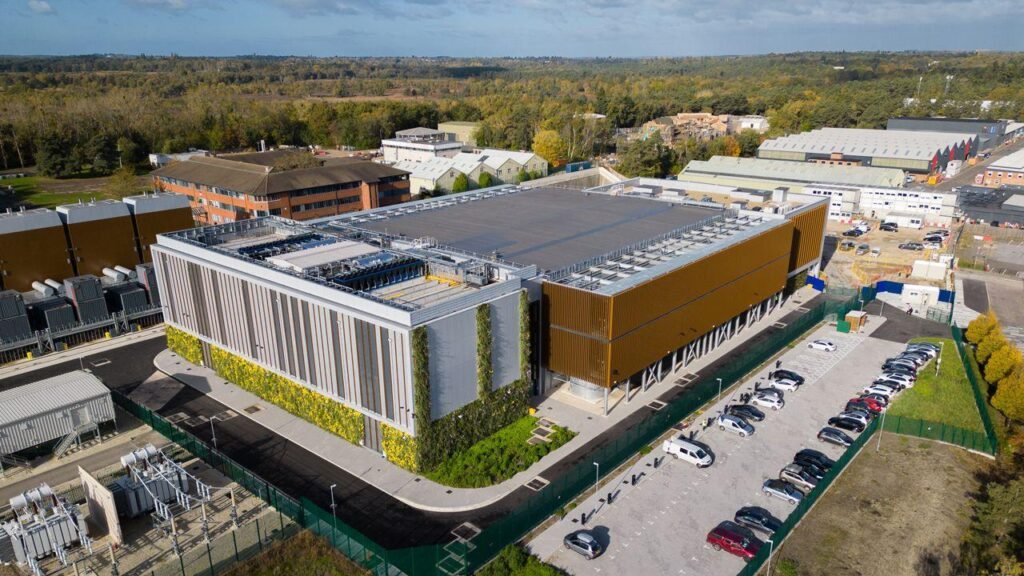
A 10MW Facility
A smaller AI data centre may require:
- Multiple UPS systems
- Three to six generators
- Fuel reserves for several days
A 100MW Facility
A large hyperscale site may require:
- Hundreds of tonnes of batteries
- Twenty or more generators
- Vast fuel storage infrastructure
A 500MW AI Campus
Some next-generation AI campuses are being designed at this scale.
Their electricity demand can rival that of a small city.
Backup power systems may represent hundreds of millions of pounds of investment before a single AI model is trained.

How Long Can AI Data Centres Operate Without The Grid?
Hours To Days
Most operators aim for at least 24 to 72 hours of independent operation.
This allows facilities to survive:
- Storm damage
- Grid failures
- Equipment faults
- Local power outages
Additional fuel deliveries can extend operating periods significantly.
Extreme Resilience Requirements
Critical facilities supporting financial services, government systems and major cloud platforms often maintain agreements for emergency fuel deliveries during national power disruptions.
Could Batteries Replace Generators?
The Industry Wants To Move Away From Diesel
Large battery systems continue to improve.
Operators are exploring:
- Grid-scale battery storage
- Hydrogen fuel cells
- Gas-powered generation
- Small modular nuclear reactors
However, batteries remain expensive for multi-day backup requirements.
At present, diesel generators remain the dominant solution. They keep announcing revolutionary clean-energy breakthroughs while quietly keeping giant diesel engines parked outside the buildings running the future.

- Back-UPS BX provides guaranteed power and surge protection for desktop computers, wireless networks, gaming consoles and…
- 700 VA/390 Watts – Automatic Voltage Regulation (AVR)
- PowerShute shutdown software – USB Connector
Why AI Is Increasing Backup Power Requirements
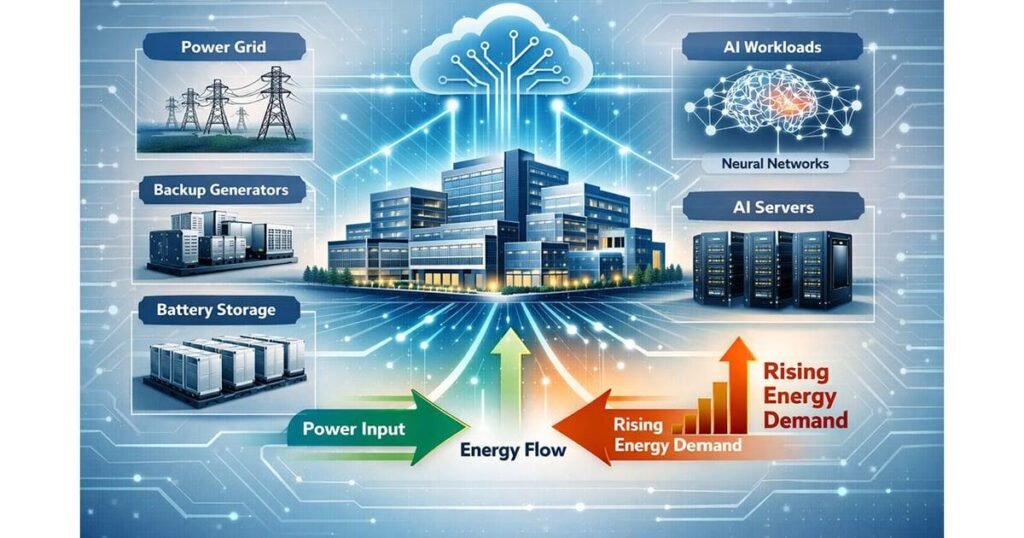
AI Servers Use More Electricity
Traditional cloud workloads are demanding.
AI workloads are significantly more demanding.
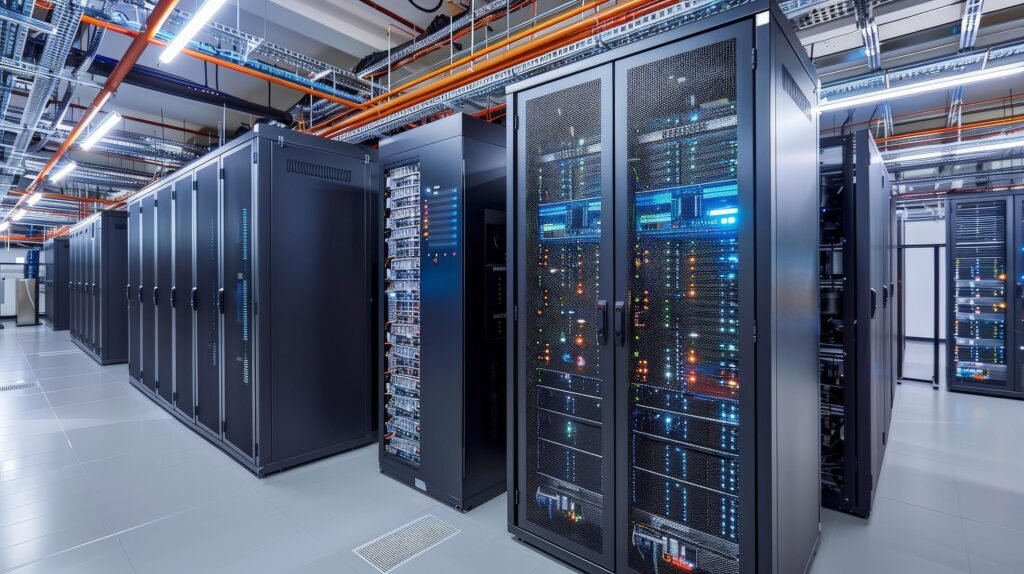
Advanced GPU clusters consume vast amounts of electricity while generating large amounts of heat.
This means backup systems must support:
- Computing equipment
- Cooling infrastructure
- Networking systems
- Security systems
As AI adoption grows, backup power requirements grow alongside it.
What Happens If Backup Systems Fail?
The Worst-Case Scenario
A complete loss of power could result in:
- AI service disruption
- Data loss
- Equipment damage
- Financial losses
- Reduced confidence in cloud services
For organisations relying on AI-powered operations, resilience is becoming just as important as computing power itself.
The Future Of AI Backup Power
Bigger AI Means Bigger Resilience Budgets
The next generation of AI facilities will require:
- Larger battery systems
- More sophisticated energy management
- Greater fuel security
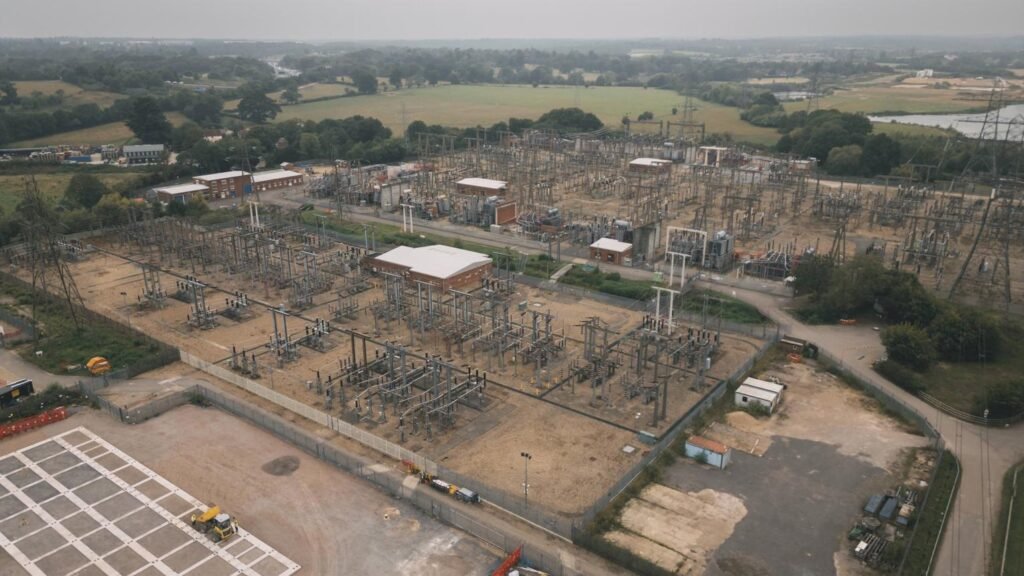
- Improved grid connections
- Enhanced backup infrastructure
As AI becomes more important to businesses, governments and consumers, reliable backup power will become a critical part of national infrastructure planning.
The public discussion often focuses on how much electricity AI consumes. The less visible story is that every megawatt of AI computing usually requires another carefully planned layer of backup power standing by, waiting for the moment something goes wrong. Because in the energy sector, “unlikely” and “impossible” are very different words.
Reference Material
- International Energy Agency (IEA)
- Uptime Institute Global Data Centre Surveys
- Data Centre Dynamics
- National Grid ESO
- UK Government AI Infrastructure Planning Documents
- Schneider Electric Data Centre White Papers
- Vertiv Data Centre Power Infrastructure Reports
- Cummins Data Centre Backup Power Research
- Caterpillar Mission Critical Power Studies