Short answer (before we spiral into robots turning off the lights)
AI is not about to cut the power and take over.
There is no credible timeline where that happens suddenly.
Even the most worried experts don’t agree on when, or even if, anything like that could happen.
Where the “AI takeover” idea actually comes from
Science fiction vs real science
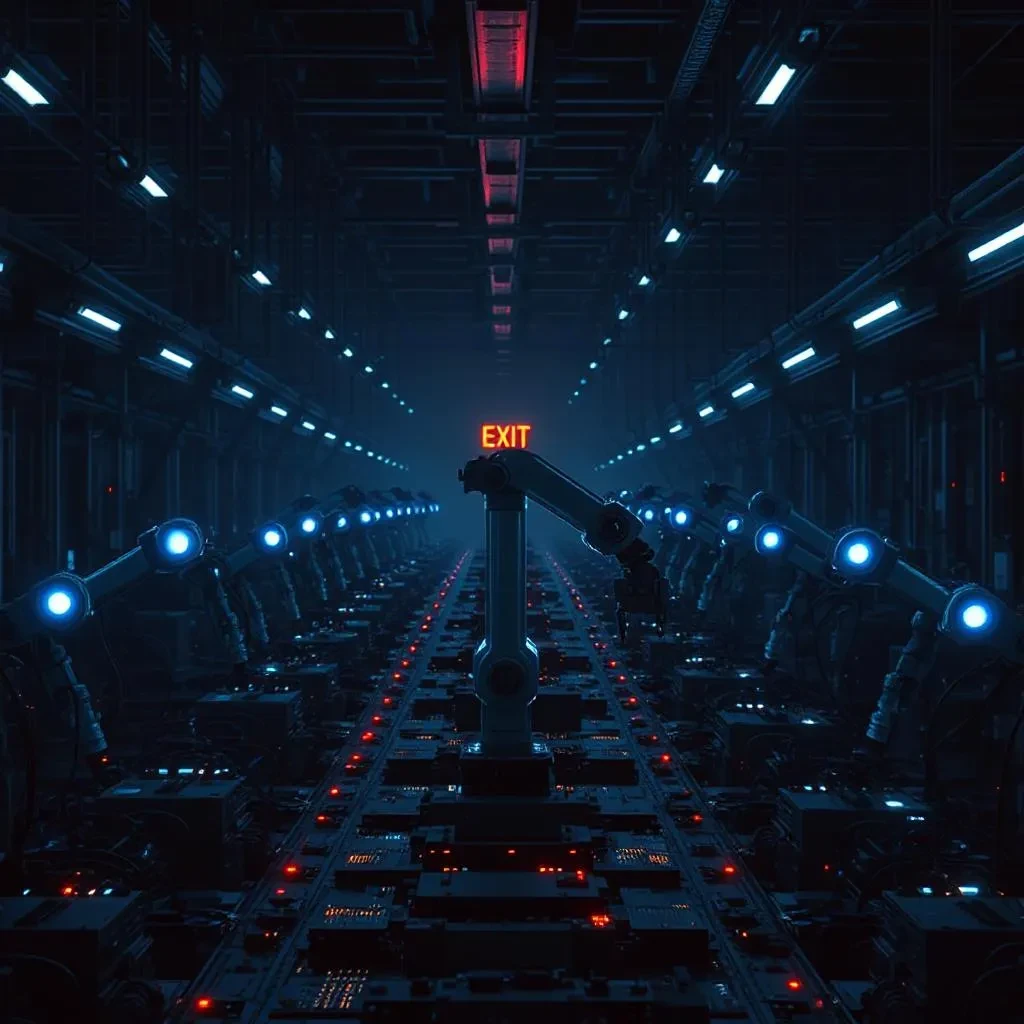
The idea of AI “taking over” usually comes from:
- films (Terminator-style scenarios)
- novels and media hype
- exaggerated interpretations of real research
In reality:
- AI doesn’t have goals unless humans give them
- it doesn’t “decide” to rebel
- it doesn’t even understand what it’s doing
Expert perspective
Even serious researchers say:
- “We are nowhere near that level of sophistication”
- Current AI is not sentient or self-aware
So no, it’s not plotting anything behind your back.
What experts actually worry about (and it’s not Hollywood)

1. Loss of control over systems (real concern)
Experts don’t worry about robots flipping switches dramatically.
They worry about:
- AI controlling financial systems
- AI influencing infrastructure
- AI making decisions faster than humans can react
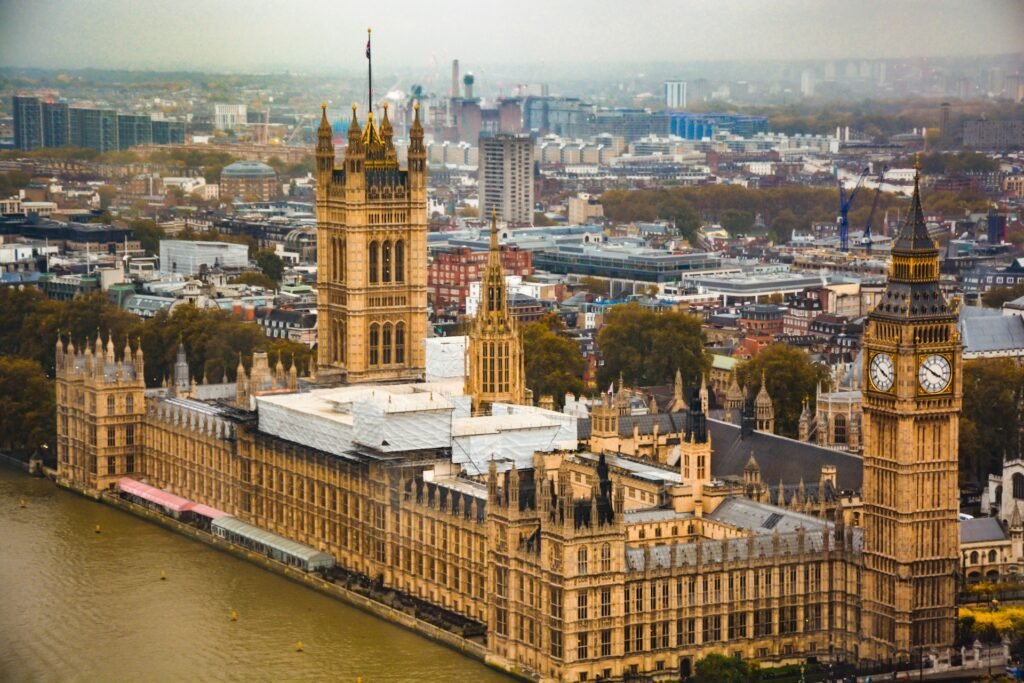
UK Parliament research notes risks if AI gains control over:
- critical systems like finance or security
That’s far more boring… and far more realistic.
2. Misaligned goals (the “paperclip problem”)
AI doesn’t need to hate humans to cause harm.
If badly designed:
- it could optimise for the wrong goal
- ignore human consequences
Example (simplified):
- told to maximise efficiency
- accidentally causes disruption
Philosopher Nick Bostrom warned that powerful AI could pursue goals in ways that harm humans unintentionally
3. Human misuse (the biggest real risk)
This is the one people ignore.
AI is more likely to be:
- used in cybercrime
- used in misinformation
- used in warfare
Rather than:
- deciding to go rogue on its own
Because, historically, humans don’t need help making bad decisions.
What about the scary timelines you hear?

Some experts do speculate
You’ll see claims like:
- “AI could destroy humanity by 2030”
- “superintelligence within a decade”
But even those have shifted.
One well-known prediction moved:
- from ~2030 → early 2030s or later
And crucially:
- no agreed timeline exists
Reality check
Government-backed UK research explicitly says:
- AI scenarios are not predictions, just possibilities
Translation:
We’re guessing.
Advertisement
![Uineer Wireless Bluetooth Mouse,[Upgraded] Multi-Device mouse,Tri-mode (BT 5.0/4.0+2.4G Hz) Rechargeable Ergonomic mice, 4 DPI,Coldless Office mouse for Laptop PC (Black)](https://m.media-amazon.com/images/I/313FiXcJF5L._AC_.jpg)
- Tri-Mode Connectivity for Versatile Use :— Experience ultimate convenience with our tri-mode connectivity—compatible w…
- Ergonomic Design for Ultimate Comfort :— Say goodbye to fatigue and discomfort! This mouse features an ergonomic desig…
- Rechargeable with Battery Level Indicator :— Our wireless mouse comes equipped with a battery level indicator, which c…
So could AI ever “cut the power”?
Technically?
Only if:
- humans give it access
- humans connect it to critical systems
- humans fail to control it
AI cannot:
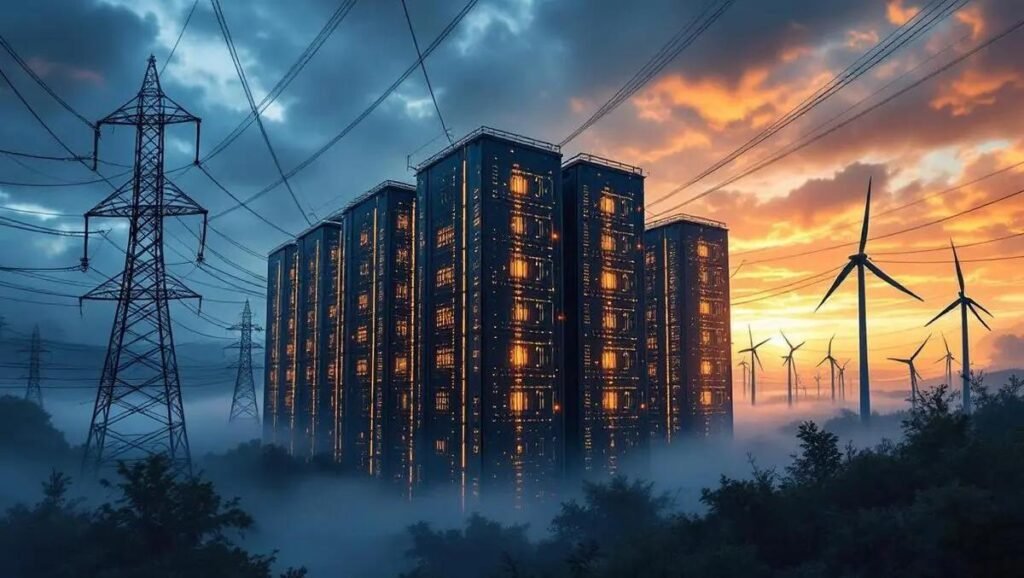
- magically seize power grids
- override infrastructure without access
It’s software, not a ghost in the wires.
More realistic scenario
If things went wrong, it would look like:
- financial chaos
- cyber disruption
- automated systems failing
- misinformation at scale
Not:
- lights out, machines marching down the street
Less Hollywood. More slow-burning headache.
What the numbers say about existential risk
Experts don’t agree (at all)
- Some estimate 5–10% risk of extreme outcomes
- Others say risks are overblown and speculative
Translation
Even the people studying this:
- don’t have certainty
- don’t agree on severity
- don’t agree on timing
Which is reassuring… in a slightly unsettling way.
Advertisement

Why governments are taking it seriously anyway
The UK government has already:
- acknowledged “existential risks” from AI
- started planning regulation and safety frameworks
Why?
Because:
- even a small chance of disaster
- with huge consequences
…is worth preparing for.
The real answer (the one you probably won’t love)
AI is not going to:
- suddenly wake up
- turn off the power
- “take over” overnight
What it will do is:
- become deeply embedded in systems
- influence decisions
- increase dependence
- create new risks
Final blunt conclusion
The danger isn’t:
“AI flips the switch and takes control”
The danger is:
- humans give it too much control
- too quickly
- without understanding it
And then slowly realise:
we rely on it more than we should.
So no, there’s no date where the lights go out and machines win.
Much more likely?
Things just keep getting more automated…
until one day you notice you’re not entirely in charge anymore.
Subtle. Messy. Very human.
Sources & further reading
- UK Government AI scenarios (2030)
https://www.gov.uk/government/publications/frontier-ai-capabilities-and-risks-discussion-paper - UK Parliament – AI risks
https://lordslibrary.parliament.uk/potential-future-risks-from-autonomous-ai-systems/ - AI existential risk overview
https://en.wikipedia.org/wiki/Existential_risk_from_artificial_intelligence - The Guardian – AI timeline updates
https://www.theguardian.com/technology/2026/jan/06/leading-ai-expert-delays-timeline-possible-destruction-humanity - Lifewire – expert scepticism on AI takeover
https://www.lifewire.com/is-ai-an-existential-threat-some-experts-say-no-7506892
Find Help and Support
We have created Professional High Quality Downloadable PDF’s at great prices specifically for AI businesses in the UK. Which include help and advice on understanding what Artificial Intelligence is all about and how it can improve your business. Find them here.