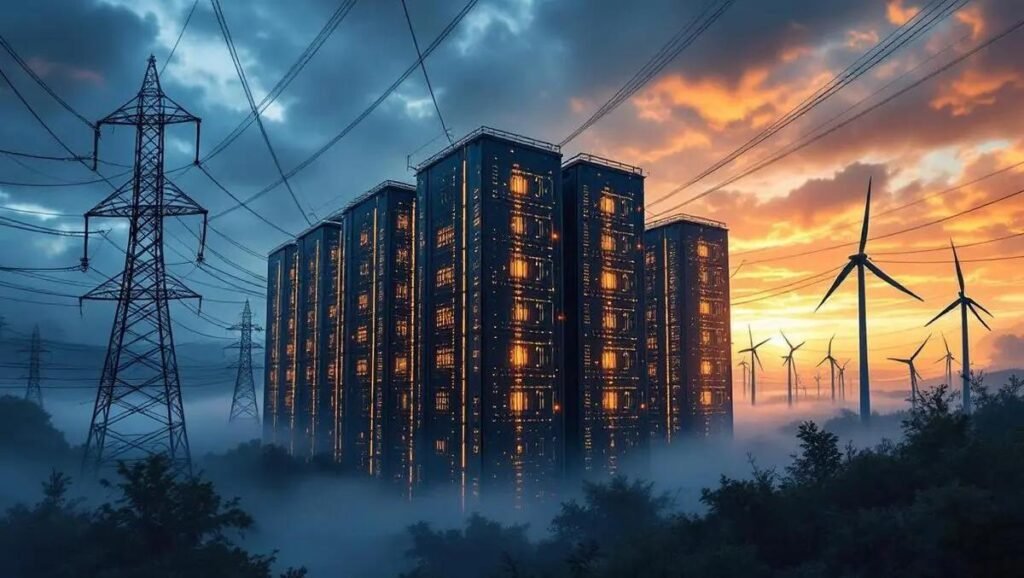
Artificial intelligence firms are not suddenly becoming energy companies because they enjoy the comforting glow of cooling towers and reactor domes. They are doing it because modern AI systems consume astonishing amounts of electricity, and Britain is one of the few countries trying to expand reliable low-carbon power fast enough to support that demand.
The simple version is this:
AI needs huge data centres.
Huge data centres need huge amounts of electricity.
Britain’s grid is already under pressure.
Nuclear power offers stable, long-term electricity without relying on weather conditions.
That combination is turning British nuclear energy into one of the most strategically valuable assets in the AI economy.
AI Uses Far More Electricity Than Most People Realise
Training AI Models Requires Enormous Computing Power
When companies such as OpenAI, Google, Microsoft and Meta train large AI models, they use tens of thousands of advanced computer chips operating continuously for weeks or months.
Each AI query may appear simple to the user. A chatbot answer feels lightweight. Underneath, massive clusters of GPUs are processing huge datasets inside power-hungry facilities.
According to the International Energy Agency, global electricity demand from data centres could more than double by the end of the decade, largely because of AI growth.
A single large AI data centre can consume as much electricity as a medium-sized town.
That changes the economics of energy completely.

- Full HD streaming: Logitech C922 provides two streaming qualities to choose from. Whether you’re after full HD 1080p at …
- Multiple mounting options including tripod: This HD streaming webcam comes equipped with a versatile tripod. Mount the U…
- Auto-lighting corrections: Alongside full HD streaming over wifi, this gaming webcam is equipped with autofocus and inst…
Britain Has Become Attractive For AI Infrastructure
The UK Is Seen As A Strategic AI Hub
The UK government has aggressively positioned Britain as a global AI development centre.
London already hosts major cloud and AI operations from:
- Amazon Web Services
- Microsoft
- Oracle
At the same time, Britain offers:
- Strong financial markets
- Advanced fibre infrastructure
- Established legal systems
- High-level AI research universities
- Access to European markets
The problem is energy.
Britain already faces grid bottlenecks in several regions. Some industrial projects wait years for grid connections. National Grid has repeatedly warned that future electricity demand could rise dramatically due to electrification, EVs and data centres.
AI companies therefore want guaranteed long-term electricity supply before competitors secure it first. Humans discovering that electricity is important after building energy-hungry systems. A magnificent recurring theme in industrial history.
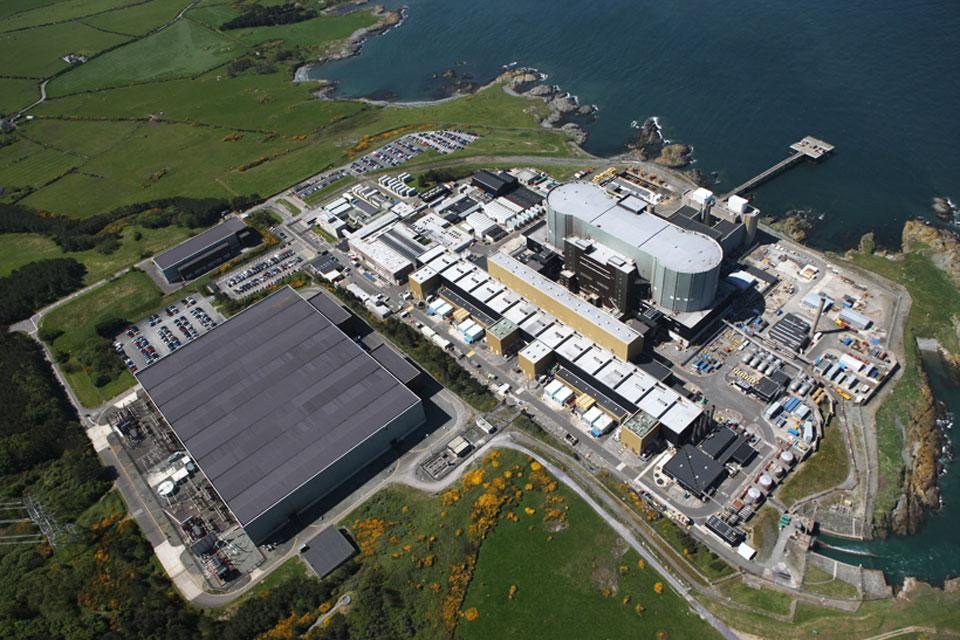
Why Nuclear Power Specifically?
Nuclear Provides Stable Baseload Power
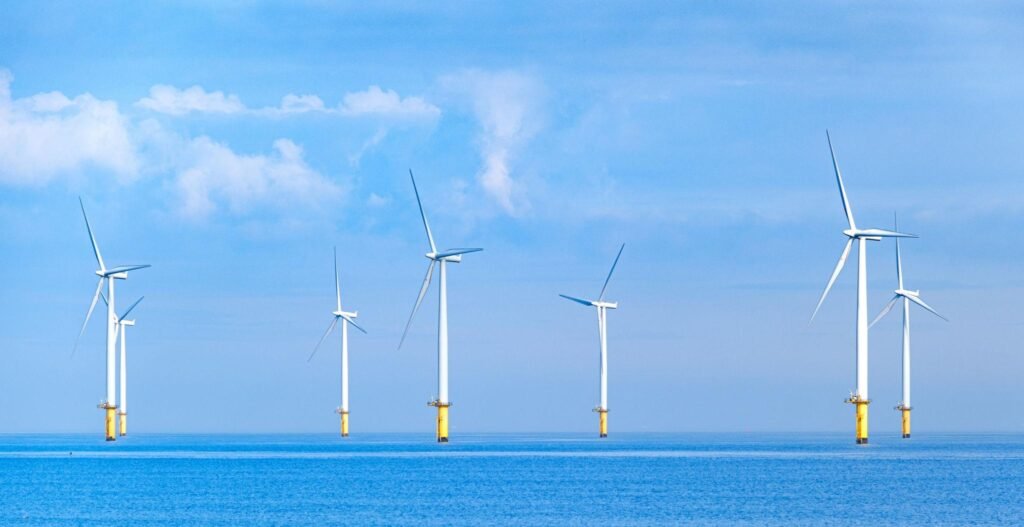
Wind and solar are growing rapidly in Britain, but they are intermittent.
AI data centres cannot simply switch off when the wind drops in the North Sea.
Nuclear power offers:
- 24-hour generation
- Stable baseload electricity
- Low carbon emissions
- Long operational lifespans
- Predictable energy pricing
For AI firms spending billions on infrastructure, predictability matters more than almost anything else.
A hyperscale AI data centre can cost several billion pounds to build. Operators do not want uncertainty around energy availability or future carbon regulations.
Nuclear helps solve both problems.
Small Modular Reactors Are Changing The Discussion
Britain Is Becoming Interested In SMRs
A major reason AI firms are paying attention to British nuclear energy is the rise of Small Modular Reactors (SMRs).
Companies including Rolls-Royce SMR are developing smaller nuclear reactors designed to be faster and cheaper to deploy than traditional mega-projects.
These reactors could potentially power:
- AI campuses
- Industrial parks
- Data centre clusters
- Manufacturing zones
Instead of relying entirely on the national grid, future AI facilities may secure dedicated nuclear generation nearby.
That is a very different energy model from traditional computing infrastructure.

- Multiple Display Modes – The external screen for laptop supports three display modes: Duplicated Mode, Extended Mode and…
- Plug and Play – The portable monitor for laptop does not require drivers and installation applications, and you only nee…
- Wide Compatibility – The laptop monitor extender is compatible with a wide range of laptops (14-17 inches) and supports …
Microsoft And Nuclear Energy
Real World Examples Already Exist
This is not theoretical.
In the United States, Microsoft agreed support for restarting part of the Three Mile Island Nuclear Generating Station site to help meet future energy demand for AI infrastructure.
Meanwhile, Amazon has invested in nuclear-linked energy agreements connected to data centre expansion.
These deals matter because they reveal how seriously technology companies now view energy security.
Electricity is no longer just an operating cost. It is becoming a competitive advantage.
Britain’s Existing Nuclear Fleet Matters
Existing Infrastructure Is Valuable
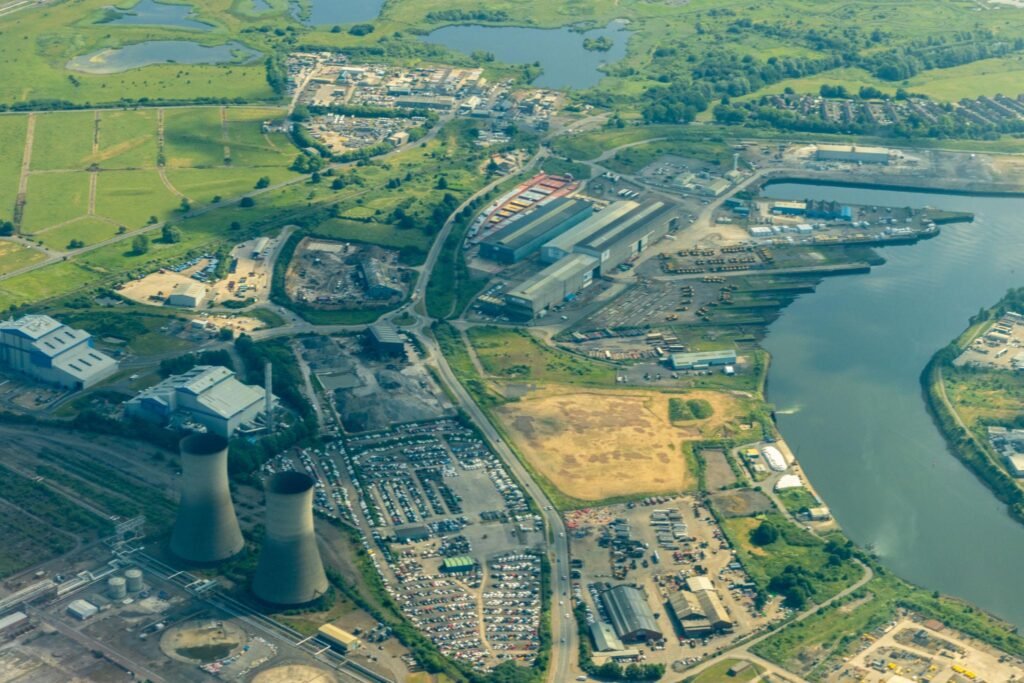
Britain already has nuclear expertise and infrastructure through sites including:
- Sizewell B
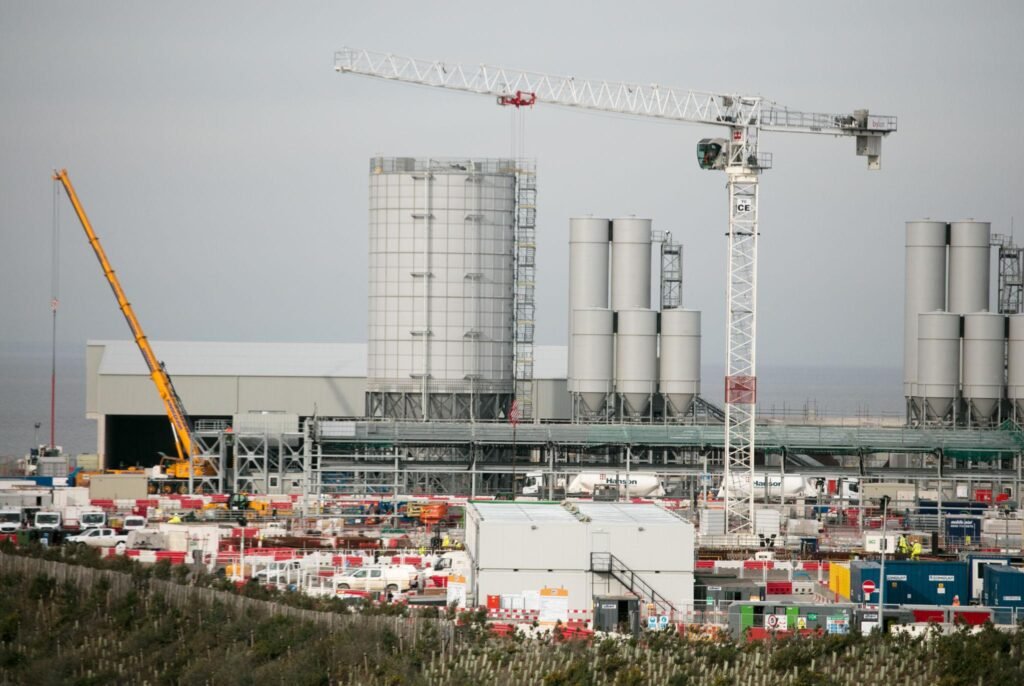
- Hinkley Point C
- Sellafield
The UK government also continues exploring future projects such as:
- Sizewell C
- SMR deployment programmes
- Nuclear financing reforms
For AI investors, countries with nuclear expansion plans look more attractive because they may support long-term power availability.
AI Companies Want Long-Term Fixed Energy Costs
Energy Volatility Is A Major Business Risk
The energy crisis following Russia’s invasion of Ukraine showed how exposed Europe can be to energy price shocks.
AI firms operate gigantic server estates where electricity costs can run into hundreds of millions annually.
Nuclear agreements allow companies to:
- Lock in stable pricing
- Reduce exposure to gas markets
- Meet carbon reduction targets
- Improve investor confidence
This is especially important because investors increasingly scrutinise AI companies over sustainability claims.
Training advanced AI systems while burning vast quantities of fossil fuels creates difficult public relations problems.
Nuclear gives firms a low-carbon narrative that investors generally prefer.

Britain Faces Major Challenges Too
Nuclear Projects Are Expensive And Slow
Despite the enthusiasm, British nuclear expansion is far from simple.
Major challenges include:
Construction Costs
Projects like Hinkley Point C have faced delays and rising costs running into tens of billions of pounds.
Grid Constraints
Even if new nuclear generation arrives, the transmission network still needs upgrading.
Political Uncertainty
Governments change priorities regularly. Investors dislike policy instability.
Skills Shortages
Britain needs more engineers, nuclear specialists and infrastructure workers.
Public Concerns
Some communities remain sceptical about nuclear expansion.
So while AI firms want nuclear energy, scaling British nuclear fast enough remains difficult.
Could AI Eventually Directly Own Power Stations?
The Future May Look Very Different
One emerging possibility is direct ownership stakes.
Instead of simply buying electricity contracts, large AI firms may increasingly:
- Invest in nuclear projects
- Finance SMRs
- Build private energy partnerships
- Create dedicated power infrastructure
This mirrors how giant industrial companies historically controlled mines, railways or ports.
In the AI era, electricity generation itself may become strategic infrastructure.
That sounds dramatic until you realise an advanced AI campus may consume more electricity than entire regions once used. Humans built machines that require civilisation-scale infrastructure just to generate emails faster. Remarkable species.
- Learning function
What This Means For Britain
AI Could Accelerate UK Nuclear Investment
AI growth may actually help revive Britain’s nuclear sector because it creates strong commercial demand for reliable electricity.
Potential benefits include:
- New investment
- Skilled jobs
- Grid modernisation
- Regional economic growth
- Lower carbon electricity generation
But there are risks too:
- Higher electricity competition
- Pressure on local infrastructure
- Rising water usage
- Planning conflicts
- Greater dependence on large tech firms
The UK will need to balance economic opportunity with energy security and public interest.
Final Thoughts
AI companies are buying into British nuclear power because AI has become an energy problem as much as a technology problem.
The industry has moved beyond clever software.
Now it is about:
- Electricity
- Grid capacity
- Cooling systems
- Water supply
- Infrastructure resilience
- Long-term national energy strategy
Britain’s nuclear sector offers something AI companies desperately need: stable, large-scale low-carbon power.
That is why nuclear power stations, once seen as ageing industrial assets, are suddenly becoming central to the future of artificial intelligence.
The next phase of the AI race may not be won by whoever builds the smartest algorithm.
It may be won by whoever can keep the lights on.
AI Playbooks
We have created Professional High Quality Downloadable PDF’s at great prices specifically for Personal or Business use in the UK. Which include help and advice on understanding what Artificial Intelligence is all about and how it can improve your business. Find them here.