The basics: it’s not magic, it’s pattern replication
Most “AI baby sleep” systems are really combinations of:
- White noise or sound masking
- Sensor data (movement, heart rate, crying patterns)
- Predictive algorithms (sleep timing, wake windows)
- Automated responses (rocking cribs, sound changes, lighting)
They’re trying to mimic three things humans naturally do:
- Recreate the womb environment (constant noise, rhythm)
- Remove disturbances (mask sudden sounds)
- Respond consistently (same cues every time)
White noise (the heavy lifter)
- Studies show ~80% of babies fell asleep within 5 minutes with white noise, compared to ~25% without it
- It works because it:
- Mimics womb sounds
- Masks unpredictable noise (doors, siblings, life generally being annoying)

AI layer on top
More advanced systems:
- Detect sleep stages using sensors
- Adjust sound/light in real time
- Predict when the baby is about to wake
Some experimental AI sleep systems reduce time to fall asleep by ~24 minutes in adults using real-time feedback
(Infant-specific AI is still catching up, because babies refuse to behave like consistent datasets.)
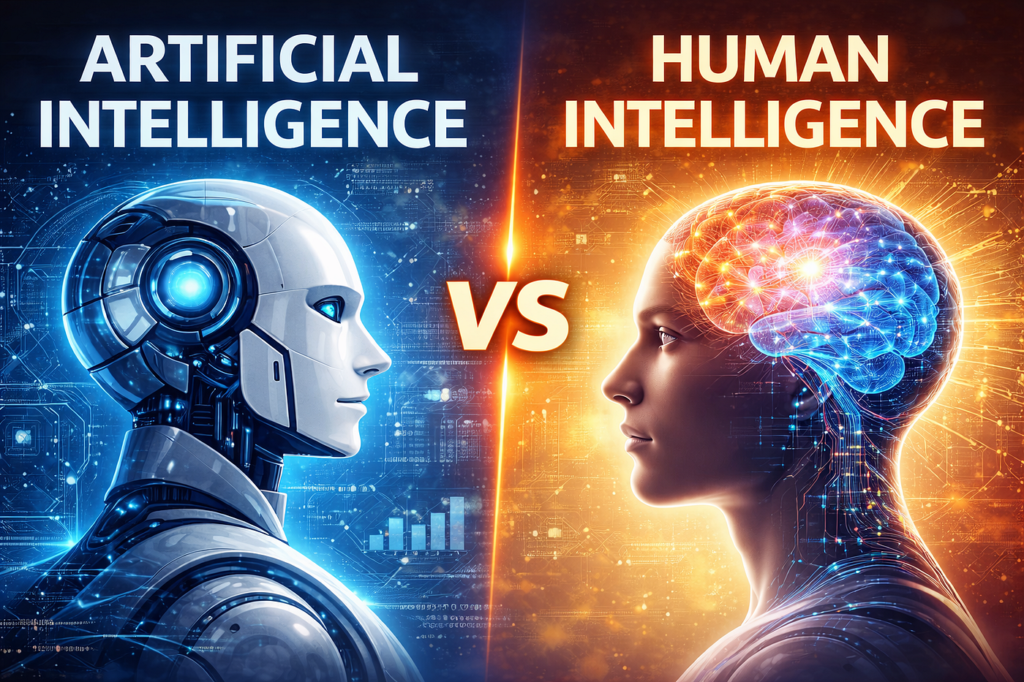
How effective is AI compared to a human?
Where AI can outperform humans
1. Consistency (machines don’t get tired)
Humans:
- Get frustrated
- Try random techniques
- Change approach mid-way
AI systems:
- Deliver identical conditions every time
- Maintain optimal sound levels and patterns
That alone can improve sleep onset.
2. Faster sleep onset (in controlled conditions)
- White noise + automation can significantly reduce time to sleep
- Some studies show longer sleep duration and better efficiency
So yes, in a quiet room with predictable conditions, AI-assisted setups can outperform a human trying to “wing it.”
Advertisement

- 23.8″ FULL HD DISPLAY – 1920 x 1080 resolution in 16:9 format with 100Hz refresh rate and IPS technology for vibrant col…
- SMOOTH VISUALS – The 100Hz refresh rate reduces flicker for seamless scrolling and clear motion visuals – perfect for wo…
- TÜV RHEINLAND 3-STAR + COMFORTVIEW PLUS – Built-in ComfortView Plus reduces harmful blue light without compromising colo…
Where humans are still better (and it’s not even close)
1. Emotional regulation
AI cannot:
- Smell like a parent
- Regulate a baby’s stress through touch
- Respond intuitively to subtle distress
Babies are not just sleepy lumps. They’re tiny emotional chaos engines.
A human:
- Adjusts instantly to discomfort, hunger, illness
- Provides attachment and security (critical for development)
No app replicates that.
2. Adaptability in messy real life
AI works best when:
- The environment is controlled
- Inputs are predictable
Babies:
- Change daily
- Regress randomly
- Ignore your carefully optimised “sleep routine” for sport
Humans improvise. AI struggles.

How much “better” is AI, realistically?
Let’s quantify it without pretending there’s a neat percentage (there isn’t):
Sleep onset (falling asleep)
- AI-assisted (white noise etc.):
Up to ~3× higher success rate in some studies (80% vs 25%) - Real-world average improvement:
Moderate to strong
Sleep duration / quality
- Some improvement, especially in noisy homes
- Not guaranteed across all babies
Emotional comfort
- Humans: far superior
- AI: essentially zero
Overall verdict
- AI is a useful tool
- Humans are still the core system
The uncomfortable downsides (because nothing is ever simple)
Potential risks
- Overuse of white noise may affect hearing or development if too loud or constant
- Some research suggests certain noise types may reduce REM sleep (important for brain development)
Expert perspective
Sleep experts increasingly warn:
- Don’t rely solely on tech
- Babies need natural sleep rhythms and interaction, not optimisation algorithms
Even The Lullaby Trust-aligned advice tends toward simple, safe, responsive parenting over rigid tech routines.
Adveertisement
- Millions of Color Choices: Govee Bulb E14 offer millions of colors and over 50 preset scene modes. Customize your home w…
- Smart Voice Control: Govee E14 Smart Bulb is compatible with Matter, Alexa and Google Assistant for hands-free control. …
- Adjustable Brightness & Color Temp: With adjustable brightness (0-450lm) and color temperature (2700-6500K), this Smart …
Real-world UK view (what actually works)
For most UK families:
- AI / tech helps with:
- Background noise
- Routine consistency
- Tracking patterns
- Humans handle:
- Feeding
- Comfort
- Emotional bonding
- Interpreting weird baby behaviour at 3am
The winning setup is not “AI vs human.”
It’s:
AI as a support system, human as the decision-maker
Final answer (the part you were actually after)
No, AI is not “better” than a human at putting a baby to sleep overall.
It can outperform humans in narrow tasks like:
- Creating optimal sound environments
- Maintaining consistent routines
- Reducing time to fall asleep
But it fails completely at the core job:
- Comforting, bonding, and responding to a baby’s needs
So the honest ranking:
- Best: Human + AI support
- Second: Human alone (sleep deprived but effective)
- Third: AI alone (good luck explaining hunger to an algorithm)
If AI ever genuinely replaces parents in this area, society has bigger problems than bedtime routines.
Help and Support
We have created Professional High Quality Downloadable PDF’s at great prices specifically for UK Businesses. Which include various helpful documents and real world scenarios your business might experience, showing what to do and how to protect your business. Find them here.