AI will not magically make energy cheap. That would be far too convenient, and apparently civilisation prefers complicated billing systems, standing charges and apps that need seventeen updates before your kettle boils.
But used properly, AI could help reduce UK consumer energy bills over the next decade by making the electricity system more efficient, more flexible and less wasteful. The biggest savings are likely to come from better grid forecasting, smarter use of renewables, automated home energy management, cheaper network planning and demand shifting.
The important word is could. AI can reduce costs, but only if suppliers, regulators and government stop it becoming another excuse for complexity, opaque tariffs and “personalised pricing” nonsense dressed up as innovation.
Image suggestion
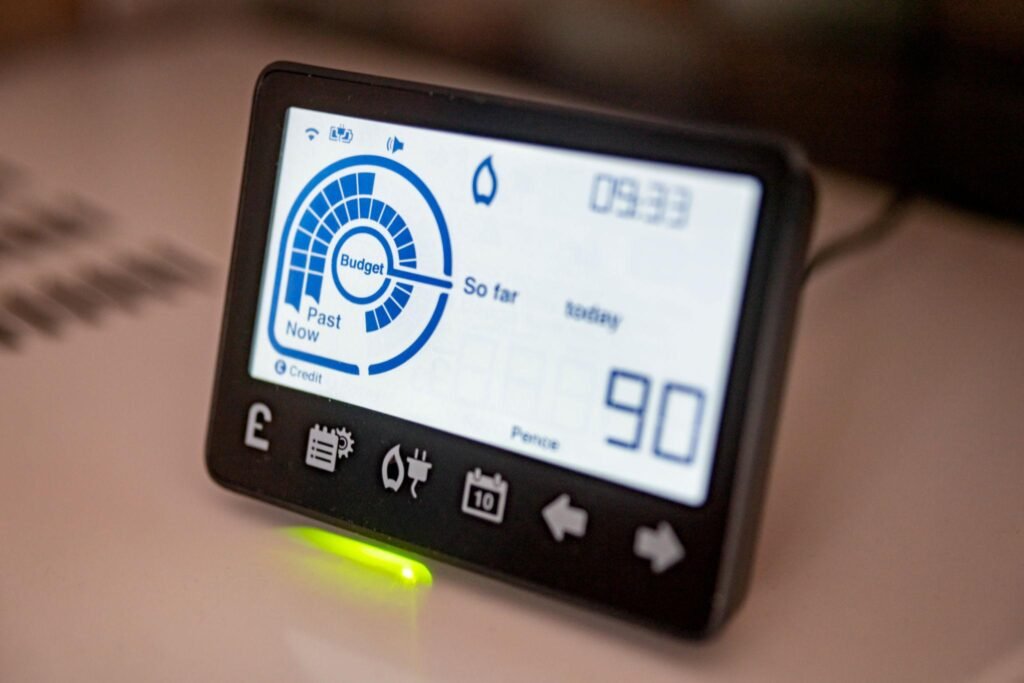
Use a smart meter display in a UK home near the introduction.
Suggested source: Getty Images / smart meter display, or supplier-approved smart meter imagery.
The Starting Point: UK Bills Are Still Painfully High
Ofgem’s current energy price cap for 1 April to 30 June 2026 is £1,641 per year for a typical dual-fuel household paying by Direct Debit. That is lower than the previous cap, but still a serious burden for many households. Ofgem also stresses that the cap limits unit rates and standing charges, not the final bill, so people who use more still pay more.
That means AI’s real value is not just “making energy cheaper” in a vague tech brochure way. It is about helping households and the grid use electricity at the right time, avoid waste, reduce balancing costs and make better use of cheap renewable power.
The Big Reason AI Could Lower Bills: The Grid Is Becoming Harder To Run
More renewables means more variability
The UK is adding more wind and solar power. That is good because renewable electricity can be cheaper once built, but it creates a problem: wind and sunshine do not politely turn up at 6pm when everyone gets home, turns on the oven, charges the car and pretends the heating has always been set to 22°C.
AI can help by forecasting renewable generation more accurately. National Grid ESO has worked with Open Climate Fix to use machine learning to improve solar forecasting, with the aim of reducing balancing costs and carbon emissions. Better forecasts mean the system operator can make fewer expensive last-minute decisions.
Advertisement
- Perfect Home Power Station:The setup includes an MPPT hybrid inverter and two batteries. One inverter supports 120V and …
- 48V 100AH LiFePO4 Battery for Solar Systems:The ECO-WORTHY 48V (51.2V) 100AH LiFePO4 battery supports CAN/RS485 communic…
- Multi-Layer Safety Protection:Robust all-metal casing + 125A circuit breaker for physical safety.The inverter has protec…
Why that matters to consumers
When the grid has to balance supply and demand at short notice, it can become expensive. Those costs eventually feed through into bills. AI forecasting can help reduce:
expensive backup generation
curtailment of cheap renewable power
emergency grid balancing costs
wasted electricity from renewables
network congestion costs
In normal English: AI could help stop the UK throwing away cheap power at one moment and buying expensive power the next. An achievement so basic it sounds obvious, which means it will probably require three consultations and a dashboard.
AI Will Help Homes Use Energy When It Is Cheapest
Smart meters plus AI tariffs
The future of cheaper bills is likely to involve time-of-use tariffs. These charge less when electricity is abundant and more when the grid is under pressure. AI can help households automatically shift flexible energy use into cheaper periods.
This could include:
charging an electric car overnight or during windy periods
running dishwashers or washing machines when prices are lower
pre-heating homes before peak periods
charging home batteries when electricity is cheap
using stored energy when prices rise
Energy UK says consumer-led flexibility allows households and businesses to shift electricity use to benefit from lower prices or earn rewards for helping balance the grid. The UK’s Demand Flexibility Service is also being relaunched with rewards for shifting demand to times of high renewable generation.
Real-world effect for households
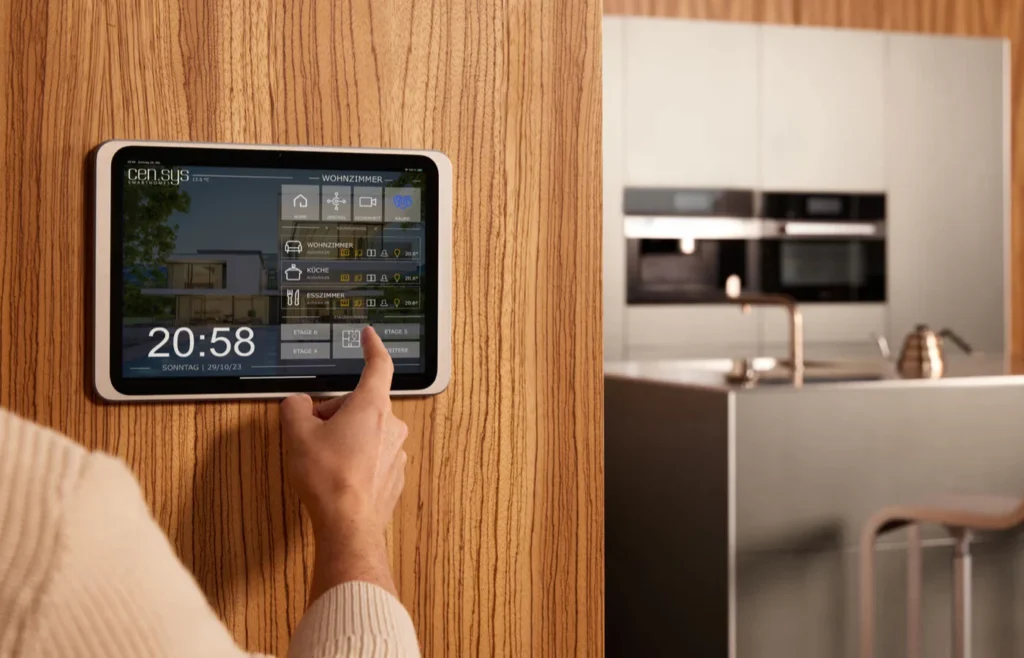
For ordinary UK households, this could mean your home energy system starts behaving more like a quiet financial assistant. It checks when electricity is cheaper, when the grid is greener and when appliances can safely run.
You may not notice much day to day. That is the point. The best version of this future is not you staring at an app at midnight deciding when to charge the car like some tragic spreadsheet monk. It is automation doing the dull work.
Image suggestion
Use a photo of a smart meter display or home energy app screen beside this section.
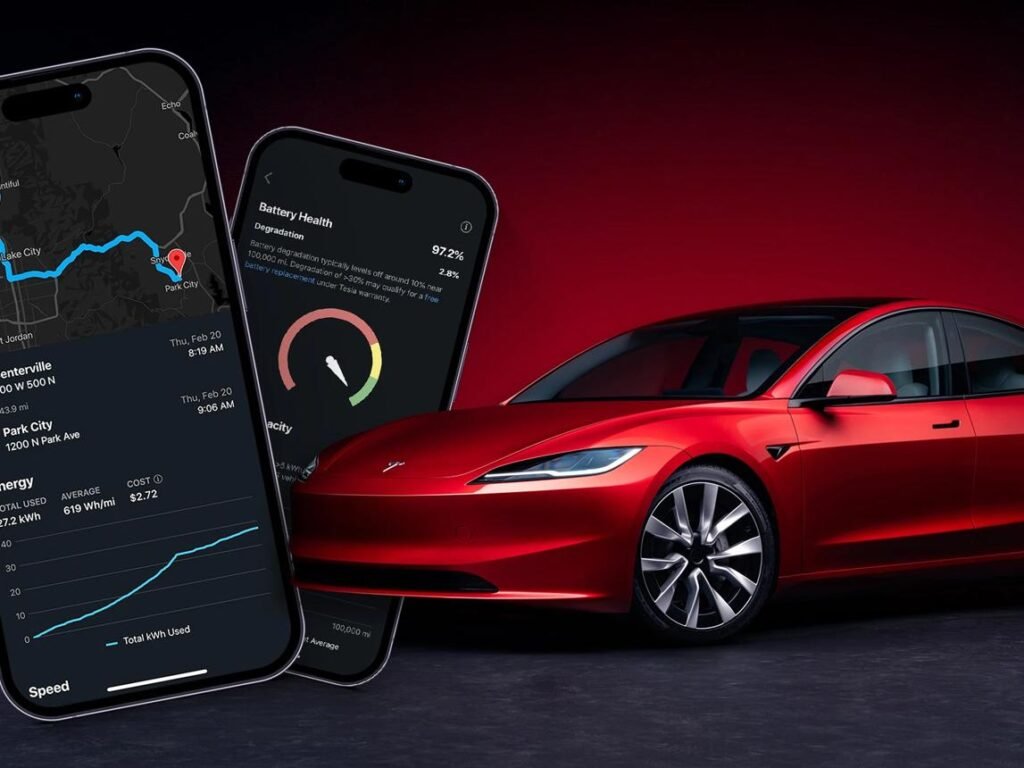
AI Could Make Electric Cars Cheaper To Run
EV charging will become more automated
Electric cars can either become a huge strain on the grid or a useful flexible asset. AI makes the second option more likely.
A smart EV charging system can:
charge when wholesale electricity prices are low
avoid charging during peak evening periods
pause charging if the local grid is under stress
restart when renewable output rises
sell electricity back to the grid in vehicle-to-grid systems, where available
For households with an EV, the savings could be meaningful because car charging uses far more electricity than most individual appliances.
Everyday life impact
Instead of thinking, “I need to charge the car now,” people may simply set the car to: “ready by 7am”. AI then decides the cheapest and cleanest charging pattern overnight.
This could make EV ownership cheaper and reduce pressure on local networks. It may also reduce the need for expensive grid upgrades, which again matters because network costs appear in consumer bills.
Advertisement

- 256 litre capacity – holds 13 bags of food shopping
- Clever tech stops ice build-ups in the fridge and freezer
- Water dispenser – no plumbing required
AI Could Help Heat Pumps Run More Cheaply
Heating is where the real money is
For many homes, heating is the largest energy cost. As the UK moves gradually towards electrified heating, AI could help heat pumps run more efficiently.
AI-controlled heating systems can learn:
how quickly your home warms up
how quickly it loses heat
what rooms are actually used
weather forecasts
electricity price changes
your routine
Instead of switching heating on and off in a crude way, AI can pre-heat, coast, reduce peaks and avoid expensive periods.
Real-world effect
For consumers, this could mean warmer homes for less money, especially in well-insulated properties. But there is a catch, because naturally there is always a catch: badly insulated homes will still waste heat. AI cannot outsmart a draughty Victorian terrace with single glazing and a loft full of old Christmas decorations.
AI helps most when combined with:
insulation
smart thermostats
heat pumps
smart meters
time-of-use tariffs
home batteries
AI Could Reduce Waste Inside the Energy System
Better maintenance and fewer failures
AI can monitor substations, cables, transformers and other grid assets to predict faults before they happen. That matters because emergency repairs are usually more expensive than planned maintenance.
AI can also help energy companies detect:
equipment faults
local overloads
fraud and theft
billing errors
unusual usage patterns
network losses
Ofgem has published guidance and consumer information on AI in the energy sector, including both benefits and risks. That matters because AI in energy must be explainable, fair and properly governed, not just a mysterious algorithm deciding your bill while everyone shrugs.
Why consumers should care
Lower operating costs for networks and suppliers can, in theory, reduce pressure on bills. But consumers will only benefit if regulation forces those savings through to households. Otherwise, some companies may simply discover the ancient corporate art of “efficiency savings for us, customer service chatbot for you”.
AI Could Improve Energy Price Forecasting
Better buying decisions by suppliers
Energy suppliers buy power in advance. If they forecast demand and wholesale prices badly, costs rise. AI can improve forecasting by analysing:
weather
historic demand
market prices
renewable output
consumer behaviour
network constraints
global gas and oil trends
Better forecasting can reduce risk premiums. If suppliers can buy energy more accurately, they may offer more competitive tariffs.
What this means for households
In future, households may see more personalised tariff options, such as:
EV-only tariffs
heat pump tariffs
battery tariffs
solar export tariffs
weekend saver tariffs
ultra-low overnight tariffs
renewable surplus tariffs
That could be good for engaged consumers. It could also be confusing for everyone else, because the UK energy market apparently looked at mobile phone contracts and thought: “Let’s make this worse.”
Advertisement
The Biggest Change: Consumers Will Become Part of the Grid
Homes will not just consume power
The future UK home may contain:
smart meter
EV charger
solar panels
home battery
heat pump
smart thermostat
smart appliances
AI energy assistant
Together, these devices can turn homes into flexible grid assets. A household might buy cheap electricity at night, store it, use it during peak times, export spare solar power and let appliances run when the grid is under less pressure.
Everyday life in the UK
This could change normal household routines in practical ways:
Your car charges when prices are lowest.
Your heating adjusts before peak pricing starts.
Your washing machine suggests cheaper run times.
Your battery charges when wind power is abundant.
Your energy app warns when usage is unusually high.
Your supplier pays you for reducing demand at certain times.
Your home becomes less dependent on peak-rate electricity.
The experience should become more automatic. The danger is that people without smart devices, good broadband, EVs, batteries or flexible routines may miss out.
Who Benefits Most?
Likely winners
The biggest savings are likely for households with:
EVs
smart meters
solar panels
home batteries
heat pumps
smart thermostats
flexible routines
access to good time-of-use tariffs
These households can shift large amounts of demand.
Likely losers or left-behind groups
AI-driven energy savings may be weaker for:
renters who cannot install upgrades
low-income households unable to buy smart equipment
people in poorly insulated homes
households without smart meters
people with medical equipment needing constant electricity
people who cannot shift usage away from peak hours
This is where policy matters. If AI energy savings only benefit wealthier households with EVs and batteries, then the system becomes unfair. The UK will have invented “premium poverty avoidance”, because apparently even saving money needs a subscription model.
What Will Cause This Change?
The main drivers
The shift will be caused by several forces happening together:
more renewable generation
more electric cars
more heat pumps
smart meter rollout
half-hourly electricity settlement
consumer-led flexibility schemes
AI forecasting tools
grid pressure from new demand
rising need to avoid expensive infrastructure upgrades
government pressure to decarbonise electricity
The government’s Ofgem review notes that the retail market is changing because of smart meters, consumer-led flexibility and market-wide half-hourly settlement. That matters because half-hourly data makes it easier to price electricity according to when it is actually used.

The Awkward Problem: AI Also Uses Lots of Energy
AI is not automatically green
There is a serious contradiction here. AI can help reduce energy system costs, but AI data centres also consume large amounts of electricity.
National Grid and Emerald AI have announced work on showing how AI data centres can adjust energy use in real time to support the transmission network. A UK-first trial also demonstrated that AI infrastructure can operate as a flexible, grid-responsive asset.
That is important because data centres must not become huge inflexible electricity hogs. If they do, they could increase grid pressure and costs.
Real-world view
AI reduces bills only if:
data centres are energy efficient
AI systems run when clean power is available
grid flexibility is rewarded
consumer protections are strong
savings are passed through
tariffs remain understandable
vulnerable households are protected
Without that, AI could become another cost loaded onto the system.
Expert View: What the Evidence Points To
Ofgem and consumer protection
Ofgem and the Energy Ombudsman have warned that AI in energy brings both benefits and risks, and consumers must understand their rights and protections. That is a polite regulator’s way of saying: “Please do not let algorithms make unfair decisions about people’s heating bills.”
National Grid ESO and forecasting
National Grid ESO’s work with Open Climate Fix shows one of the clearest practical uses of AI: better solar forecasting. This can help control rooms make better decisions and potentially reduce balancing costs.
Energy UK and flexibility
Energy UK highlights consumer-led flexibility as a way for households and businesses to shift demand, access lower prices and help balance the grid. This is one of the most direct routes from AI and smart systems to lower consumer bills.
What This Means For Everyday UK Life
More automated energy decisions
You may spend less time manually managing energy and more time setting preferences. For example:
“Keep the house warm by 7am.”
“Charge the car by tomorrow morning.”
“Use the cheapest electricity where possible.”
“Do not run noisy appliances after 10pm.”
AI handles the timing.
More variable prices
Flat tariffs may become less common. More people may move to tariffs where electricity is cheaper at some times and more expensive at others.
More appliances connected to energy apps
Smart washing machines, EV chargers, batteries and thermostats may become normal. Not exciting, obviously, but neither is paying £1,600 a year to keep the lights on.
Advertisement
- 23.8″ FULL HD DISPLAY – 1920 x 1080 resolution in 16:9 format with 100Hz refresh rate and IPS technology for vibrant col…
- SMOOTH VISUALS – The 100Hz refresh rate reduces flicker for seamless scrolling and clear motion visuals – perfect for wo…
- TÜV RHEINLAND 3-STAR + COMFORTVIEW PLUS – Built-in ComfortView Plus reduces harmful blue light without compromising colo…
More need for digital confidence
Consumers will need to understand tariffs, permissions and privacy settings. Energy advice may become more important, especially for older or vulnerable households.
More pressure on suppliers to be transparent
If AI recommends a tariff or controls energy use, consumers need to know:
why it made that decision
whether it benefits the customer or supplier
how data is used
how to override it
how complaints are handled
Will AI Definitely Reduce Bills?
The honest answer
AI should reduce some system costs. It should help make better use of renewables, reduce balancing costs, support flexible tariffs and improve household energy management.
But bills will also depend on:
gas prices
network investment
standing charges
government policy
supplier behaviour
global events
data centre electricity demand
consumer access to smart technology
So AI is not a guaranteed bill-cutting miracle. It is a tool. Used well, it can help. Used badly, it becomes another layer of digital confusion between the customer and the bill.
Advertisement

- SWITCH TO SMART LIGHTING – Start enjoying the benefits of smart lighting straight away: simply screw in your new LED lig…
- CREATE AMBIANCE WITH COLOR – Find the right ambient lighting for any mood with millions of colors and a packed library o…
- SMOOTH DIMMING – Easily dim your energy efficient bulb from full brightness all the way down to 2% using the Hue app to …
Practical Advice For UK Consumers
What households should do now
Get a smart meter if suitable.
Compare time-of-use tariffs carefully.
Use smart plugs or smart thermostats where they genuinely save money.
Shift flexible usage away from peak times where safe and practical.
Consider EV smart charging if you own an electric car.
Check whether your supplier offers demand flexibility rewards.
Do not buy expensive smart kit unless the payback makes sense.
Keep an eye on standing charges, not just unit rates.
Best near-term savings
For many households, the quickest wins are still boring but effective:
insulation
draught proofing
lower flow temperature on compatible boilers
smart heating controls
turning off wasteful standby loads
using appliances efficiently
checking tariffs regularly
AI can help optimise these things, but it does not replace basic home efficiency.
Final Verdict
AI could reduce UK consumer energy bills by helping the grid use cheap renewable electricity more intelligently, shifting household demand away from expensive peak times, improving forecasting, reducing network waste and automating home energy decisions.
The biggest everyday change will be that homes become more responsive. Cars, heating, batteries and appliances will increasingly run when electricity is cheapest and cleanest.
But the benefits will not be automatic or equally shared. Without strong regulation, clear tariffs and protections for vulnerable households, AI could make the energy market more confusing rather than cheaper.
So the future is promising, but not magical. AI can help cut bills, provided we use it to run the energy system better, not simply to invent smarter ways of sending people baffling monthly statements.
Sources and further reading
Ofgem: Energy price cap explained.
Ofgem: April to June 2026 price cap update.
Energy UK: Consumer-led flexibility.
National Grid ESO: AI solar forecasting with Open Climate Fix.
Ofgem and Energy Ombudsman: AI in the energy sector.
National Grid and Emerald AI: AI data centre flexibility.
Find Help and Support
We have created Professional High Quality Downloadable PDF’s at great prices specifically for Personal or Business use in the UK. Which include help and advice on understanding what Artificial Intelligence is all about and how it can improve your business. Find them here.